
Balinese temple
About Balinese temple
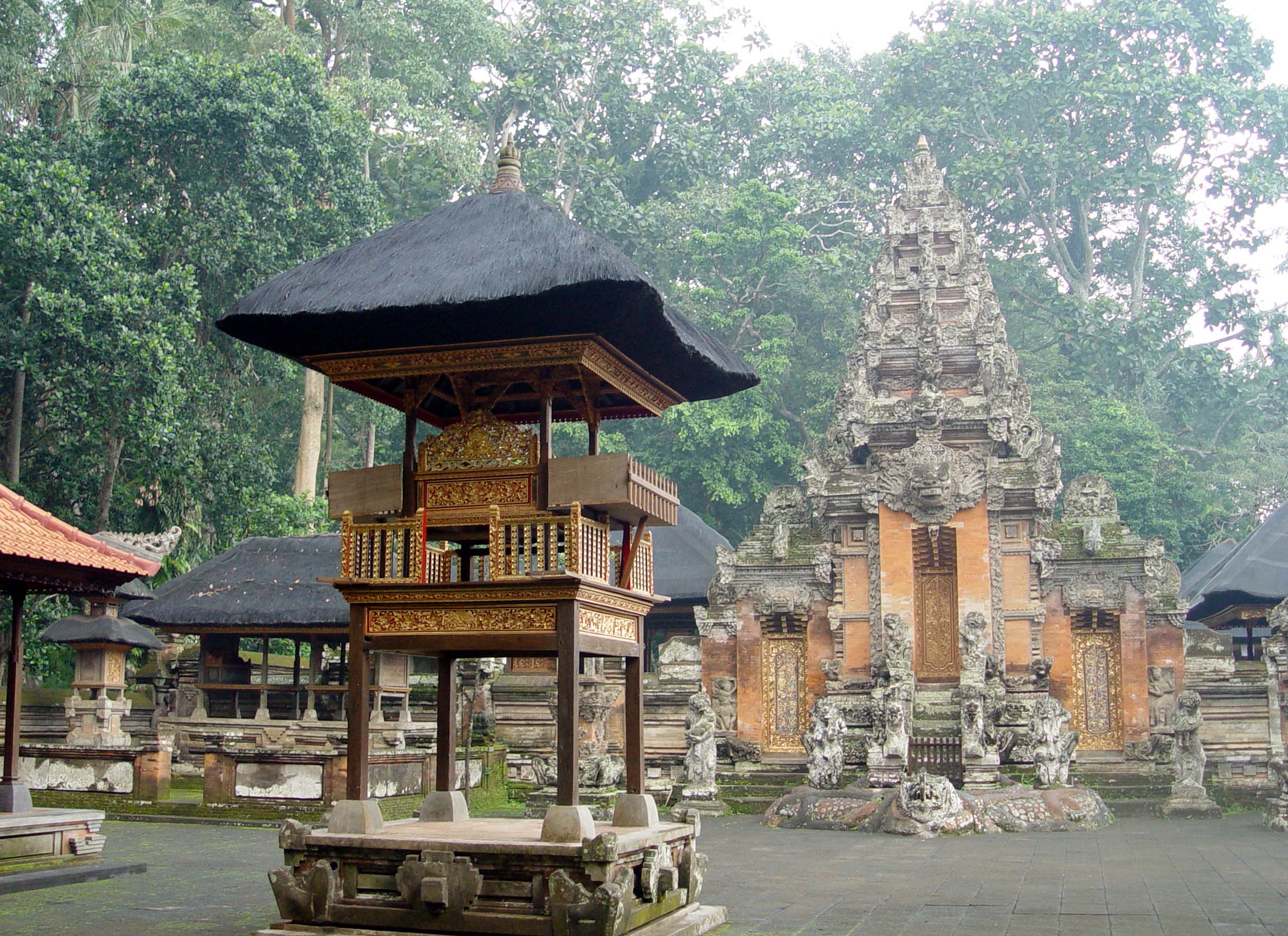
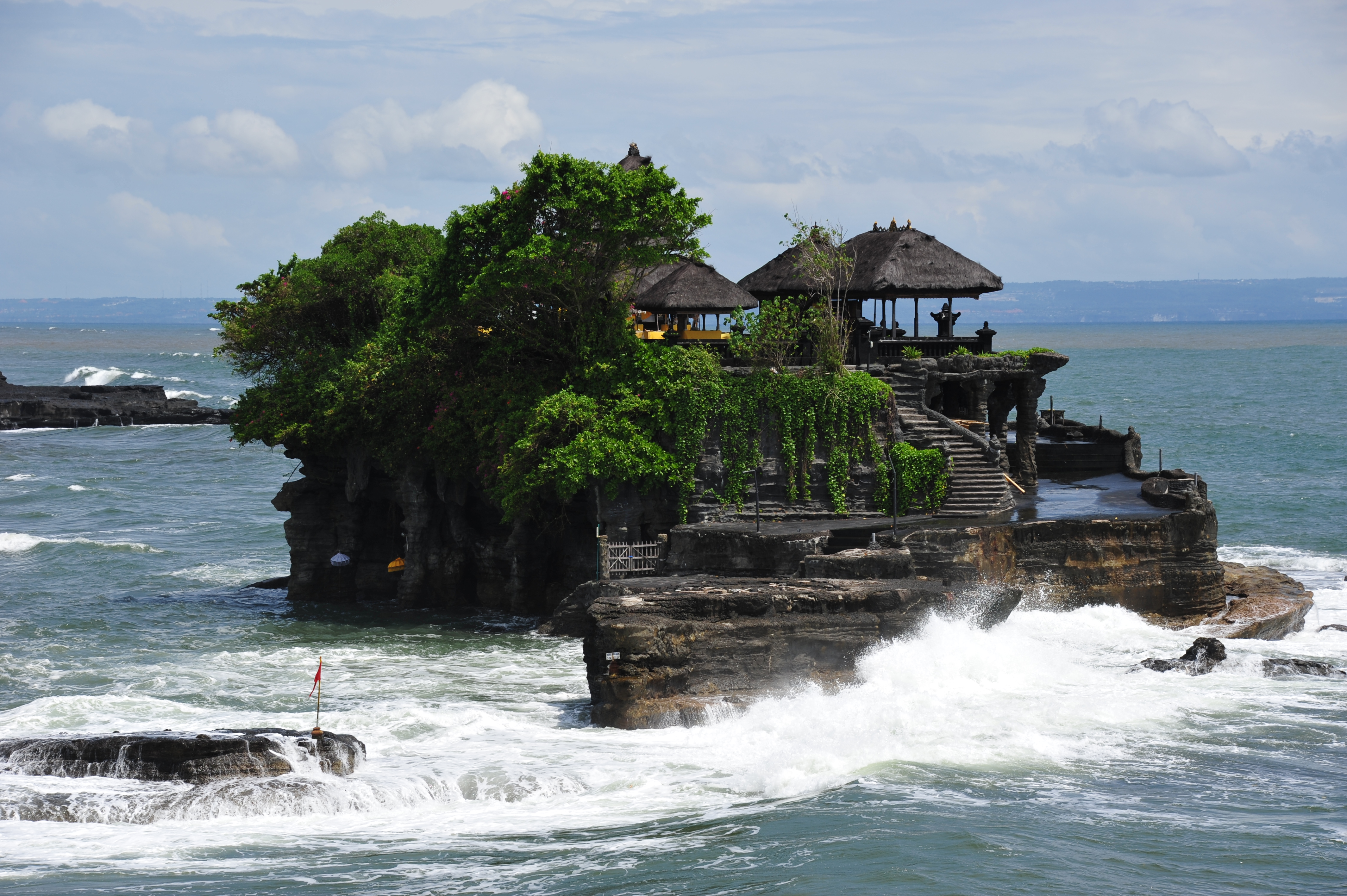
A Balinese temple, known locally as a pura, serves as a place of worship for followers of Balinese Hinduism. Unlike temples organised around congregational prayer, the pura functions as a focal point for communal worship structured through family groups, village associations, and ritual organisations. This distinctive approach means that worship here is participatory and community-centred rather than centred on individual devotion alone. The temple welcomes visitors, though understanding this communal framework helps guests appreciate the nature of worship they will observe.
Sacred Architecture and Design
The pura is built according to carefully prescribed principles of Balinese sacred architecture. Every element—spatial orientation, positioning of structures, and ceremonial spaces—follows established ritual regulations that are integral to the temple's spiritual function. These design principles are not decorative but foundational; the physical arrangement of the temple itself supports and enables the ceremonies performed within. Each component has been positioned with specific spiritual intention. Visitors should approach the temple grounds with awareness that the architecture embodies deep spiritual traditions and should be treated with corresponding respect.
Daily Rituals and Darshan
The temple maintains a structured daily schedule of rituals beginning in the early morning hours. Suprabhatam, an early morning ritual, occurs around 2:30 to 3:00 AM, followed by Thomala Seva between 3:30 and 4:00 AM. The First Archana takes place from 4:00 to 4:30 AM. General darshan—the viewing of the deity—is available from approximately 7:30 AM to 7:00 PM, allowing visitors to participate in the temple's spiritual life during daylight hours. An evening ritual, Sahasra Deepalankarana Seva, is performed between 5:30 and 6:30 PM. Night darshan continues from 8:00 PM until 12:30 AM for those who wish to visit during evening hours. These timings may vary on festival days, so visitors should confirm the current schedule before travelling.
Festivals and Observances
The temple celebrates festivals significant to Hindu tradition throughout the year. Holi, observed in March, and Chhath Puja, observed in November, are among the occasions marked with special ceremonies and increased activity. During festival periods, the temple's schedule may differ from regular daily timings, and the atmosphere will reflect heightened communal participation. Visitors planning to attend during a festival should contact the temple in advance to learn about any special arrangements or schedule changes.
Visiting the Temple: Etiquette and Practicalities
Visitors are welcome at the pura, though certain considerations apply. The temple's design and rituals reflect specific spiritual traditions, and guests should approach with respect for these practices. Dress modestly when visiting; this is standard practice at Hindu temples. Remove footwear before entering sacred spaces, as is customary. The temple operates throughout the day and into the night, offering flexibility for visits, though early morning hours are reserved for formal rituals. If you plan to participate in darshan or observe ceremonies, arriving during the designated darshan hours (7:30 AM to 7:00 PM) is most practical for visitors unfamiliar with the temple's rhythms. Be mindful that the temple is an active place of worship, not a museum, and conduct yourself accordingly.
Location and Access
The temple is located in Indonesia. Visitors should confirm the specific address and current access routes before travelling, as local conditions and transportation options may vary. Public transport connections and parking availability should be verified in advance. If you require accommodation or have specific accessibility needs, contact the temple directly to discuss available options.
How to reach
You may also visit
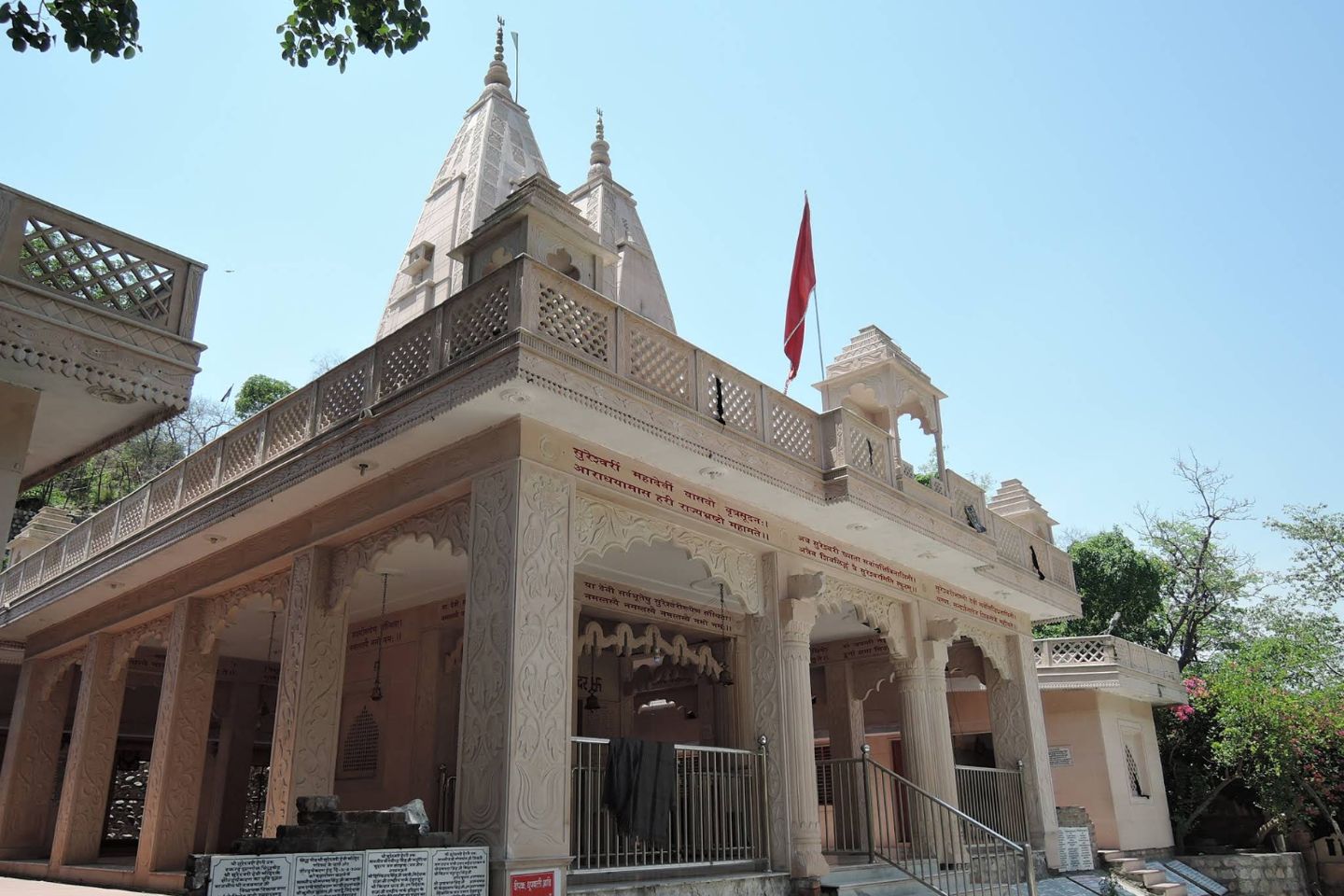
Sureshwari Devi Temple
Sureshwari Devi Temple in Haridwar is a forest shrine dedicated to the goddess, situated within the Ranipur Range area near Rajaji National Park, offering a secluded spiritual e…
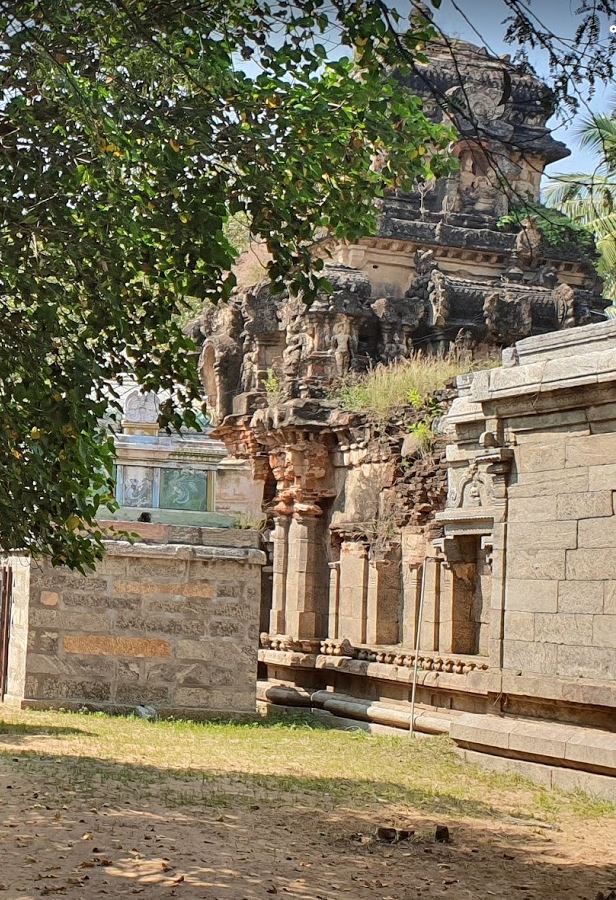
Agatheeswarar Temple, Karur
Agatheeswarar Temple in Thirumukkudalur, Karur district, is an ancient Hindu shrine dedicated to Shiva, situated at the sacred confluence of three rivers and believed to be over…

Shani Shingnapur
Shani Shingnapur is a renowned temple in Maharashtra dedicated to Lord Shani, featuring a self-emerged black stone idol worshipped under open sky. The temple is located in a uni…
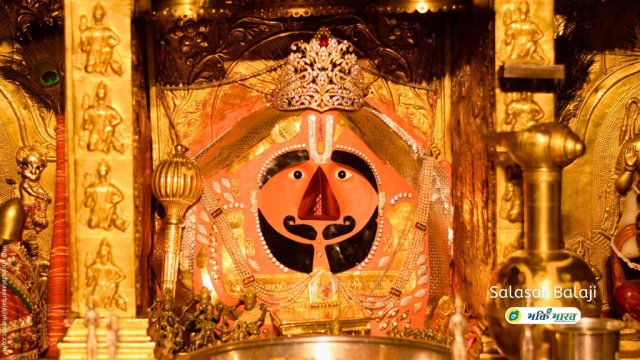
Salasar Balaji Temple
Salasar Balaji Temple in Churu district, Rajasthan, is a revered shrine dedicated to Lord Hanuman, distinguished by its unique depiction of the deity with a round face, beard, a…
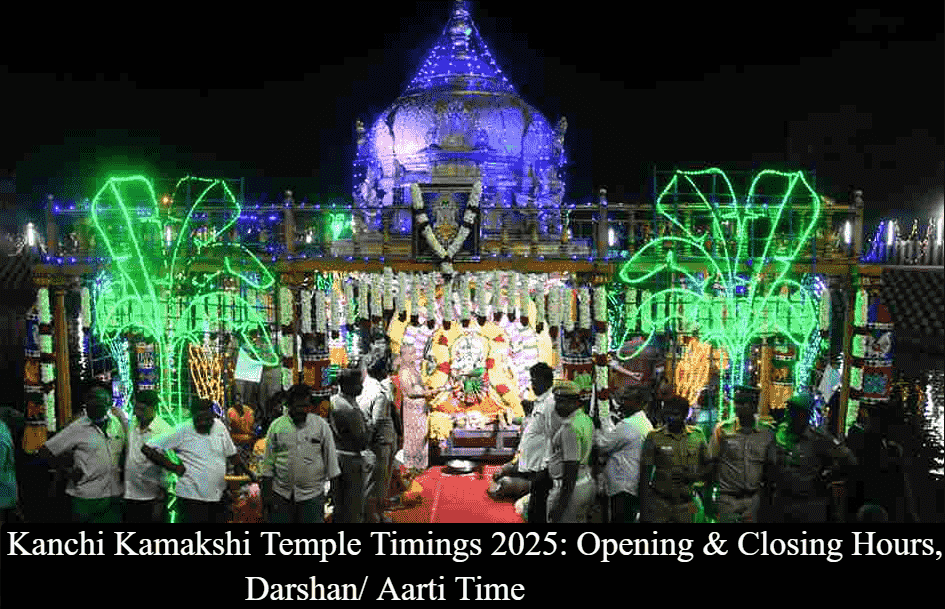
Kamaksha
Arulmigu Kamakshi Amman Temple in Mangadu, near Chennai, is dedicated to the goddess Kamakshi, an aspect of Adi Parashakti. According to legend, the goddess performed austeritie…
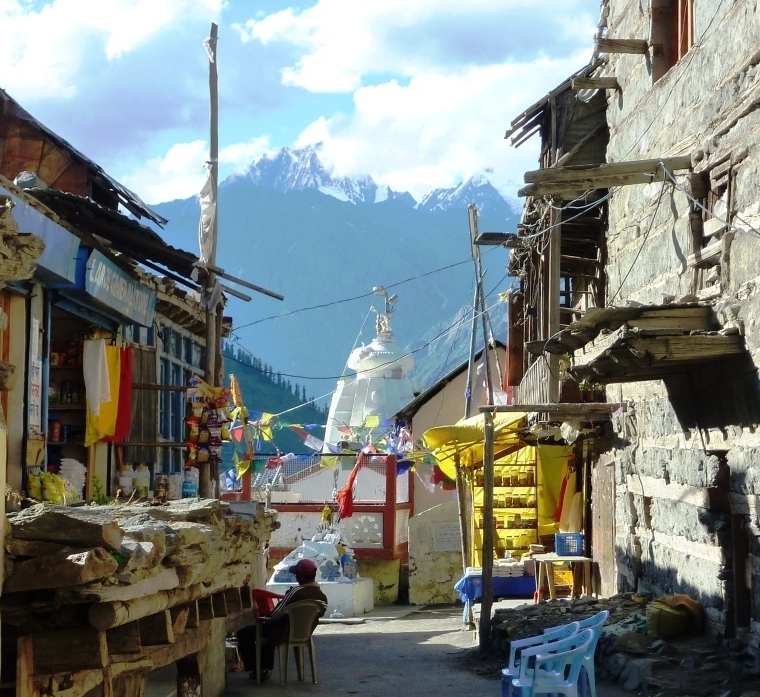
Trilokinath Temple at Tunde
The Trilokinath Temple in Tunde is an ancient shrine venerated by both Hindus and Buddhists, situated at 2,760 metres in the Lahul and Spiti District of Himachal Pradesh. Hindus…