Bade Hanuman Mandir
About Bade Hanuman Mandir
The temple opens at 5:00 AM and remains accessible until 10:00 PM, with darshan (viewing of the deity) available in two windows: morning from 5:00 to 12:00 and evening from 4:00 to 10:00 PM. Three daily aartis (ritual offerings) structure the temple's rhythm: the Mangala Aarti at 5:30 AM, the Sandhya Aarti at 7:00 PM, and the Shayan Aarti at 9:30 PM.
General darshan is free and open to all visitors. Wait times typically range from 10 to 30 minutes on ordinary days, though these vary considerably with season and time of day. Early morning hours between 5:00 and 7:00 AM and late evening between 7:00 and 9:00 PM tend to draw smaller crowds than midday. The temple's location at the Sangam means the ground can be wet or muddy, particularly after rain or during high water periods, so visitors should wear footwear suitable for these conditions.
Visiting Practicalities
The best time to visit is between October and March, when temperatures are moderate and the intense heat that characterizes Prayagraj during May and June is absent. The summer months make extended visits uncomfortable for many pilgrims.
Modest dress is customary at Hindu temples; loose, covered clothing is appropriate. Shoes are removed before entering the inner sanctum, as is standard practice. The temple's proximity to the river means conditions underfoot may be damp or slippery, so sturdy footwear that can be easily removed is advisable.
Timings may shift on festival days or due to special rituals, so verification with the temple before traveling is recommended. During the Kumbh Mela, expect vastly longer wait times and prepare accordingly with extra time and patience.
Festivals and Observances
The temple observes several festivals throughout the year. Vasant Panchami in January marks the onset of spring and includes worship of Saraswati. Chhath Puja in November brings worship of Surya (the sun). Ugadi or Gudi Padwa in March celebrates the Hindu New Year in the Deccan and Maharashtra traditions. The temple is notably busy and decorated during these periods.
The Kumbh Mela represents the most significant gathering at Prayagraj, drawing millions of devotees over several weeks. During these intervals, the Triveni Sangam becomes a focal point for ritual bathing, and the temple's location makes it a natural destination for Kumbh pilgrims navigating the sacred geography of the confluence.
Getting There
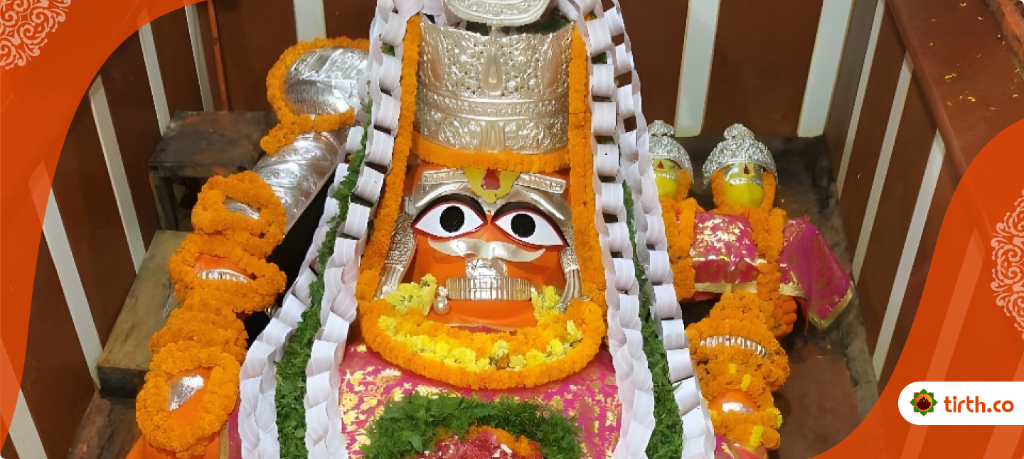
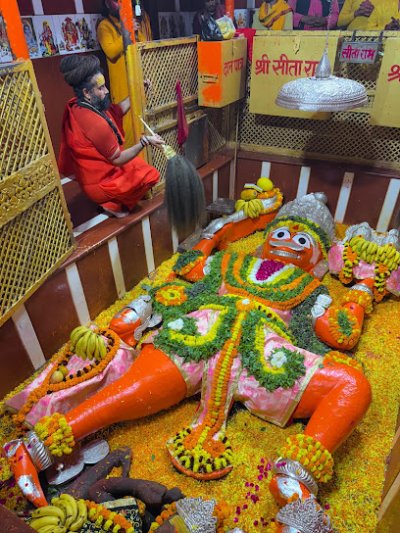
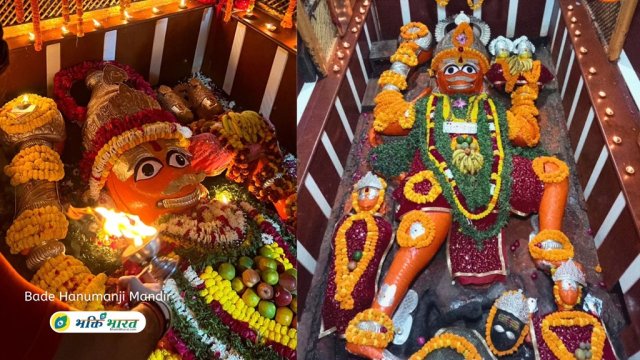
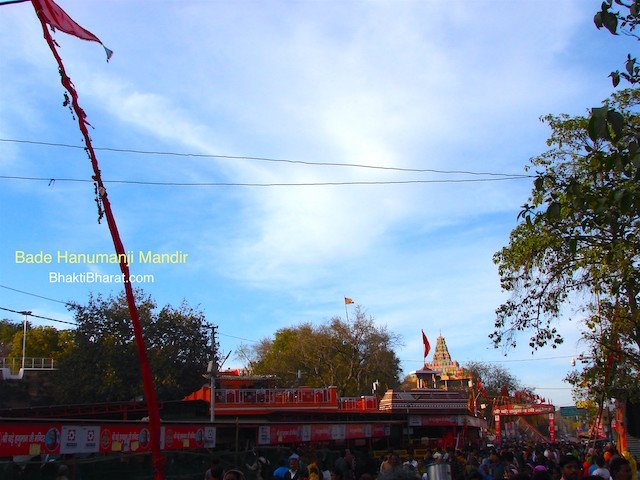
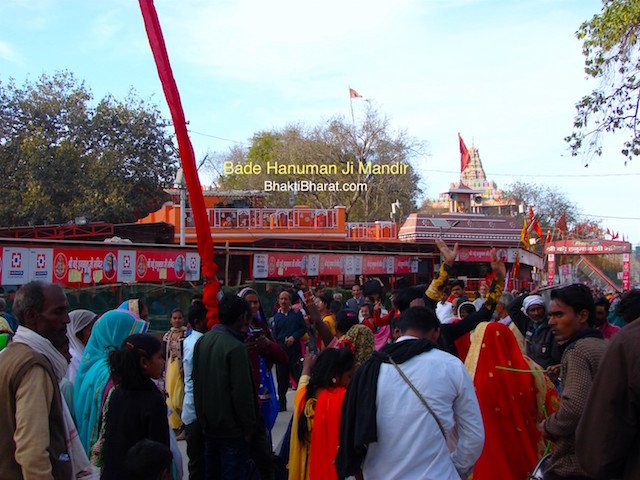
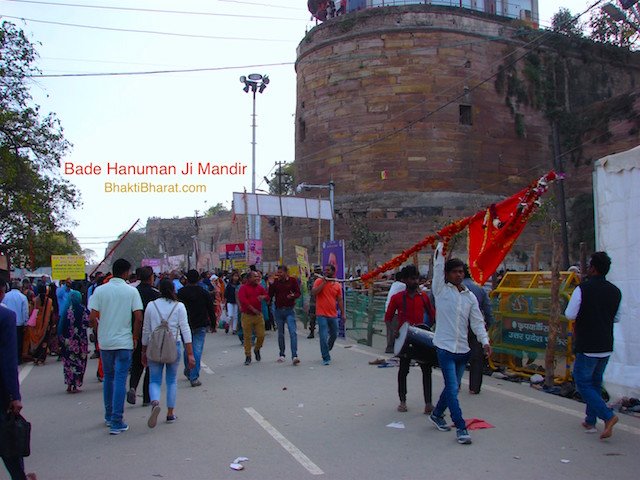
Prayagraj is well connected by rail and road to major Indian cities. The temple's address is near Sangam, Triveni Sangam, Prayagraj, Uttar Pradesh. The Triveni Sangam ghat itself lies within walking distance, making it practical to structure a visit to include both the reclining Hanuman idol and the broader sacred landscape of the confluence area.
How to reach
You may also visit
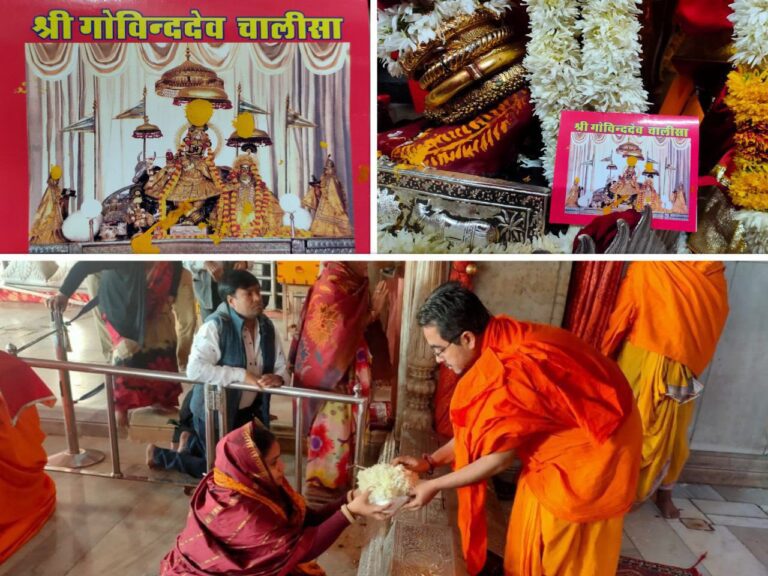
Kalyanji Temple
Kalyanji Temple in Jaipur's Chandpol Bazaar is approximately two centuries old and renowned for displaying the twenty-four avatars of Krishna, visible only twice yearly during Akha Teej and Patottsav festival.
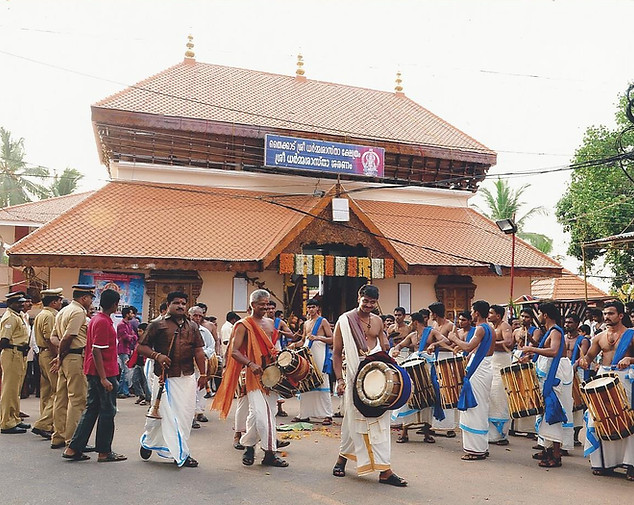
Sastha (Ayyappan) Temple
Sree Dharma Sastha Temple in Thycaud, Thiruvananthapuram, is a centuries-old shrine where the deity manifests as Dhanwanthari, the divine healer, holding the sacred blue lotus.

Govindarajaswamy Temple
Sri Govindarajaswamy Temple in Tirupati is an ancient Vaishnavaite shrine consecrated in 1130 AD by Saint Ramanuja, where the presiding deity rests in eternal Yoga Nidra on the serpent Adisesha.