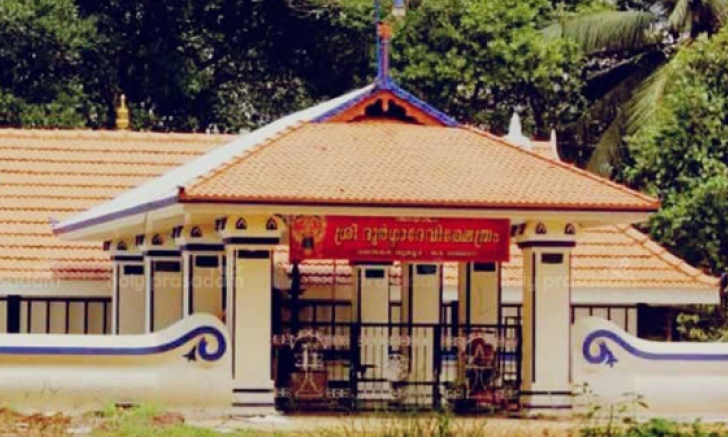
Azhakam Durga Devi Temple
About Azhakam Durga Devi Temple
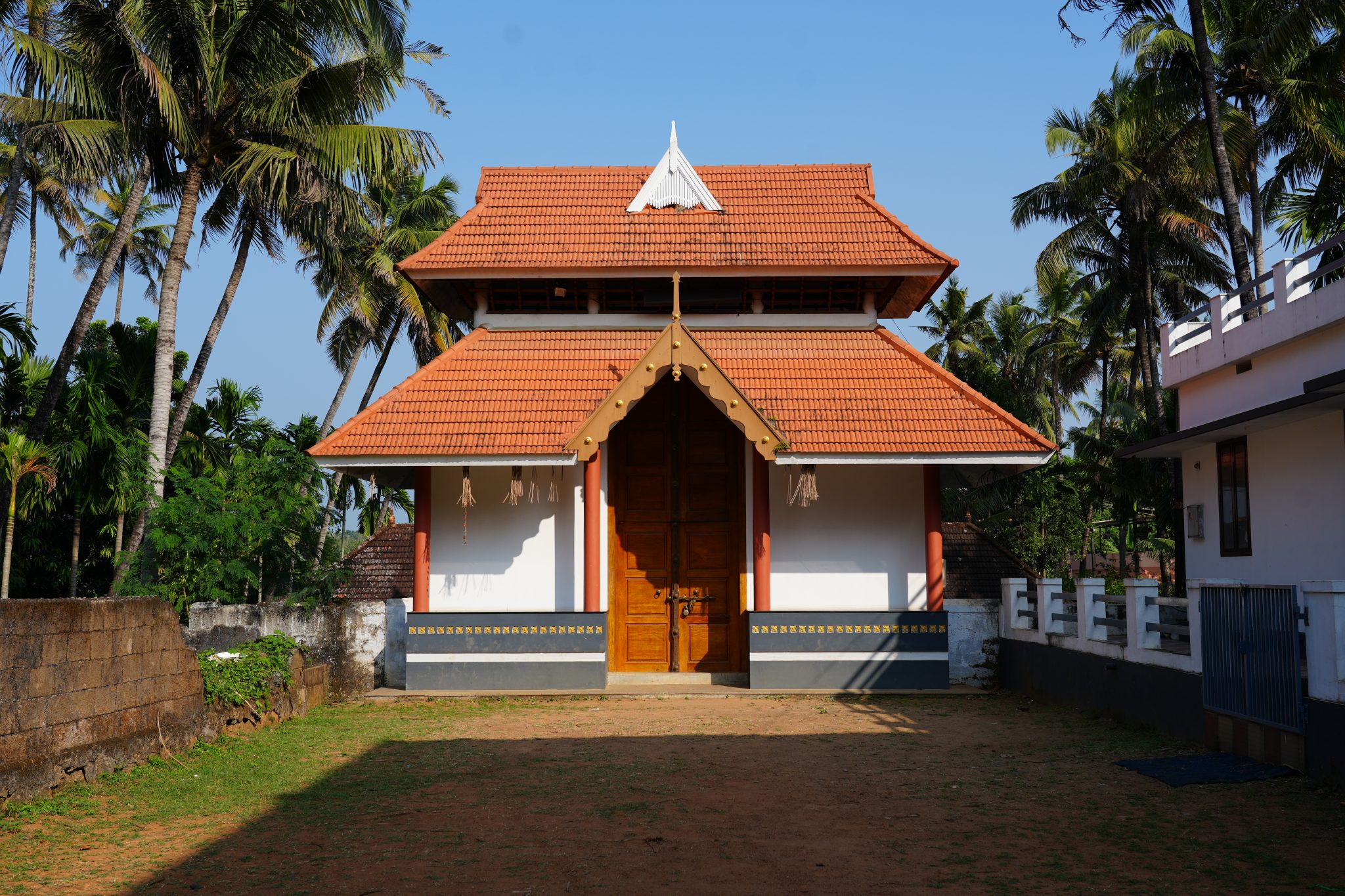
Built entirely of granite in a circular style, the temple represents a distinctive architectural approach to sacred space. The circular design of the vatta sreekovil (inner sanctum) is itself significant in Kerala's temple traditions, creating a unique spatial experience for those who approach the deity. The use of granite throughout the structure speaks to durability and the permanence of the sacred, materials chosen to withstand Kerala's tropical climate while maintaining the sanctity of the inner shrine.
The westward-facing sanctum is notable, as orientation carries ritual meaning in Hindu temple design. This directional choice influences the flow of worship and the timing of natural light within the sacred space, elements that devotees and priests alike consider integral to the temple's spiritual function.
Daily Worship and Rituals
The temple opens at 4:30 in the morning, welcoming early devotees with the Nada Thurakkal—the opening of the temple doors. The sequence of rituals that follows is carefully timed throughout the morning hours. At 4:40, the Nirmalyam (removal of previous offerings) takes place, followed by the Abhishekam at 4:50, in which the deity is ritually bathed and adorned. The Ashtadravya Ganapathy Homam begins at 5:30, a fire ritual honoring Ganapathy, the remover of obstacles.
The Usha Pooja at 6:00 marks the dawn worship, while the Ethrithu Pooja at 7:00 and Sreebeli at 7:15 continue the morning's devotional sequence. Later rituals include the Pantheeradi Pooja at 9:00, the Navaka Pooja at 10:00, and the Ucha Pooja at 10:30. The temple closes at 11:30 in the morning. This concentrated schedule of early-morning worship is typical of many Kerala temples, where the most significant rituals occur before sunrise and in the hours immediately following dawn.
Festivals and Observances
The temple celebrates Pratishtadinam, the anniversary of the deity's installation, observed during the month of Medam (mid-April to mid-May). During this same month, the Pongala festival takes place—a significant observance in which women gather to prepare an offering of rice, jaggery, and other ingredients in clay pots, a ritual unique to Goddess temples in Kerala.
Ayyappan Vilakku, the lighting of lamps dedicated to Lord Ayyappa, is observed during the month of Dhanu (mid-December to mid-January). These festivals draw devotees seeking the blessings of both the Goddess and the invisible presence of Ayyappa believed to reside within the temple.
Poojas and Offerings
The temple offers several poojas suited to different intentions and budgets. The Bhagavathy Seva, performed for prosperity, and the Kadum Payasam, an offering to propitiate the Goddess, are among the more substantial rituals available. For those seeking protection and clarity, the Neyvilakku (lamp offering) is performed with the intention of protecting vision and the eyes. Smaller offerings include the Pushpanjali (flower offering), the Bhagyasooktham Archana for improved fortune and wealth, and the Aikyamathiyasooktha Archana, which aims to bring peace and unity within families. Devotees can arrange poojas by contacting the temple directly via WhatsApp.
Visiting Information
The temple is located on Azhakam Road in Kodakara, Thrissur district, Kerala. Visitors should plan to arrive early if they wish to participate in the morning rituals, as the temple's primary worship occurs between 4:30 and 11:30 in the morning. Modest dress is customary when entering Hindu temples; women typically wear sarees or salwar kameez, while men wear dhotis or simple trousers and shirts. Shoes are removed before entering the sanctum. The temple follows the ritual protocols standard to Kerala's Durga temples, and visitors should observe silence and reverence within the sacred space. Photography policies may vary; it is respectful to ask permission before photographing the deity or inner sanctum.
How to reach
Temples near Azhakam Durga Devi Temple
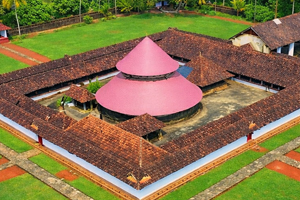
Mahadeva Temple, Avittathur
Mahadeva Temple in Avittathur is an ancient Shiva sanctuary over 2000 years old, traditionally believed to have been established by Sage Agastya and forming part of Kerala's rev…

Thottipal Bhagavati Temple
Thottipal Bhagavati Temple in Kodungallur, Thrissur, is one of 108 Devi temples traditionally installed by Parashurama. Destroyed during Tipu Sultan's attacks, it was restored i…
Thottipal Bhagavati Kshetram
Thottipal Bhagavati Temple is a historic Bhagavathi shrine in Thrissur District, Kerala, believed to be one of 108 Devi temples established by Parashurama. The temple was destro…
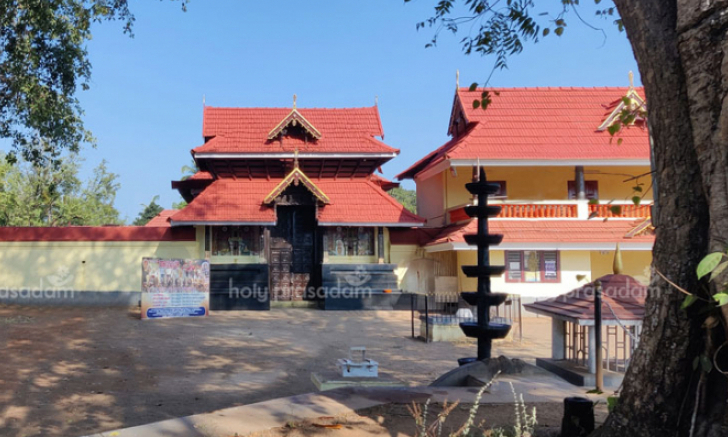
Arattupuzha Temple
Arattupuzha Pathisserila Devi Temple is an ancient Hindu shrine in Alappuzha district, Kerala, dedicated to Bhadrakali. The goddess's crown is displayed for darshan only twice y…
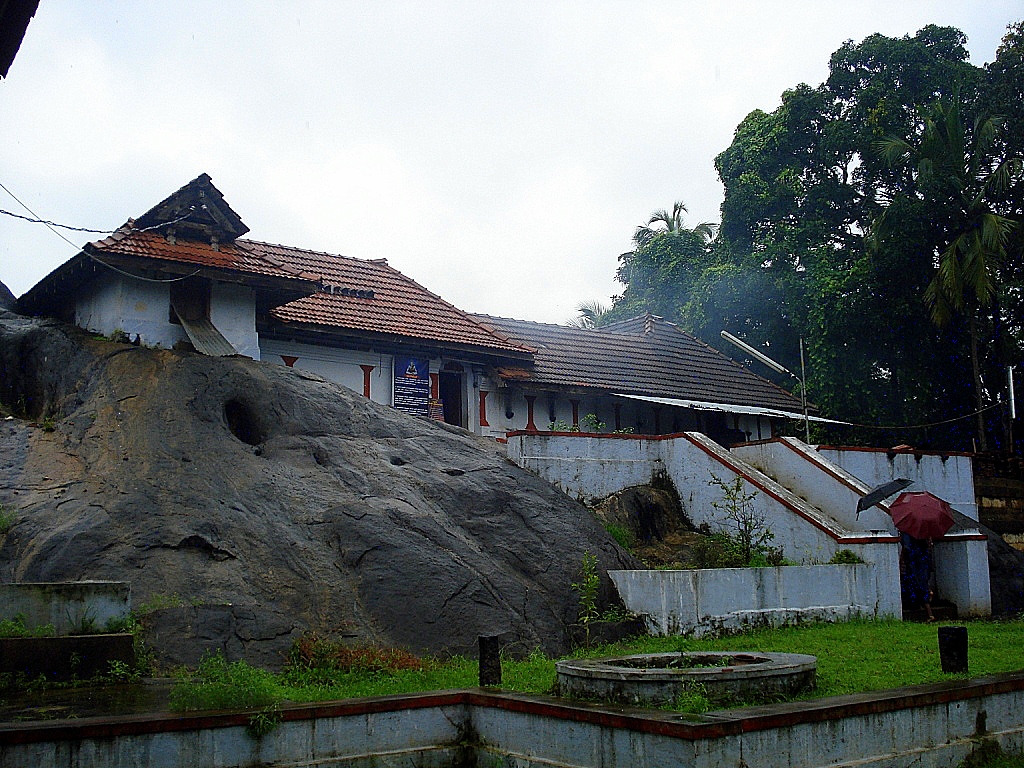
Thrikkur Mahadeva Temple
Thrikkur Mahadeva Temple is an ancient rock-cut cave shrine dedicated to Lord Shiva, believed to date from the 7th or 8th century and situated 200 feet above ground on the banks…
Chitichathakudam Sri Dharmashastakshetra
Sabarimala Sree Dharma Sastha Temple, dedicated to Lord Ayyappa, is the most prominent Sastha temple in Kerala and a major pilgrimage destination.