Thrikkur Mahadeva Temple
About Thrikkur Mahadeva Temple
The temple follows a structured daily ritual schedule. Nirmalyam (removal of offerings from the previous day) begins at 4:30 AM, followed by Usha Pooja (dawn worship) at 6:00 AM. The midday ritual, Ucha Pooja, takes place at 12:00 PM, and the evening worship, Athazha Pooja, occurs at 7:30 PM. These timings reflect the traditional Kerala temple practice of marking the day's sacred hours with formal worship.
Visitors wishing to participate in or witness these rituals should plan their visit accordingly. The early morning hours offer a quieter atmosphere for those seeking a more meditative experience, while the evening pooja provides another opportunity for darshan.
Visiting the Temple
The best time to visit is between October and March, when Kerala's climate is cooler and more comfortable for travel and outdoor exploration. The temple is located in Trikkur village, approximately 10 kilometers from Thrissur city in Thrissur District.
By road, Thrissur is well-connected to major towns in Kerala via state transport buses and private taxis. The nearest railway station is Thrissur Railway Station, roughly 10 kilometers away, from which local transport can be arranged to reach the temple. Visitors should dress modestly, as is customary when entering Hindu temples—covered shoulders and knees are generally expected. Shoes are typically removed before entering the sanctum sanctorum. As with most temples, it is respectful to move quietly and avoid photography in areas where worship is taking place unless explicitly permitted.
The Temple's Architecture and Setting
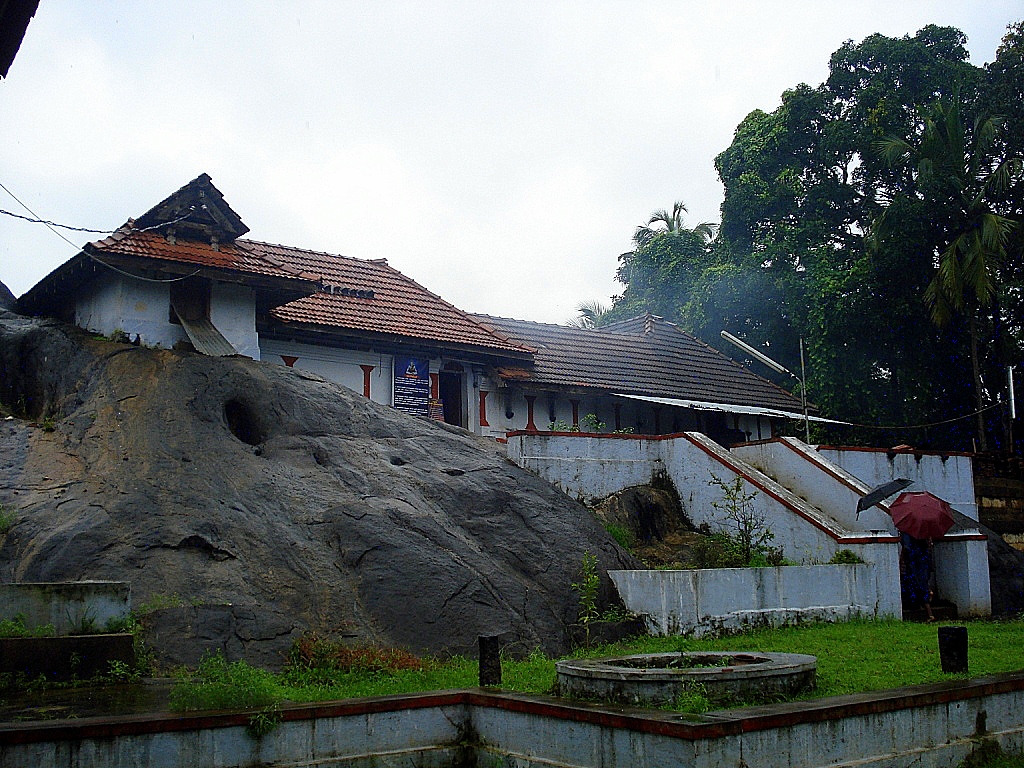
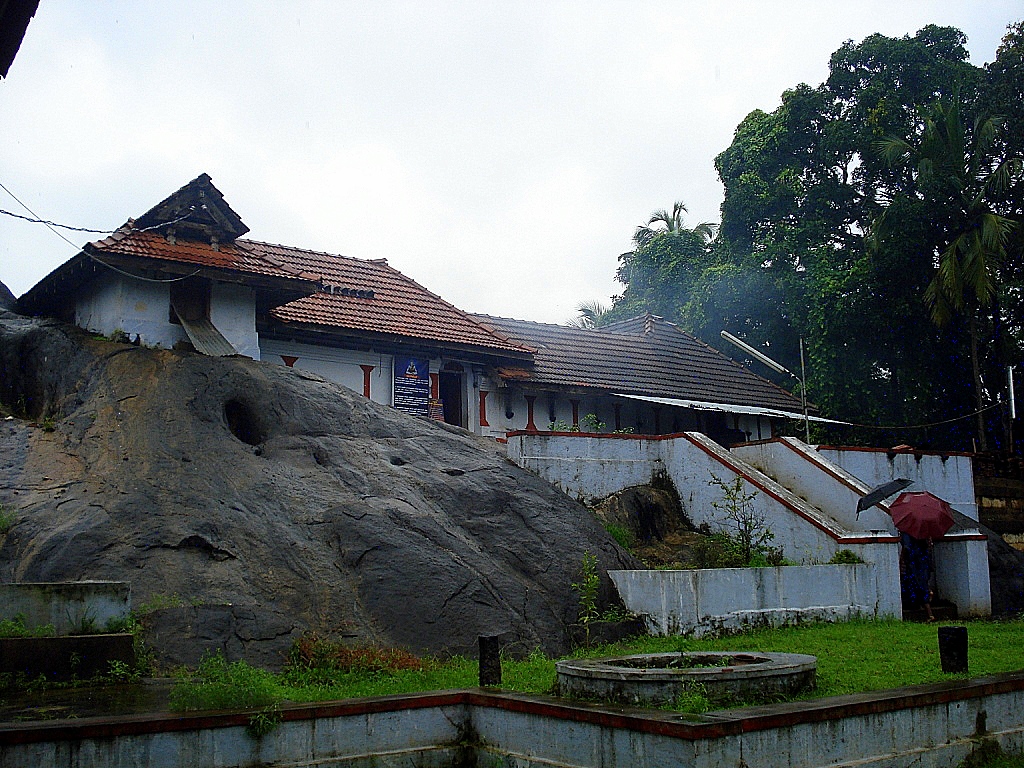
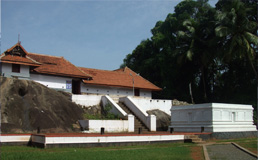
Built in the traditional Kerala architectural style, the temple features a circular sreekovil (inner sanctum) with a copper-plated roof. The rock-cut cave construction is the defining feature of this temple, distinguishing it from the more common structural temples found throughout Kerala. The natural rock formation that houses the deity creates an intimate and austere worship space quite different from temples with elaborate stone or wooden superstructures.
The hilltop location and surrounding landscape contribute to the temple's character as a place of relative seclusion and tranquility, despite its proximity to Thrissur city.
Festivals and Observances
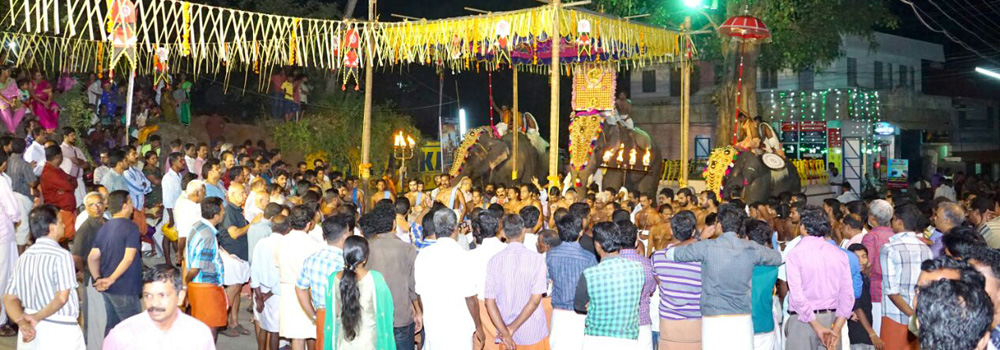
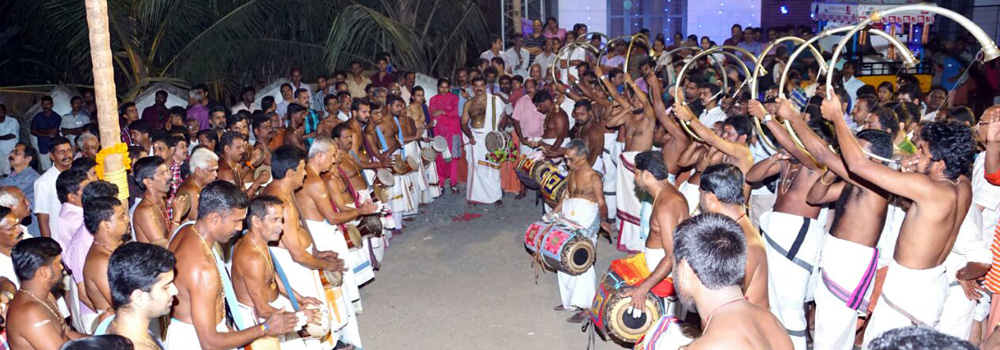
The temple observes Thiru Utsavam (the temple's annual festival), which typically falls in January. This festival brings together devotees for celebrations that honor the presiding deity. The exact dates vary from year to year according to the Malayalam calendar, so visitors planning to attend should confirm the current year's schedule in advance.
How to reach
You may also visit
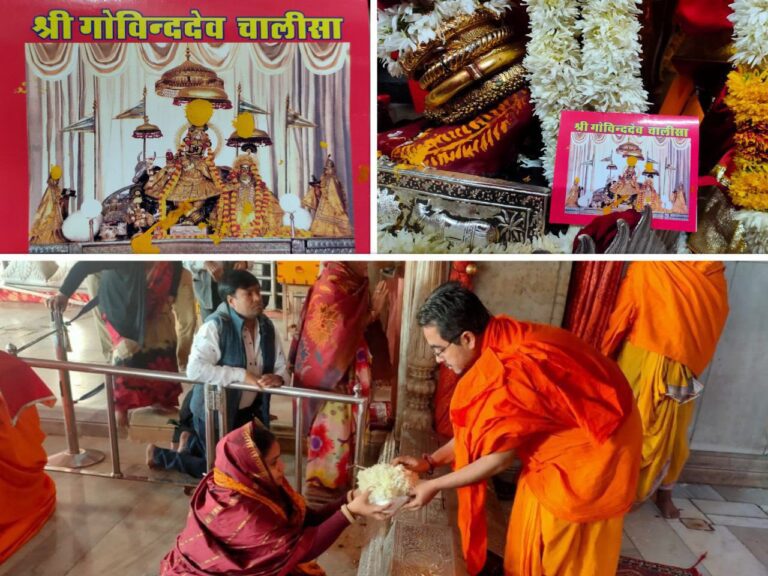
Kalyanji Temple
Kalyanji Temple in Jaipur's Chandpol Bazaar is approximately two centuries old and renowned for displaying the twenty-four avatars of Krishna, visible only twice yearly during Akha Teej and Patottsav festival.
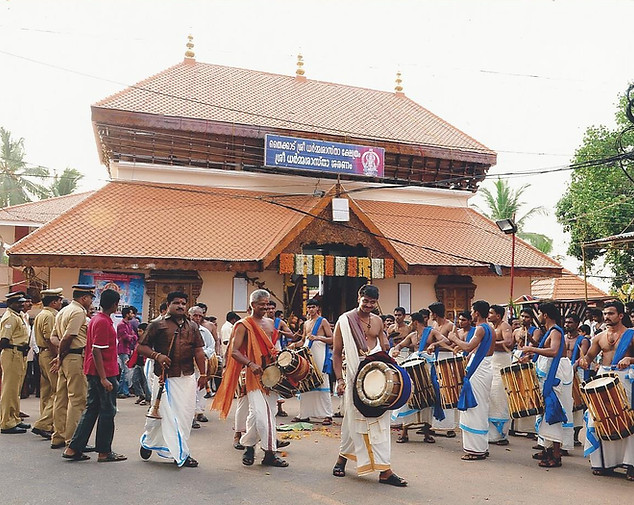
Sastha (Ayyappan) Temple
Sree Dharma Sastha Temple in Thycaud, Thiruvananthapuram, is a centuries-old shrine where the deity manifests as Dhanwanthari, the divine healer, holding the sacred blue lotus.
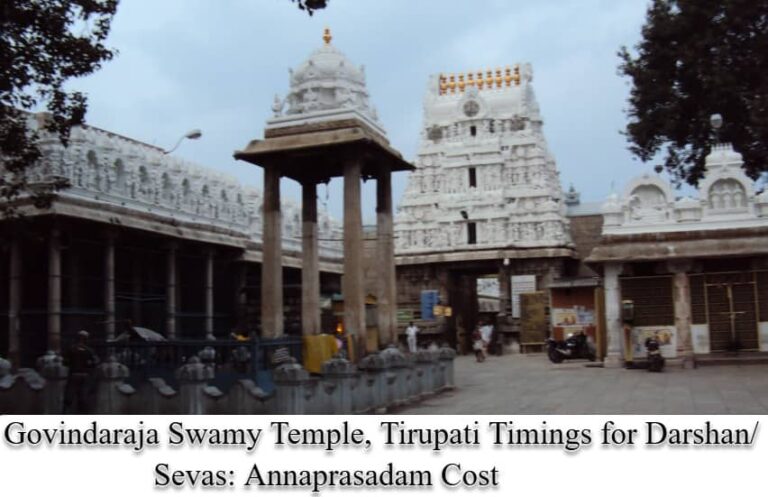
Govindarajaswamy Temple
Sri Govindarajaswamy Temple in Tirupati is an ancient Vaishnavaite shrine consecrated in 1130 AD by Saint Ramanuja, where the presiding deity rests in eternal Yoga Nidra on the serpent Adisesha.