Ashtamichira Temple
About Ashtamichira Temple
The temple's present form reflects the contributions of two significant patrons across two centuries. In the 16th century, Maloji Bhosale, grandfather of the renowned Chhatrapati Shivaji Maharaj, undertook the first major reconstruction of the temple. Later, in the 18th century, Queen Ahilyabai Holkar rebuilt the structure in the form that stands today, making her patronage instrumental in creating the temple visitors encounter now.
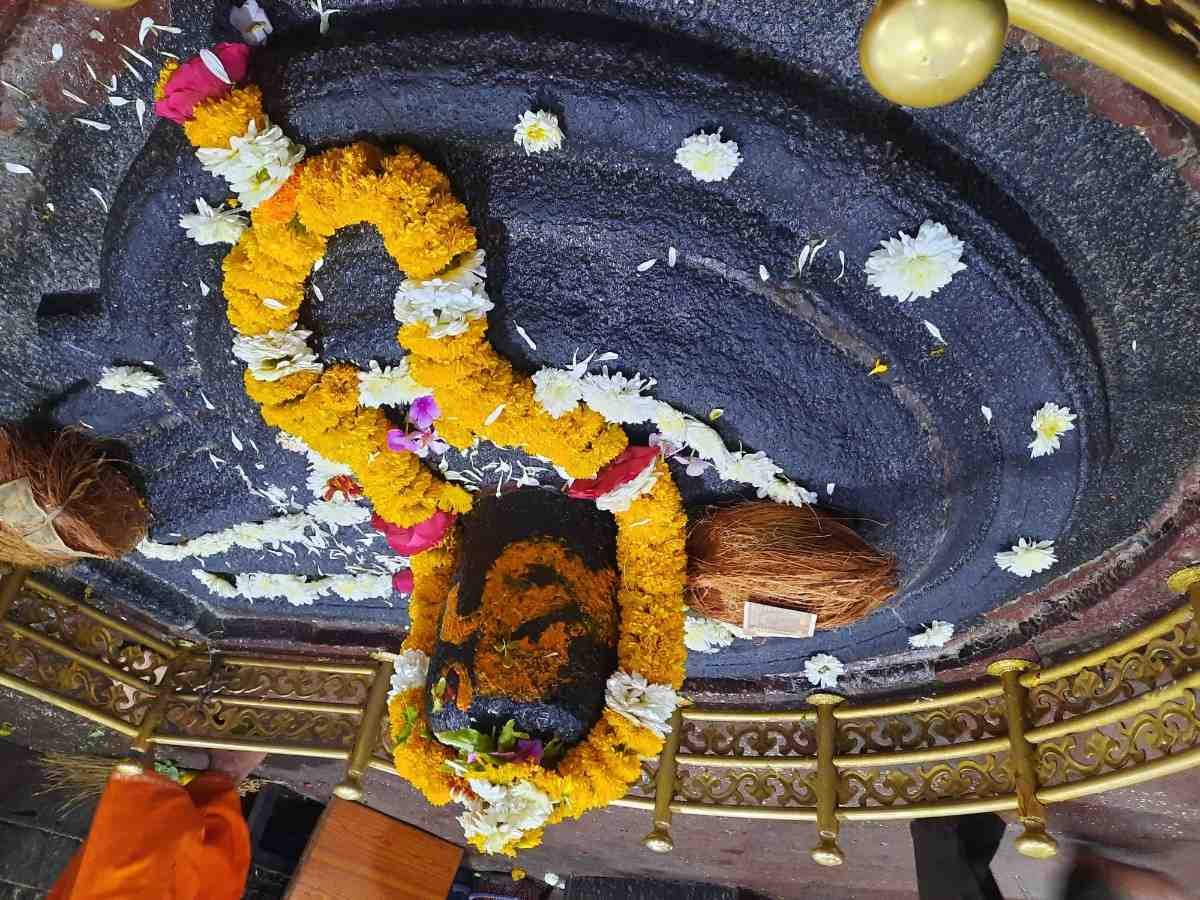
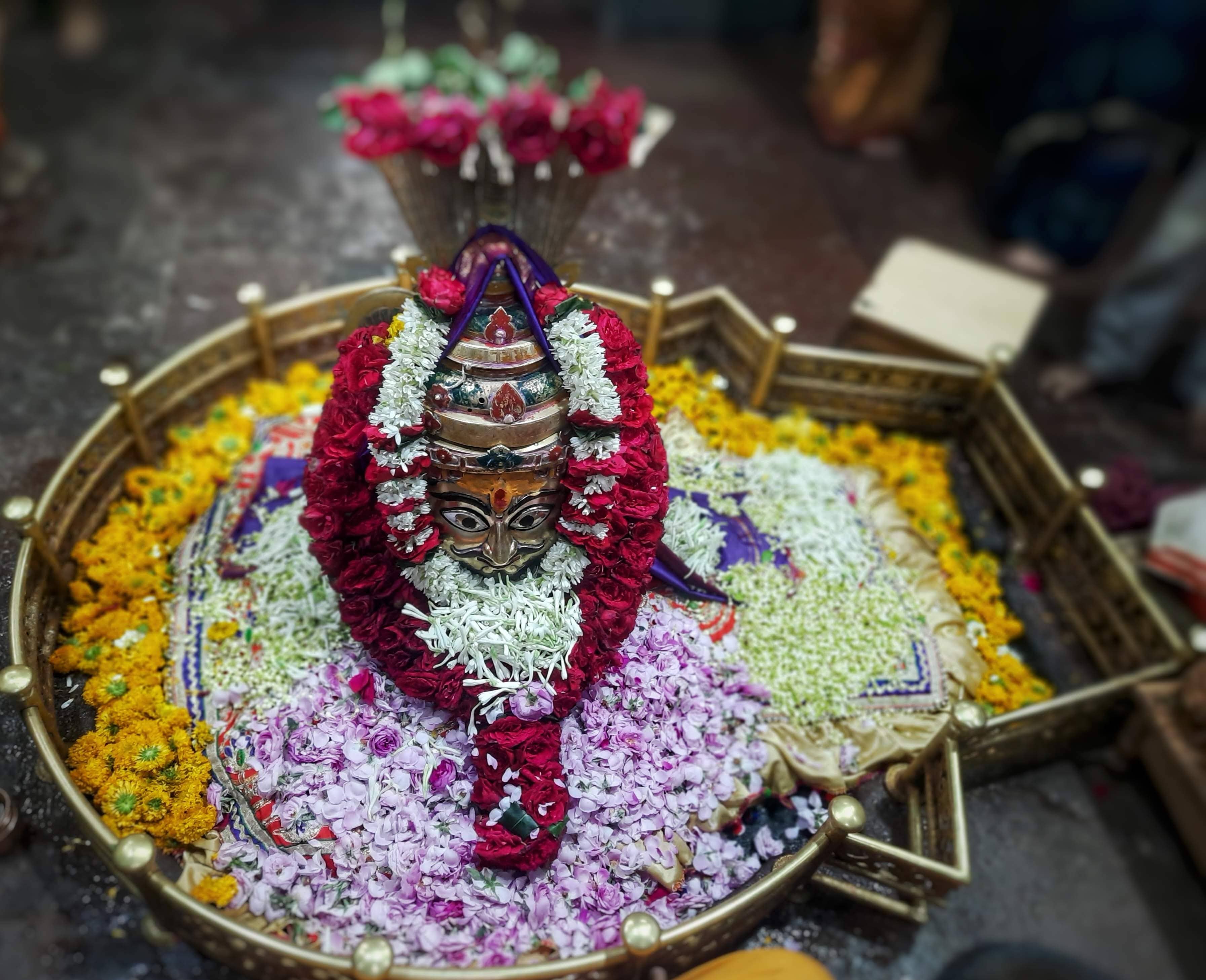
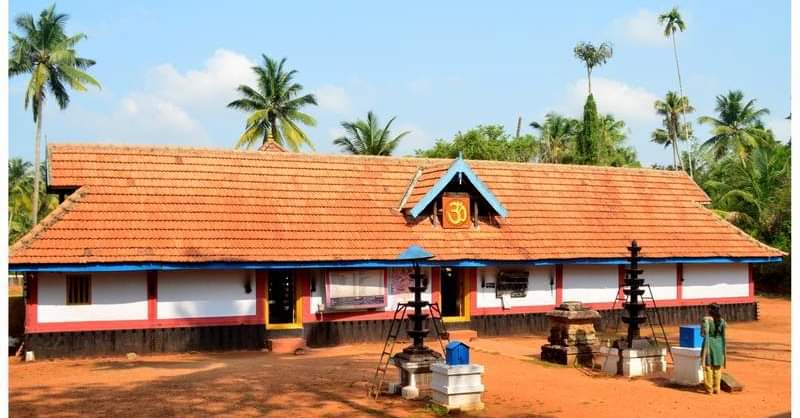
The architecture follows a South Indian style, an unusual choice for Maharashtra that gives the temple its distinctive character. Built across 44,000 square feet using red stone with golden finishing, the temple showcases skilled craftsmanship in its design. The inner sanctum, or Garbhagriha, houses the sacred Shivling. At the entrance stands a Nandi statue, the bull sacred to Lord Shiva. The walls and pillars are adorned with carved representations of Lord Shiva, Goddess Parvati, and other divine figures, creating a visual narrative of Hindu devotional art.
Daily Worship and Darshan
The temple maintains a structured daily schedule that allows devotees to participate in sacred rituals. Darshan—the viewing of the deity—is available in two sessions: morning from 05:30 to 12:00, and evening from 13:00 to 21:00. Three aartis (ritual offerings of light) punctuate the day: the morning aarti at 05:00, the bhog aarti at 12:00, and the evening aarti at 20:00. These ceremonies represent moments of heightened spiritual connection when the entire temple community gathers in worship.
Devotees typically arrive during early morning hours to participate in the morning aarti and perform their personal prayers. The temple's opening at 05:30 allows those who wish to begin their day with worship to do so. The midday break from 12:00 to 13:00 provides time for temple maintenance and rest. Evening hours draw those whose daily schedules permit worship after work or other commitments.
Visiting Information and Etiquette
Visitors should plan their visit according to the darshan timings, keeping in mind that the temple closes between 12:00 and 13:00. Modest dress is customary when entering Hindu temples; remove footwear before entering the sanctum. Photography policies may vary, so inquire with temple staff before taking images. The temple grounds span a substantial area, so allow adequate time for your visit, particularly if you wish to observe an aarti or spend time in prayer.
The temple's location in Verul village places it within reach of Aurangabad city. The nearby Ellora Caves, a UNESCO World Heritage Site located just 2 kilometers away, make it convenient to combine a temple visit with exploration of these ancient rock-cut monuments. Other nearby attractions include Daulatabad Fort (13.9 km away) and the Aurangabad Caves (25 km away), allowing visitors to structure a multi-day itinerary around the region's historical and spiritual sites.
Reaching the Temple
Aurangabad serves as the primary gateway to the temple. The city is accessible by air, rail, and road from major Indian cities. From Aurangabad, Verul village and the temple are reached by local transport. Visitors arriving at Aurangabad Airport or Railway Station can arrange taxis or use local transportation services to reach the temple. The journey from Aurangabad city center takes approximately 30 kilometers, making it a manageable day trip or part of a longer regional visit.
How to reach
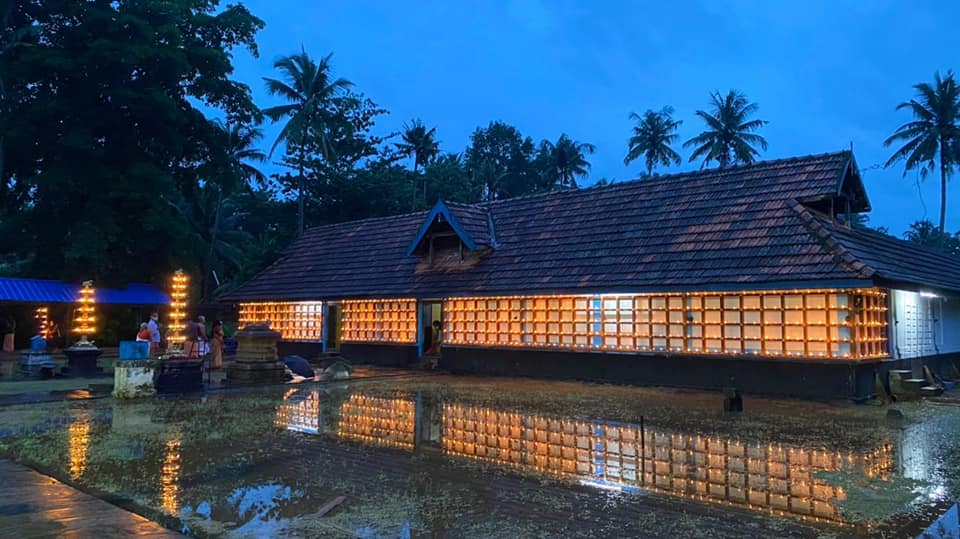
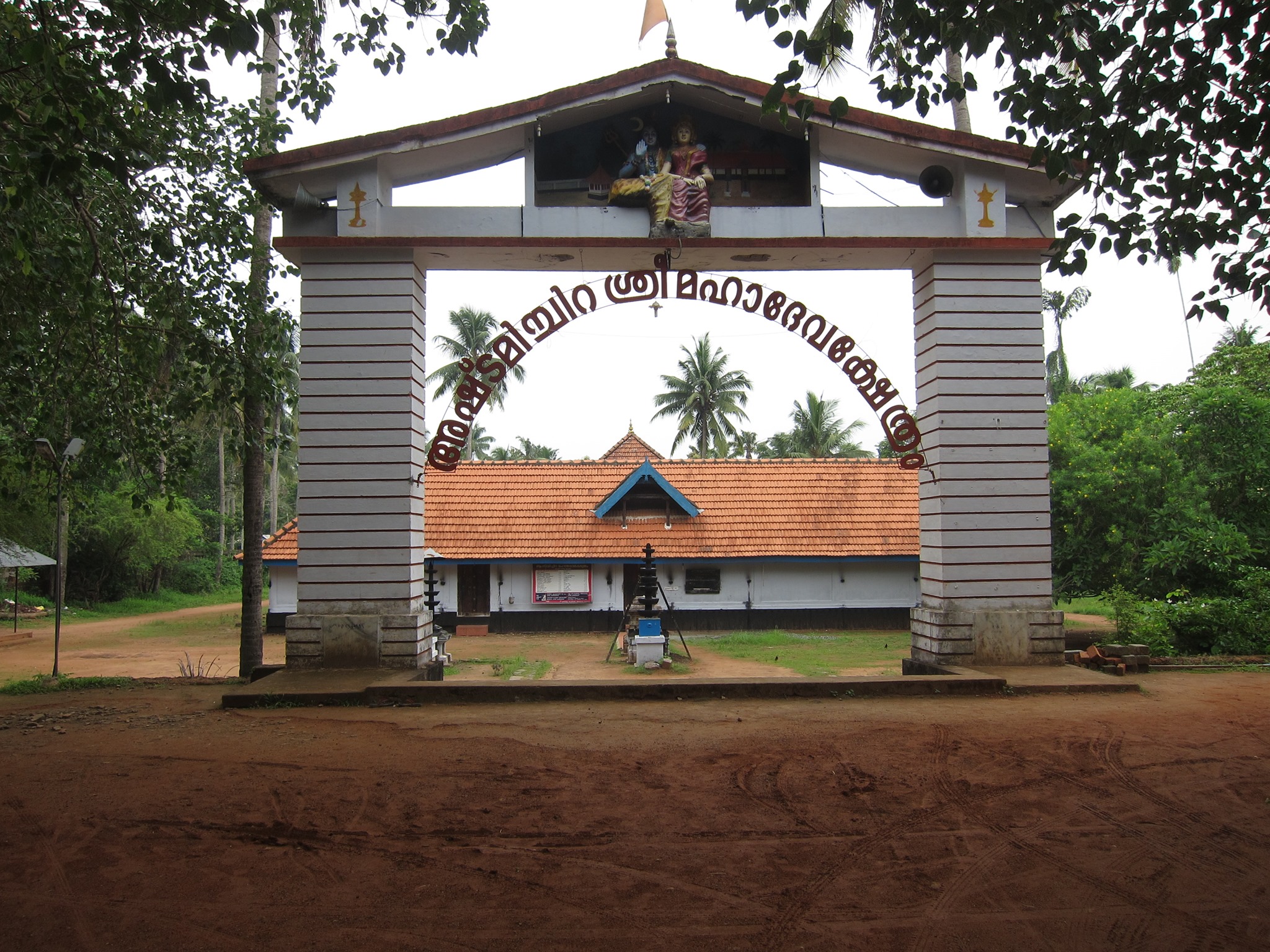
Temples near Ashtamichira Temple
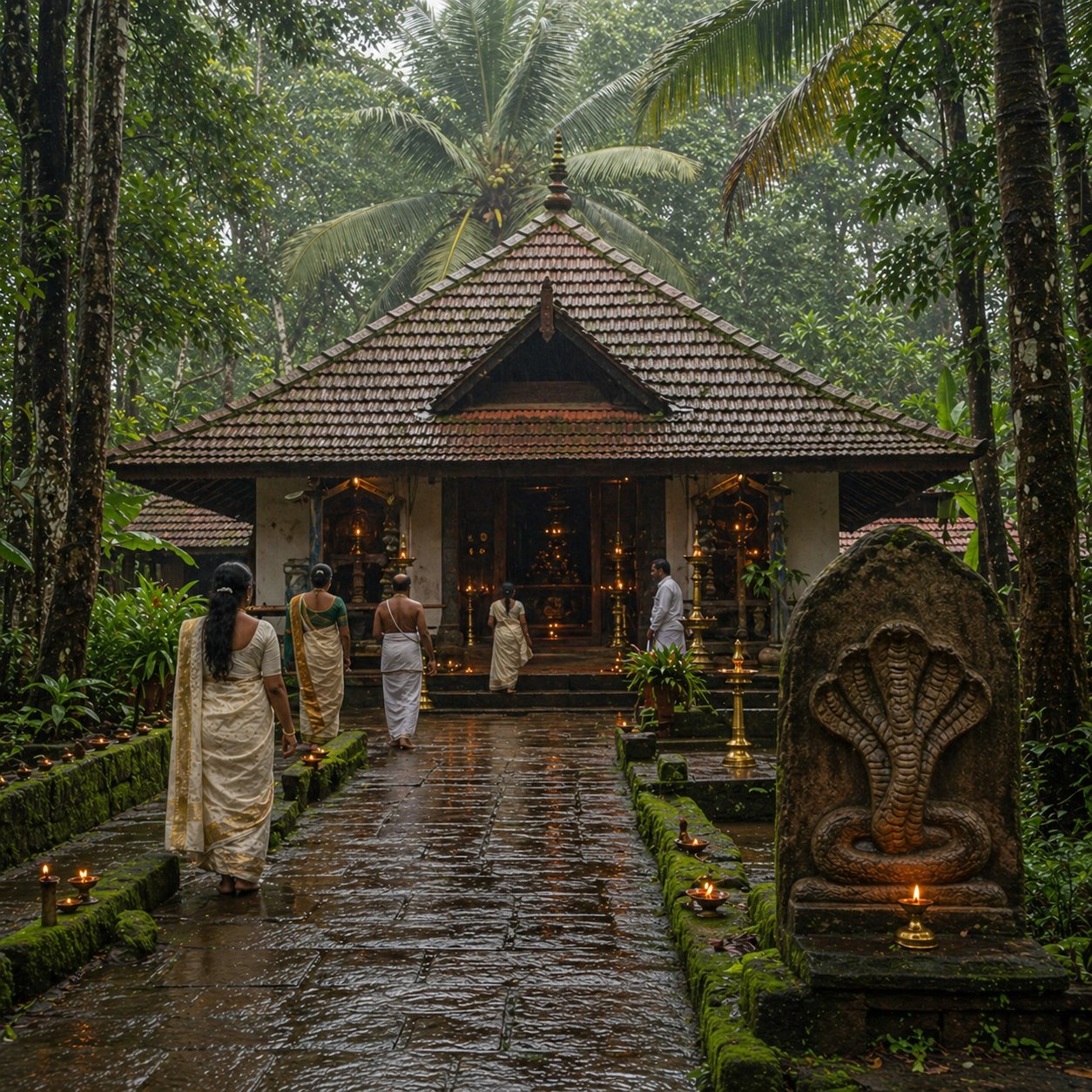
Pambummekkatu Mana
Pambummekkatu Mana is an ancient serpent temple in Vadama, Kerala, where Nagaraja and Nagayakshi are worshipped without physical idols—instead, daily rituals are performed befor…
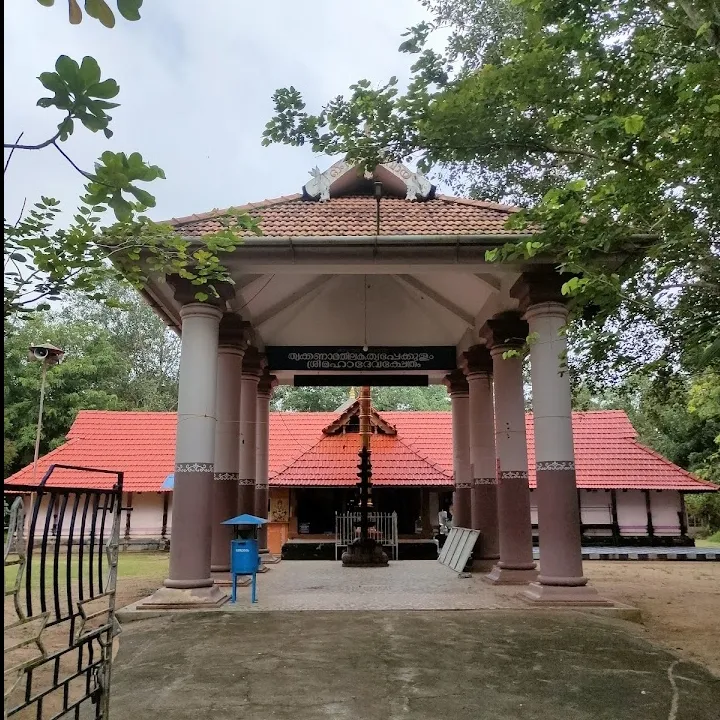
Thruppekkulam Shiva Kshethram
Thruppekkulam Shiva Kshethram is a Shiva temple located in Kerala, India, dedicated to Lord Shiva.
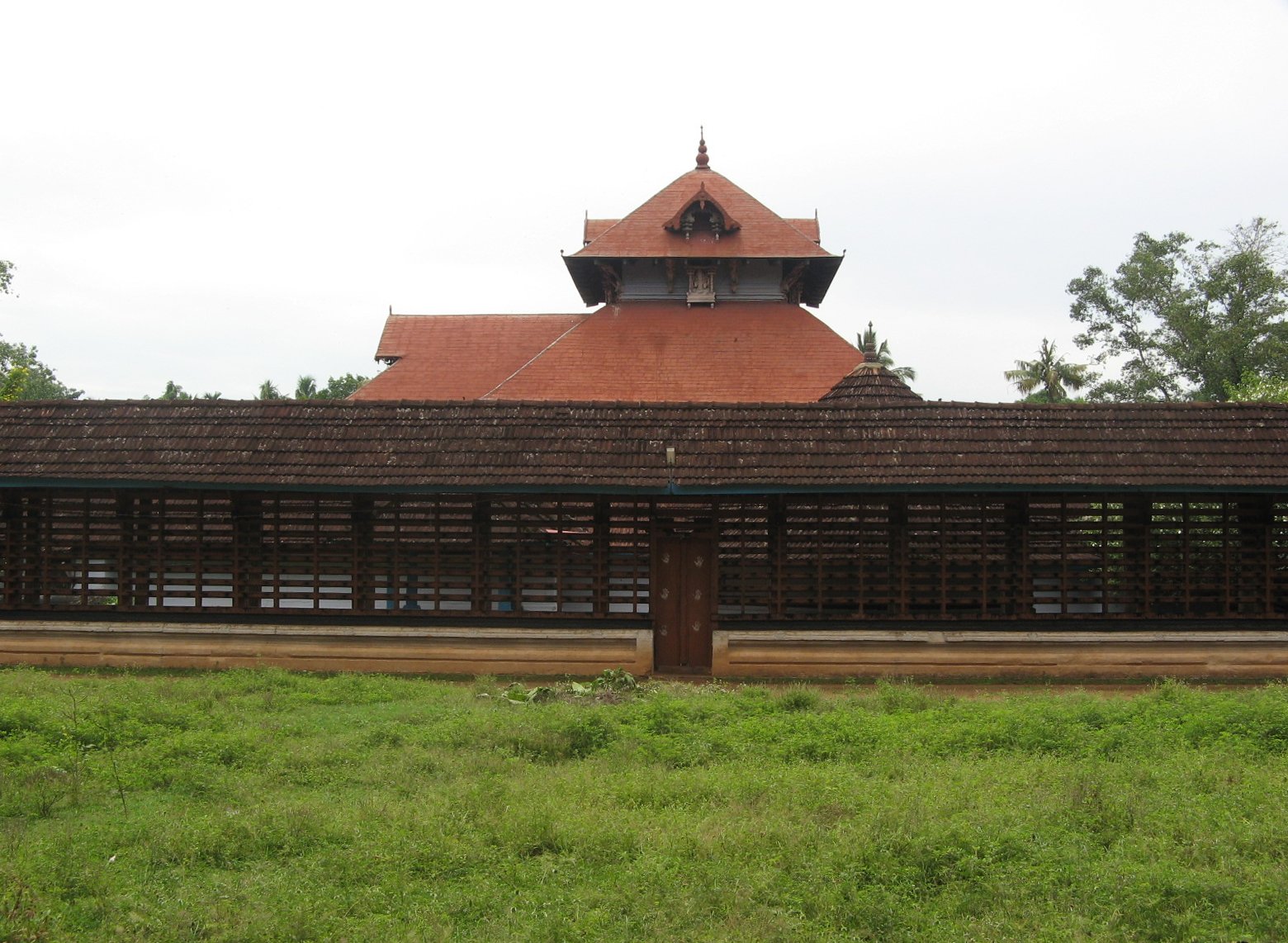
Annamanada Mahadeva Temple
Annamanada Mahadeva Temple in Thrissur, Kerala is a revered shrine dedicated to Lord Shiva, believed to be one of the 108 ancient temples consecrated by Sage Parashurama. The te…
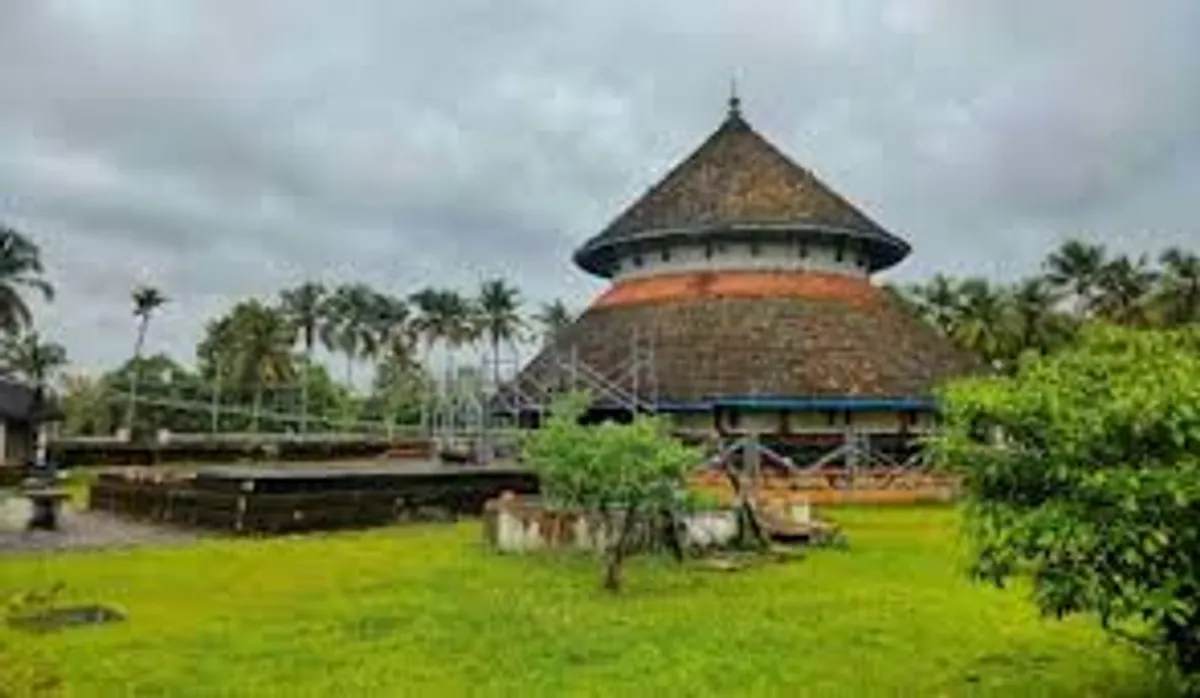
Iranikulam Mahadeva Temple
Iranikulam Sree Mahadeva Temple is an ancient shrine in Thrissur district, Kerala, traditionally attributed to sage Parasurama and believed to be one of the 108 Shiva temples of…
Mahadeva Temple, Avittathur
Mahadeva Temple in Avittathur is an ancient Shiva sanctuary over 2000 years old, traditionally believed to have been established by Sage Agastya and forming part of Kerala's rev…
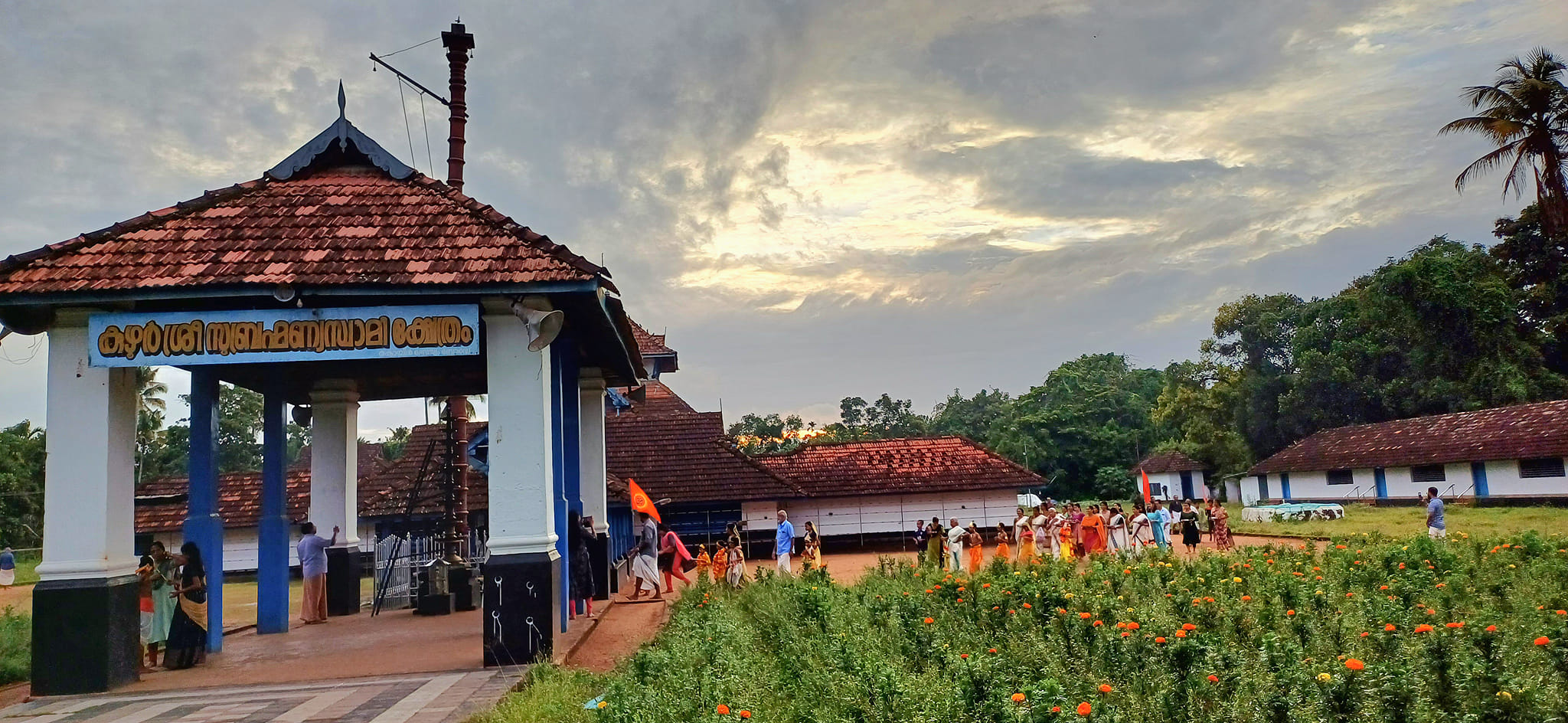
Kuzhur Sri Subrahmanyaswamy Temple
Sree Subramanya Swamy Temple in Kuzhur, Kerala is a revered shrine dedicated to Murugan, established by Namboothiri Brahmins and featuring traditional Kerala temple architecture…