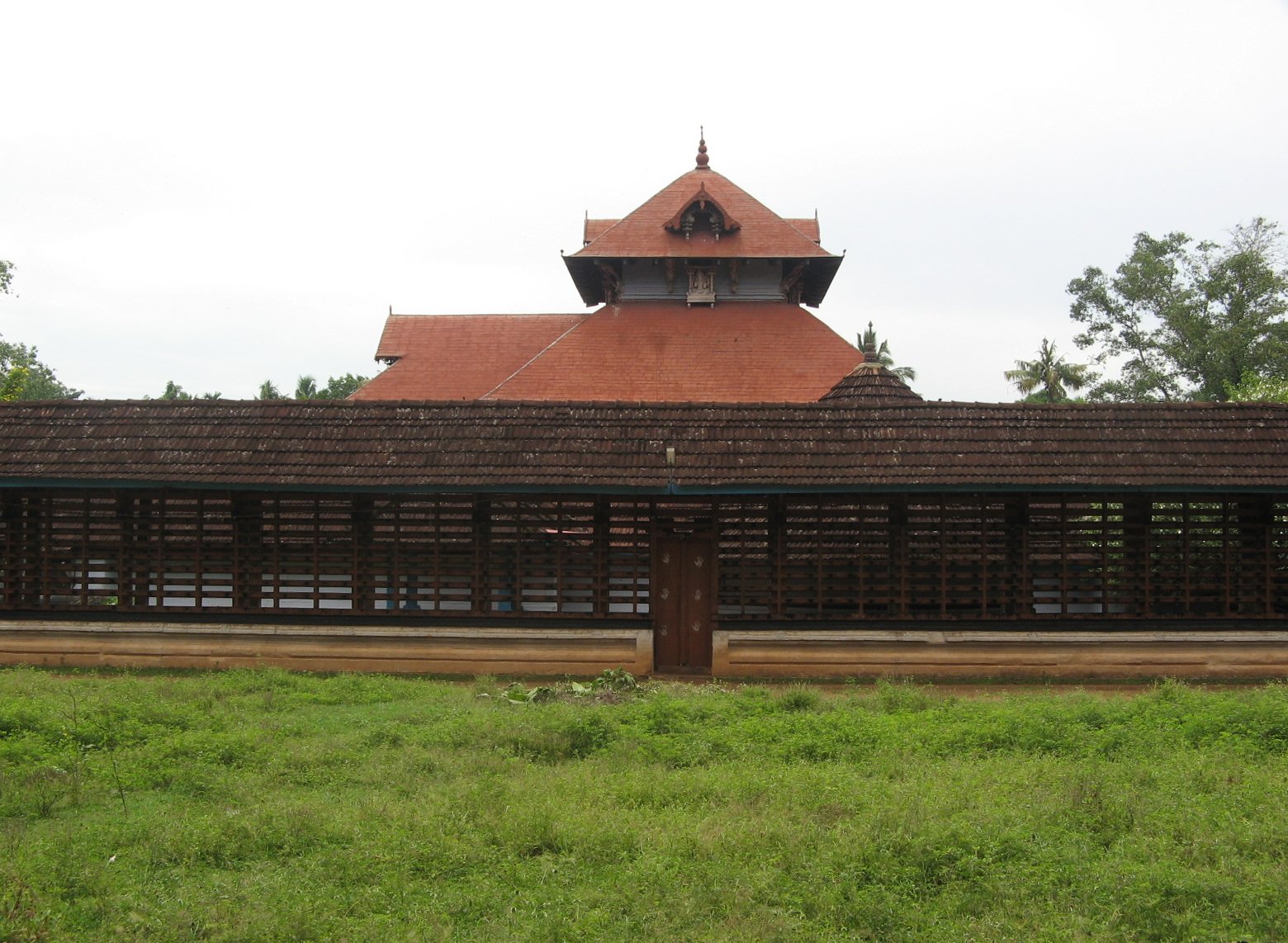
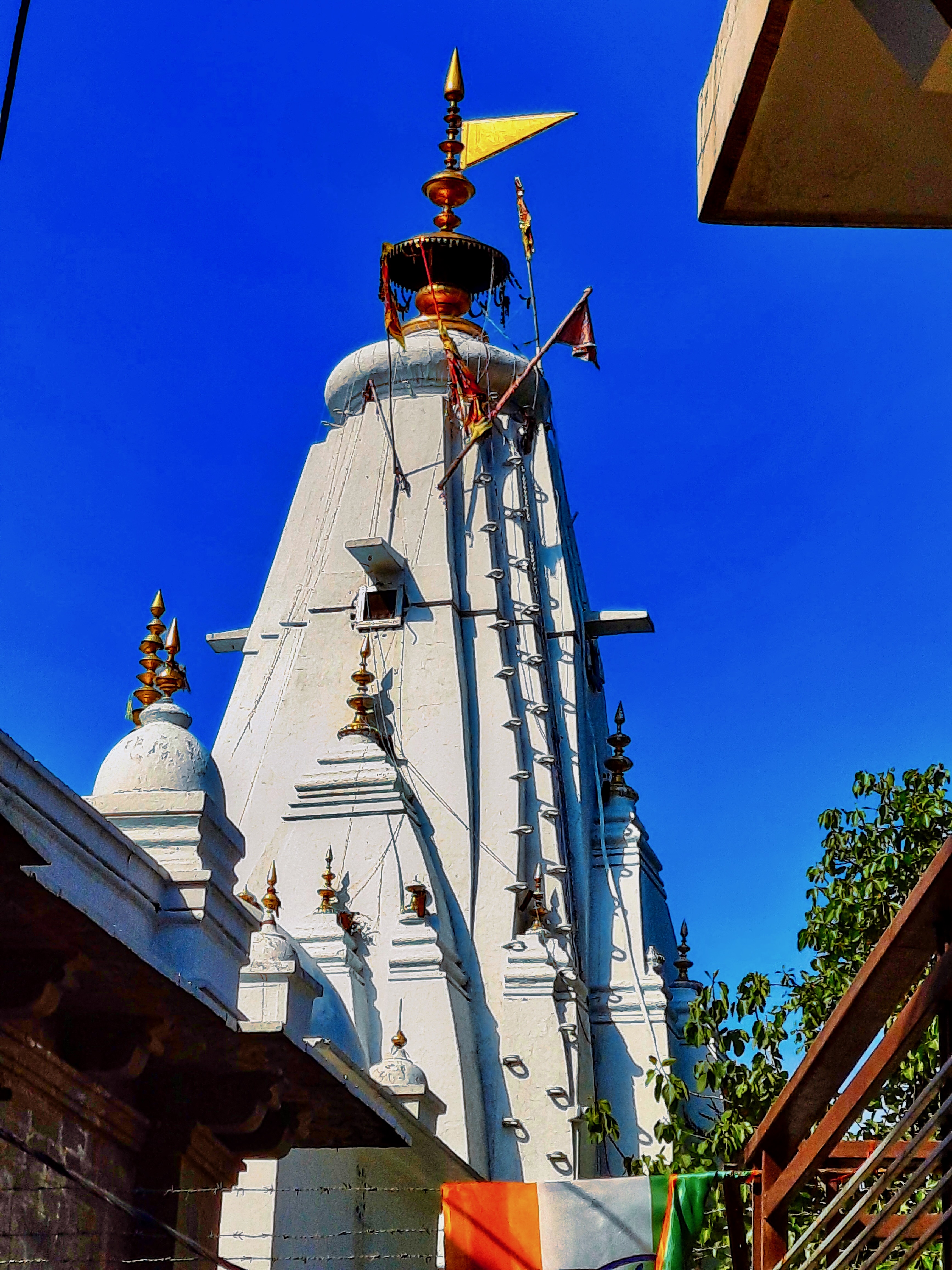

Annamanada Mahadeva Temple
About Annamanada Mahadeva Temple
Local tradition traces the temple's origins to a remarkable incident involving a woman cutting grass who struck a granite stone with her sickle, causing it to bleed. Astrological consultation revealed the stone's divine nature, leading to the temple's construction at this sacred site. While the exact chronology remains obscure, the temple's association with the Parashurama era places it within Kerala's legendary spiritual geography, a period to which many of the region's oldest shrines trace their foundations.
The temple has witnessed the region's complex political history, becoming entangled in conflicts among the Zamorin, Cochin, and Travancore kingdoms. In 1950, following Kerala's integration into independent India, the temple was transferred to the administration of the Cochin Devaswom Board, which continues to oversee its operations and maintenance today.
Architecture and Sacred Space
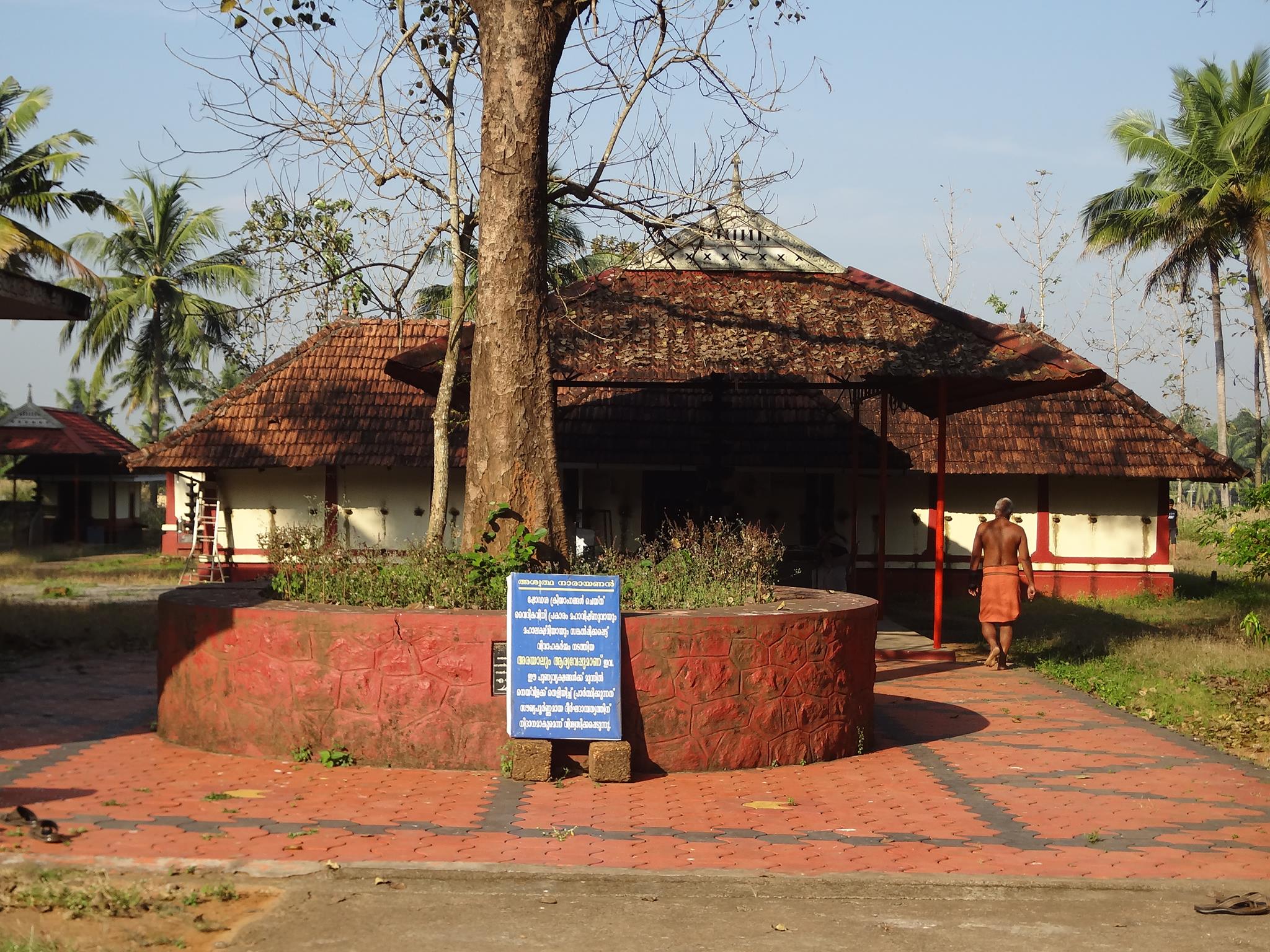
The temple reflects traditional Kerala architectural principles, featuring a square dwi-thala Sreekovil of sandhaara type oriented toward the east. The structure rests on granite foundations and incorporates intricate mouldings characteristic of the region's temple-building tradition. This architectural style, refined over centuries, creates a sacred geometry designed to facilitate spiritual practice and ritual observance.
The eastward orientation follows Vedic principles governing temple placement, allowing the morning sun to illuminate the sanctum during dawn rituals—a practice believed to enhance the spiritual potency of worship.
Daily Worship and Darshan
The temple opens for darshan at 05:30 in the morning, closing at 10:00. Evening worship resumes at 17:30 and concludes at 19:30. The Sandhya Aarti, the evening ritual of light and worship, takes place at 19:00. These timings reflect the rhythm of daily worship common to Shiva temples, with morning and evening sessions bracketing the day's spiritual practice. Devotees should note that timings may vary on festival days, and confirmation with the temple before travel is advisable.
Visitors should dress modestly, covering shoulders and knees, as is customary at Hindu temples. Shoes are typically removed before entering the sanctum. Photography policies vary; it is respectful to ask permission before photographing the deity or rituals.
Festivals and Celebrations
The temple observes several major festivals that draw devotees and transform the shrine with special decorations and extended rituals. Anayoottu and Chuttuvilakku Niramala are celebrated as significant occasions in the temple's calendar. These festivals, rooted in Kerala's devotional traditions, create periods of heightened spiritual activity and community gathering. The temple also marks festivals including Guru Purnima, Raksha Bandhan, and Holi, though visitors should verify exact dates and special timings with the temple directly, as lunar and regional variations affect festival scheduling.
Visiting Information
Annamanada Mahadeva Temple is located in Annamanada village within Kallur Thekkummuri, Thrissur district, Kerala, at coordinates 10.2348°N, 76.3310°E. The address can be used with mapping applications to plan travel routes. The temple is administered by the Cochin Devaswom Board, and inquiries regarding specific rituals, pujas, or facilities can typically be directed through this administrative body.
Visitors should plan their visit according to the morning (05:30–10:00) or evening (17:30–19:30) darshan windows. The temple's location in rural Kerala means that public transportation options may be limited; confirming local travel arrangements in advance is prudent. As with most Hindu temples, donations support the temple's maintenance and ritual activities, though no specific donation is required for darshan.
How to reach

Temples near Annamanada Mahadeva Temple
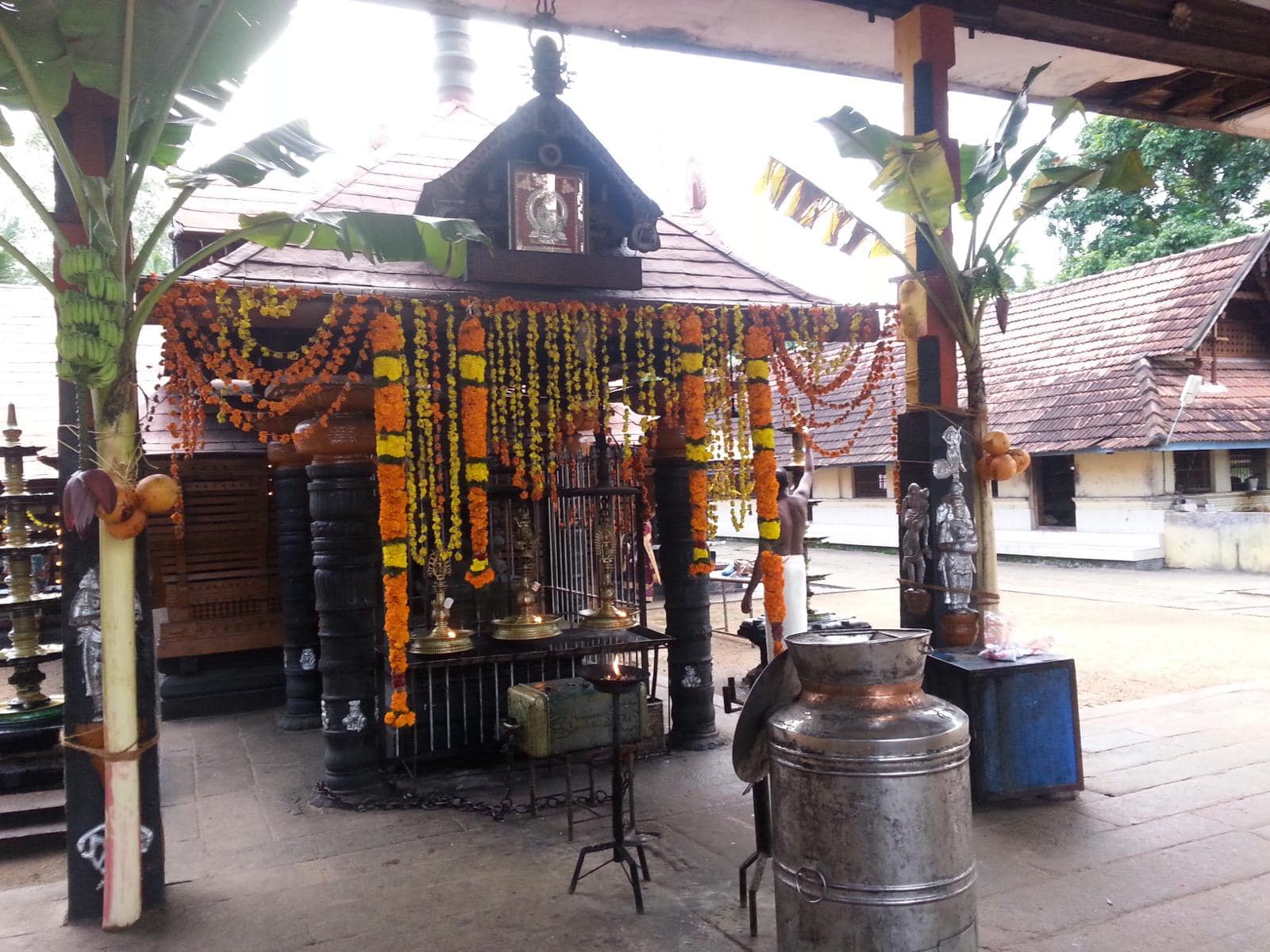
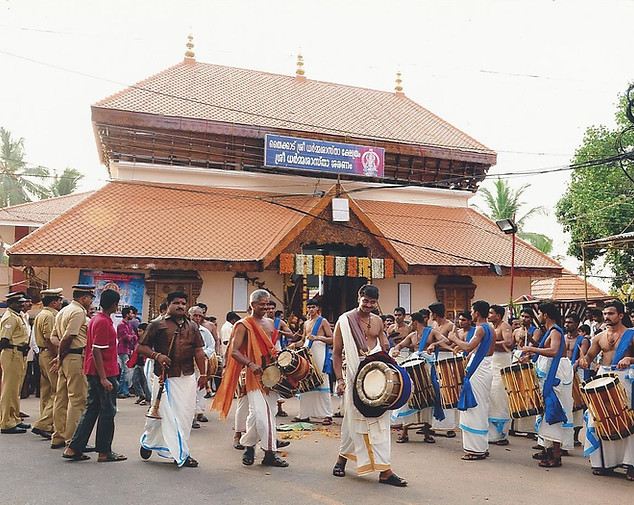
Thakazhi Sri Dharmashasta Temple
Thakazhy Sree Dharma Sastha Temple in Alappuzha, Kerala is dedicated to Lord Ayyappa and features five daily poojas following Manayathattu tantric rituals. The temple is renowne…
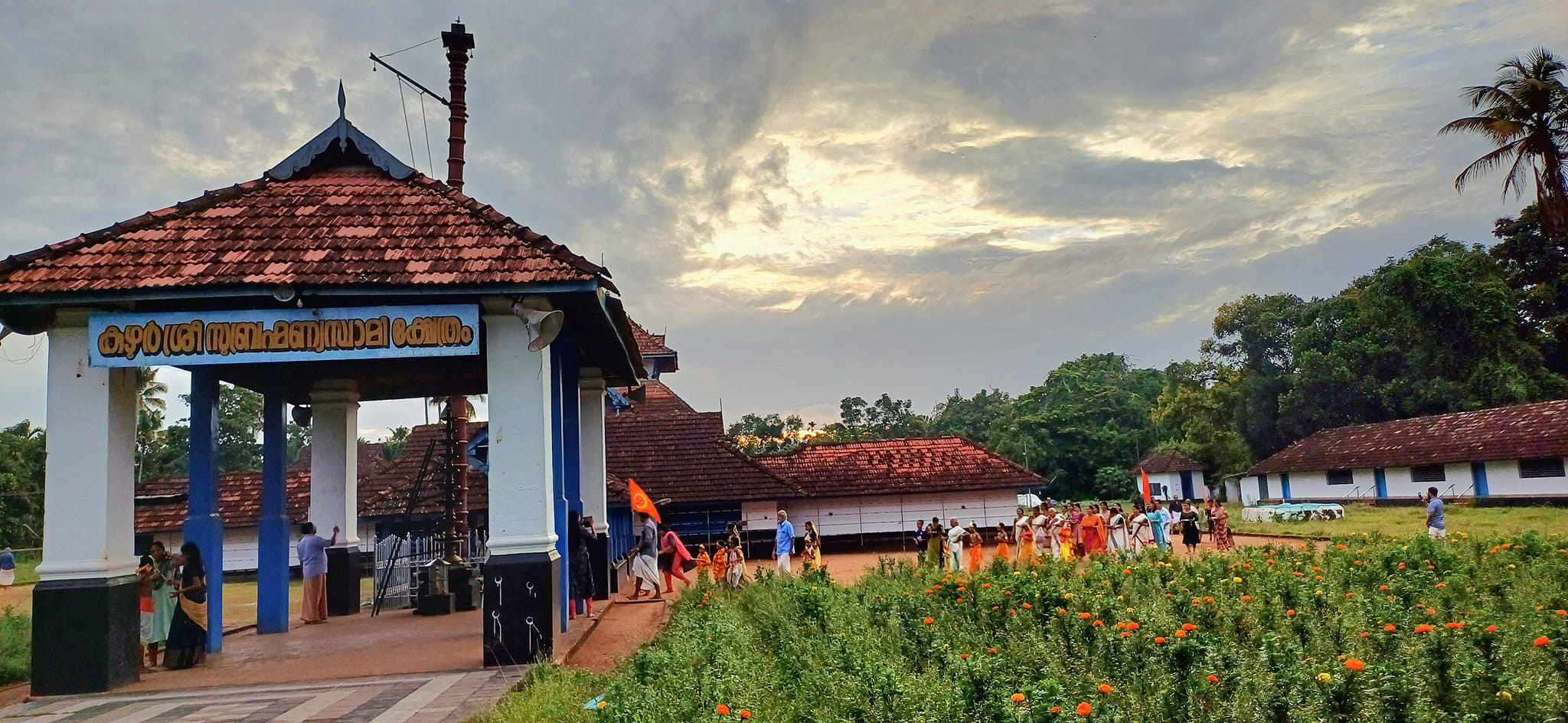
Kuzhur Sri Subrahmanyaswamy Temple
Sree Subramanya Swamy Temple in Kuzhur, Kerala is a revered shrine dedicated to Murugan, established by Namboothiri Brahmins and featuring traditional Kerala temple architecture…
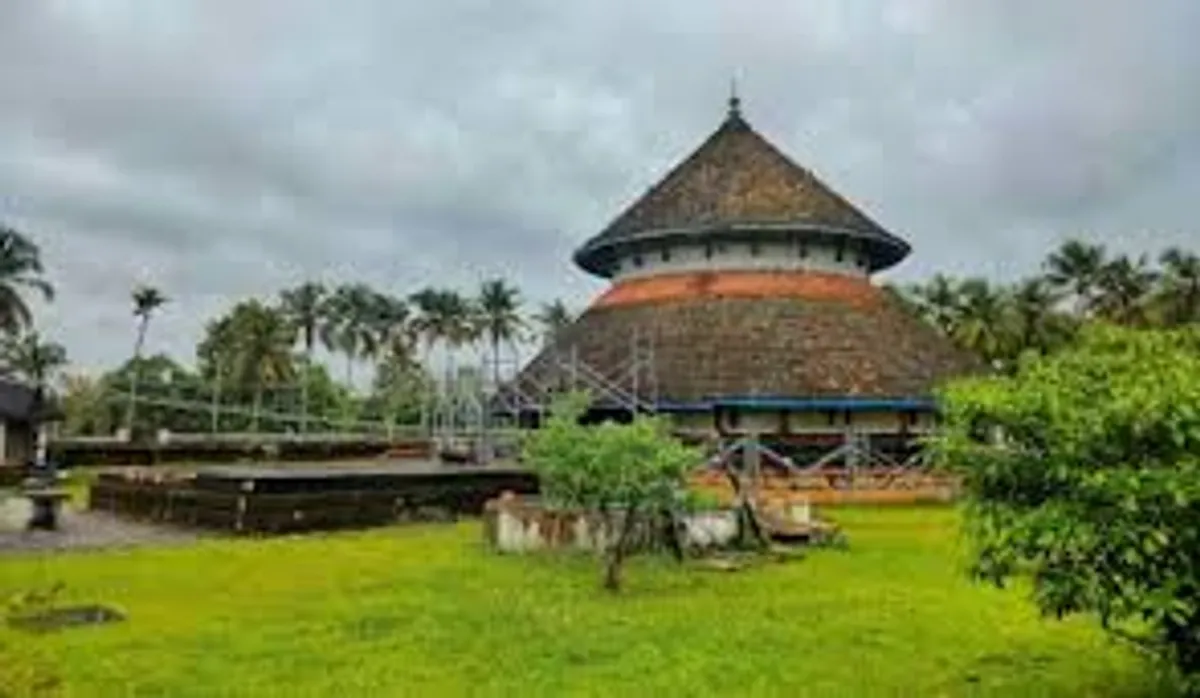
Iranikulam Mahadeva Temple
Iranikulam Sree Mahadeva Temple is an ancient shrine in Thrissur district, Kerala, traditionally attributed to sage Parasurama and believed to be one of the 108 Shiva temples of…
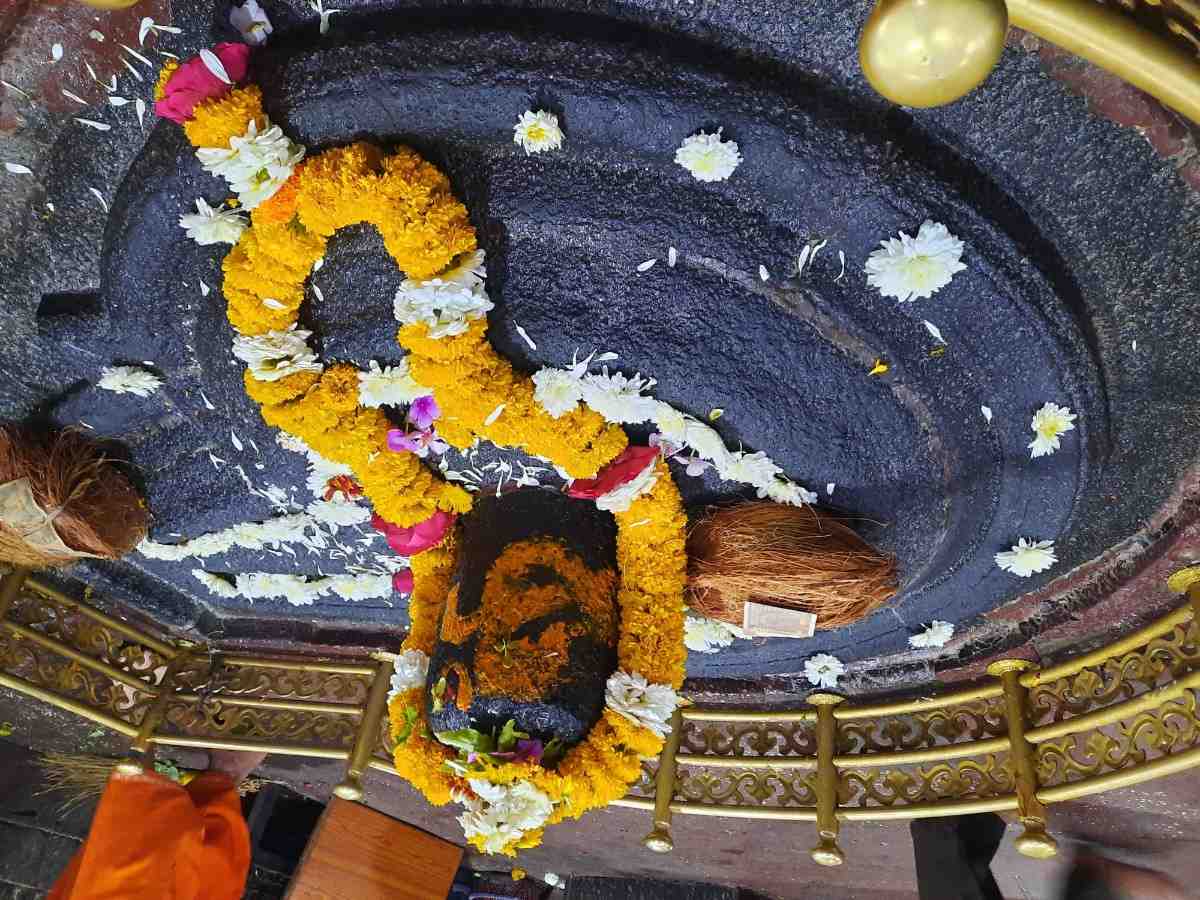
Ashtamichira Temple
Ashtamichira Mahadeva Temple is an ancient Shiva temple in Thrissur, Kerala, believed to have been established by Parashurama. It houses two primary Shiva deities and a renowned…
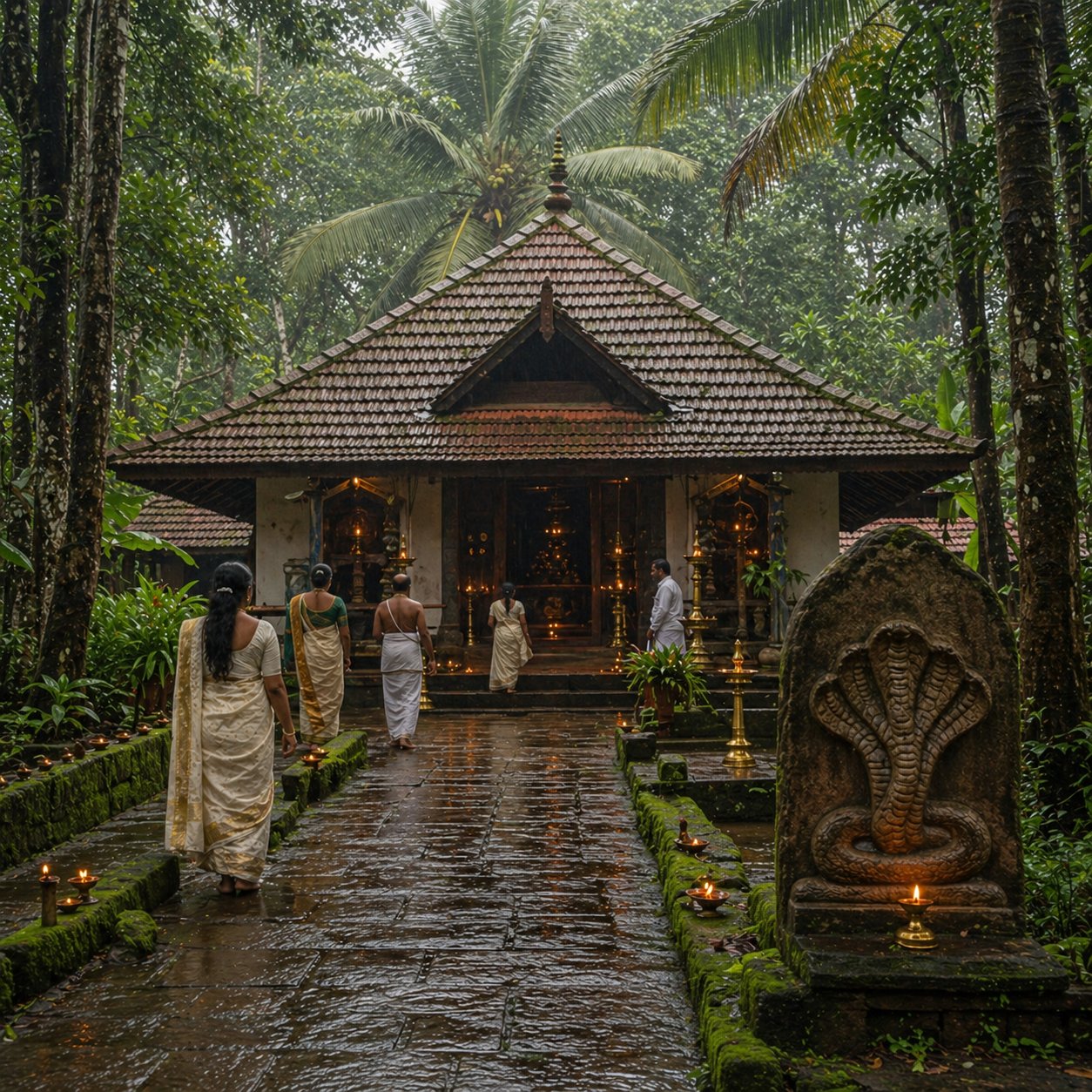
Pambummekkatu Mana
Pambummekkatu Mana is an ancient serpent temple in Vadama, Kerala, where Nagaraja and Nagayakshi are worshipped without physical idols—instead, daily rituals are performed befor…
Sree Vasudevapuram Mahavishnu Temple
Sree Vasudevapuram Mahavishnu Temple in Aluva, Ernakulam, is believed to have been consecrated by Maharshi Parashuraman and uniquely houses both Lord Vishnu and Goddess Mahalaks…