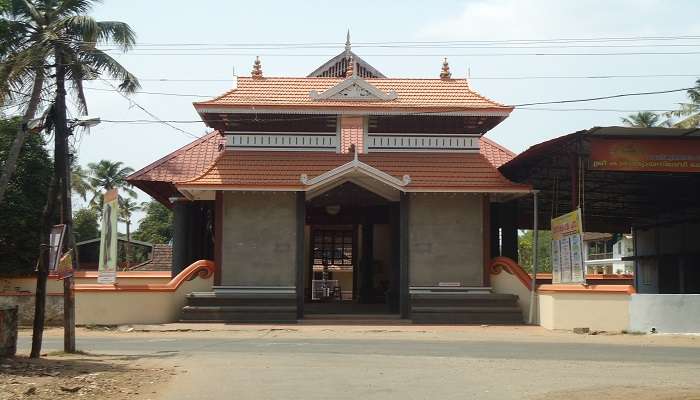
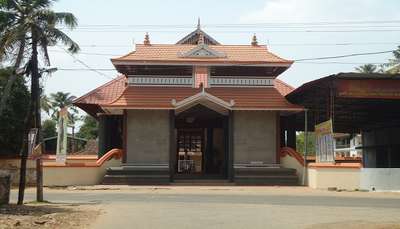
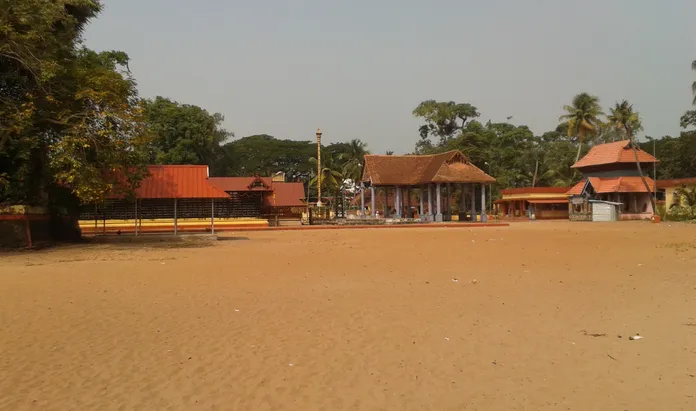
Aroor Karthyayani Devi Temple
About Aroor Karthyayani Devi Temple
Aroor Karthyayani Devi Temple is dedicated to Goddess Karthyayani, a form of Durga worshipped across Kerala. The goddess represents divine feminine power and protection, embodying qualities of strength and compassion central to Devi worship in Hindu tradition. Temples dedicated to this deity typically attract devotees seeking blessings for wellbeing, courage, and spiritual advancement. The shrine's location in Aroor, a region with deep roots in Kerala's temple culture, reflects the enduring significance of goddess worship in this part of India.
The temple serves as a place of regular worship and ritual observance for the local community and visiting pilgrims. Like many Kerala temples dedicated to forms of Durga, this shrine maintains traditional practices of daily worship and seasonal celebrations that connect devotees to the broader cycles of Hindu religious life.
Location and Access
The temple is situated in Aroor, Kerala, at coordinates 9.8674045331536, 76.306036071971. Aroor is accessible by road from major towns in the Alappuzha district. Visitors planning to reach the temple should use these coordinates with GPS navigation or consult local directions, as detailed transport information is not readily available from standard sources. The nearest railway stations and bus terminals in the region can serve as reference points for planning your journey.
Those travelling from other parts of Kerala or India should allow time to reach Aroor and locate the temple within the village. Local inquiry upon arrival will help orient you to the exact temple entrance and facilities.
Darshan and Daily Worship
Hindu temples in Kerala typically maintain regular darshan hours when devotees can enter the sanctum and receive the deity's blessings. While specific timings for Aroor Karthyayani Devi Temple are not documented in available sources, visitors should expect that the temple follows customary Kerala temple schedules, usually with morning and evening worship periods. It is advisable to contact the temple directly or inquire locally about current darshan timings before planning your visit.
Worship at goddess temples in Kerala traditionally involves offerings of flowers, coconut, and other items prepared according to temple custom. Devotees typically remove footwear before entering the inner sanctum and observe respectful conduct during worship. The temple priests conduct daily rituals to maintain the sanctity of the shrine and facilitate devotee participation in worship.
Festivals and Observances
Goddess temples in Kerala observe festivals aligned with the lunar calendar and the traditions of Devi worship. While specific festival dates and celebrations at this particular temple are not detailed in available sources, temples dedicated to Karthyayani and other forms of Durga typically mark significant occasions in the Hindu calendar with special rituals and gatherings. Devotees interested in participating in festival celebrations should contact the temple in advance to learn about upcoming observances and any special arrangements for visitors.
The temple likely draws increased numbers of worshippers during major festival periods, making these times both spiritually significant and potentially crowded. Planning your visit around quieter periods may offer a more intimate darshan experience.
Visitor Conduct and Etiquette
Visitors to Hindu temples are expected to observe certain conventions of respect and cleanliness. Remove footwear before entering the temple premises, as is standard practice across Kerala shrines. Dress modestly, covering shoulders and knees—a respectful approach honoured across Hindu places of worship. Photography policies vary by temple; it is courteous to ask permission before taking photographs inside the sanctum or during worship.
Maintain silence and composure within the temple, particularly in areas where worship is taking place. Avoid pointing at the deity or priests, and do not turn your back to the sanctum when departing. If you are unfamiliar with temple customs, observing other devotees provides helpful guidance. Temple staff and priests are generally willing to assist visitors unfamiliar with local practices.
Practical Information for Visitors
Specific details about facilities, accommodation, or dining near the temple are not documented in available sources. Visitors should plan accordingly by researching lodging options in nearby towns or villages within Alappuzha district. Carrying water and any personal necessities is advisable, particularly if visiting during warm months.
The temple is a living place of worship serving the local community, so visits should be planned with respect for ongoing rituals and the needs of regular devotees. Early morning or late evening hours often provide quieter periods for personal worship. Before travelling, contact the temple or local authorities to confirm current access conditions and any temporary closures.
How to reach
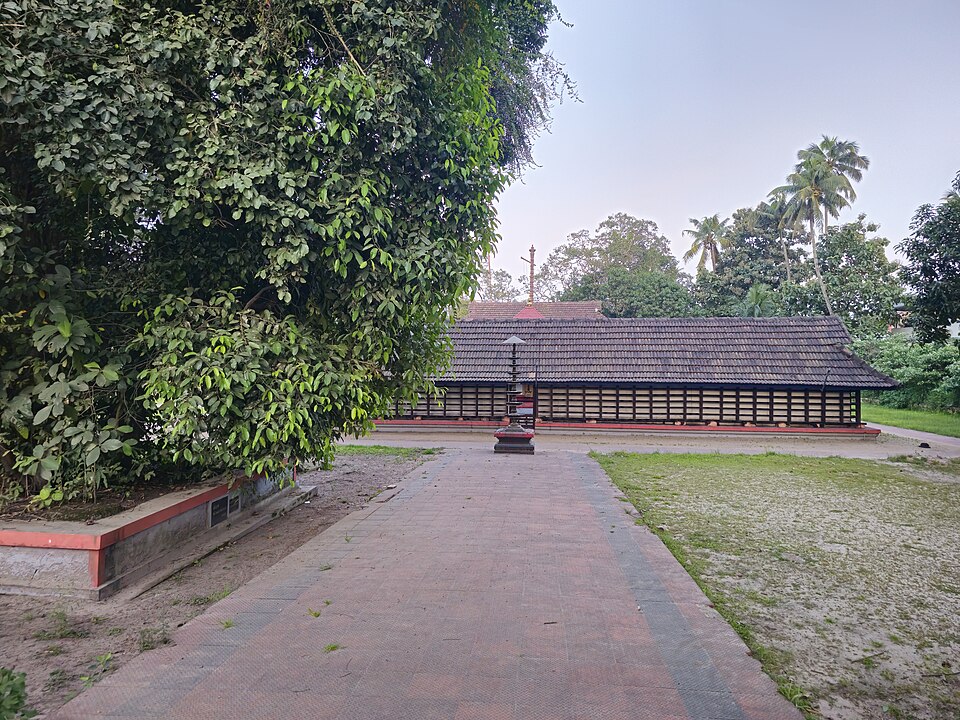
Temples near Aroor Karthyayani Devi Temple
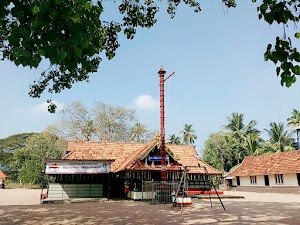
Pavumbayil Krishna temple
Pavumbayil Krishna temple is a Krishna mandir located in Aroor, Kerala, dedicated to Lord Krishna.
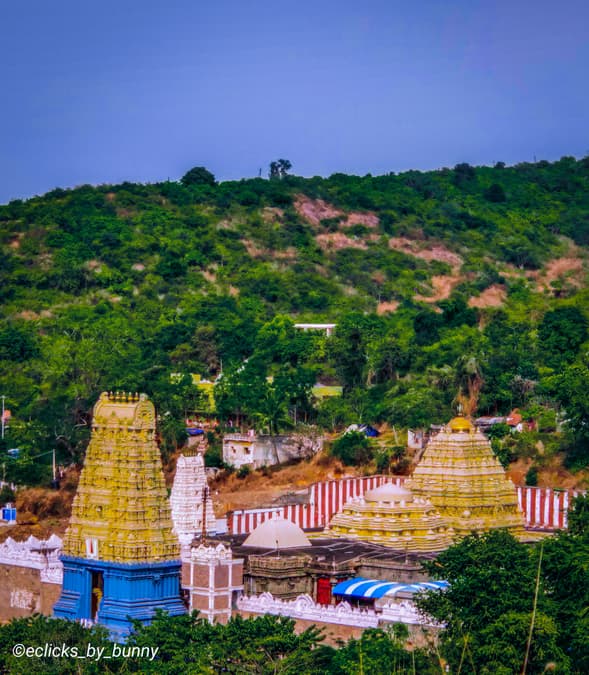
Sree Narayanapuram Thrikkayil Temple
Sree Narayanapuram Thrikkayil Temple in Perissery is among the oldest temples in the region, housing a sacred idol of Krishna in his four-armed form adorned with divine garlands…
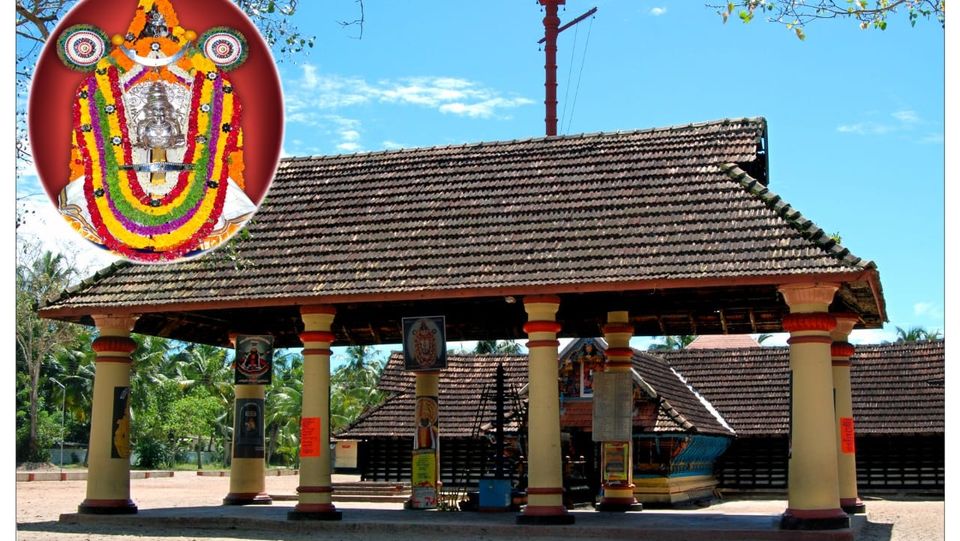
Nalpathaneeswaram Sree Mahadeva Temple
Nalpathaneeswaram Sree Mahadeva Temple is an ancient Shiva shrine in Panavally village, Alappuzha district, Kerala, believed to be over 1000 years old and dedicated to Lord Shiv…
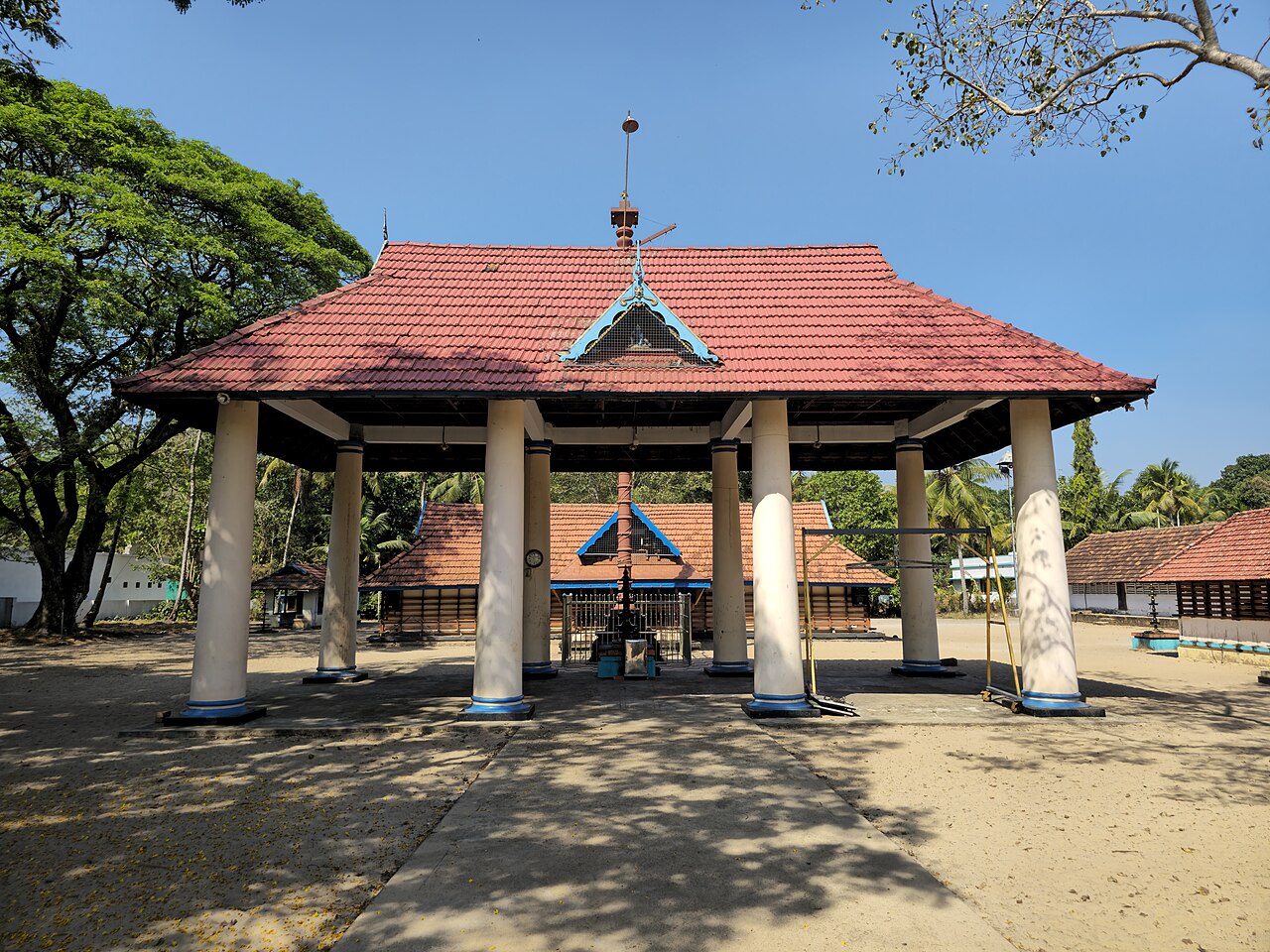
Arayukulangara Temple
Arayukulangara Sreekrishnaswamy Temple is a Hindu shrine dedicated to Lord Krishna located in Perumbalam, Kerala, serving as a spiritual center for devotees in the region.
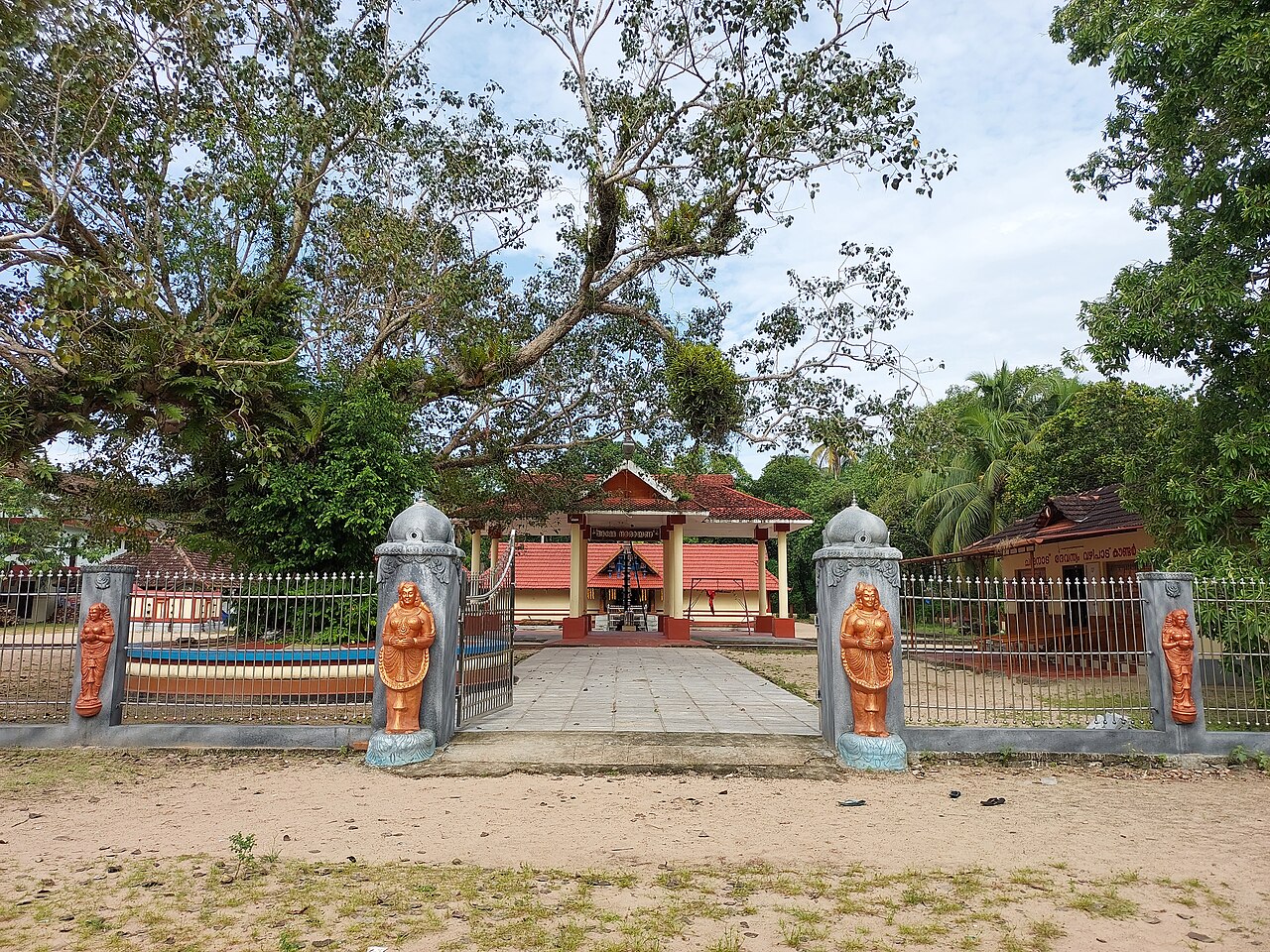
Chammanad devi temple
Chammanad Bhagavathy Temple, located in Kodamthuruth village near Alappuzha, Kerala, is dedicated to Bhagavathy (Bhadrakali). The temple celebrates a ten-day Utsavam festival du…
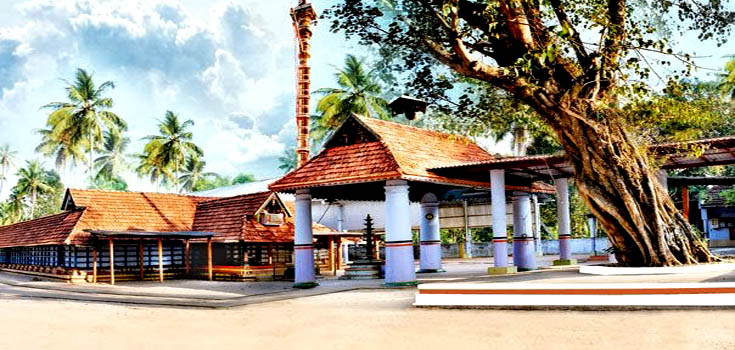
Sree Bhavaneeswara Mahakshethram
Sri Bhavaneeswara Temple in Palluruthy, Kochi, is a prominent Shiva temple consecrated by Sree Narayana Guru in 1904 as part of Kerala's social reform movement. The temple is re…