

Apatsahayesvarar Temple, Alangudi
About Apatsahayesvarar Temple, Alangudi
The temple was established in the 7th century, a period that coincides with the composition of the Tevaram itself. Alangudi occupies a sacred geography within the broader landscape of Tamil Nadu's temple network: it lies on the southern banks of the Cauvery River, specifically near a branch called the Vettaru, approximately 3 kilometres from the main river. The village sits 7 kilometres north of Needamangalam Railway Station and 17 kilometres south of Kumbakonam, positioned on the route toward Mannargudi.
Within the Devaram's enumeration of 127 sthalams on the Cauvery's southern banks, Alangudi ranks as the 98th. The saint poet Thirugnanasambandhar blessed this place, calling it Ezilar Erumpoolai—the beautiful Erumpoolai—while Apparadigal composed verses in praise of Abadhsagayeshwarar in his Thiruveezhimizhalai Thiruthandagam, further cementing the temple's place in the devotional literature of the Saiva tradition.
Daily Worship and Darshan
The temple opens for morning darshan at 6:00 AM and closes at 12:30 PM, reopening in the evening at 4:00 PM until 8:30 PM. Four principal aartis structure the day's worship: Kalasanthi at 8:00 AM, Uchikala Pooja at noon, Sayaraksha Pooja at 6:00 PM, and Ardhajama Pooja at 7:30 PM. These rituals follow the traditional Saiva pattern of honoring the deity through multiple daily ceremonies.
Thursday holds particular auspiciousness at this temple and is considered the most favorable day for worship, reflecting Jupiter's traditional association with Thursday in Hindu tradition. On Thursdays, the temple remains open continuously from 6:00 AM through 9:00 PM, allowing extended access for devotees. Visitors should note that temple timings may shift during festival periods, so confirming exact schedules in advance is advisable.
Visiting the Temple
The best season to visit Alangudi is between October and March, when the climate is cooler and more conducive to travel and extended worship. The temple experiences particular crowding during Guru Peyarchi, when devotees gather to mark Jupiter's transit and seek its blessings.
Visitors should dress modestly, as is customary at Hindu temples—women typically wear sarees or salwar kameez, while men wear dhotis or simple trousers. Shoes are removed before entering the inner sanctum. The temple follows standard Hindu etiquette: circumambulation of the deity is performed clockwise, and it is respectful to wait for the completion of ongoing pujas before approaching the sanctum. Photography policies vary; it is best to inquire with temple staff before taking images.
Navagraha Significance and Astrological Observance
Alangudi's role as the Guru sthalam within the Navagraha system makes it a destination for those seeking astrological remedies. In Hindu astrology, Jupiter is associated with wisdom, prosperity, and spiritual growth, and its placement in a birth chart is considered significant. Devotees traditionally visit Navagraha temples to propitiate planets believed to be adversely positioned in their charts, though consultation with a qualified astrologer is recommended before undertaking such journeys.
The temple's inclusion in the Navagraha circuit means it attracts not only local worshippers but also pilgrims following the broader Navagraha temple route across South India. The temple administration recognizes this significance and offers specialized poojas for Navagraha observance alongside general darshan.
Practical Information
The temple's official address is Arulmigu Abathsagayeswaraswamy Temple, Alangudi, Tiruvarur District, Tamil Nadu 612801. It is accessible by road from Kumbakonam and Needamangalam, with bus routes connecting the village to nearby towns. The temple maintains online services including e-ticket booking for darshan and donation facilities. For those wishing to arrange special sevas or VIP darshan slots, it is advisable to contact the temple administration in advance, particularly during peak pilgrimage seasons or on Thursdays.
How to reach
Temples near Apatsahayesvarar Temple, Alangudi
Arangulanathar Temple
Arangulanathar Temple is a historic Shiva shrine in Thiruvarangulam, Pudukkottai district, featuring a distinctive hundred-pillar mandapam and recognized as a Tevaram Vaippu Sta…

Vedaranyeswarar Temple
Vedaranyeswarar Temple is a revered Shiva shrine in Vedaranyam, Tamil Nadu, celebrated as a Paadal Petra Sthalam mentioned in the 7th-century Tevaram and notable for the legenda…
Thirukattalai Sundareswarar Temple
Arulmigu Sundaramakaliyamman Temple in Thirukattalai is a Hindu shrine dedicated to the goddess Sundaramakaliyamman, located in Pudukkottai District, Tamil Nadu.
Kokarneswarar Temple, Thirukokarnam
An ancient rock-cut Pallava-era cave temple dedicated to Shiva as Gokarneswarar, built in the 7th century and later enhanced by Chola and Pandya dynasties. The temple is renowne…
Muthumariamman Temple, Tiruvappur
Arulmigu Sri Muthumariamman Temple in Tiruvappur, near Pudukkottai, is a centuries-old shrine dedicated to the goddess Muthumariamman, revered for healing ailments through the s…
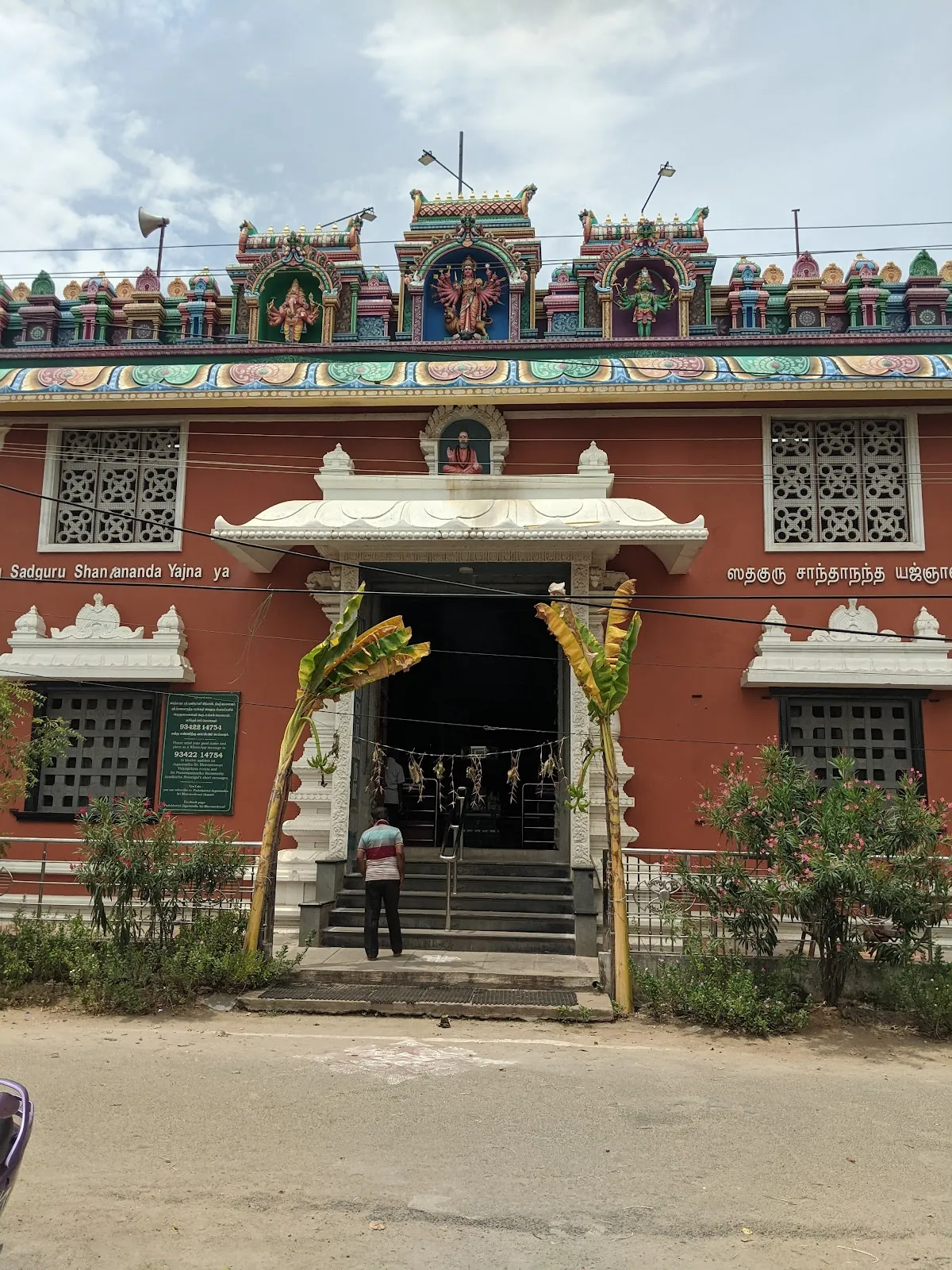
Pudukottai Bhuvaneshwari Amman Temple
Sri Bhuvaneshwari Amman Temple at Rajakulakkarai in Pudukkottai, Tamil Nadu, is a traditional Shakti shrine dedicated to Goddess Bhuvaneshwari Amman, revered for protection, pro…