Amruteshwar Temple
About Amruteshwar Temple
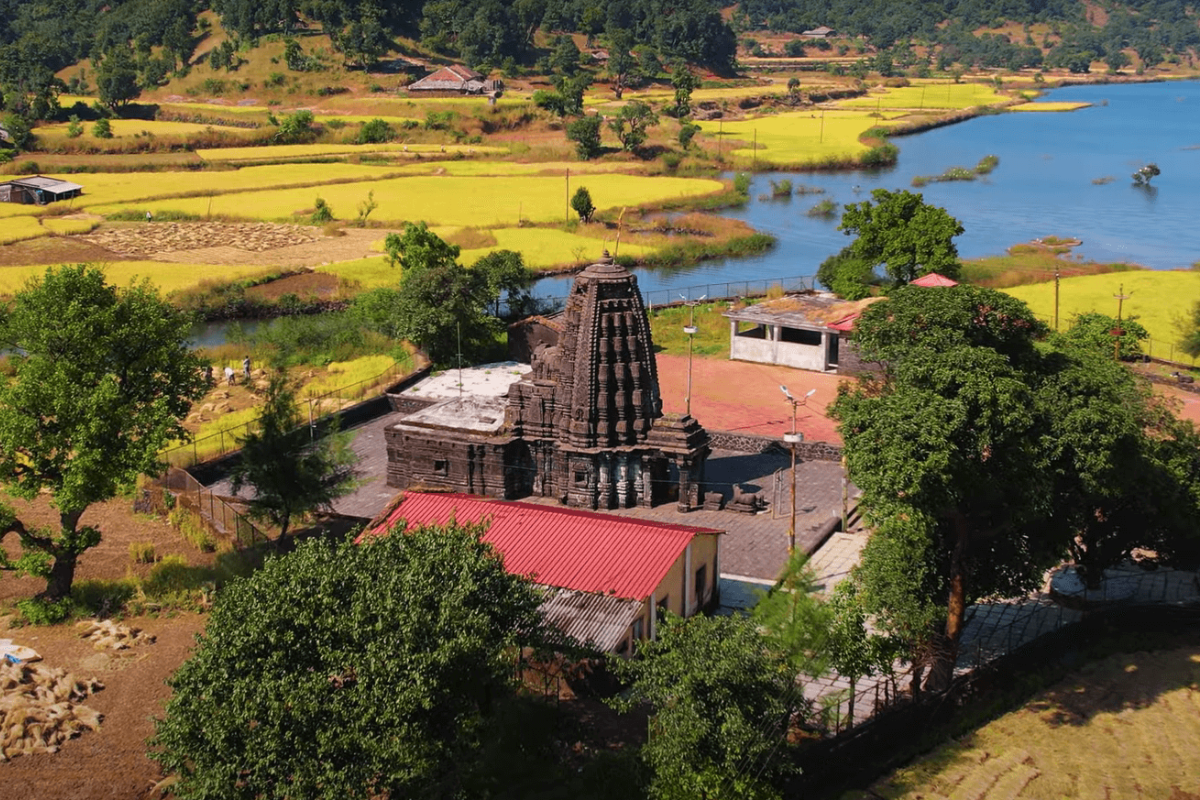
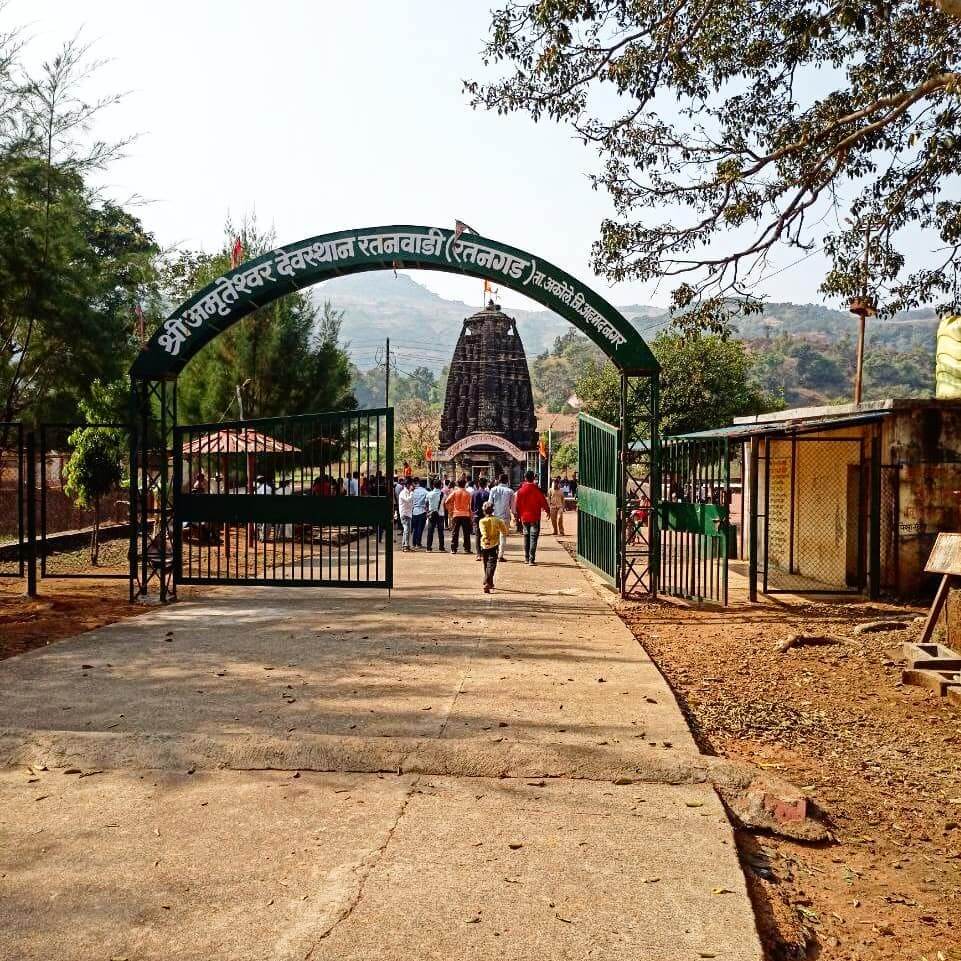
The temple measures 61 metres by 36 metres and is oriented westward, with its entrance facing east. The structure follows a classical plan comprising a mandapa (hall), antarala (vestibule), and garbhagriha (inner sanctum). A porch precedes the eastern back door of the shrine. The entire complex is enclosed by a low parapet wall.
Intricate carving distinguishes the temple throughout. Perforated windows set into shallow recesses of the mandapa allow light to filter into the interior spaces. Three Nandi figures—the bull associated with Shiva—are positioned at the site: one faces east from the western gate, while two eroded examples stand on the porch, their weathering testament to their age.
Daily Worship and Darshan
The temple remains accessible to visitors at all hours, open continuously from midnight through the day. Early morning and evening are traditionally favoured times for worship, though the 24-hour accessibility accommodates pilgrims according to their personal circumstances. Footwear must be removed before entering the sanctum, following standard temple practice. Modest clothing is customary when visiting Shiva temples, though no formal dress code is enforced.
The remote setting means that visitor facilities are limited. The Archaeological Survey of India maintains the structure for preservation, but no documented amenities such as water or refreshment stands exist at the site. Visitors should plan to bring supplies or arrange them before arrival in Ratanwadi.
Festivals and Sacred Observances
Mahashivratri, the annual festival honouring Shiva, draws particular devotional activity to the shrine. The temple also observes Ganesh Chaturthi and Ram Navami, reflecting the interconnected nature of Hindu worship across different deities and traditions. Visitors planning to attend festivals should confirm specific timings with the temple in advance, as observance schedules may differ from standard daily access patterns.
Best Times to Visit
The landscape surrounding the temple is most appealing from June through February. Following the monsoon rains, the region becomes green and verdant, while winter temperatures make travel comfortable. The monsoon season itself (roughly June to September) transforms the terrain but may affect road and water access to the site. The dry season from October onward offers stable conditions for travel.
How to Reach the Temple
Amruteshwar Temple is located at coordinates 19.5177°N, 73.7230°E in Ratanwadi village. The nearest railway station is Igatpuri, approximately 58 kilometres away. From Igatpuri, buses and taxis connect to Bhandardara, from which two routes lead onward to Ratanwadi and the temple.
The final approach offers a choice. One route involves a boat crossing of Arthur Lake followed by a short walk to the temple. An alternative forest road, passable by vehicle, provides access, though road conditions can be rough depending on the season. The journey itself—whether by water across the lake or through forested terrain—forms part of the pilgrimage experience. Visitors may combine a temple visit with exploration of nearby sites including Ratangad Fort, Wilson Dam, Arthur Hill Lake, Kalsubai Peak, Ashoka Waterfall, and Sandhan Valley.
How to reach
Temples near Amruteshwar Temple
Kukdeshwar Temple
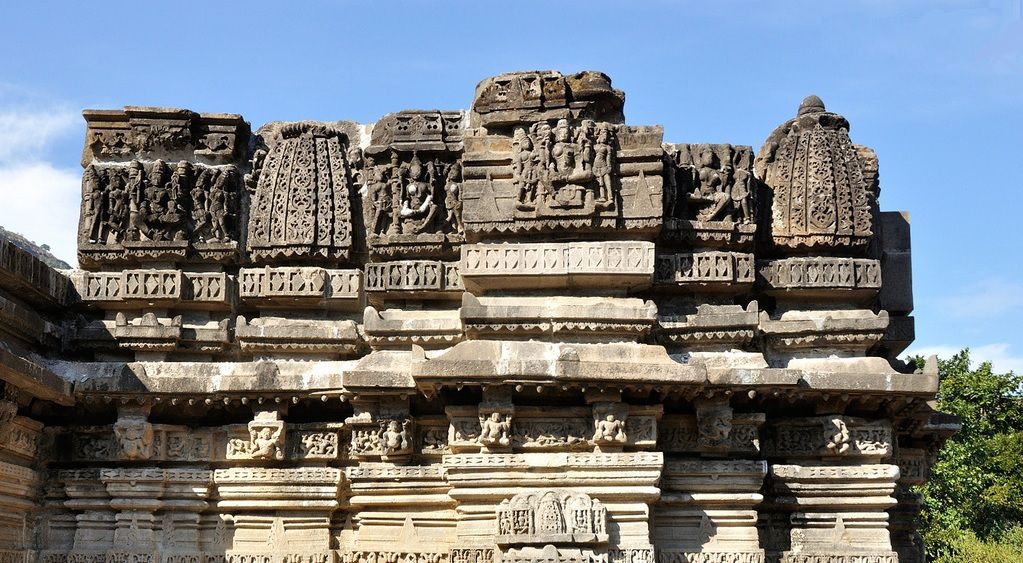
Kukdeshwar Temple is an ancient Shiva sanctuary built in Hemadpanthi style on the banks of the Kukdi River near Junnar, Maharashtra, celebrated for its intricate stone carvings…
Vigneshwara Temple, Ozar
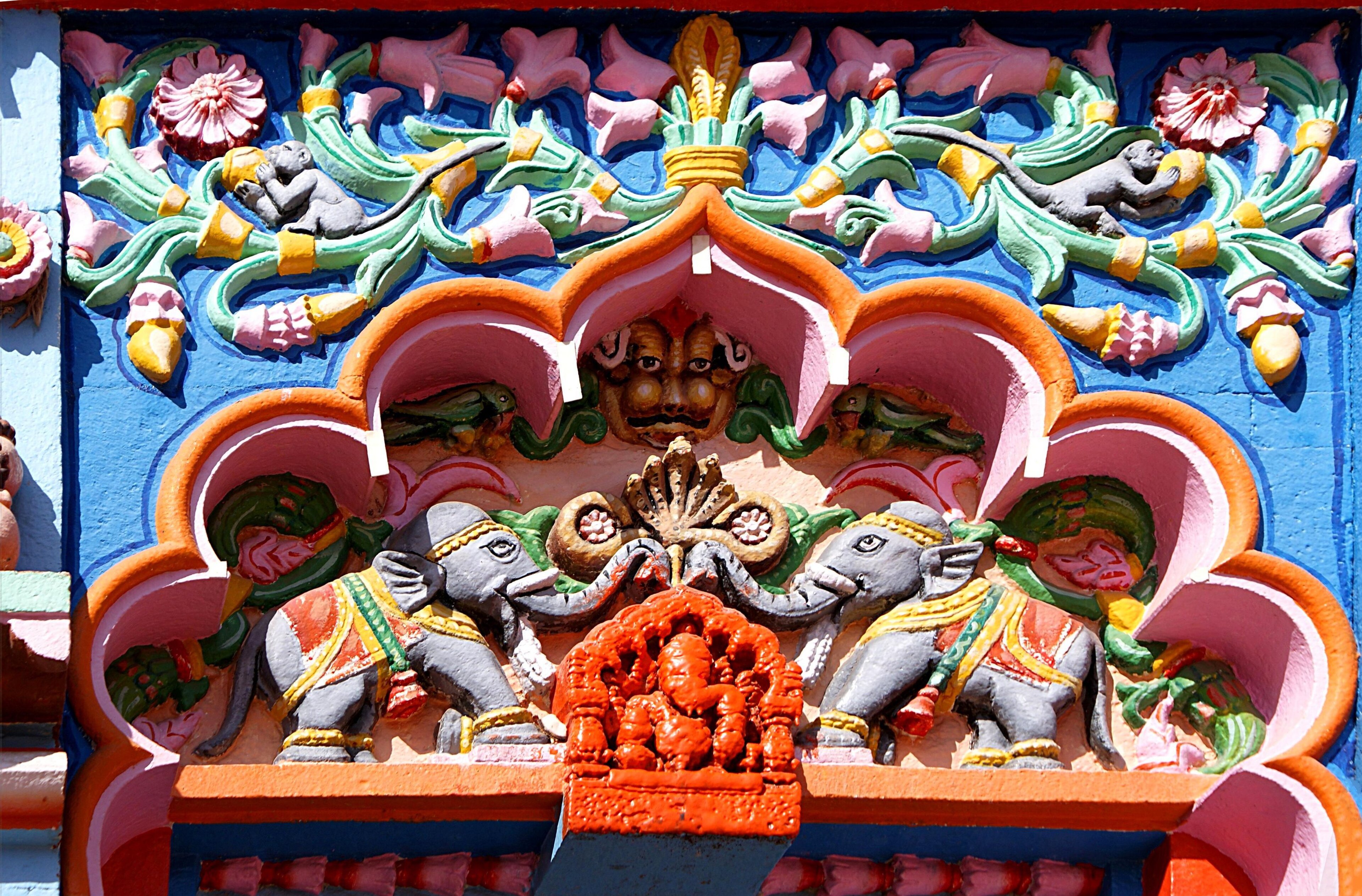
Vigneshwara Temple in Ozar is one of Maharashtra's eight sacred Ashtavinayaka shrines dedicated to Ganesha, celebrated for its golden spire and the deity's victory over the demo…
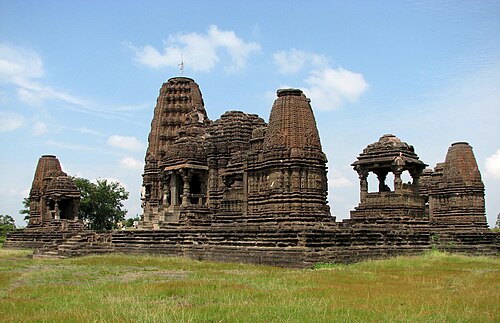
Gondeshwar Temple
Gondeshwar Temple is an 11th-12th century Hindu shrine in Sinnar, Maharashtra, built during the Seuna dynasty rule. The temple features a panchayatana layout with a main sanctum…

Trimbakeshwar Temple
Trimbakeshwar Shiva Temple is an ancient Hindu shrine in Nashik District, Maharashtra, housing one of the twelve sacred Jyotirlingas with a unique three-faced linga representing…

Birla Mandir
Birla Arogya Mandir in Nashik is a marble temple built by the Birla family, offering 24-hour darshan to devotees and featuring an integrated hospital complex providing medical s…
Shree Pavan Putra Hanuman Mandir
Shree Pavan Putr Hanuman Mandir in Nashik is a Hindu temple dedicated to Hanuman, featuring a small but beautifully crafted idol depicting Hanuman carrying the Sanjivani herb an…