Gondeshwar Temple
About Gondeshwar Temple
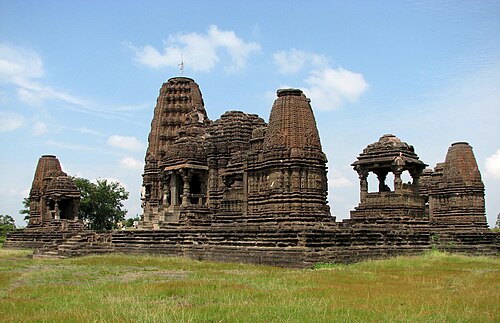
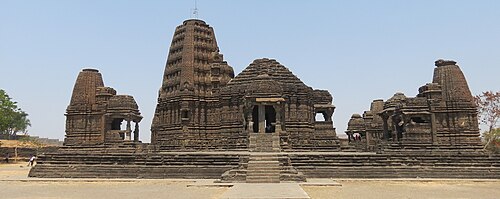
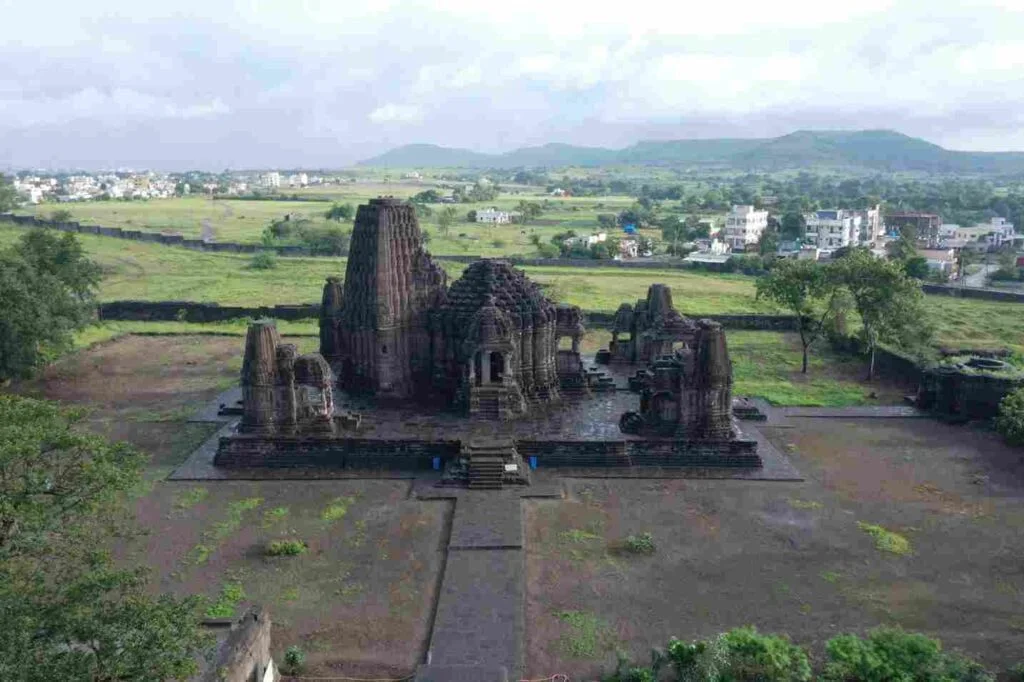
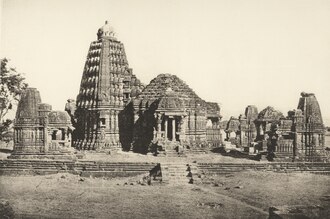
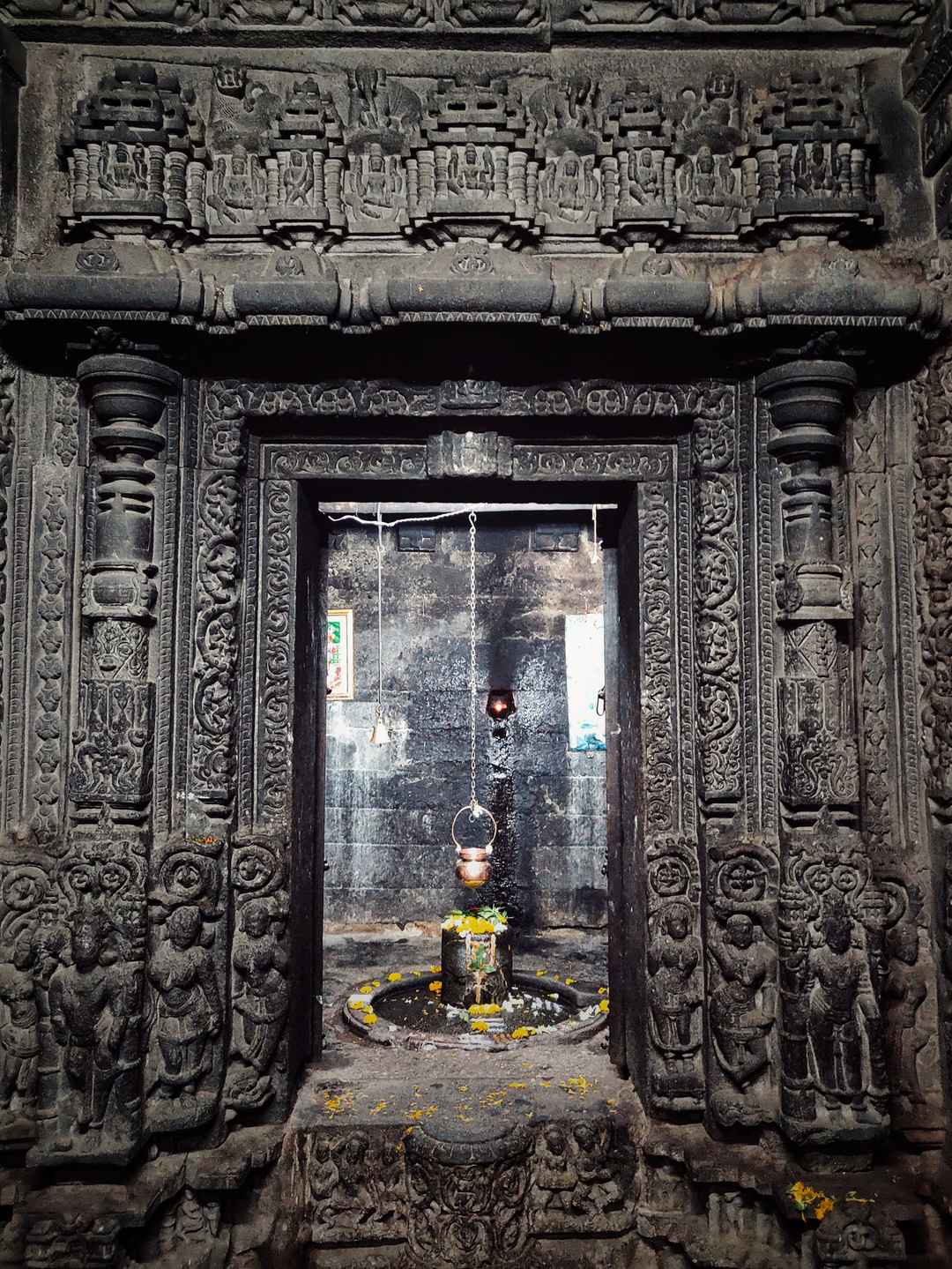
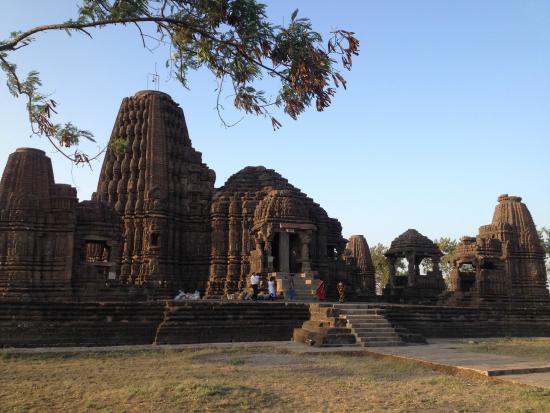
The temple follows a panchayatana architectural plan, a layout that arranges multiple shrines within a single complex. The main sanctum houses the primary shrine dedicated to Shiva. Four subsidiary shrines within the complex are dedicated to Surya, Vishnu, Parvati, and Ganesha, allowing devotees to make offerings at multiple points of worship. This arrangement reflects a broader Hindu temple tradition in which a central deity is honored alongside complementary divine forms, creating a unified sacred space for varied devotional practices.
Bhumija Architecture
The temple exemplifies Bhumija architectural style, a regional building tradition that developed in medieval India. This architectural approach shapes the temple's structural form and aesthetic character, distinguishing it from other regional temple styles. The Bhumija style represents an important phase in Hindu temple design, though the specific architectural details of Gondeshwar Temple would benefit from direct observation during a visit to appreciate its distinctive features and craftsmanship.
Daily Worship and Rituals
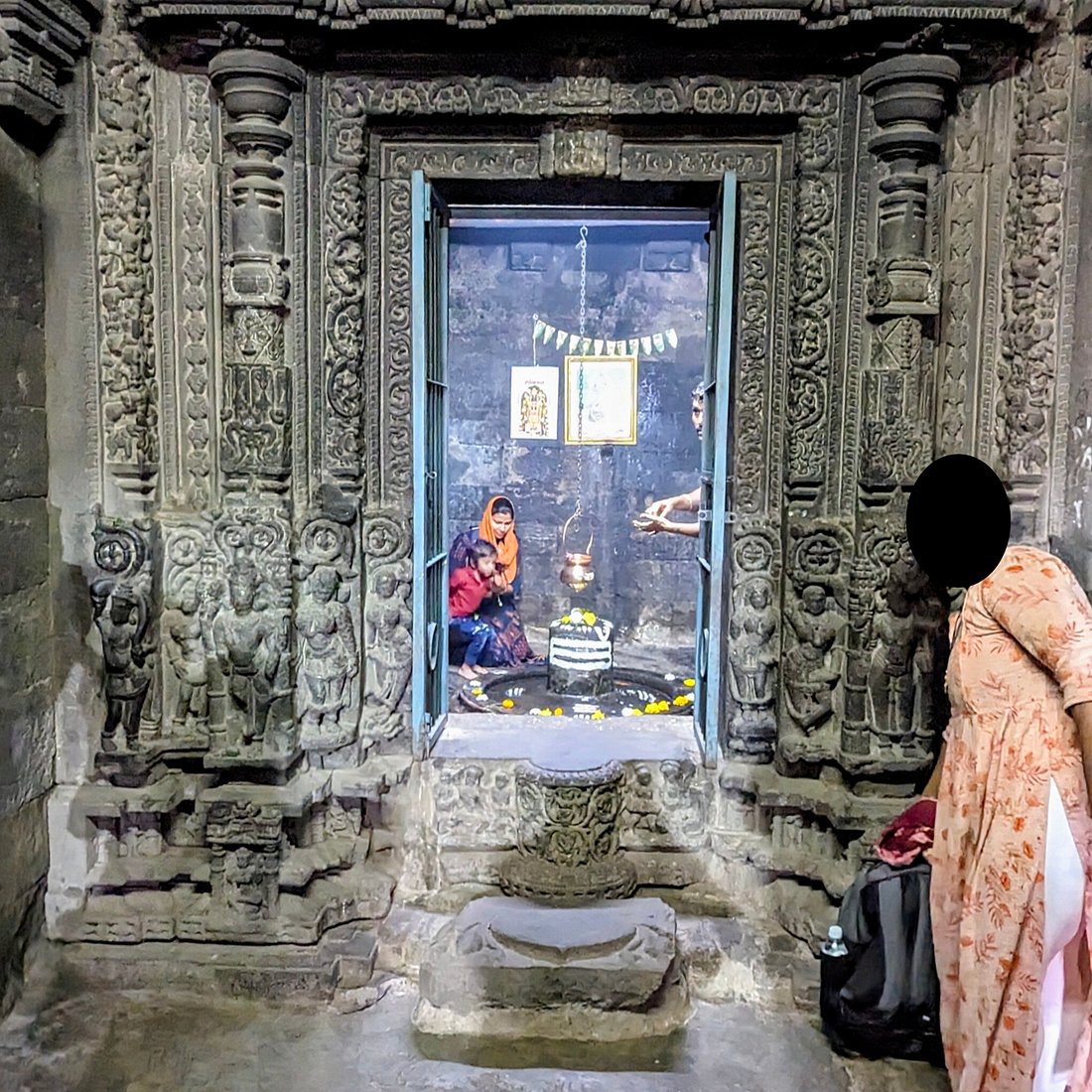
As a Shiva temple, Gondeshwar follows liturgical practices centered on Shaivite worship traditions. Daily rituals typically involve offerings of flowers, water, and other materials presented to the main lingam or image in the sanctum. The presence of subsidiary shrines means devotees may also make offerings at the shrines of Surya, Vishnu, Parvati, and Ganesha. However, the specific timing of daily pujas, the exact nature of rituals performed, and any observances particular to this temple should be confirmed directly with temple authorities before visiting, as such details are not documented in available sources.
Festivals and Observances
Maha Shivaratri, the major festival honoring Shiva, is widely observed across Shaivite temples and is documented as a festival at Gondeshwar. Beyond this, the temple's specific festival calendar and celebration dates are not detailed in available sources. Visitors interested in experiencing the temple during significant festival periods should contact the temple management or local tourism offices in Nashik to confirm which festivals are observed and when they occur, allowing for better planning of their visit.
Visiting the Temple: Practical Information
Gondeshwar Temple is accessible by road from Nashik city and surrounding towns in the district. The temple's GPS coordinates—19.85134722°N, 74.00198333°E—can guide visitors using navigation systems. As with Hindu temples generally, visitors should dress modestly and remove footwear before entering the sanctum. Photography policies and specific darshan timings vary; these should be confirmed before arrival. The temple's medieval age means its infrastructure may differ from larger, more recently developed temples. Facilities such as parking, refreshment areas, or accommodation are not confirmed in available sources. Nashik district offers broader tourist infrastructure, but Sinnar is a smaller town, so visitors should plan accordingly and make local inquiries about current conditions, opening hours, and any local customs or restrictions before traveling.
How to Reach
The temple is located at Gondeshwar Temple Road, Vijay Nagar, Sinnar, Nashik district, Maharashtra 422103. Visitors traveling from Nashik city can reach Sinnar by road. Local inquiry in Sinnar will provide current information about the best routes, travel times, and any local transportation options. Confirming opening hours and any entry requirements with the temple directly or through local tourism offices in Nashik will ensure a smooth visit.
How to reach
Temples near Gondeshwar Temple

Birla Mandir
Birla Arogya Mandir in Nashik is a marble temple built by the Birla family, offering 24-hour darshan to devotees and featuring an integrated hospital complex providing medical s…
Sant Dnyaneshwar Mauli Mandir
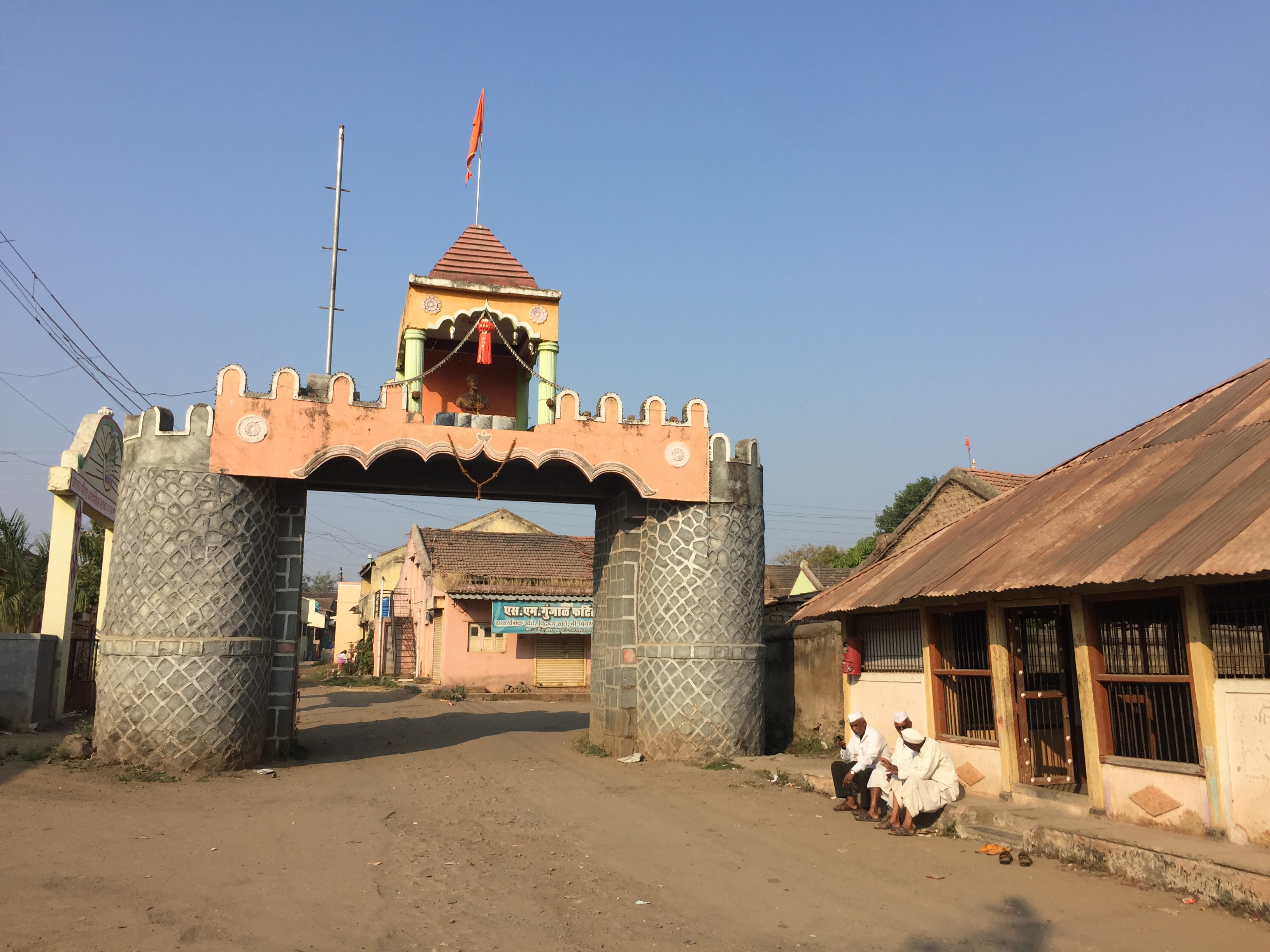
Sant Dnyaneshwar Mauli Mandir in Nashik honors the bhakti saint-poet Dnyaneshwar. The temple operates daily from 6 AM to 9 PM with evening aarti at 7 PM.
Sankat Mochan Veer Hanuman Mandir
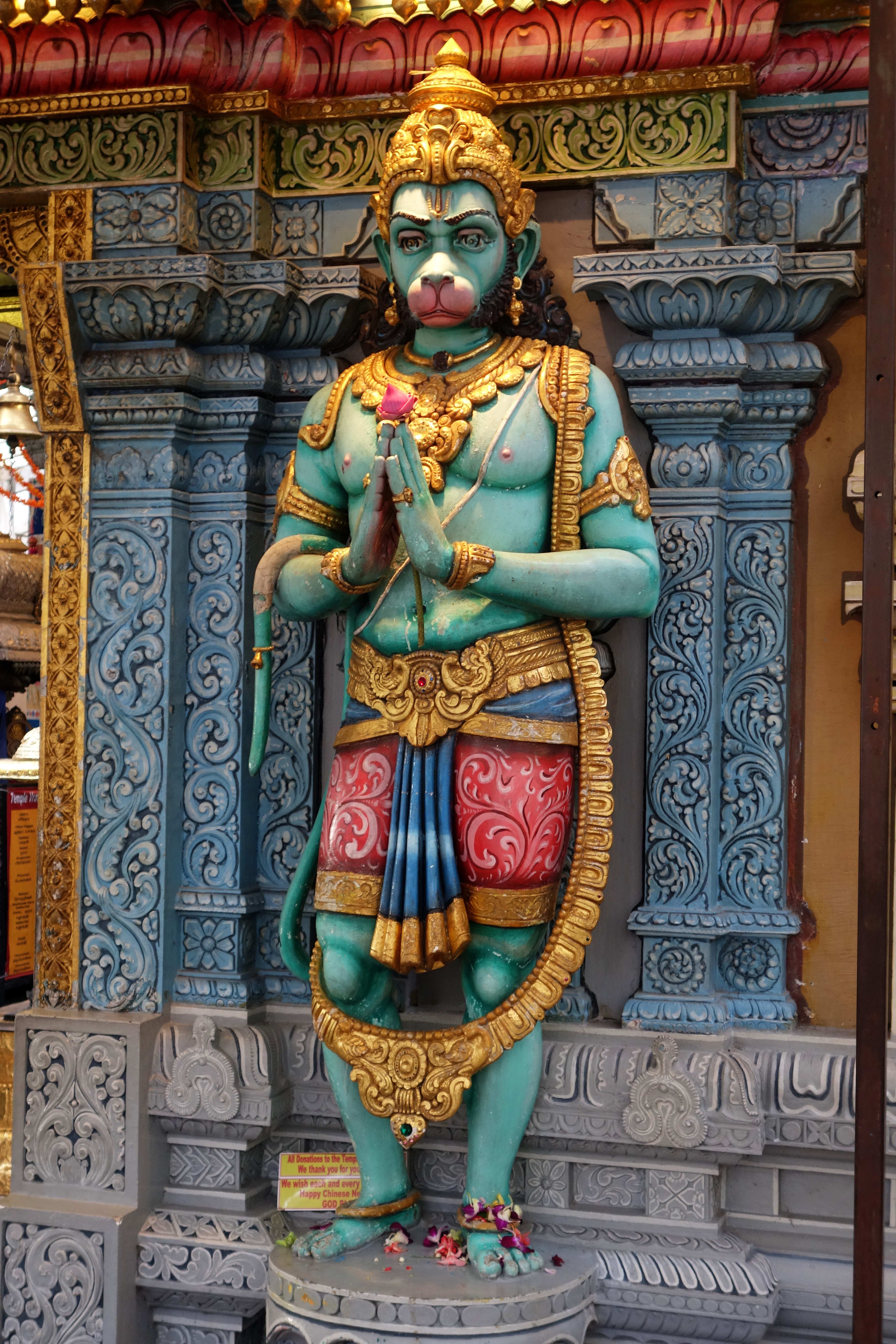
Sankat Mochan Veer Hanuman Mandir in Nashik is a 16th-century temple dedicated to Lord Hanuman, revered as the reliever of troubles and liberator from difficulties.
Sita Gufa
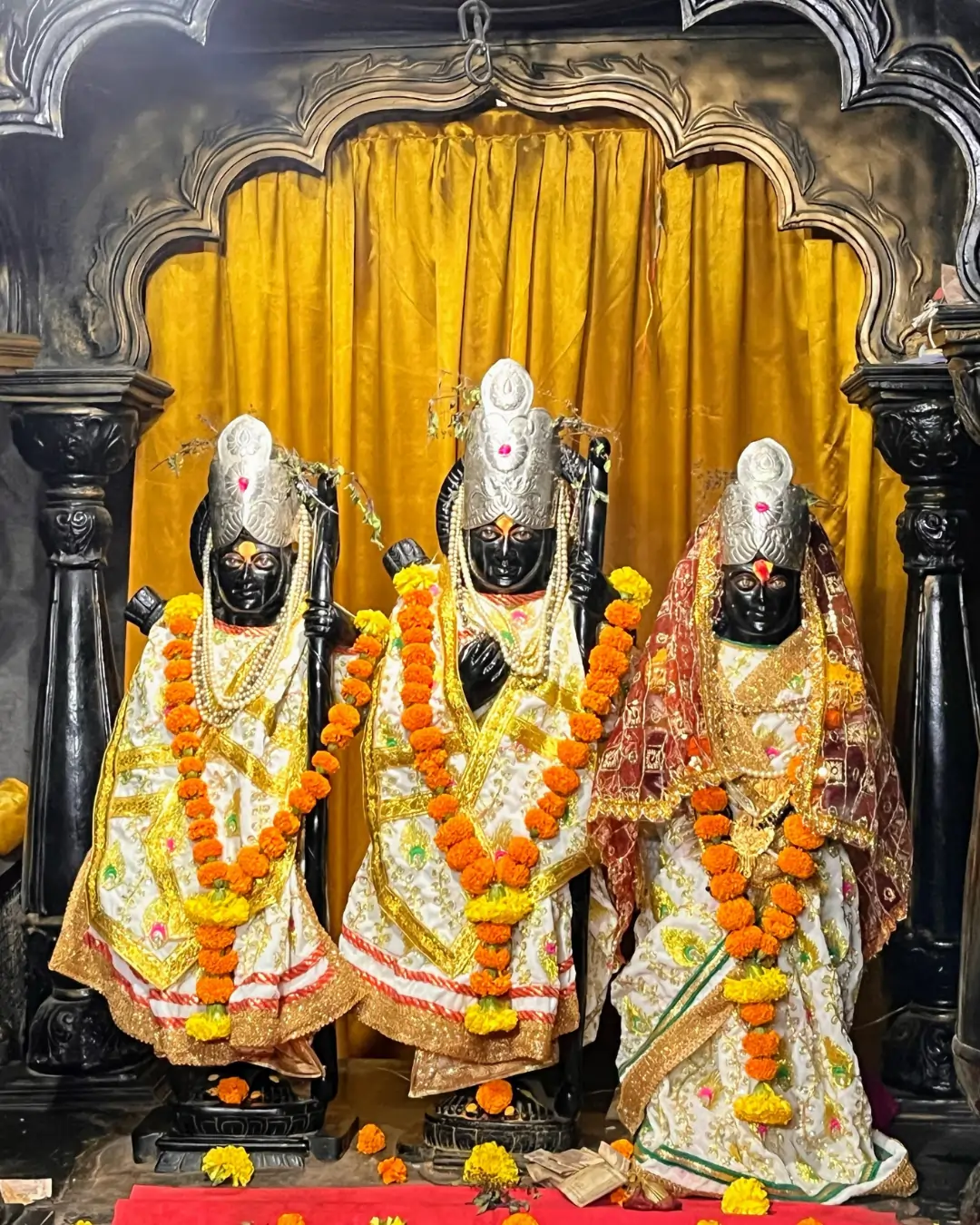
Sita Gufa is a sacred natural cave shrine in Nashik's Panchavati region, revered for its connection to Sita from the Ramayana and as a site of Shiva worship.

Dakshin Mukhi Maruti Mandir
Dakshin Mukhi Maruti Mandir in Nashik is a south-facing temple dedicated to Hanuman, featuring a garden sanctuary setting with daily worship and traditional rituals.

Namdeo Vitthal Temple
Namdeo Vitthal Temple is a Hindu place of worship located in Nashik, Maharashtra, situated on College Road in the Canada Corner area.