Kukdeshwar Temple
About Kukdeshwar Temple
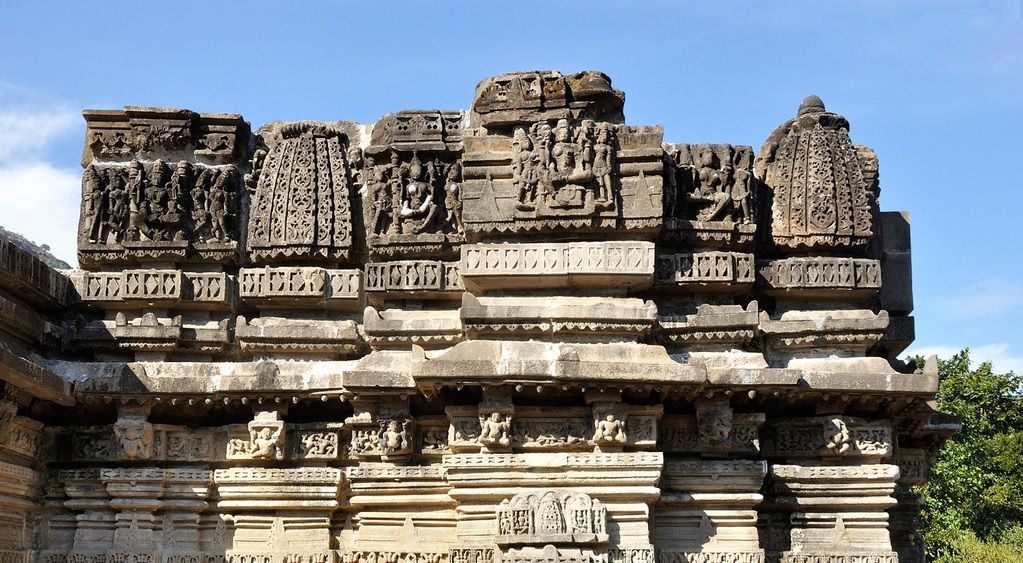
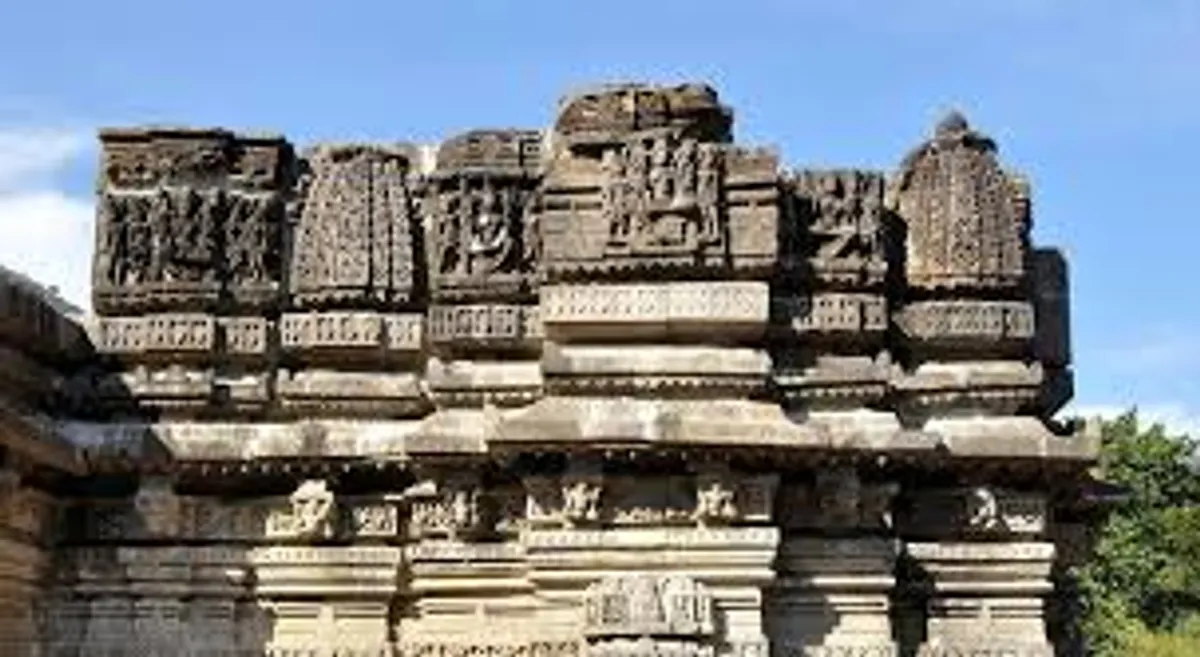
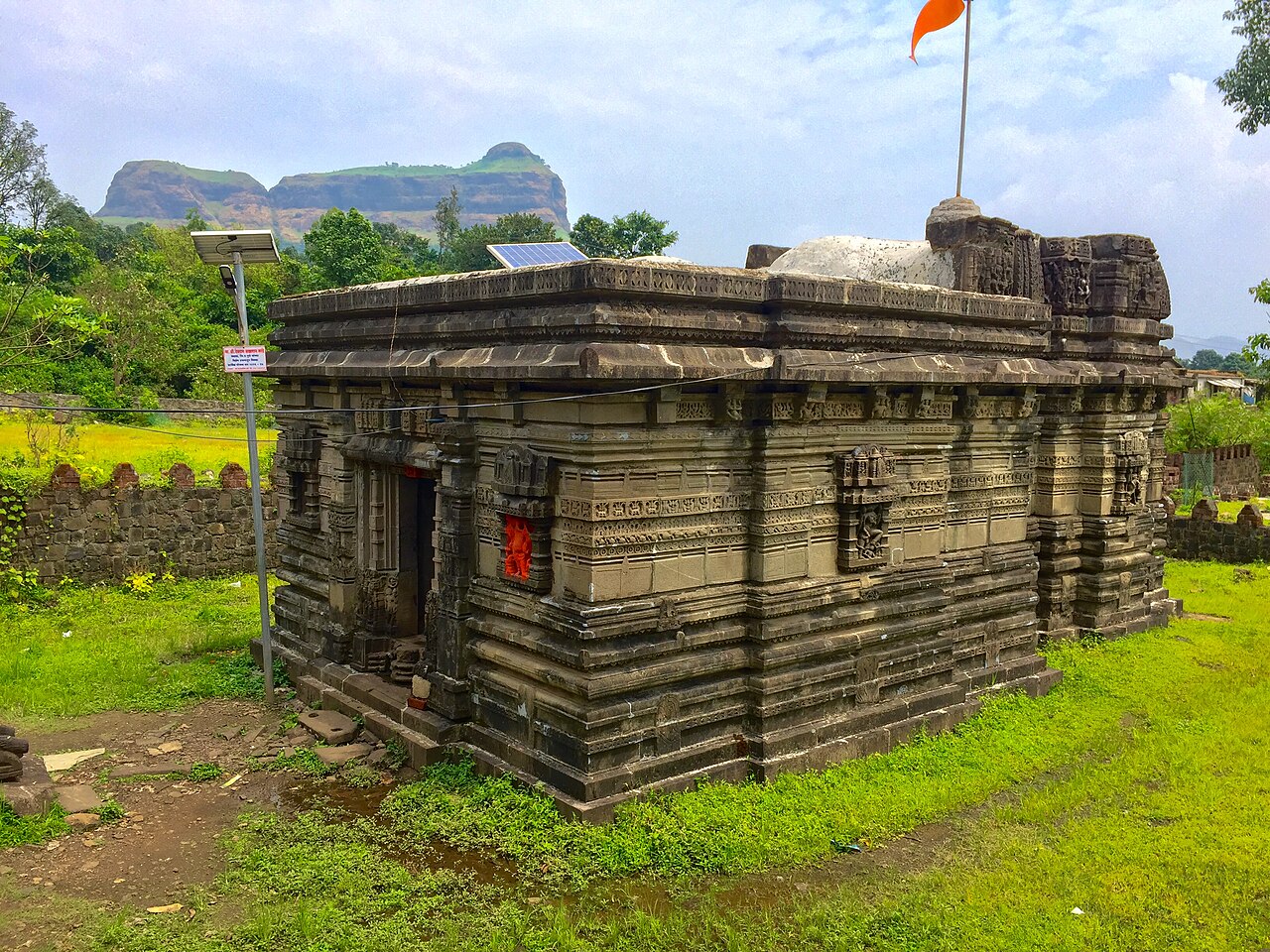
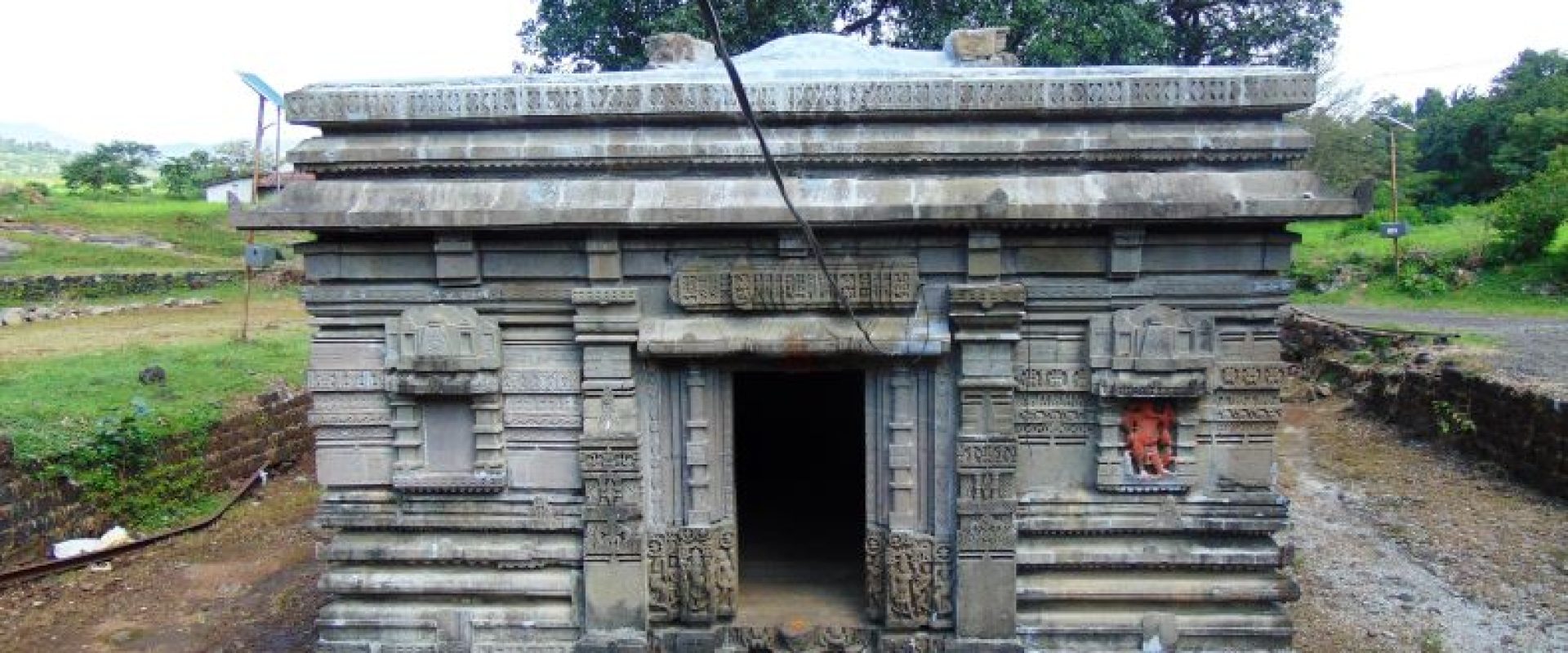
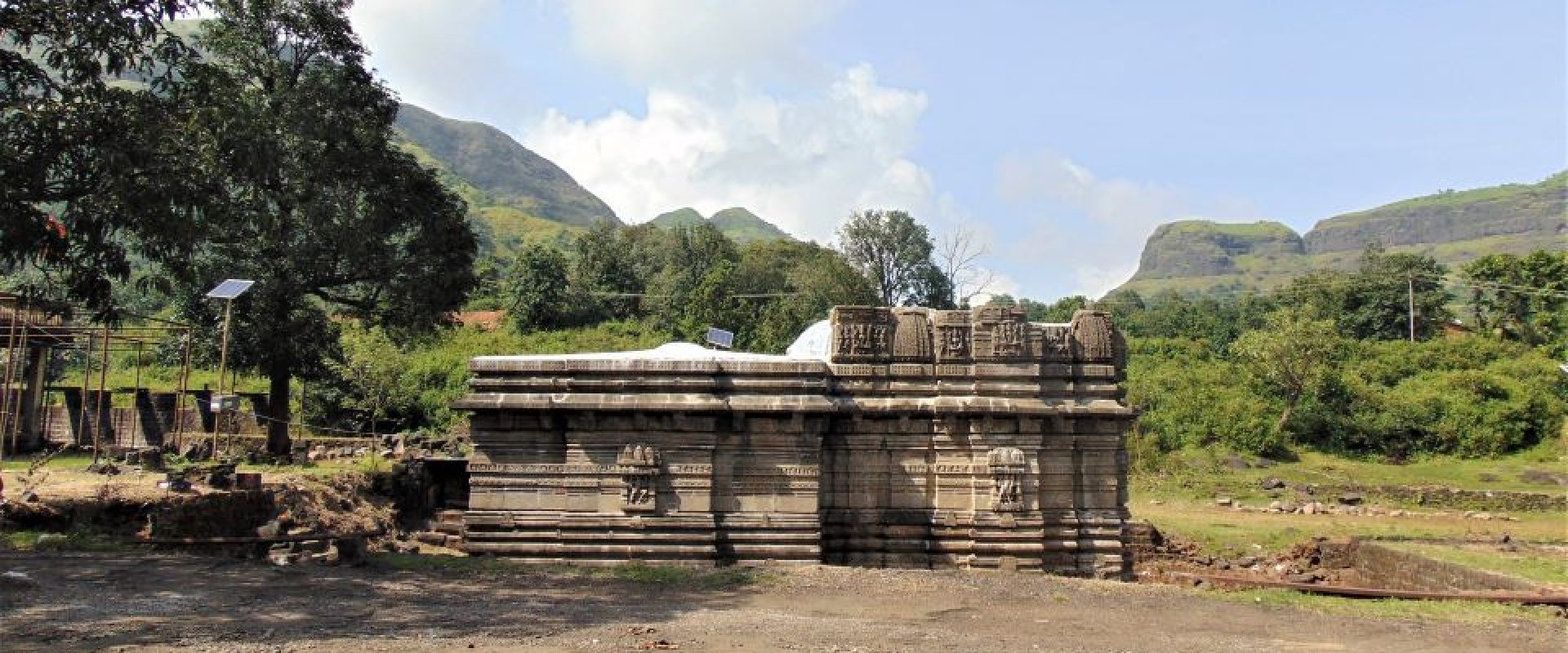
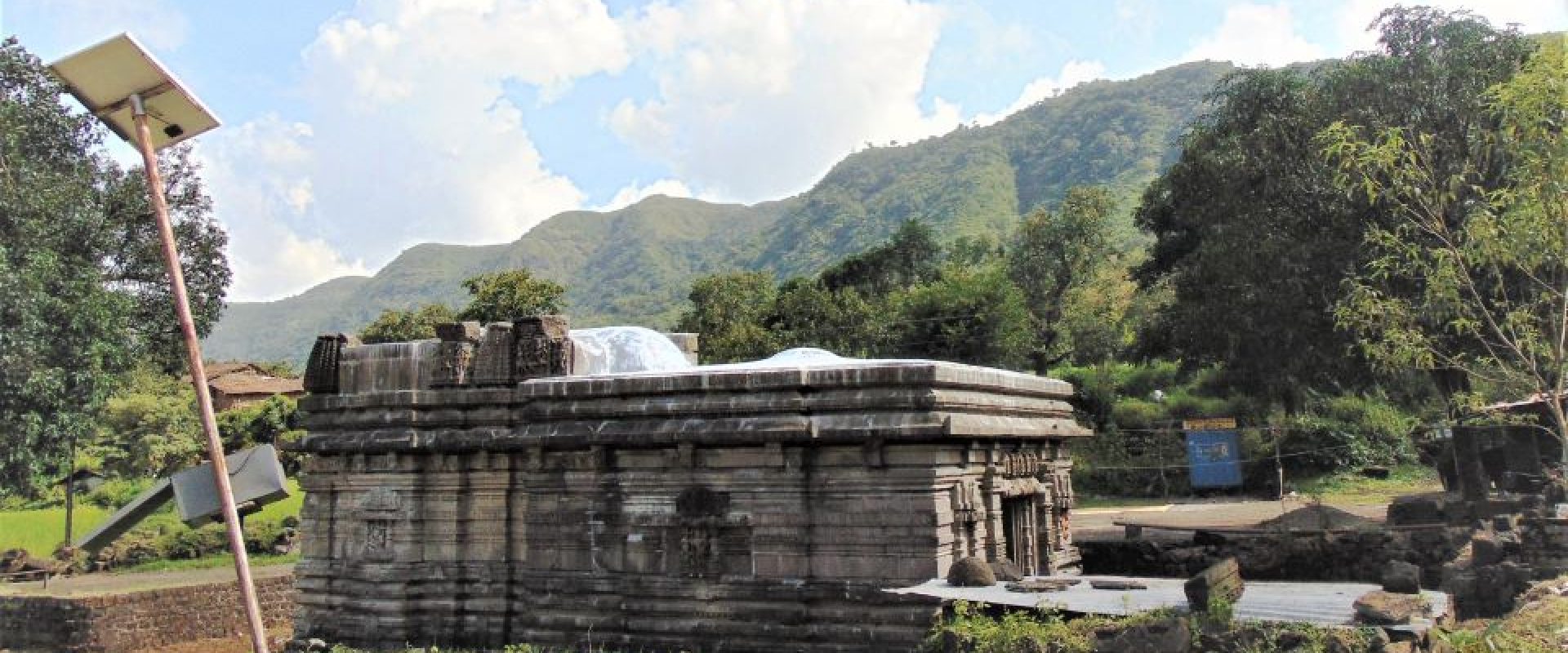
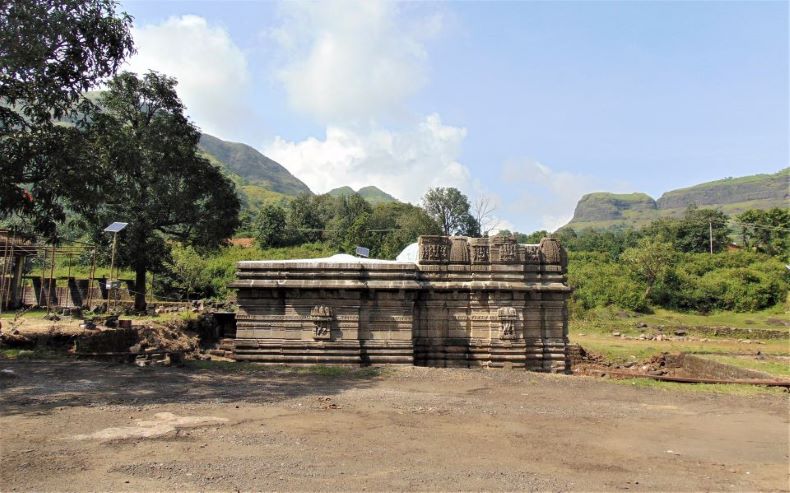
The temple was built in the 12th or 13th century CE using the Hemadpanthi architectural style, a distinctive approach to temple construction developed in the Deccan region. This style is characterized by the use of stone and careful proportioning of structural elements. Kukdeshwar Temple is particularly noted for its beautiful stone carvings and sculptures, which reflect the craftsmanship of its medieval builders. The temple's age and riverside exposure have taken their toll; the roof is in a deteriorated state, and visitors should be aware that some areas may be unsafe or cordoned off. These conditions are part of the temple's history rather than a reflection of current neglect, and they add to the sense of encountering an ancient sacred site.
Daily Worship and Darshan
The temple opens daily from 6:00 AM to 9:00 PM, accommodating both early risers and evening visitors. Two formal aartis—ceremonial offerings of light and prayers to Shiva—structure the principal times of worship. The morning aarti takes place at 6:00 AM, and the evening aarti at 7:00 PM. These rituals mark moments when the community gathers for darshan, the viewing and receiving of blessings from the deity. Visitors are welcome to participate in these ceremonies or to visit at other times during open hours. The aartis offer a window into living Hindu practice and the rhythms that have ordered worship at this site for centuries.
Festivals and Seasonal Gatherings
Throughout the year, several festivals bring additional devotees to the temple. Karwa Chauth, observed in October, is traditionally marked by fasting and is observed for the wellbeing of spouses. Hanuman Jayanti in April commemorates the birth of Hanuman, the monkey deity revered in Hindu tradition. Guru Purnima in July honours spiritual teachers and gurus. The temple also hosts a fair on the tenth day of the bright half of the month of Bhadrapada. During these festival periods, the temple becomes particularly decorated and busy with gatherings. Visitors planning to attend on a festival date should confirm timings in advance, as schedules may vary from the standard daily hours.
Visiting: Etiquette and Practical Considerations
As an active place of worship, the temple follows customary Hindu practices. Remove your footwear before entering the sanctum and dress modestly out of respect for the sacred space. Photography policies are not specified in available sources; it is respectful to ask permission before photographing the interior or during rituals. The temple's age and riverside location mean that facilities such as rest areas or refreshment stands may be limited. Bring water, particularly during warmer months. The approach to the temple may involve walking through rural terrain, so wear appropriate footwear. Be aware of the damaged roof condition and respect any barriers or guidance from temple staff regarding unsafe areas.
Best Times to Visit and Weather
The period from October to March offers the most pleasant weather for a visit, with cooler temperatures and lower humidity. These months are ideal for exploring the temple and the surrounding landscape without the discomfort of intense heat. Festival periods, while busier, offer special decorations and the energy of community gatherings, which some visitors may find spiritually enriching.
How to Reach Kukdeshwar Temple
The temple is located approximately 15 kilometres west of Junnar, the nearest town, which serves as the main reference point for directions and supplies. The GPS coordinates are 19.24048432493986°N, 73.72175160286065°E, which can be entered into mapping applications for navigation. Chavand Fort, also known as Prasannagad, stands about 3 kilometres away, making it possible to combine a temple visit with exploration of this historic fortification. Plan your journey to allow time for the rural approach and to fully experience the riverside setting that has made this temple a sanctuary for over a thousand years.
How to reach
Temples near Kukdeshwar Temple
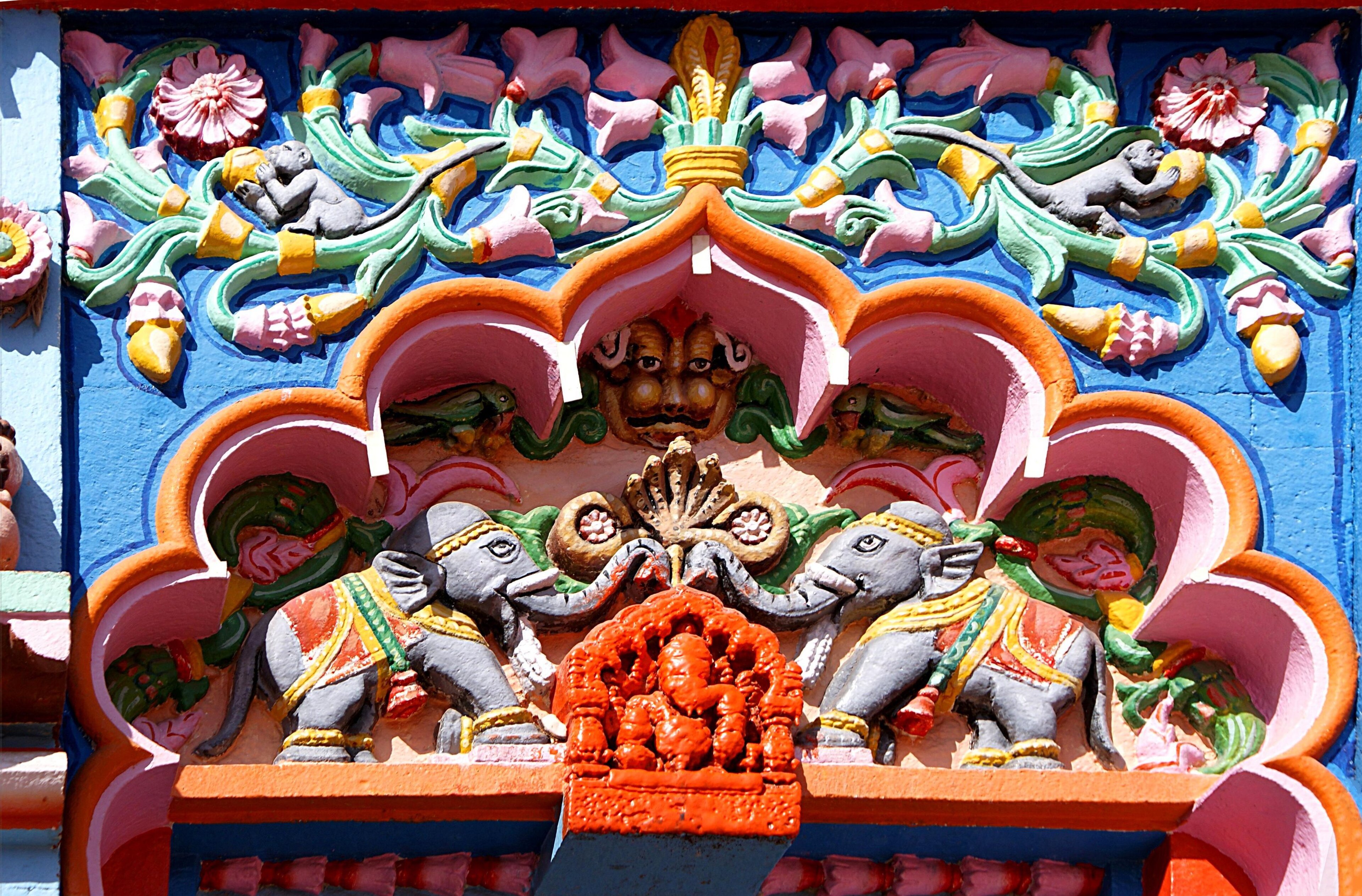
Vigneshwara Temple, Ozar
Vigneshwara Temple in Ozar is one of Maharashtra's eight sacred Ashtavinayaka shrines dedicated to Ganesha, celebrated for its golden spire and the deity's victory over the demo…
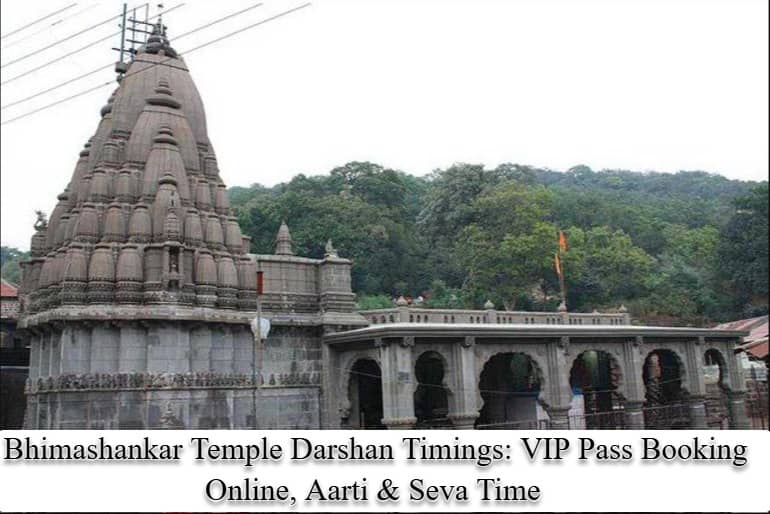
Bhimashankar Temple
Bhimashankar Temple is an ancient Hindu shrine dedicated to Shiva, housing one of the twelve sacred Jyotirlingas in Maharashtra's Sahyadri hills near Pune.
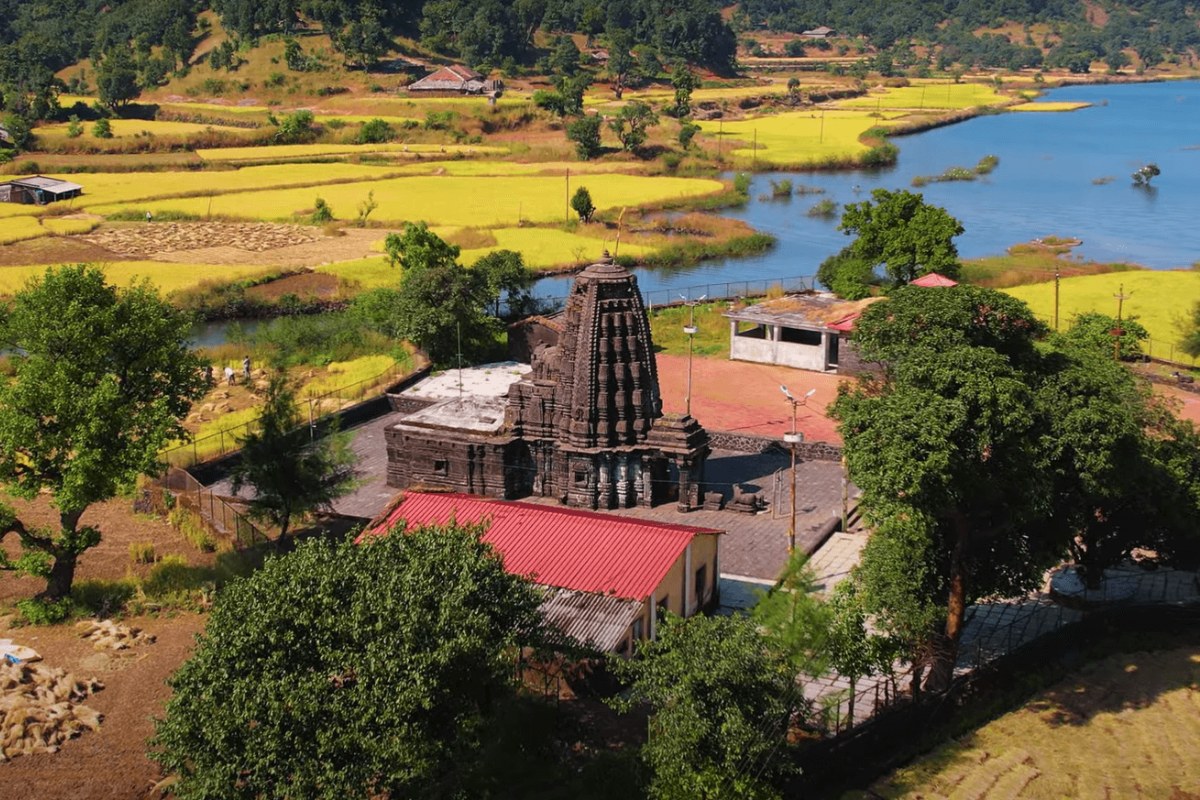
Amruteshwar Temple
Amruteshwar Temple is an intricately carved Shiva shrine in Ratanwadi, Maharashtra, built during the 9th century CE by the Shilahara dynasty rulers. Over 1200 years old, it feat…
Gajanan Maharaj Temple, Kanhor
Gajanan Maharaj Temple in Kanhor is a small shrine dedicated to Sant Gajanan Maharaj, constructed by devotees in the Badlapur area of Thane district, Maharashtra.

Siddhivinayak Mahaganapati Temple
The Siddhivinayak Mahaganapati Temple in Mumbai's Prabhadevi neighbourhood is dedicated to Lord Ganesha and draws devotees seeking blessings for marriage and reunion of separate…
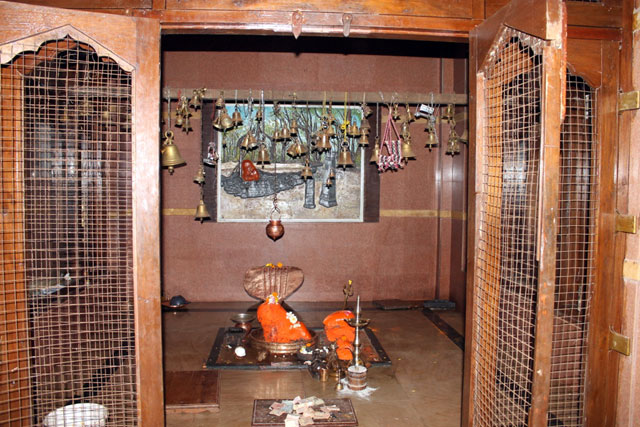
Pisharnath Mahadev Mandir
Pisharnath Mahadev Mandir is an ancient Shiva temple in Matheran, Maharashtra, housing a self-manifested lingam in an extraordinary L-shape, serving as the village deity for the…