
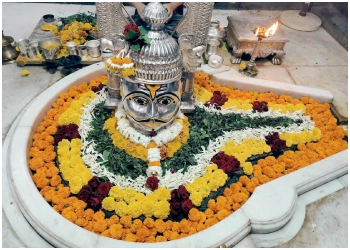
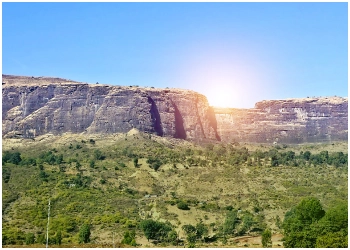
Trimbakeshwar Temple
About Trimbakeshwar Temple
The temple as it stands today was built between 1740 and 1760 by Balaji Bajirao, the third Peshwa, though it was constructed on the site of an earlier shrine. The structure incorporates four entry gates positioned at the cardinal directions—east, west, south, and north—each carrying symbolic meaning within Hindu spiritual tradition. The east gate represents beginning, the west denotes maturity, the south signifies completion, and the north stands for revelation. This directional arrangement reflects deliberate theological planning in the temple's design.
Within the temple premises stands the Kushavarta Kund, a sacred pond built by Shrimant Sardar Raosaheb Parnekar, a historical figure associated with the Indore State. The temple complex also houses genealogical registers maintained by the temple authorities, which hold significance for Hindu families conducting ancestral rites and rituals.
Daily Worship and Darshan
The temple opens for darshan at 05:30 in the morning and remains accessible until 21:00 in the evening. Three principal aartis structure the day's worship: the Kakad Aarti at dawn (05:30), the Madhyan Puja at midday (13:00), and the Sandhya Aarti in the evening (19:30). These rituals follow the traditional rhythm of Shiva worship observed across temples dedicated to this deity.
Visitors can arrange darshan through the temple's online booking system or obtain passes at the darshan counter. The Shri Trimbakeshwar Devasthan Trust, which manages the temple, also offers online donation options for those wishing to contribute to the shrine's maintenance and operations.
Rituals and Priestly Services
The temple maintains a lineage of authorized purohits (priests) who hold ancient copper inscriptions called tamraptra, which authenticate their right to perform specific rituals. These priests conduct various ceremonies including Narayan Nagbali Puja, Tripindi Shraddha (ancestral rites), Kaal Sarp Yog Puja, Kumbh Vivah, Maha Mrityunjaya Puja, and Rudrabhishek. Devotees seeking to perform these rituals can engage with the temple's purohits through the official channels, either online or in person.
The availability of authorized priests performing rituals with documented lineage makes Trimbakeshwar particularly significant for those conducting ancestral rites and specific remedial pujas within the Shiva tradition.
When to Visit
The months from October through March offer the most comfortable conditions for pilgrimage. During the monsoon season, the surrounding landscape, particularly the Brahmagiri hills, becomes lush and verdant, which some visitors find spiritually evocative, though travel during heavy rains may present practical challenges. The temple operates year-round, accommodating pilgrims according to the daily schedule noted above.
Practical Information
The temple is located in Trimbak, Nashik District, approximately 28 kilometres from Nashik city and 40 kilometres from Nashik Road railway station. Visitors should dress modestly, as is customary at Hindu temples. Shoes are typically removed before entering the inner sanctum. The temple trust provides online services for booking darshan, arranging pujas, and making donations, which can streamline the visit for those planning in advance.
Accommodation options exist in the form of Bhaktniwas (pilgrim lodges) managed by the temple trust, which can be booked through their online portal. This allows visitors to stay within or near the temple complex during their pilgrimage.
How to reach


You may also visit
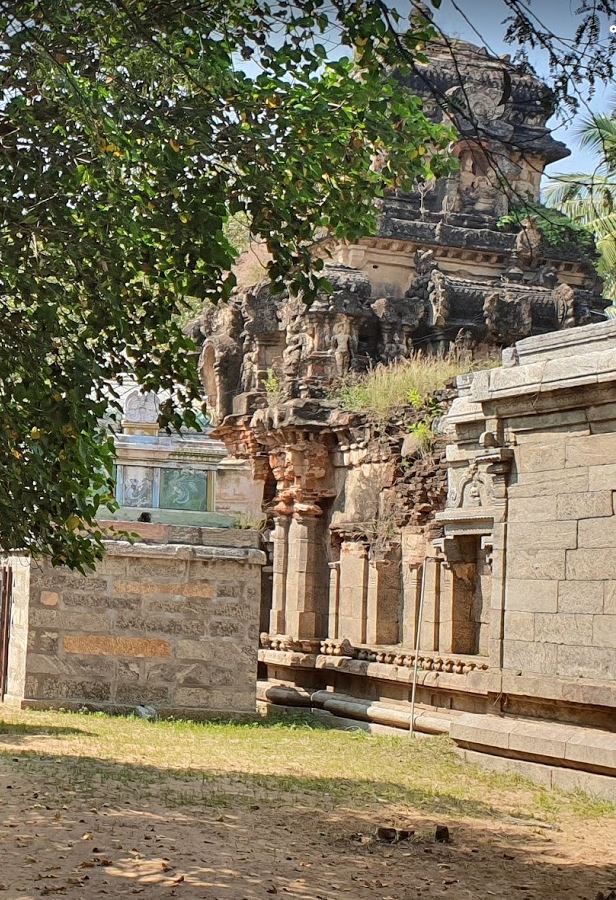
Agatheeswarar Temple, Karur
Agatheeswarar Temple in Thirumukkudalur, Karur district, is an ancient Hindu shrine dedicated to Shiva, situated at the sacred confluence of three rivers and believed to be over 1000 years old.
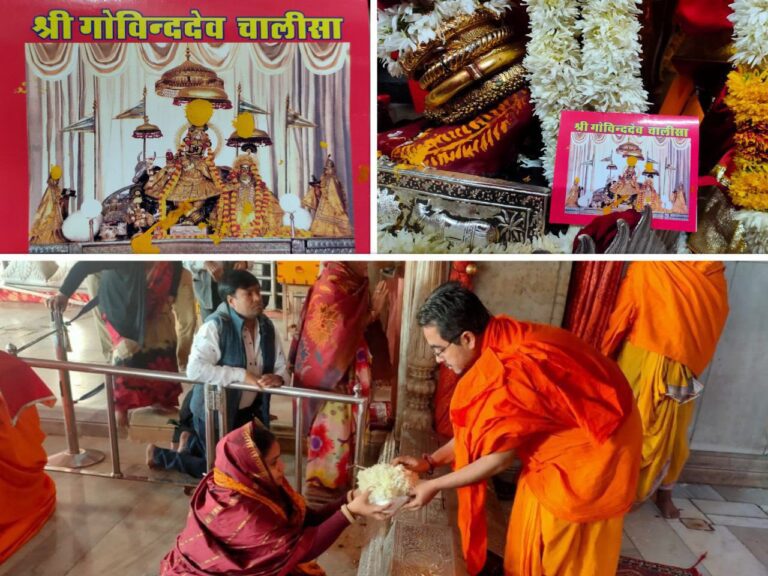
Kalyanji Temple
Kalyanji Temple in Jaipur's Chandpol Bazaar is an ancient Krishna shrine established in the 1820s, renowned for its seven daily aartis and special avatar darshan ceremonies during Akha Teej and Patottsav festivals.
Rani Sati Mandir Mahuda
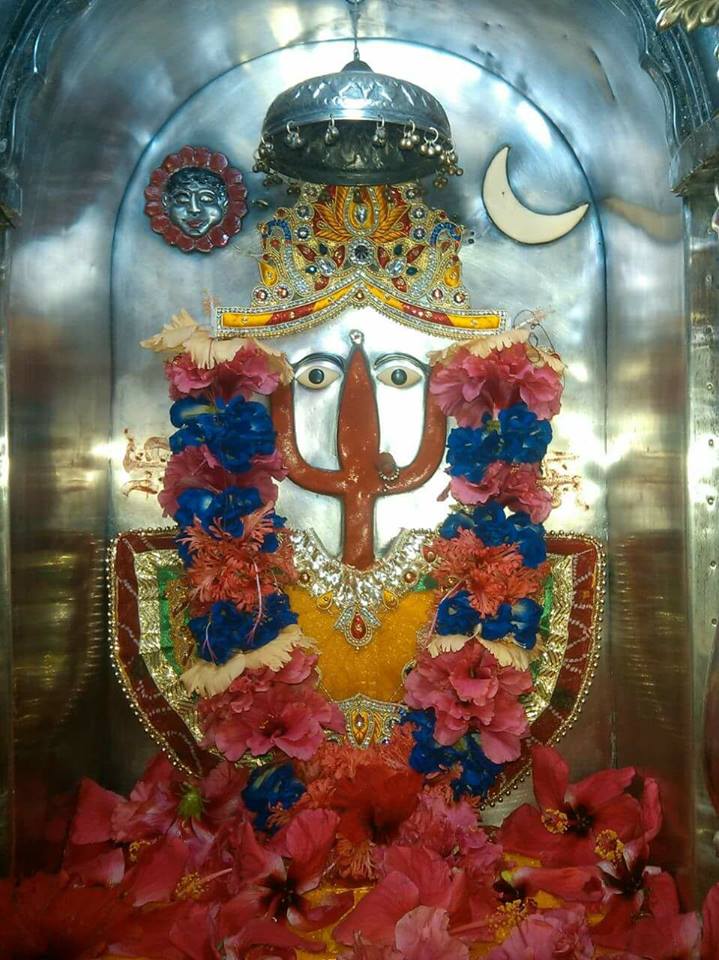
Rani Sati Mandir in Mahuda, Dhanbad District, is a Hindu temple established in 1992 that serves as a spiritual center for the local community and attracts devotees seeking blessings.