Ambika Mata Temple
About Ambika Mata Temple
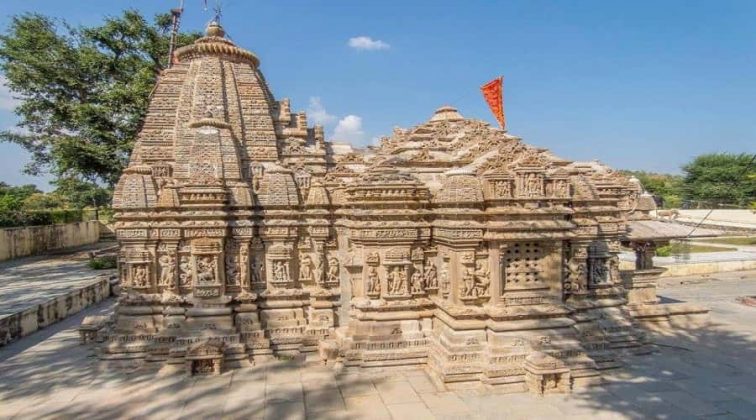
Ambika Mata Temple was established during the 10th century under the reign of Rawal Allata of Mewar. The structure's longevity is documented through inscriptions carved into its walls; the earliest known inscription dates to 961 AD and records a repair undertaken at that time. This record suggests the temple was already in existence and required maintenance even in its early centuries, pointing to its enduring importance as a place of worship.
Today, the temple is preserved and maintained by the State Department of Archaeology and Museum, Rajasthan, ensuring that its historical and artistic elements remain protected for future generations. This official stewardship reflects recognition of the site's cultural significance beyond its role as an active place of worship.
Architecture and Sculptural Splendor
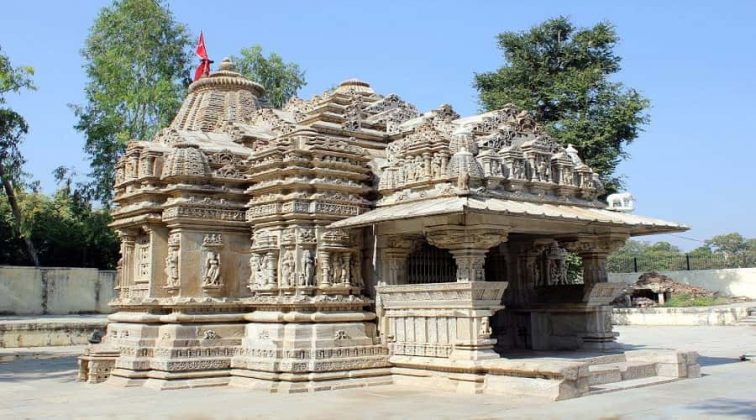
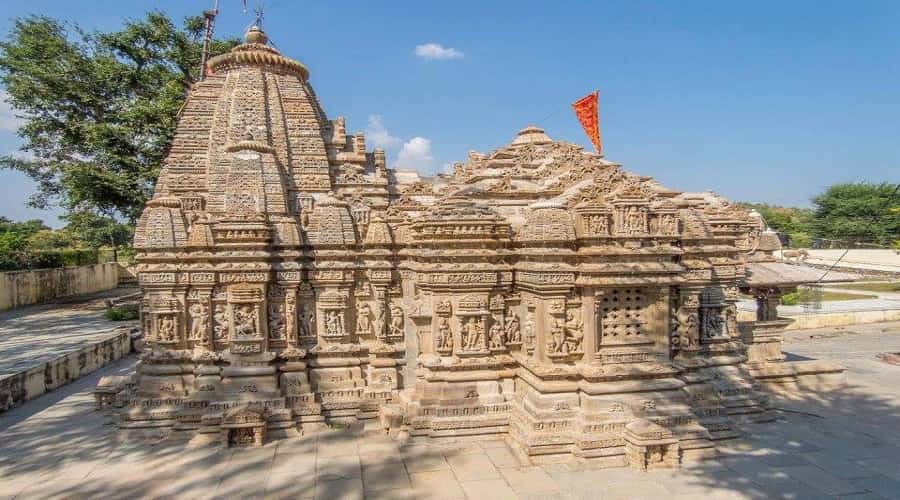
The temple's most distinctive feature is its location within a natural rock cleft, an unusual setting that shapes both its appearance and the visitor's experience of the space. The structure itself follows a pentagonal plan, enclosed by substantial rampart walls and crowned with 17 turrets topped by a roof resembling a pagoda's gabled design. This architectural vocabulary reflects the medieval building traditions of Rajasthan.
The exterior walls are densely carved with large sculptures depicting Hindu deities, celestial musicians, dancers, and singers. Inside, a motif representing a mountain palace creates the impression of a heavenly dwelling. The refinement and abundance of these carvings have led to comparisons with Khajuraho, the celebrated temple complex in Madhya Pradesh, and the temple is sometimes referred to as "Rajasthan's Khajuraho." The sculptures, many depicting Durga and related goddesses, demonstrate skilled craftsmanship and have been carefully preserved by the archaeology department.
Daily Worship and Darshan
The temple opens for darshan—the viewing and worship of the deity—from 6:00 AM to 7:00 PM. Three aartis, the ritual offerings of light and prayer central to Hindu worship, are performed daily: in the morning, at midday, and in the evening. These ceremonies provide opportunities for devotees to participate in formal worship alongside the temple's regular activities.
Entry to the temple is free. Visitors should dress modestly, as is customary at Hindu temples, and remove footwear before entering the inner sanctum. The temple's location within a rock formation means the approach and interior spaces may be uneven; visitors should take care when navigating the site, particularly if mobility is a concern.
Best Time to Visit
The most pleasant season for visiting is between October and March, when Rajasthan's weather is cooler and more comfortable for travel and exploration. During the summer months, temperatures in the region rise significantly, which may make the journey and time spent at the temple less comfortable. The monsoon season brings heavy rainfall that can affect road conditions in rural areas.
Reaching the Temple
Ambika Mata Temple is located in Jagat village, approximately 50 km southeast of Udaipur. The temple is easily reachable by road via taxi, cab, or private vehicle from Udaipur. The nearest railway station is Udaipur City Railway Station, and the nearest airport is Maharana Pratap Airport, also in Udaipur. Visitors traveling from Udaipur should allow time for the journey to the village, as the temple is situated in a rural area away from major urban centers.
How to reach
Temples near Ambika Mata Temple
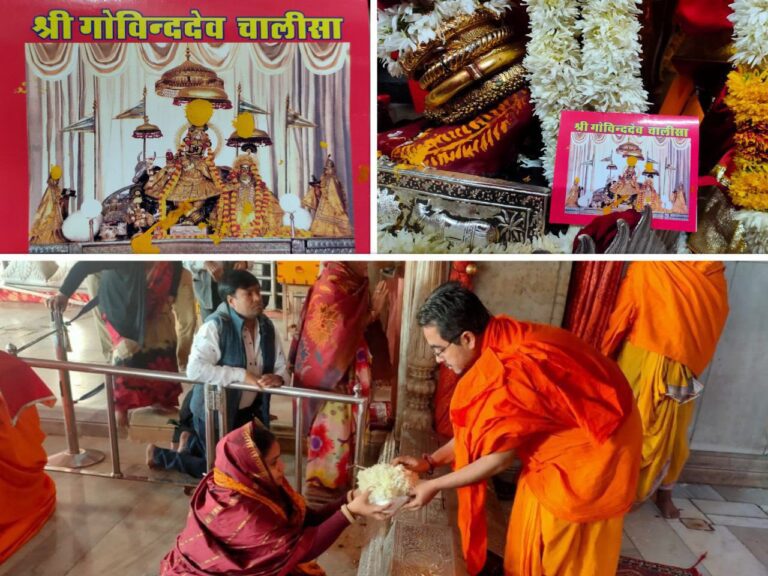
Sanchareswar Mahadev Temple
Sanchareswar Mahadev Temple is a Shiva shrine located in Umarda village, Udaipur, Rajasthan, drawing devotees for worship and festival celebrations throughout the year.
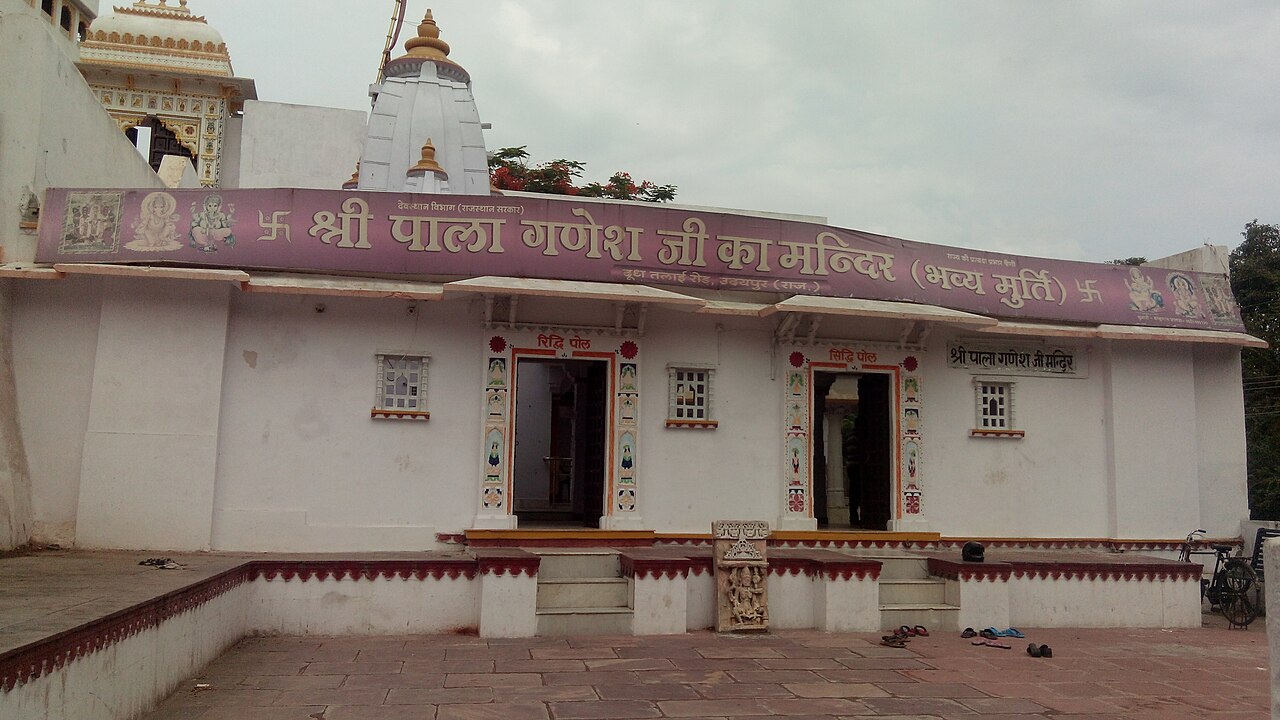
Pala Ganesh Temple
Pala Ganesh Temple is an ancient Hindu shrine dedicated to Lord Ganesh, located near Gulab Bagh in Udaipur and believed to be approximately 500 years old.
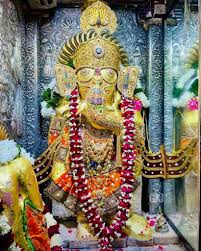
Bohra Ganesh Temple
Bohra Ganesh Temple in Udaipur is a centuries-old shrine dedicated to Lord Ganesh in his dancing form, revered for fulfilling devotees' wishes and removing obstacles.
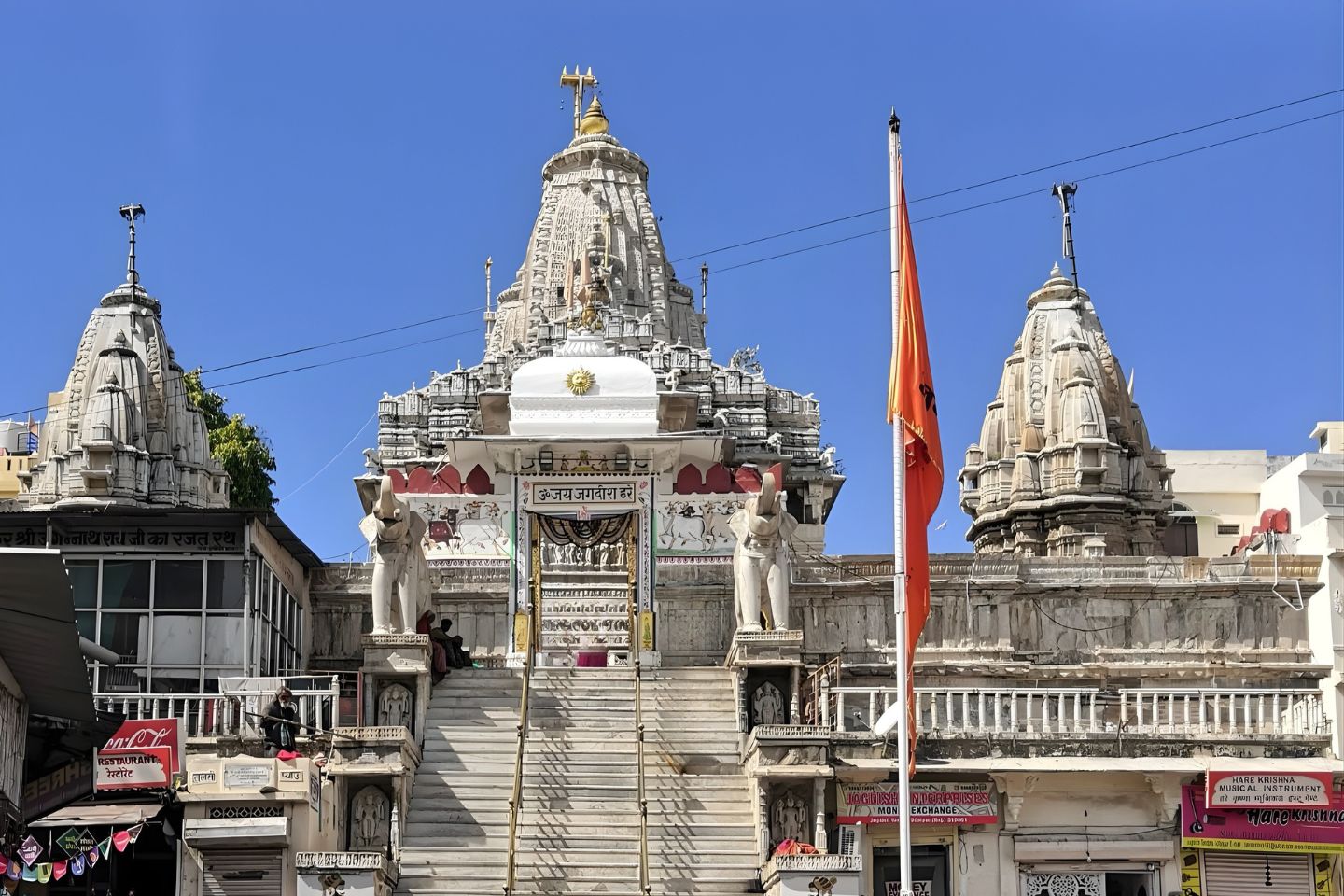
Jagdish Temple, Udaipur
Jagdish Temple is a major Hindu shrine dedicated to Lord Vishnu in central Udaipur, continuously worshipped since 1651. Its Indo-Aryan architecture and prominent location near C…
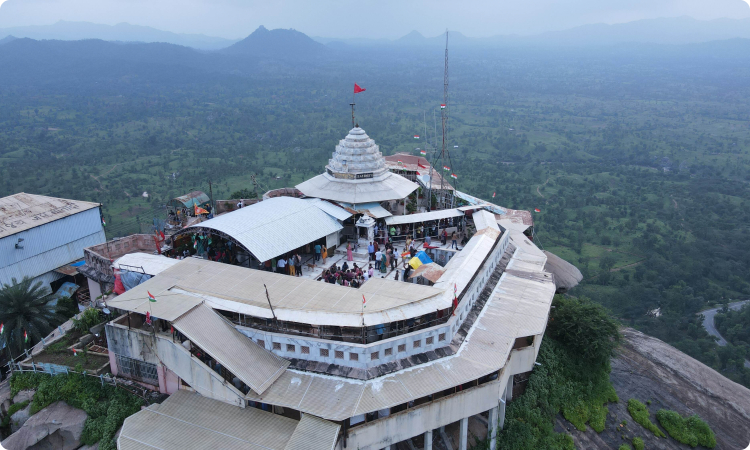
Ambamata Temple
Ambamata Temple in Udaipur is a major Hindu place of worship constructed by Maharana Raj Singh, dedicated to the goddess Amba Mata and revered as a significant spiritual center…
Neemach Mata Temple
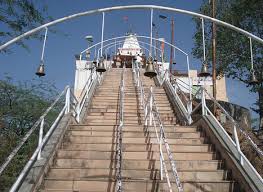
Neemach Mata Temple crowns a verdant hill overlooking Fateh Sagar Lake in Udaipur, requiring a 900-metre ascent through forest to reach the shrine of the Maharanas' clan goddess.