Sanchareswar Mahadev Temple
About Sanchareswar Mahadev Temple
Temples of the Shiva tradition typically maintain regular schedules for darshan and ritual worship throughout the day. However, specific information about Sanchareswar Mahadev's exact darshan timings, aarti schedules, and puja ceremonies is not documented in available sources. Visitors planning a trip should contact the temple directly or make local inquiries in Udaipur to confirm current worship schedules before arrival, as these may vary seasonally or according to local observance.
The temple conducts the daily rituals and ceremonies that form the rhythm of worship at Shiva shrines. Devotees typically visit during daylight hours when the temple is most active, though the precise opening and closing times require confirmation with temple authorities or local guides familiar with current practices.
Festivals and Sacred Occasions
The temple observes several significant festivals throughout the year, including Diwali, Karwa Chauth, and Kartik Purnima. These occasions draw devotees who gather to participate in special rituals and celebrations. Diwali, the festival of lights, and Kartik Purnima, observed during the full moon in the Hindu month of Kartik, are particularly important in the Shiva tradition. Karwa Chauth, traditionally observed by married women, also brings worshippers to the temple. Visiting during these festival days offers a richer experience of the temple's spiritual life, though visitors should expect larger crowds and plan accordingly.
Visitor Etiquette and Practical Considerations
Visitors to Hindu temples are generally expected to observe conventions of respect. Modest dress is customary—covering shoulders and knees is considered appropriate when entering the temple. Footwear is typically removed before entering the inner sanctum or prayer areas, though specific practices may vary at individual temples. It is respectful to ask permission before photographing the deity or sacred spaces, as photography policies differ between temples.
Since detailed information about facilities, amenities, and specific visitor guidelines at Sanchareswar Mahadev is not available in documented sources, visitors should plan with realistic expectations for a village temple setting. The temple may have limited facilities compared to larger urban shrines. Arriving with flexibility and a willingness to adapt to local customs will enhance the visit. Speaking with local guides in Udaipur or contacting the temple in advance can provide practical guidance on current conditions and any particular observances.
Location and Access
Sanchareswar Mahadev Temple is situated in Umarda village, Udaipur, Rajasthan, at coordinates 24.52, 73.74. The temple's village location means that visitors should arrange transportation accordingly. Udaipur, a major city in Rajasthan, serves as the nearest urban center from which to reach the temple. Local taxis, auto-rickshaws, or hired vehicles are typical means of reaching village temples in the region. Visitors unfamiliar with the area should seek directions from their accommodation in Udaipur or consult with local residents for the most direct route.
Best Times to Visit
Daylight hours are the most suitable time for visiting the temple, when worship is active and the shrine is fully accessible. The festival days of Diwali, Karwa Chauth, and Kartik Purnima offer particularly auspicious occasions for darshan, though these periods will attract more visitors. Those seeking a quieter experience may prefer visiting on ordinary days, while those wishing to participate in festival celebrations should plan their trip around these dates. Checking the Hindu calendar in advance will help align your visit with these significant observances.
How to reach
Temples near Sanchareswar Mahadev Temple
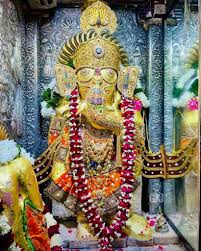
Bohra Ganesh Temple
Bohra Ganesh Temple in Udaipur is a centuries-old shrine dedicated to Lord Ganesh in his dancing form, revered for fulfilling devotees' wishes and removing obstacles.
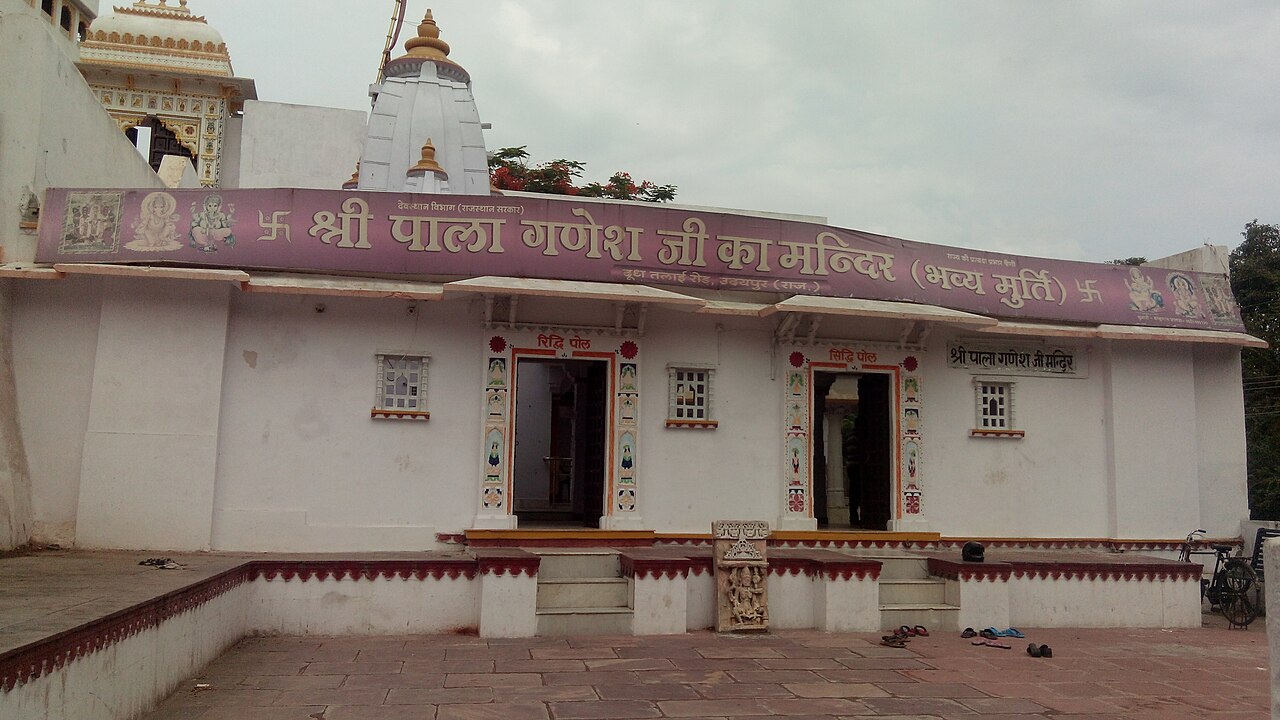
Pala Ganesh Temple
Pala Ganesh Temple is an ancient Hindu shrine dedicated to Lord Ganesh, located near Gulab Bagh in Udaipur and believed to be approximately 500 years old.
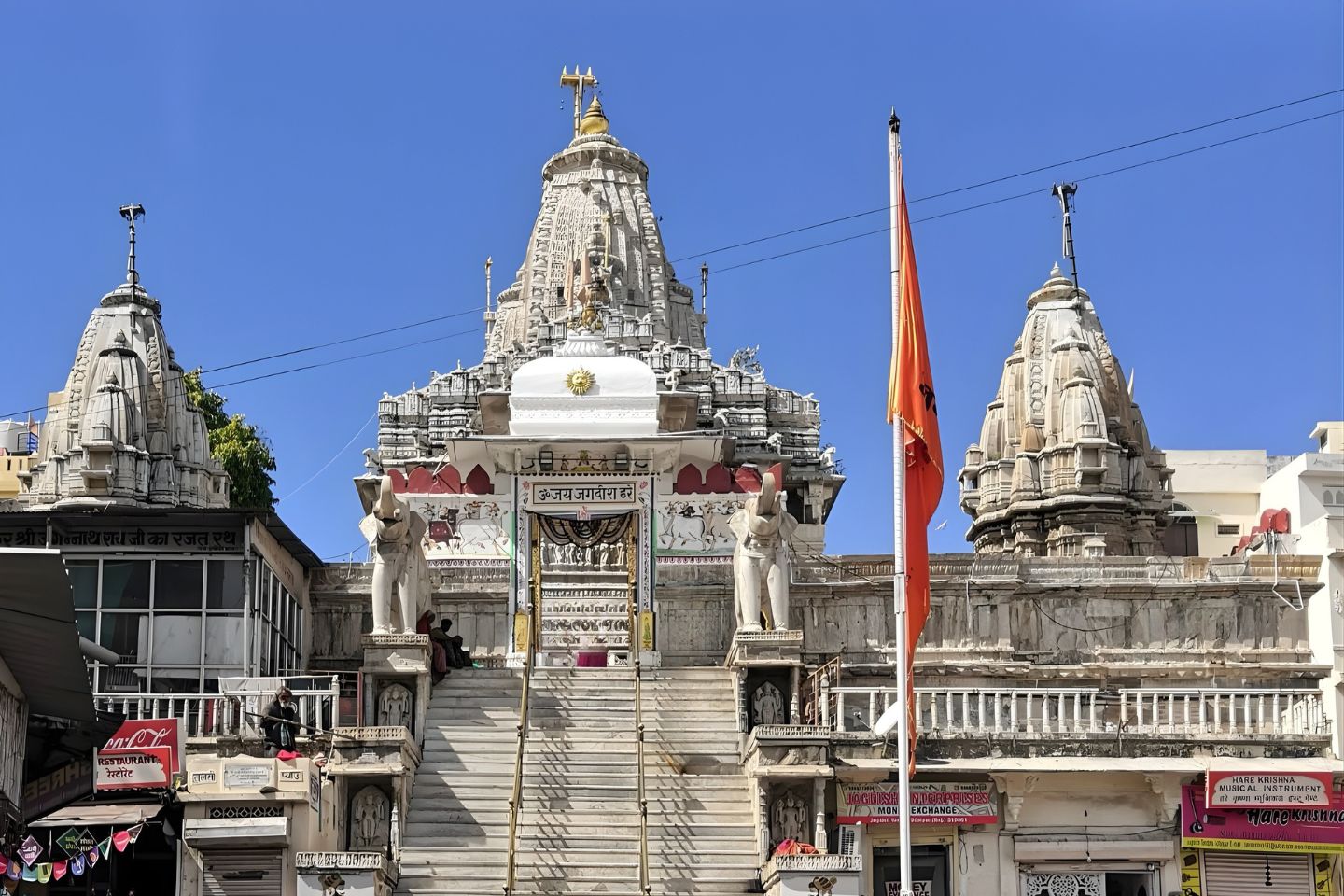
Jagdish Temple, Udaipur
Jagdish Temple is a major Hindu shrine dedicated to Lord Vishnu in central Udaipur, continuously worshipped since 1651. Its Indo-Aryan architecture and prominent location near C…
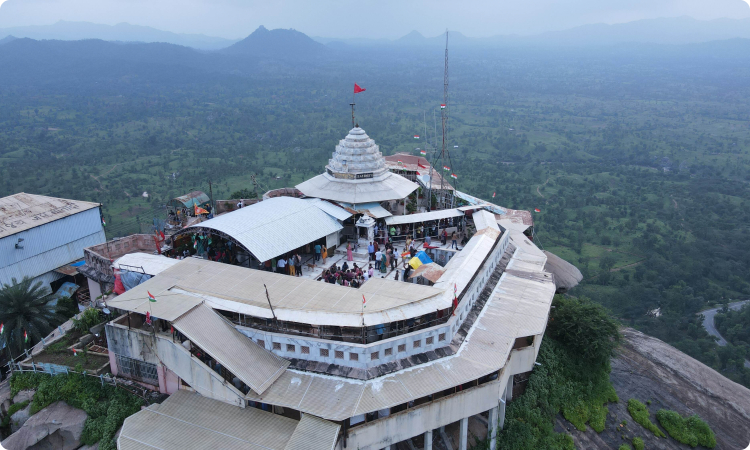
Ambamata Temple
Ambamata Temple in Udaipur is a major Hindu place of worship constructed by Maharana Raj Singh, dedicated to the goddess Amba Mata and revered as a significant spiritual center…
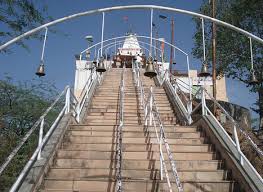
Neemach Mata Temple
Neemach Mata Temple crowns a verdant hill overlooking Fateh Sagar Lake in Udaipur, requiring a 900-metre ascent through forest to reach the shrine of the Maharanas' clan goddess.
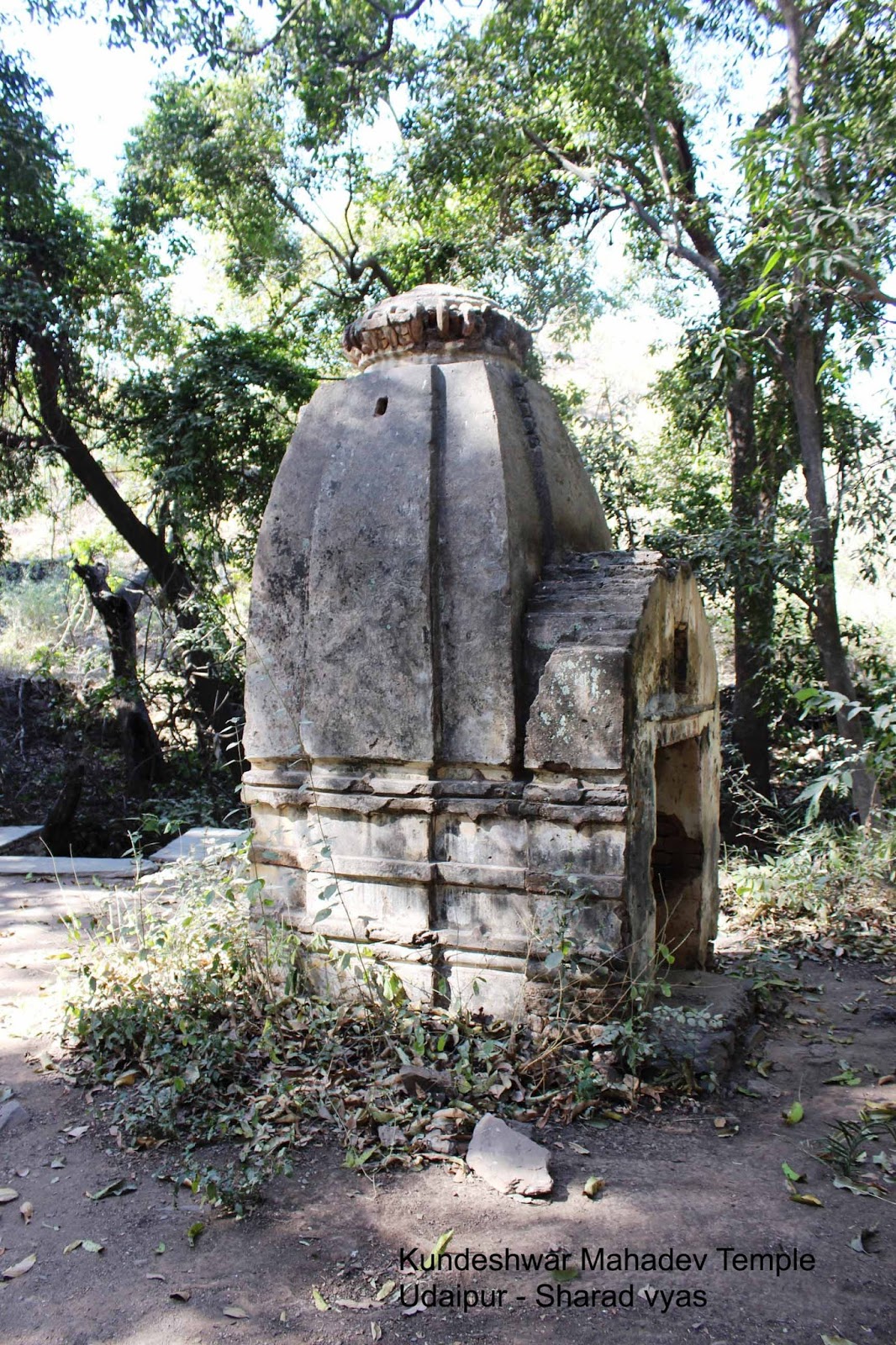
Kukdeswar Ji Mahadev
Kukdeshwar Mahadev Temple is an ancient shrine dedicated to Lord Shiva, built in the 12th–13th century CE using Hemadpanti architectural style. Located near Junnar in Maharashtr…