Jagdish Temple, Udaipur
About Jagdish Temple, Udaipur
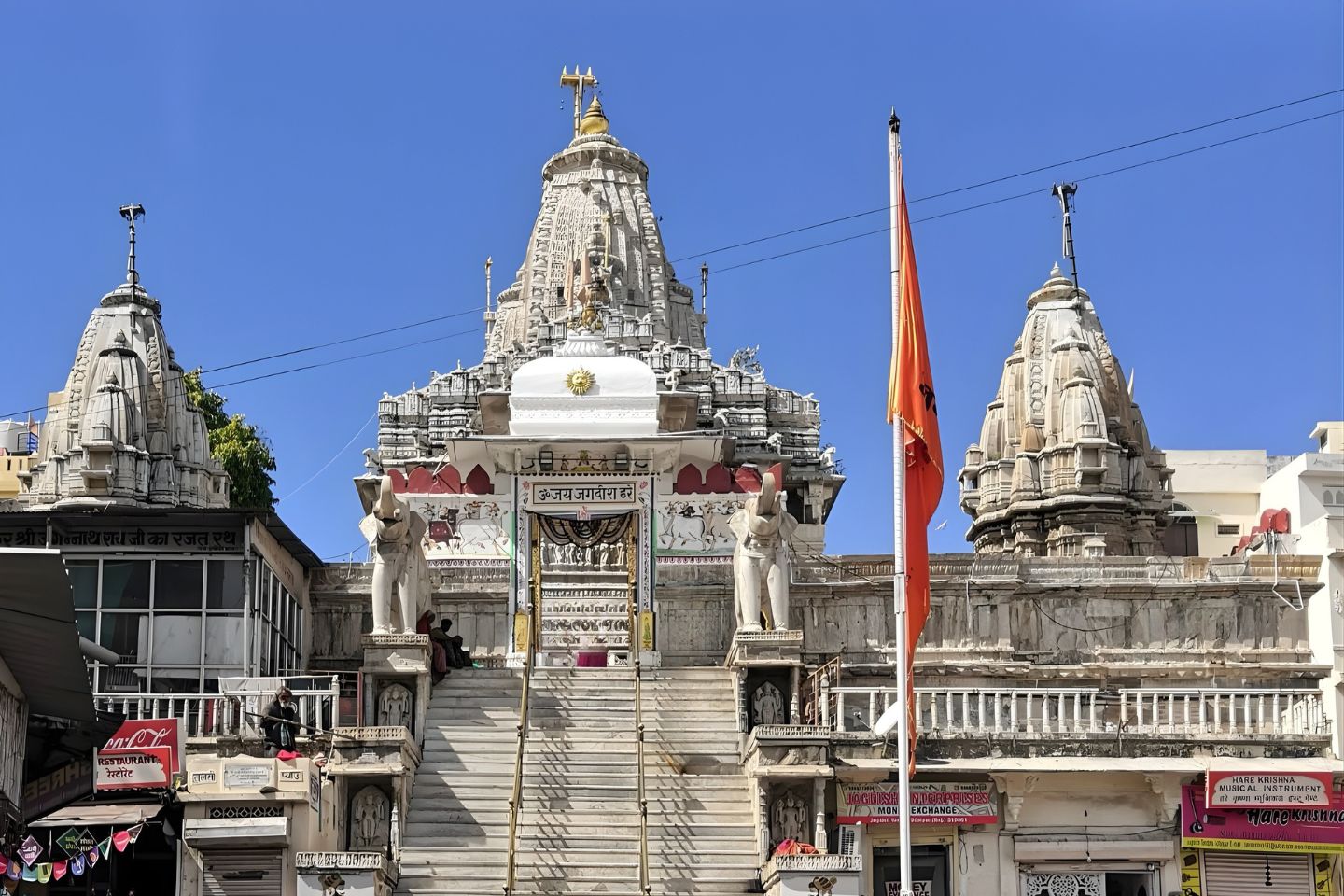
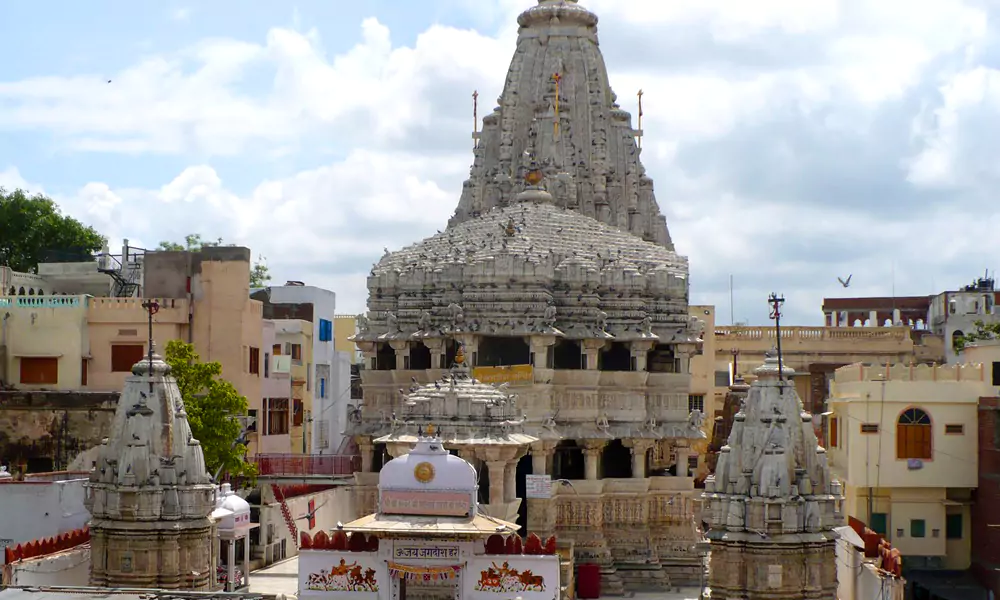
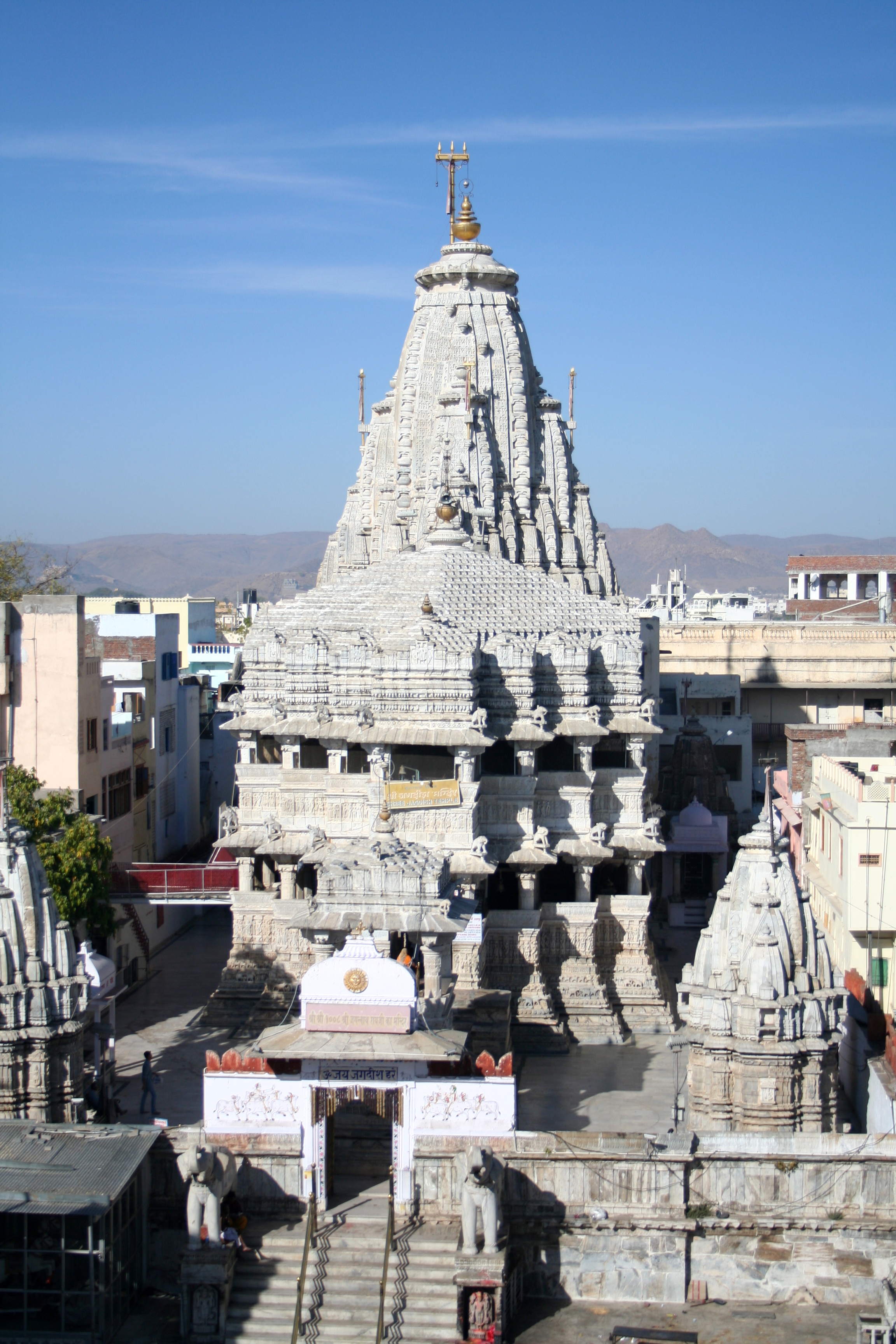
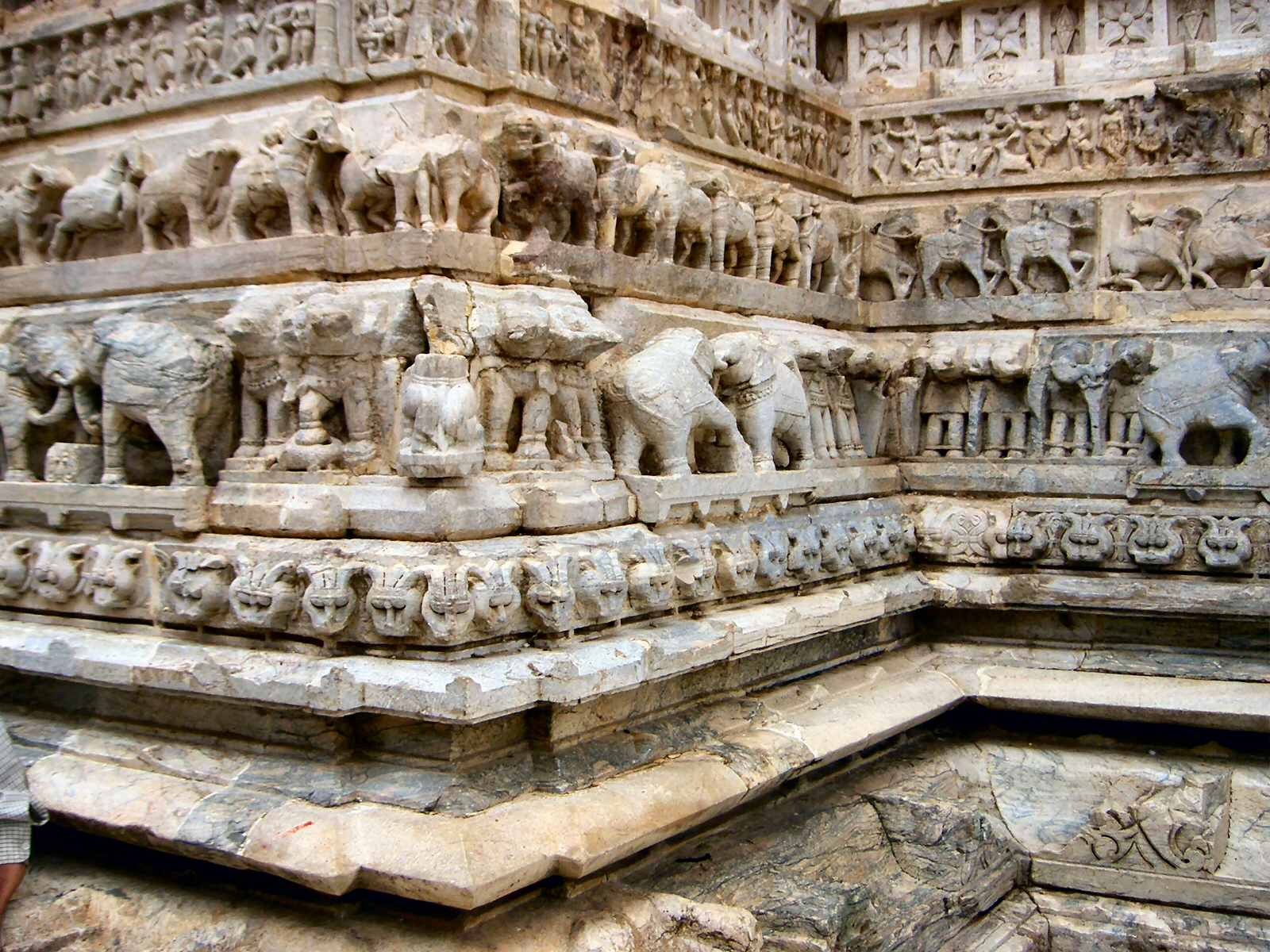
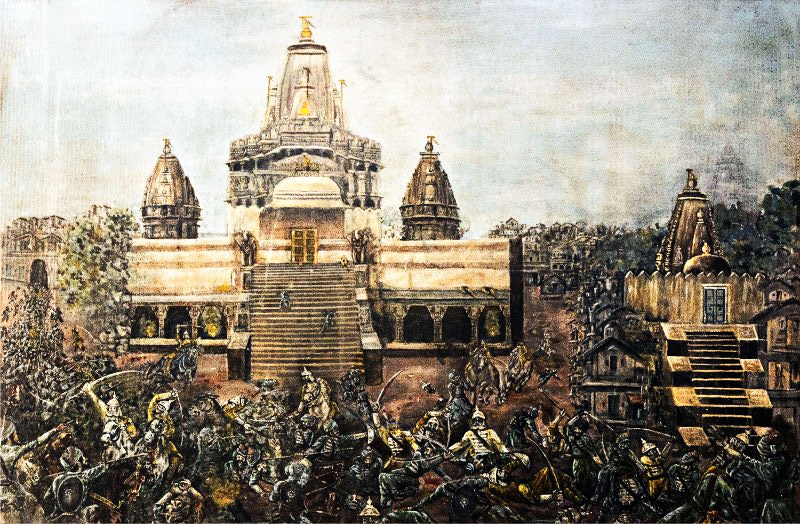
The temple exemplifies Indo-Aryan architectural style, featuring intricate carvings and sculptures throughout its structure. A distinctive tall shikhara rises prominently above the main shrine, visible across the cityscape. Access to the temple requires climbing 32 marble steps, which elevate the sanctum above ground level—a design choice common in Hindu temple architecture that symbolically raises the sacred space. The detailed stonework and sculptural elements reflect the craftsmanship of 17th-century construction, making the building itself a subject of architectural interest alongside its religious function.
Daily Worship and Aartis
The temple observes a structured daily rhythm of worship through multiple aartis—ritual offerings of light and devotion. The day begins with Mangla Aarti, performed in early morning hours that shift seasonally: between 05:00 and 05:50 depending on the season. Throughout the day, additional aartis follow: Dhoop Aarti in the late morning, Shringar Aarti at mid-morning, Rajbhog Aarti at midday, Gwal Aarti in the late afternoon, and Sandhya Aarti at dusk. The temple concludes its daily worship with Shayan Aarti in the evening. These rituals structure the devotional life of the temple and offer visitors opportunities to witness traditional Hindu worship practices.
Visiting Hours and Practical Information
The temple operates on seasonal schedules. From April through September, it opens at 05:00 in the morning and closes at 14:30, then reopens at 16:00 until 22:30. During October through March, opening time shifts to 05:30, with the same afternoon closure and evening reopening until 22:00. Visitors should plan their visit according to these timings and the season of their travel. The temple's location on RJ State Highway 50 makes it accessible by road within Udaipur's city centre. Modest dress is customary when visiting Hindu temples; removing shoes before entering the sanctum is standard practice. Photography policies may vary, and visitors should observe any posted guidelines or ask temple staff for clarification.
The Temple's Historical Significance
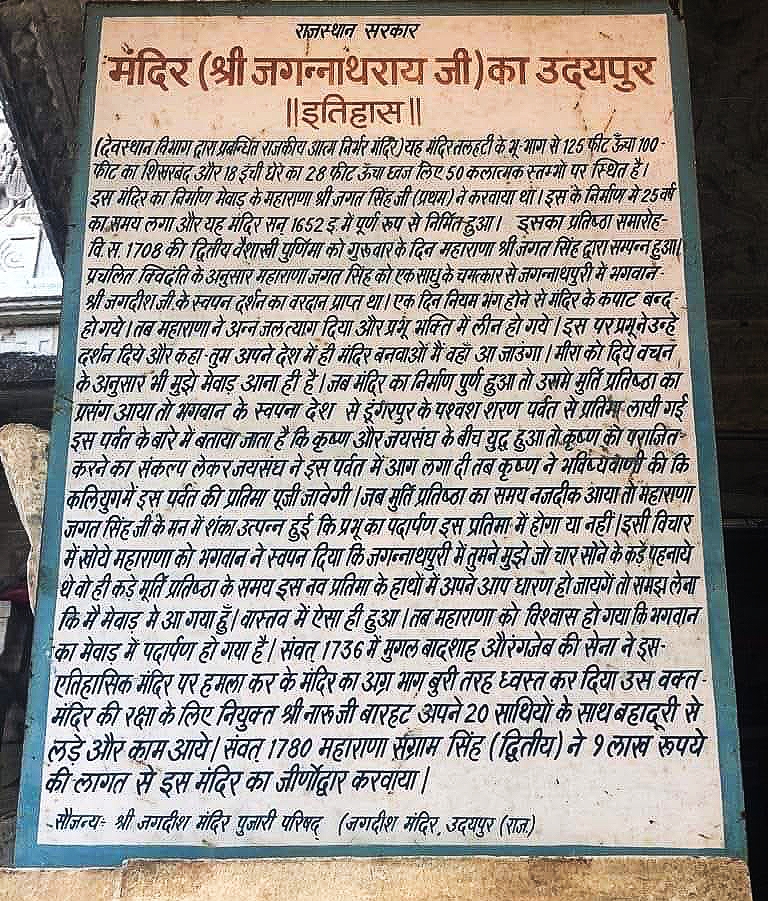
As a structure dating to the mid-17th century, Jagdish Temple represents an important period in Rajasthani religious architecture and royal patronage. The temple was originally known as the temple of Jagannath Rai but is now called Jagdish-ji. Its construction under Maharana Jagat Singh I reflects the ruler's devotion and the resources available to the royal household for religious building. The temple's continuous operation across more than three and a half centuries underscores its enduring importance to Udaipur's religious and cultural life.
Location and Access
The temple's position near the City Palace places it within Udaipur's historic core, making it convenient to visit alongside other significant sites in the city. The address is RJ State Highway 50, Udaipur, Rajasthan, 313001, India. Visitors arriving by road will find the temple accessible from major routes through the city. Its prominence as a landmark means local directions and signage should guide visitors to the site. The marble steps leading to the entrance are a notable feature of the approach.
How to reach


Temples near Jagdish Temple, Udaipur
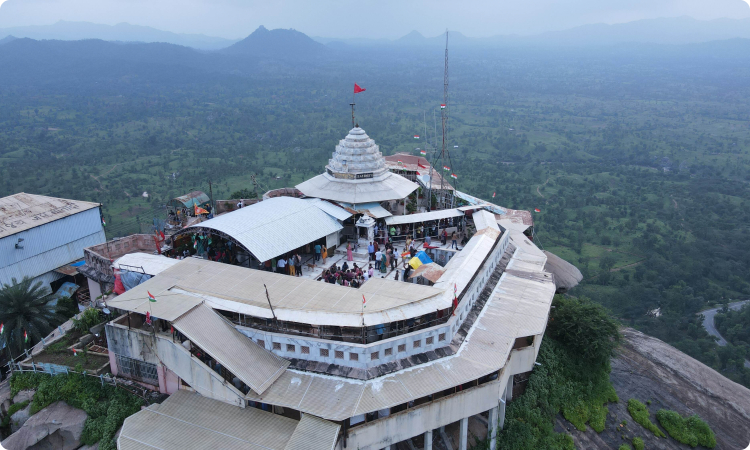
Ambamata Temple
Ambamata Temple in Udaipur is a major Hindu place of worship constructed by Maharana Raj Singh, dedicated to the goddess Amba Mata and revered as a significant spiritual center…
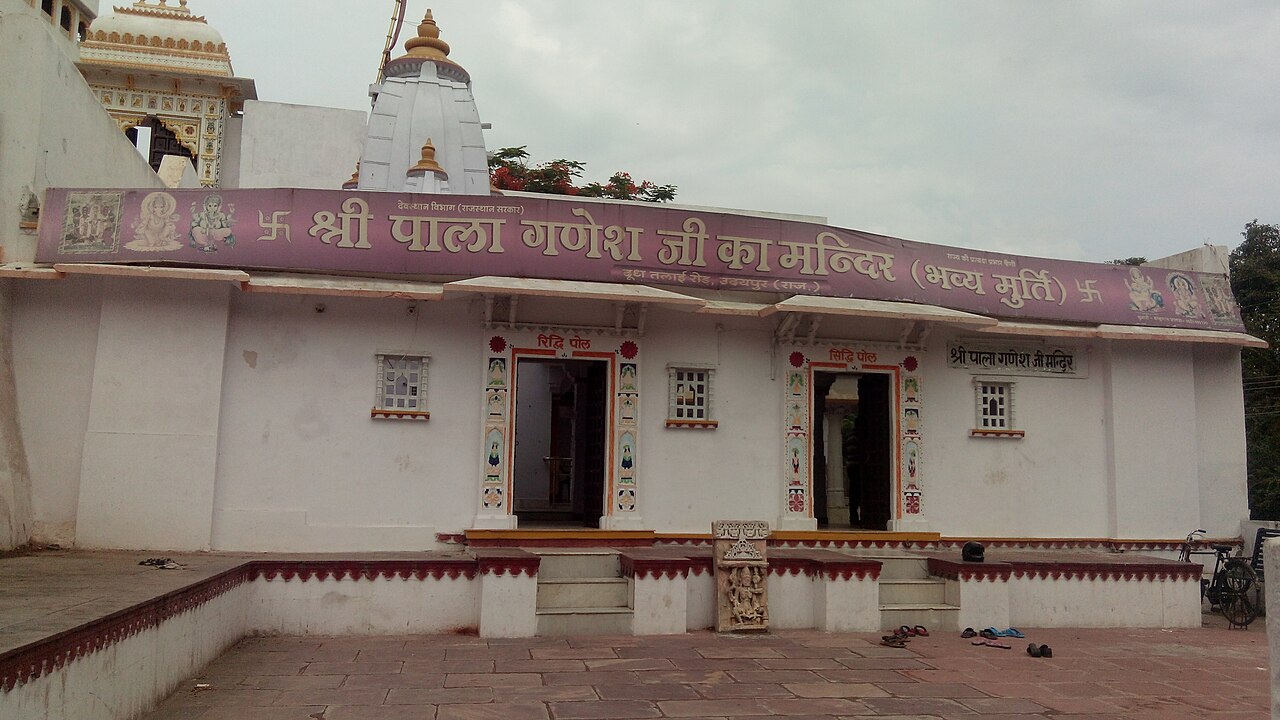
Pala Ganesh Temple
Pala Ganesh Temple is an ancient Hindu shrine dedicated to Lord Ganesh, located near Gulab Bagh in Udaipur and believed to be approximately 500 years old.
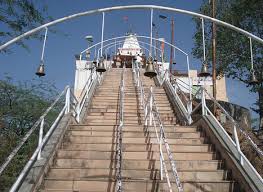
Neemach Mata Temple
Neemach Mata Temple crowns a verdant hill overlooking Fateh Sagar Lake in Udaipur, requiring a 900-metre ascent through forest to reach the shrine of the Maharanas' clan goddess.
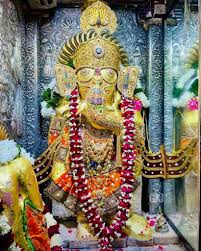
Bohra Ganesh Temple
Bohra Ganesh Temple in Udaipur is a centuries-old shrine dedicated to Lord Ganesh in his dancing form, revered for fulfilling devotees' wishes and removing obstacles.
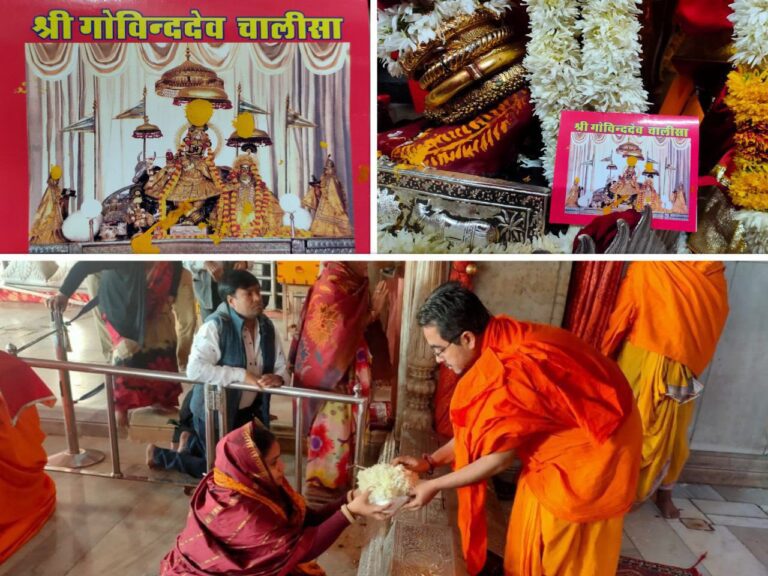
Sanchareswar Mahadev Temple
Sanchareswar Mahadev Temple is a Shiva shrine located in Umarda village, Udaipur, Rajasthan, drawing devotees for worship and festival celebrations throughout the year.
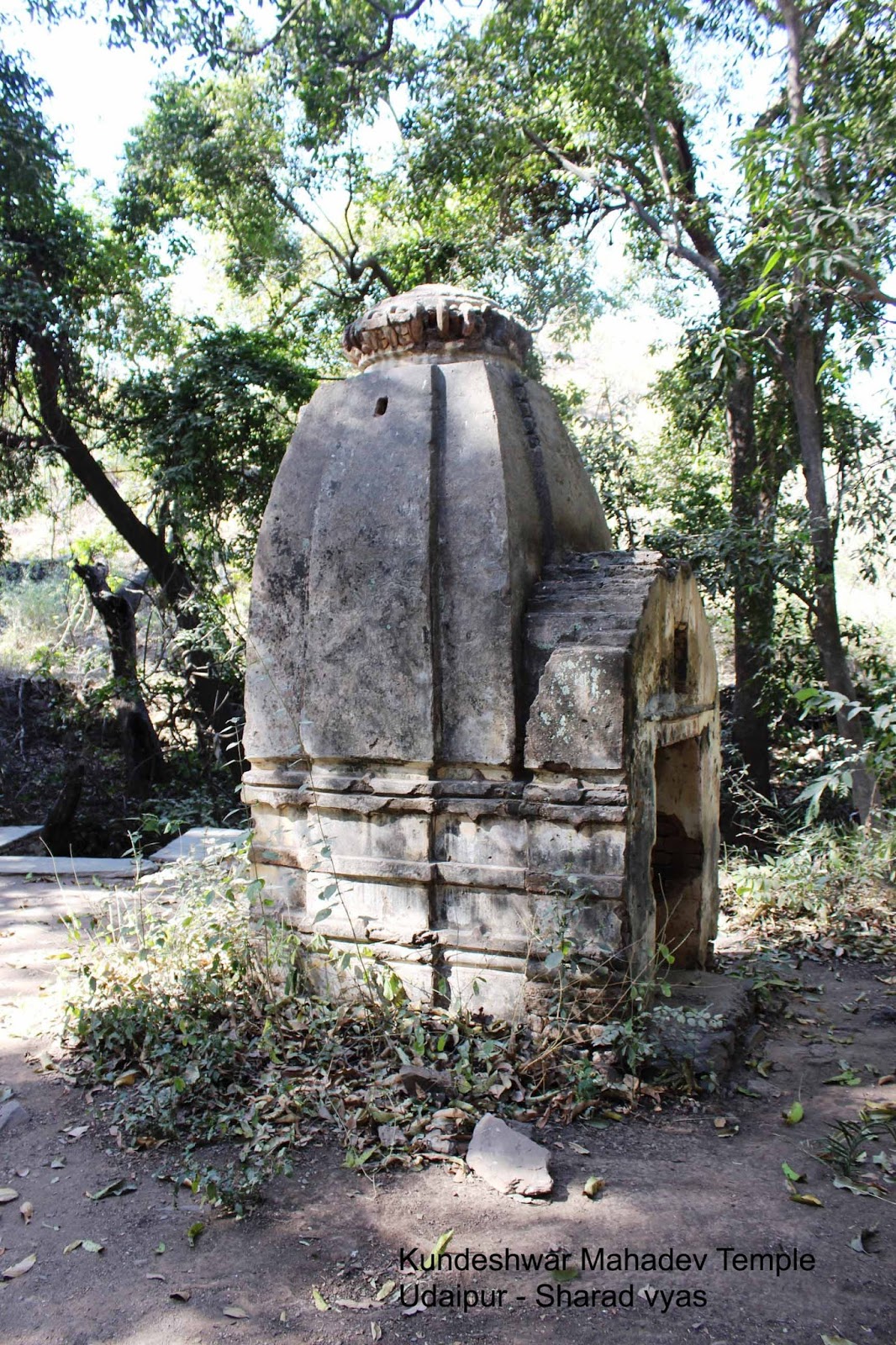
Kukdeswar Ji Mahadev
Kukdeshwar Mahadev Temple is an ancient shrine dedicated to Lord Shiva, built in the 12th–13th century CE using Hemadpanti architectural style. Located near Junnar in Maharashtr…