Adikesava Perumal Temple, Paramandur
About Adikesava Perumal Temple, Paramandur
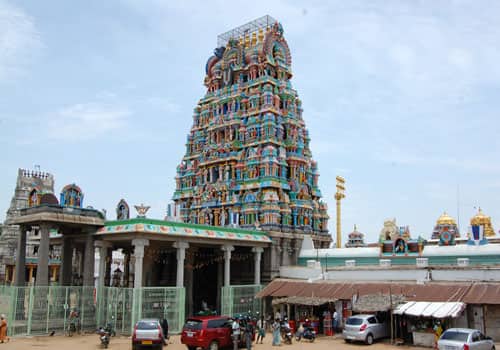
The temple displays Dravidian architectural features characteristic of Tamil Nadu's religious structures. A notable landmark is the Golden Mandap that stands before the shrine of Sri Ramanuja, constructed by the Maharaja of Mysore. This structure functions almost as a temple within the temple, featuring four Kalasas (ritual vessels) representing the four Vedas, with representations of Lord Paravasudeva Perumal and Sri Ranganahar beneath them. Below these are depictions of Namperumal with Sridevi and Bhoodevi, Garuda (the eagle vehicle of Vishnu), and the Dwarapalakas (temple guardians).
A separate mandap marks the birthplace of Sri Ramanuja, located in front of the main temple. This space holds particular significance during the Chithirai festival, when the Acharya is commemorated at this site. The temple's layout thus weaves together the worship of the divine with reverence for the great teacher who shaped Vaishnavite philosophy.
Daily Worship and Darshan
The temple opens at 6:30 AM and closes at noon, reopening at 4:00 PM until 8:30 PM. The Sandhya Aarti (evening ritual) takes place at 7:00 PM. Visitors seeking a quieter experience for darshan should arrive between 6:00 AM and 8:00 AM, when crowds are lighter and the atmosphere more peaceful.
Regular ritual services include archana (ritual worship), deeparadhana (lamp offerings), and prayers directed toward both Lord Adikesava Perumal and Sri Ramanuja. Tulasi (basil) offerings form part of daily devotional practice. Those facing astrological challenges—particularly adverse planetary influences of Rahu and Ketu, or Kalasarpa dosha (a configuration where the snake planets occupy both ends of the horoscope)—come to this temple seeking relief through prayer. Devotees also perform abhishek (ritual bathing) of Sri Ramanuja's image with milk as an act of prayer and commitment.
Festivals and Sacred Observances
The temple celebrates several important occasions throughout the year. Masi Pooram (February–March) and Panguni Uthiram (March–April) rank among the major festivals. On the last Friday of Panguni or Chithirai (March–April), Tirumanjanam is performed simultaneously for Lord Adikesava Perumal, Mother Yathiraja Valli, Sri Andal, and Acharya Sri Ramanuja—a rare coordinated celebration honouring multiple sacred figures.
Sri Ramanuja Jayanti (also called Sri Ramanuja Thirunakshatram) honours the birth of the Acharya. During the ten-day Chithirai festival (April–May), Ramanuja is commemorated at his birthplace mandap, and on his birth star day, he is placed in a cradle as a child and ritually fed with milk from a conch. During this festival, sacred linens called Parivattam are brought from thirty-six Divya Desams (major Vaishnava temples) as a courtesy to the Acharya. Vaikunta Ekadasi (December–January) holds special significance; on this day, both Lord and Acharya grace devotees together in the Boodhakal Mandap, with only the belled doors of the shrine opened as a formal observance.
Sri Andal graces the temple alongside the Lord from Aadi Pooram (July–August) through Avani Pooram (August–September), and again during Margazhi (December–January). Young women pray to her during these periods seeking blessings for marriage.
Visiting Information
The temple is located at Sri Adikesava Perumal Temple, Sriperumbudur-602 105, Kanchipuram district, Tamil Nadu. The contact number is +91 44 2716 2236. Visitors should confirm current timings before travelling, as schedules may vary on festival days or during special observances. The temple follows the lunar calendar for many observances, so exact festival dates should be verified in advance.
Temples of the Vaishnavite tradition typically expect modest dress and respectful behaviour. Visitors should remove footwear before entering the sanctum and follow any instructions given by temple staff regarding ritual participation or photography.
How to reach
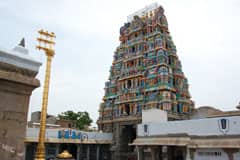
Temples near Adikesava Perumal Temple, Paramandur
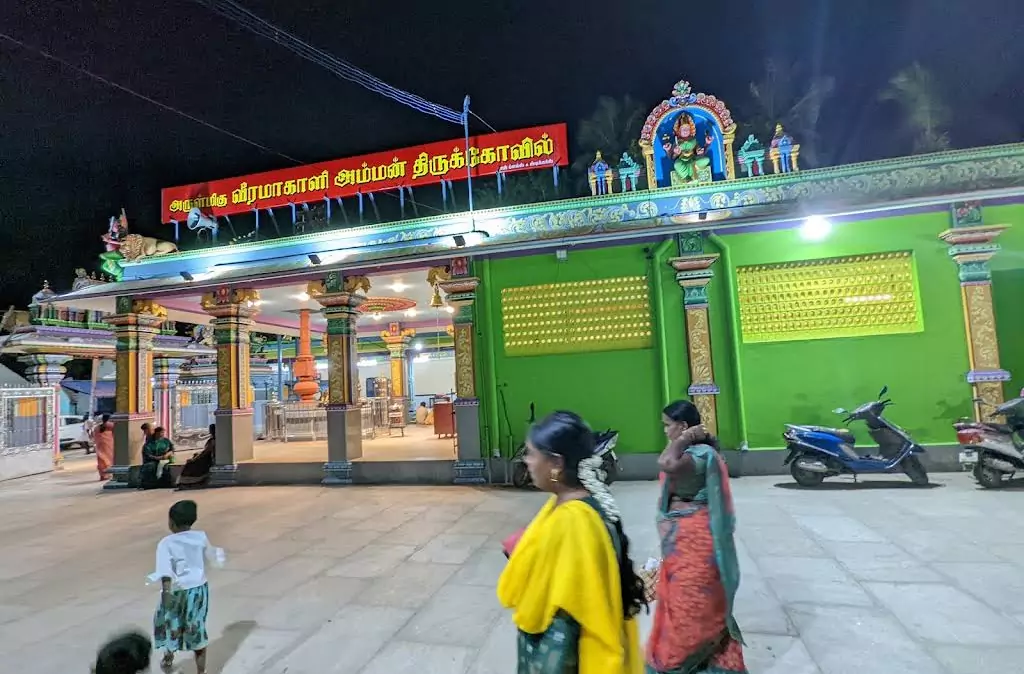
Veeramakaliamman Temple, Arantangi
Veeramakaliamman Temple in Arantangi, Pudukkottai district, is dedicated to Goddess Kali and draws devotees year-round with major festivals including the Adi month celebration a…
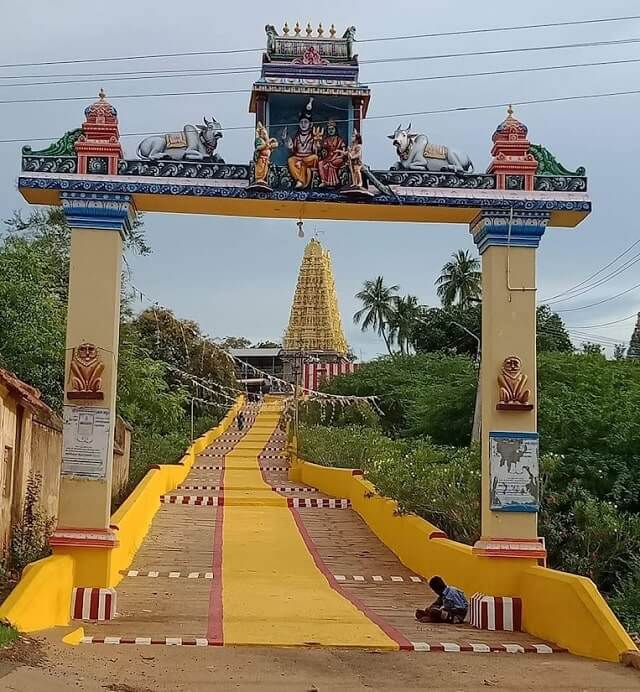
Kailasanathar Temple, Nedungudi
Kailasanathar Temple in Nedungudi is an ancient Shiva shrine located on a hilltop in Pudukkottai district, Tamil Nadu, believed to embody the spiritual essence of Mount Kailash…
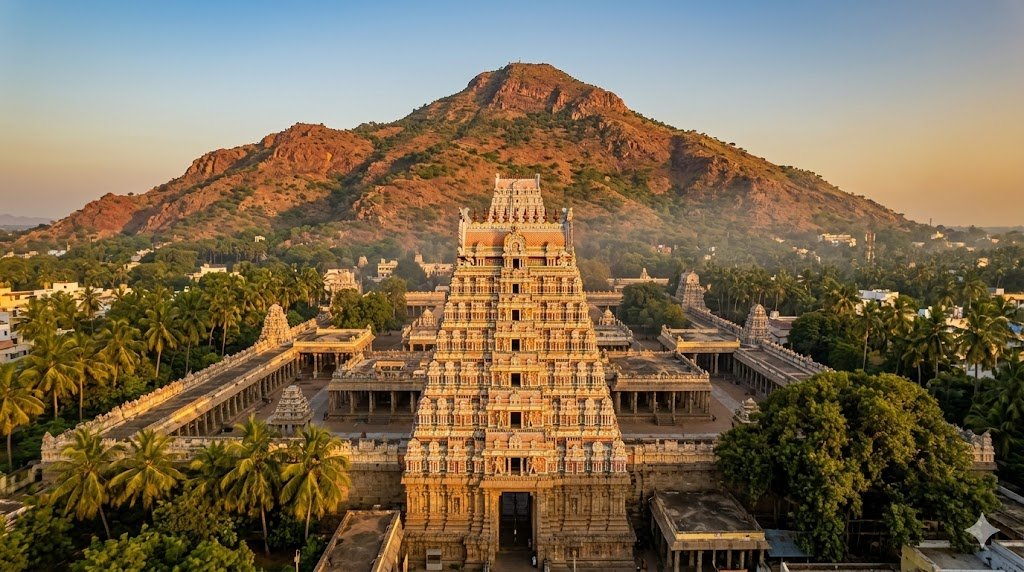
Thiruppunavayil
Arunachaleswarar Temple at Tiruvannamalai is one of the five Pancha Bhoota Sthalams representing the fire element, where Lord Shiva manifested as an infinite column of fire acco…
Akshayapureeswarar Temple
The Akshayapureeswarar Temple in Vilangulam, Tamil Nadu is a 13th-century shrine dedicated to Lord Shiva, featuring sacred worship spaces and observance of major Hindu festivals…

Devakottai Meenakshi Sundareswarar Temple
The Arulmigu Meenakshi Sundareswarar Temple at Thirukokarnam in Pudukkottai District is a small shrine dedicated to Meenakshi and Sundareswarar, situated on the eastern bank of…
Nagarasoorakudi Desikanathar Temple
Desikanathar Temple in Nagara Surakkudi is one of nine Nagarathar temples in the Chettinad region, dedicated to Lord Shiva with his consort Avudainayaki. The temple's origins tr…