Kharakhia Vaidyanatha Precinct
About Kharakhia Vaidyanatha Precinct
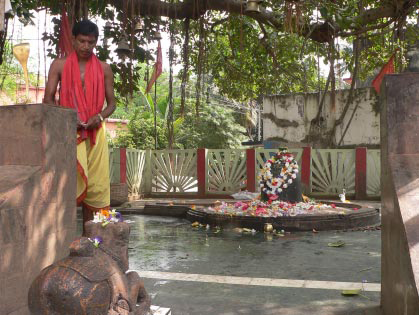
The temple complex dates to the 13th century, established during the reign of the Ganga kings who ruled Odisha. This places Kharakhia Vaidyanatha among the older sacred sites in the Old Town precinct, though it has remained modest in scale compared to nearby temples. The Ganga period saw significant temple construction across the region, and this shrine reflects that era's architectural and spiritual sensibilities.
Within the same compound stands the Devasabha temple, built in the 14th century by the Gangas. According to local tradition, this structure served as an assembly hall for the deities of the complex—a place where divine matters of cosmic significance were deliberated. The Markandesvara temple also occupies the precinct, invoking the mythology of the young devotee Markandeya, who clung to a Shiva Linga to escape death itself.
The Sacred Landscape: Peepal, Well, and Sunlight
A Peepal tree grows at the base of the Linga, its roots said to have intertwined with the stone foundation over centuries. Local residents cannot recall a time when the tree was absent. The tree provides shade during the heat of the day, yet at certain moments—particularly around noon in summer—the sunlight breaks through and falls directly into the yonipitha, the base of the Linga. Devotees interpret this moment as Shiva receiving the sun's salutation.
A well at the center of the complex once served ritual purposes, used for bathing and for drawing water during pujas. Though no longer functional in its original capacity, it remains a physical reminder of the community that once maintained these temples—pujaris, scholars, and performers who sustained the sacred life of the precinct.
Visiting Hours and Best Times
The temple complex is open from 6:00 AM to 12:00 PM in the morning and 4:00 PM to 8:00 PM in the evening. There is no formal entry gate; the complex remains accessible throughout these hours. Entry is free. The best time to visit is between 7:00 AM and 9:00 AM, when the early sunlight strikes the Linga directly, illuminating the sanctum in a way that captures the temple's essential character. Visitors planning to experience this phenomenon should arrive during these hours.
The temple lies approximately 500 metres south-east of the Lingaraja Temple in Old Town. As with most Hindu temples, visitors should remove footwear before entering the sanctum and dress modestly. The open-air nature of the shrine means exposure to sun and weather; visitors should plan accordingly, particularly during Bhubaneswar's hot season.
The Precinct and Its Atmosphere
Unlike temples with formal darshan queues or VIP counters, Kharakhia Vaidyanatha maintains a quieter, more intimate character. The complex houses multiple temples within a single precinct, each with its own mythology and purpose. This arrangement reflects an older model of temple organization, where several shrines occupied a shared sacred space under unified management.
The Old Town setting itself contributes to the experience. The bylanes surrounding the temple carry centuries of local memory and practice. Residents of the area maintain oral traditions about the site, its deities, and the spiritual significance of its features. Visiting during early morning hours allows for a more contemplative experience, when the temple receives fewer visitors and the natural light performs its daily ritual uninterrupted.
How to reach
Temples near Kharakhia Vaidyanatha Precinct
Suresvara Temple
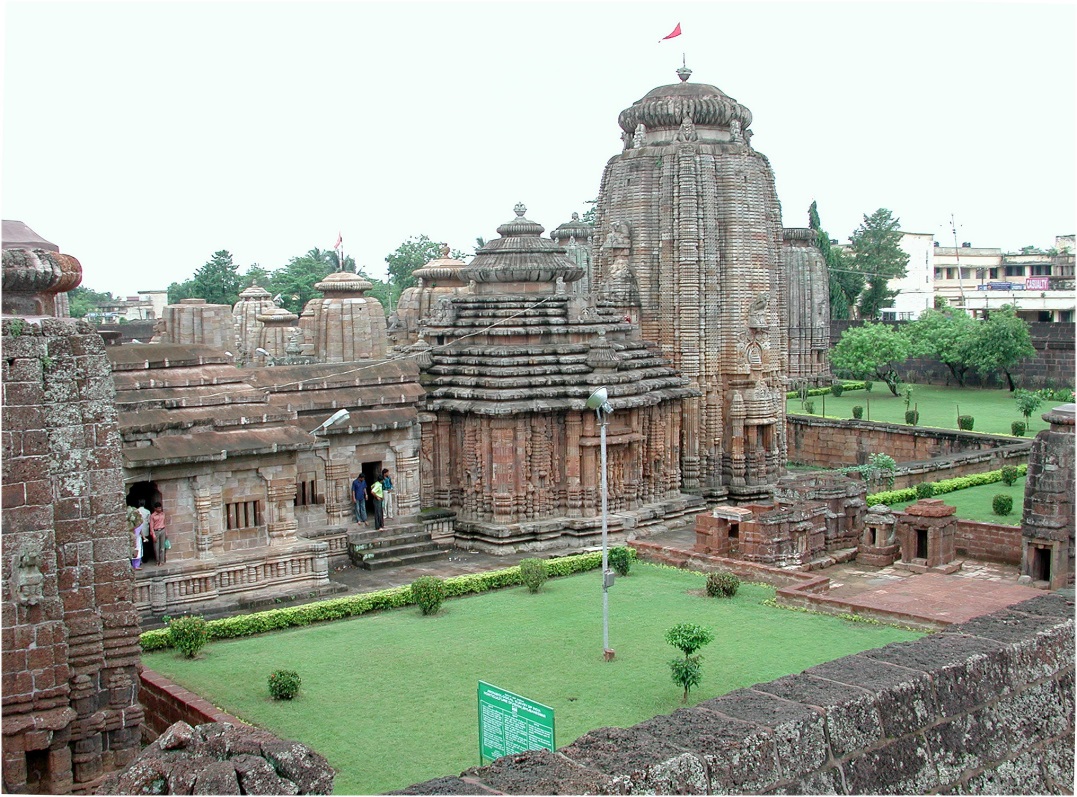
Suresvara Temple, also known as Byamokesvara Temple, is a 10th-century Shiva shrine located in the Tala bazaar market complex of Old Town Bhubaneswar. The temple houses a Shiva…
Chitrakarini Temple
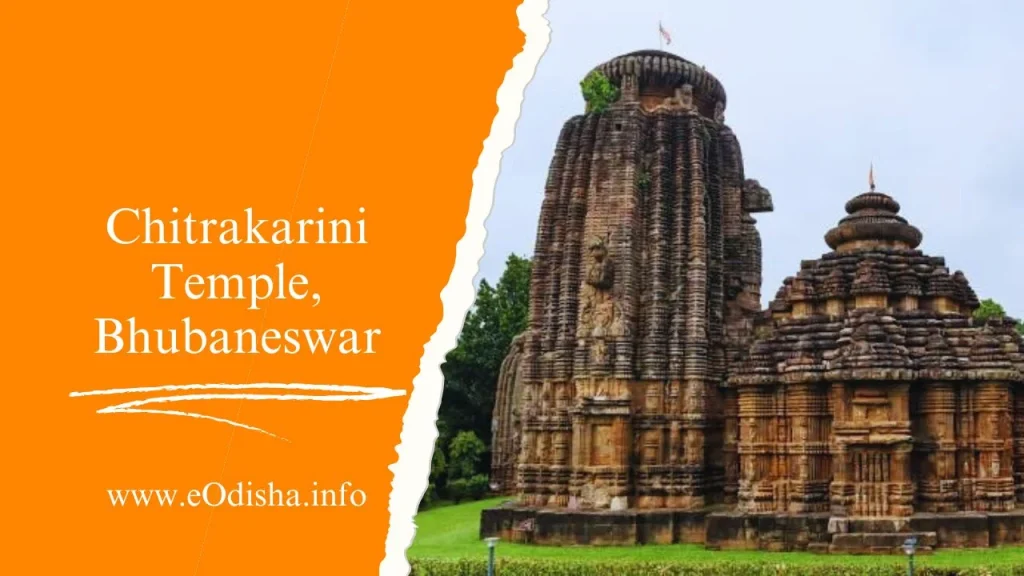
Chitrakarini Temple in Bhubaneswar is a serene spiritual sanctuary dedicated to Goddess Chitrakarini, featuring elegant architecture and intricate carvings that reflect centurie…
Ananta Basudeva Temple
Ananta Basudeva Temple is a 13th-century Vaishnavite shrine in Bhubaneswar dedicated to Lord Krishna, Lord Balarama, and Goddess Subhadra, renowned for its Kalinga architecture…
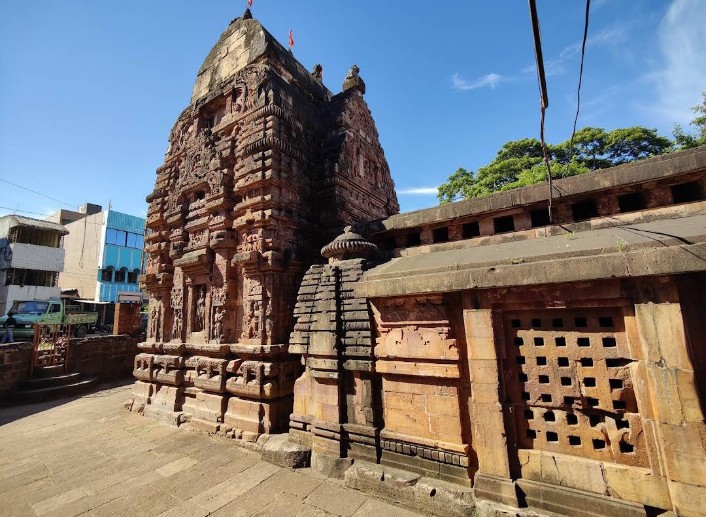
Baitala Deula
Baitala Deula, an 8th-century temple in Bhubaneswar, enshrines Goddess Chamunda in her fierce tantric form. Distinguished by its Khakara architectural style and three symbolic s…
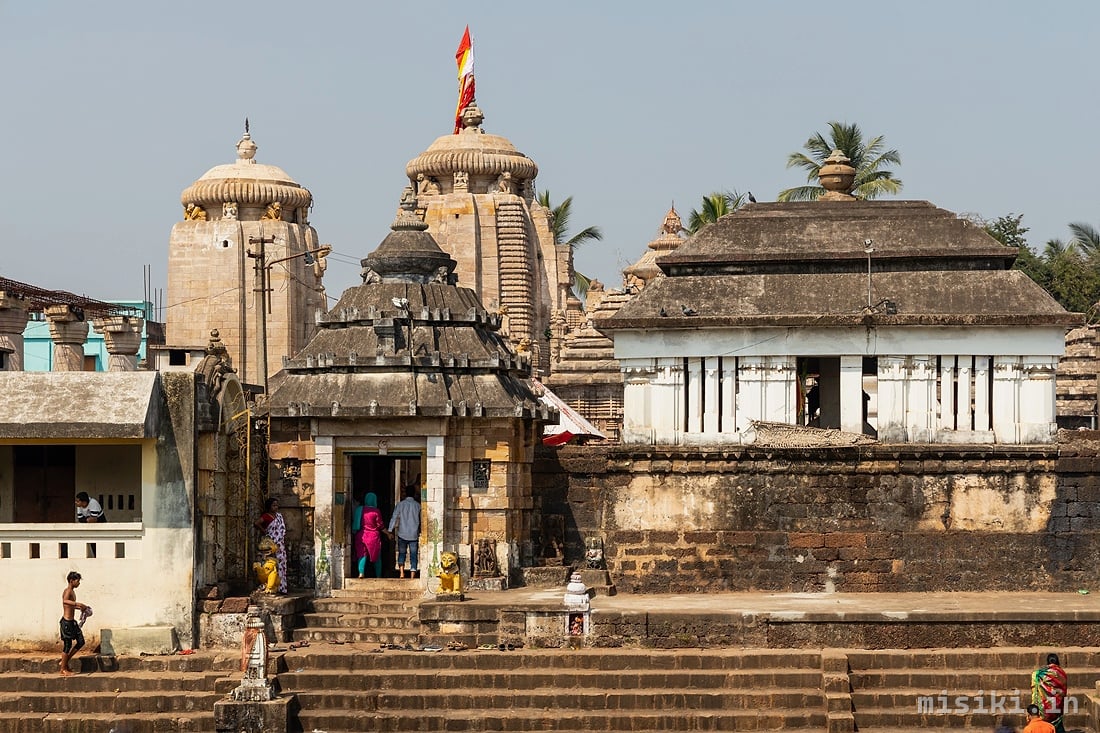
Kapilesvara Temple
Kapilesvara Siva Temple in Bhubaneswar's Kapilesvara Village is a 14th-century shrine dedicated to Lord Shiva, recognized for its ancient architecture and spiritual significance.
Purvesvara Siva Temple
Purvesvara Siva Temple in Bhubaneswar's Old Town is a 13th-century Kalinga-style shrine dedicated to Lord Shiva, housing a sacred Shivalinga and serving as an active place of wo…