Vishnudham Mandir
About Vishnudham Mandir
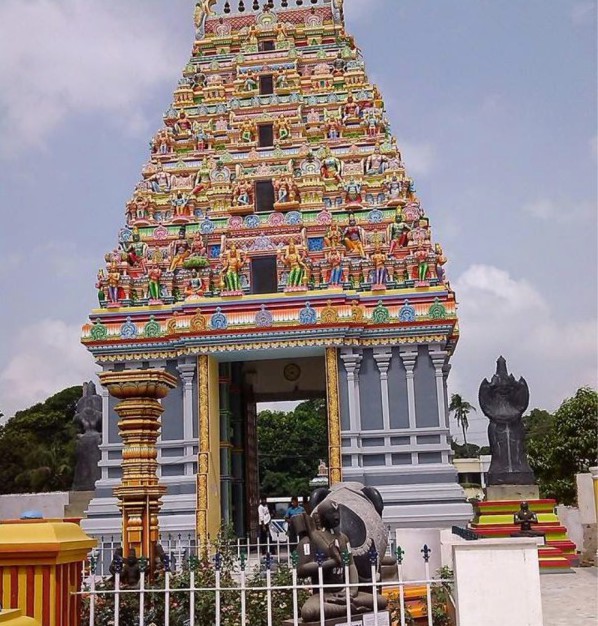
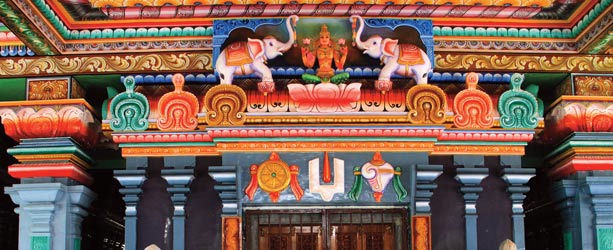
The temple employs Dravidian architectural principles, a style more commonly associated with southern India but chosen here by the local community for this shrine. This architectural choice reflects the pan-Indian reverence for Vishnu and the accessibility of Dravidian design principles to builders across the country. The temple's construction by local effort rather than by an established religious institution gives it a distinctive character rooted in community devotion.
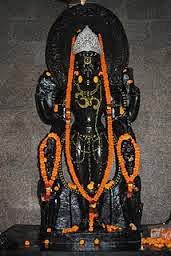
The Gupta-period idol at the temple's heart connects worshippers to one of India's classical ages. The craftsmanship evident in the sculpture—the precision of the four arms, the symbolic objects, and the attendant figures—demonstrates the artistic sophistication of that era. For visitors interested in both spiritual practice and historical art, the idol offers a tangible link to ancient Hindu sculptural traditions.
Daily Worship and Darshan
The temple maintains regular schedules for both darshan and ritual worship. Morning darshan is available from 09:00 to 12:30, while evening darshan runs from 17:00 to 20:00. The morning aarti (ritual of worship with light and offerings) takes place at 06:30, and the evening aarti at 19:00. These timings allow devotees flexibility in planning visits around their daily routines.
Visitors may participate in the aartis or simply offer their respects during darshan hours. The temple welcomes worshippers throughout the year, with no particular season being notably more auspicious than another. Photography is not permitted within the temple, a common practice intended to maintain the sanctity of the worship space and protect the privacy of devotees engaged in prayer.
Vaishnava Tradition and Worship Practices
As a temple dedicated to Vishnu, Vishnudham Mandir belongs to the Vaishnava tradition of Hinduism, which centers on the worship of Vishnu and his avatars. The Pancaratra school of Vaishnavism, which has historical connections to temples of this type, emphasizes that all individuals are qualified to offer worship regardless of caste—a principle of spiritual inclusivity that shapes the temple's welcoming approach to devotees.
Visitors to Vaishnava temples typically remove their shoes before entering the inner sanctum and dress modestly. Offerings of flowers, coconut, or other items may be made according to personal devotion and the temple's guidelines. The temple community engages in daily worship, sacred rituals, and devotional practices centered on honoring Lord Vishnu.
Visiting Information
Vishnudham Mandir is located in Bherwania, Sadiha, in Siwan district, Bihar, at coordinates 26.11447222, 84.59788889. The temple welcomes visitors during its posted darshan hours throughout the year. Those planning a visit should note that photography is not permitted. Modest dress is appropriate for temple visits; women typically wear salwar kameez, sarees, or other conservative clothing, while men wear simple shirts and trousers or traditional dress.
The temple operates as an active place of worship, so visitors should be respectful of ongoing rituals and other devotees at prayer. It is customary to circumambulate the deity clockwise as a form of reverence. Donations to support the temple's maintenance and religious activities are welcomed, though not obligatory.
Reaching the Temple
The temple is situated in rural Bihar, in Siwan district. Visitors traveling from nearby towns should plan their journey in advance, as public transportation options in this region may be limited. The nearest significant city reference point is Sadiha. Those traveling by personal vehicle should use the provided coordinates for navigation. Local inquiry upon arrival in the area will help direct visitors to the temple's exact location on the village border.
How to reach
Temples near Vishnudham Mandir
Mahendra Nath Temple, Siwan
Mahendra Nath Temple, also known as Mehdar Dham, is a 17th-century Shiva temple in Mehandar village, Siwan district, Bihar, situated on the banks of Kamaldah Lake and surrounded…
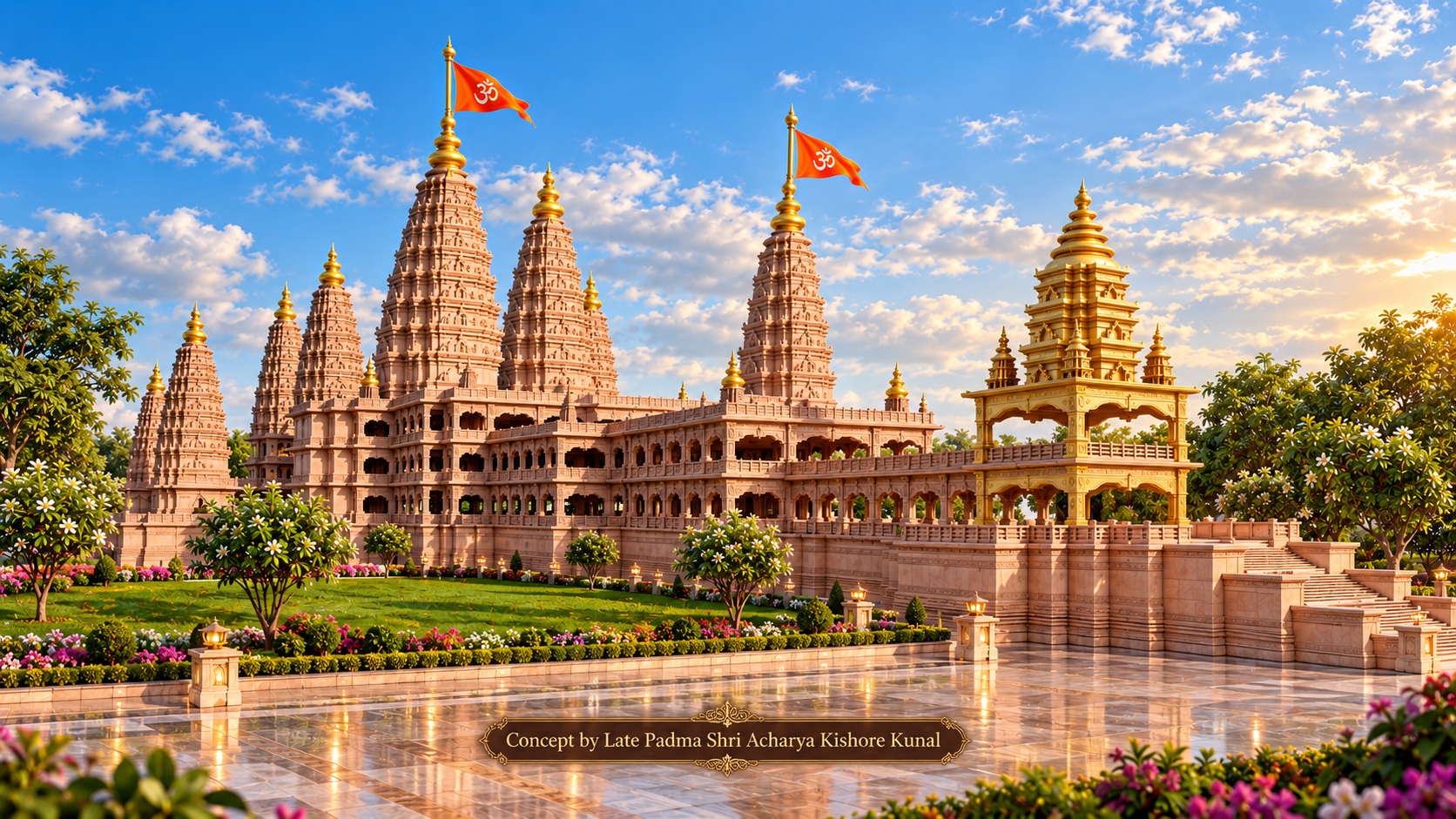
Viraat Ramayan Mandir
Viraat Ramayan Mandir is an under-construction temple complex in East Champaran, Bihar, envisioned as one of the world's largest religious structures spanning 140 acres with 22…
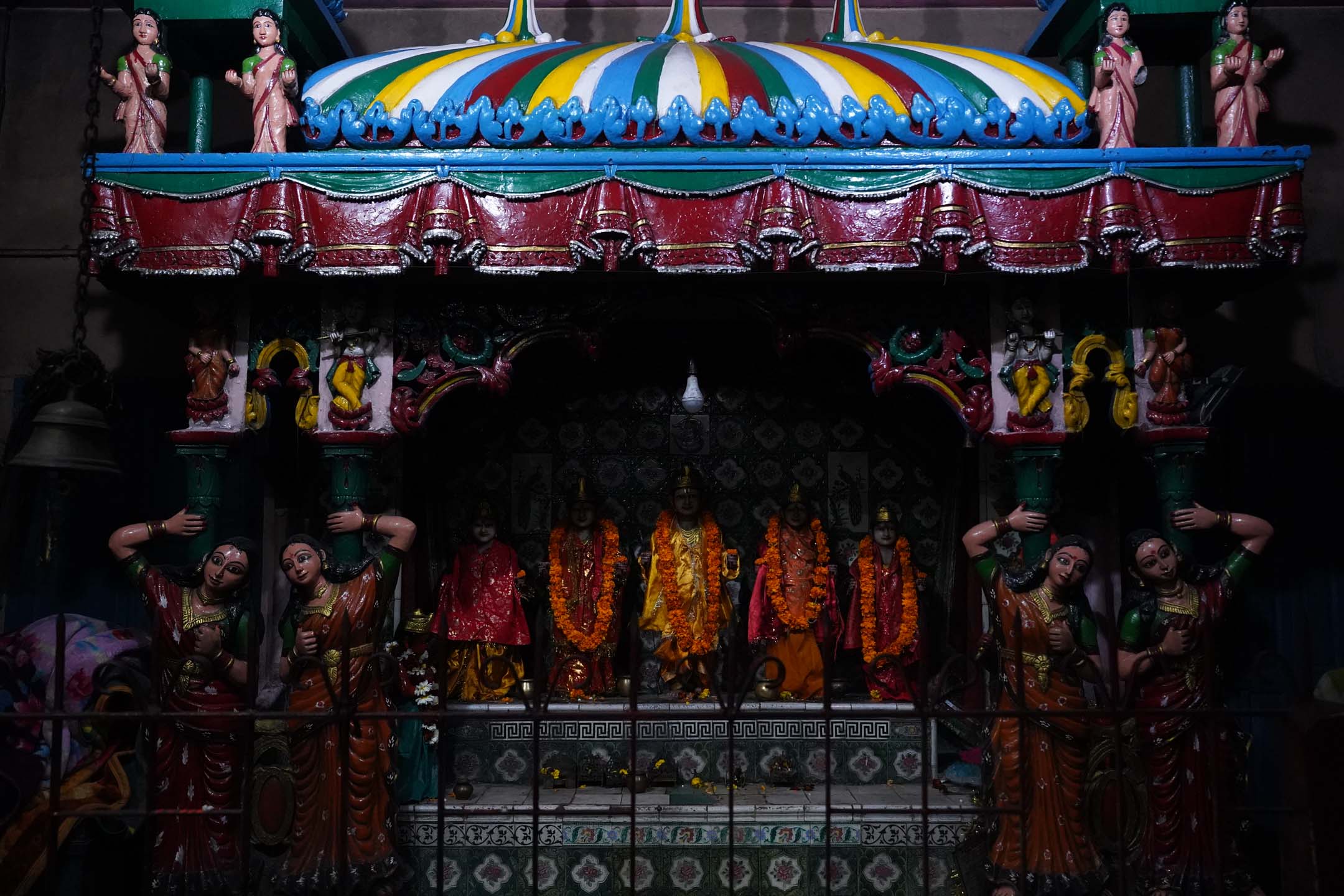
Aranya Devi Temple, Arrah
Aranya Devi Temple in Arrah is dedicated to Goddess Aranya, the presiding deity of forests and the city itself, whose name derives from the goddess. The temple draws thousands o…
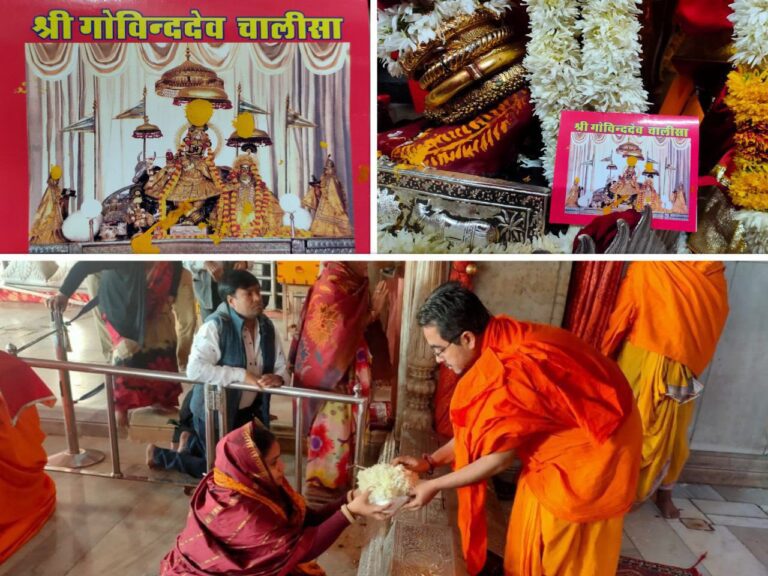
Van Devi Temple, Bihta
Van Devi Temple near Bihta in Patna district is a centuries-old Hindu shrine dedicated to Van Devi, worshipped in the form of a sacred pind stone object, drawing devotees especi…
Lal Keshwar Shiv Temple
The Lal Keshwar Shiv Temple in Hajipur, Bihar is an ancient Hindu shrine dedicated to Lord Shiva in lingam form, with its current structure rebuilt in 2015 while honoring centur…
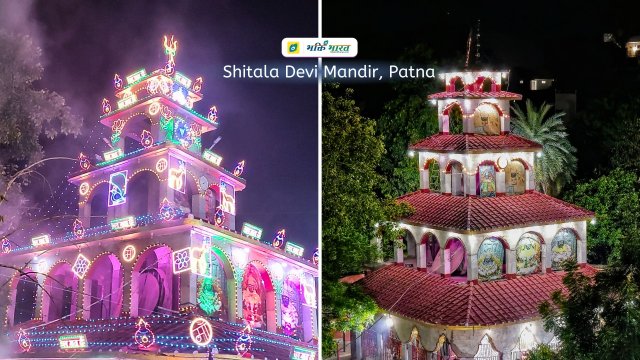
Shitala Mata Temple, Patna
Shitala Mata Temple in Patna is a revered Shakti Peeth dedicated to Maa Shitala Devi, a form of Durga, believed to protect devotees from smallpox and measles. The temple houses…