Lal Keshwar Shiv Temple
About Lal Keshwar Shiv Temple
According to local folklore, the temple has existed since ancient times, though its precise founding date remains unrecorded. The current physical structure was constructed in 2015, representing a restoration or rebuilding that preserved the temple's longstanding religious character while providing a renewed space for worship. This reconstruction maintains the temple's continuity as a site of Shiva veneration while adapting it for contemporary devotional practice.
The temple's location in Bagmusha village, within Hajipur city in Vaishali district, places it in a region with deep historical and spiritual significance in Bihar. The coordinates (25.7°N, 85.2°E) situate it in the eastern Gangetic plains, an area long associated with Hindu pilgrimage and sacred geography.
Architecture and Design
The temple exemplifies North Indian architectural traditions, featuring a prominent shikhara (spire) that rises above the main structure. The exterior displays intricate carvings depicting scenes from Hindu mythology, with the central focus being a 12-foot-tall representation of Lord Shiva. This combination of traditional design elements—the characteristic spire, carved ornamentation, and monumental deity image—creates a visual expression of devotional intent typical of temples in this region.
The architectural approach balances the abstract symbolism of Lingam worship with visual grandeur, allowing the temple to serve both contemplative and celebratory functions. The scale and detail of the carvings invite devotees to engage with mythological narratives while approaching the sacred center of worship.
Daily Worship and Rituals
Devotees at Lal Keshwar Shiv Temple participate in puja offerings that include milk, fruits, and bel leaves—traditional substances associated with Shiva worship across Hindu temples. The chanting of "Om Namah Shivaya," the sacred mantra dedicated to Shiva, forms a central element of daily practice. Aarti ceremonies, in which a flame is offered to the deity while devotional songs are sung, punctuate the worship day and create moments of collective spiritual participation.
These rituals follow patterns common to Shiva temples throughout North India, where the combination of material offerings, mantra recitation, and ceremonial fire worship creates a multisensory approach to devotion. Visitors may observe these practices or, if appropriate and invited, participate in them.
Festivals and Sacred Seasons
The temple gains particular significance during Maha Shivratri, the great night dedicated to Shiva, when devotees gather for extended worship and celebration. The month of Shravan (also called Sawan), typically falling in July-August, is another period of heightened religious observance. During Shravan, Mondays—already considered auspicious for Shiva worship—draw especially large numbers of pilgrims. The temple is decorated vibrantly during these periods, and chanting intensifies, creating an atmosphere of collective devotion.
These festivals represent the annual rhythm of Shiva worship, with Maha Shivratri marking the deity's cosmic significance and Shravan embodying a month-long period of focused spiritual practice. Planning a visit around these times offers deeper immersion in the temple's religious life, though crowds will be correspondingly larger.
Visiting Information
Visitors should plan to arrive on a Monday if possible, as this day holds particular spiritual significance at the temple. The temple is located at Bagmusha, Hajipur, in Vaishali district, Bihar. Modest dress is appropriate when visiting Hindu temples; covering shoulders and knees shows respect for the sacred space. Shoes are typically removed before entering the inner sanctum.
The temple welcomes visitors seeking spiritual experience and those interested in observing Hindu worship practices. While specific opening hours are not detailed in available sources, temples of this tradition typically operate during daylight hours and may have extended hours during festivals. It is advisable to check locally or contact the temple directly for current timings and any particular protocols for visitors. The serene atmosphere, despite occasional crowds, supports both worship and quiet reflection.
How to reach
Temples near Lal Keshwar Shiv Temple

Ramchaura Mandir
Ramchaura Mandir is a Hindu temple dedicated to Lord Rama, located in Hajipur, Bihar, near the Rambhadra area.
Patan Devi
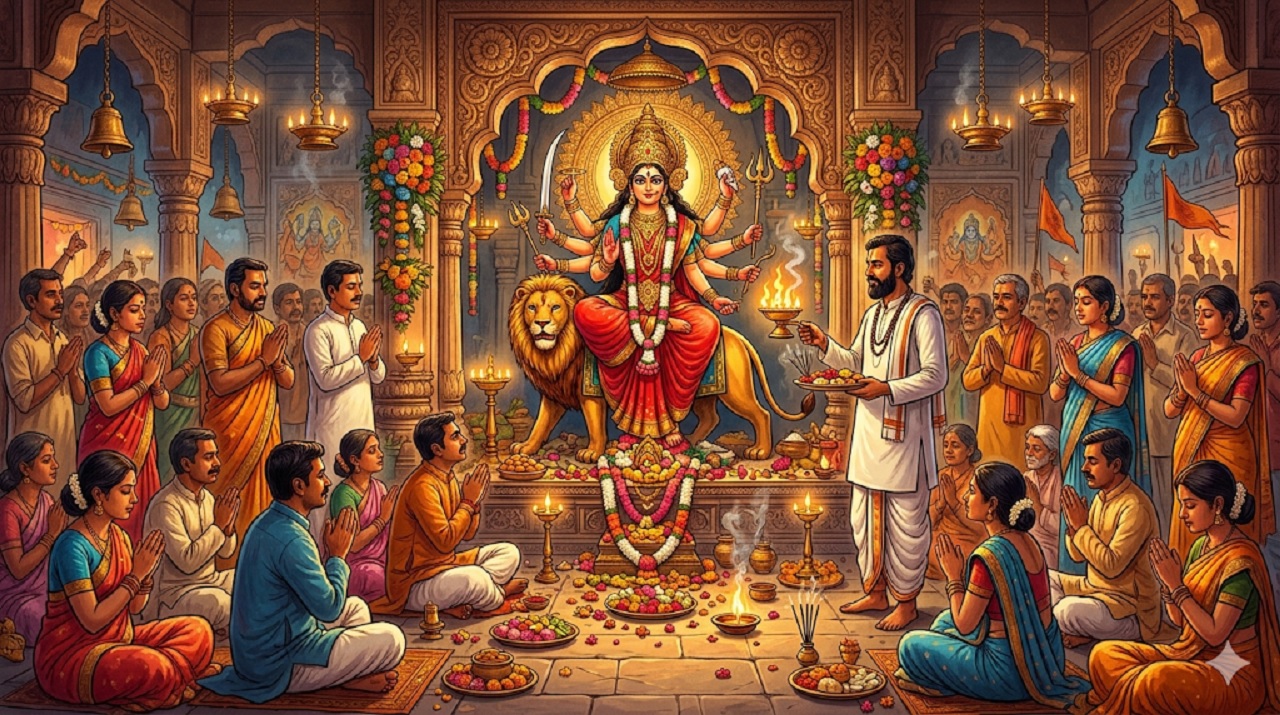
Patan Devi, also known as Maa Patneshwari, is a revered Shakti Peeth in Patna, Bihar, from which the city derives its name according to tradition.
Aami Mandir
Aami Mandir, also known as Ambika Bhawani Temple, is a Shakta pitha dedicated to the Goddess Sati located in Ami village, Dighwara, Saran District, Bihar.
Shitala Mata Temple, Patna
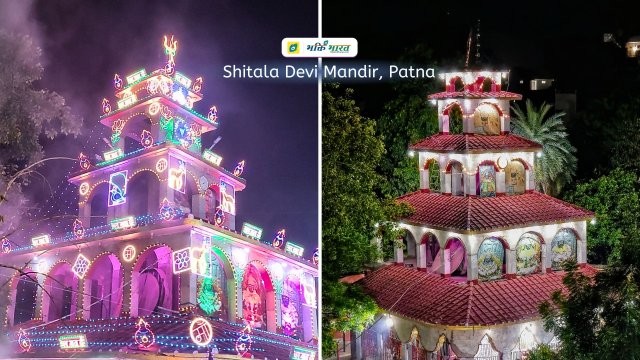
Shitala Mata Temple in Patna is a revered Shakti Peeth dedicated to Maa Shitala Devi, a form of Durga, believed to protect devotees from smallpox and measles. The temple houses…

ISKCON Temple, Patna
Sri Sri Radha Banke Bihari Temple, ISKCON Patna, is Bihar's first ISKCON temple and one of India's four largest, featuring beautifully adorned deities of Lord Krishna and Radhar…

Mahavir Mandir
Mahavir Mandir in Patna is one of North India's most-visited temples dedicated to Lord Hanuman, attracting millions of pilgrims annually and earning over 100,000 rupees daily—th…