
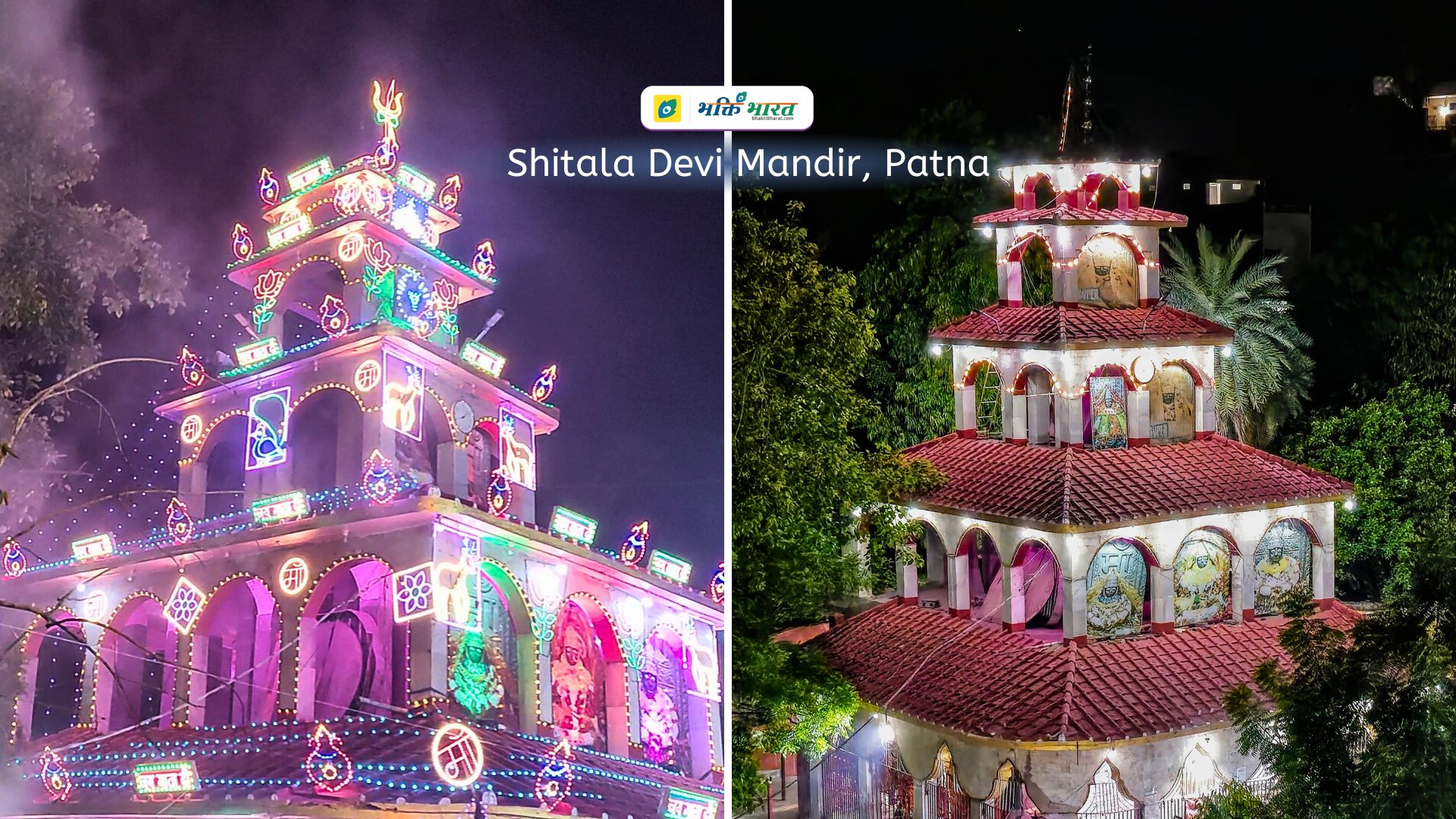
Shitala Mata Temple, Patna
About Shitala Mata Temple, Patna
The temple preserves archaeological significance tied to the Mauryan period. Among its holdings is a Yaksha statue reflecting Mauryan sculptural traditions, and the site maintains association with the reign of Ashoka. Beyond these ancient pieces, the temple premises contain medieval sculptures, making it a repository of accumulated sacred and artistic history rather than a structure of a single era.
The building itself remains relatively small in scale, constructed in traditional Hindu temple style. Its modest dimensions contrast with the spiritual importance devotees accord it and the historical layers it contains.
Daily Darshan and Worship Practices
The temple opens daily from 6:00 am to 8:00 pm, providing extended access for morning and evening worship. Tuesdays carry particular significance in the weekly rhythm of devotion, drawing larger congregations of worshippers who regard the day as especially auspicious for approaching the goddess.
Women devotees engage in the practice of Solah Shringar—offering sixteen adornments to the goddess as an act of ritual beautification and reverence. Newly married couples perform Chauthari Puja at the temple, marking important transitions in their lives. The temple thus serves different devotional needs: those seeking healing, those marking life passages, and those engaged in regular weekly worship.
Shitala Ashtami Festival
The temple's most significant observance occurs during Shitala Ashtami, celebrated in the month of Chaitra (March-April). This festival draws the year's largest gatherings and encompasses multiple forms of devotional practice. Worshippers light lamps and release pigeons as expressions of devotion. Women perform the ritual of offering sixteen adornments to the goddess. The festival attracts diverse groups—childless couples, patients with health concerns, and those marking important life transitions—creating a convergence of spiritual seeking around the goddess's blessings.
Visiting Information
The temple is accessible year-round, though Chaitra (March-April) offers the richest experience for those able to visit during Shitala Ashtami. Tuesdays throughout the year see increased devotional activity. The temple operates from 6:00 am to 8:00 pm daily.
Visitors should dress modestly, as is customary at Hindu temples. The site functions as an active place of worship; visitors should approach with appropriate reverence and be mindful of ongoing rituals and the devotional focus of other worshippers. Photography policies should be confirmed upon arrival. The temple is relatively small, so visits are typically brief; allow time for darshan and, if desired, to observe the sculptural and archaeological pieces preserved on the premises.
How to Reach
The temple is located in the Agam Kuan area of Gulzarbagh, in Patna City. It lies approximately 8 kilometres from Patna Junction railway station and roughly 5 kilometres from Jay Prakash Narayan International Airport. Within the city, the temple is accessible by auto-rickshaw, taxi, or bus. The Pahari Road provides a route to the temple's vicinity. Those arriving by rail or air will find the temple easily reachable via local transport options.
How to reach
You may also visit
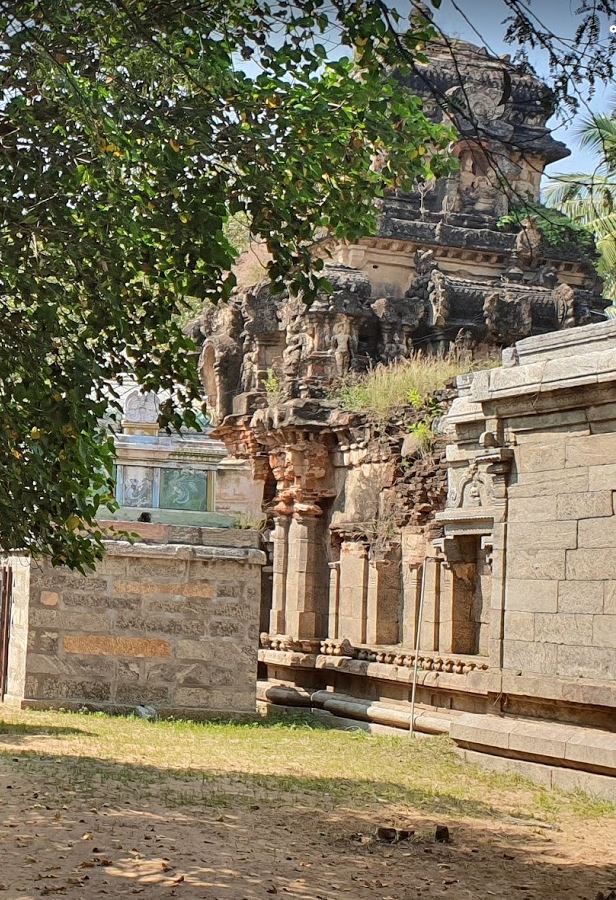
Agatheeswarar Temple, Karur
Agatheeswarar Temple in Thirumukkudalur, Karur district, is an ancient Hindu shrine dedicated to Shiva, situated at the sacred confluence of three rivers and believed to be over 1000 years old.
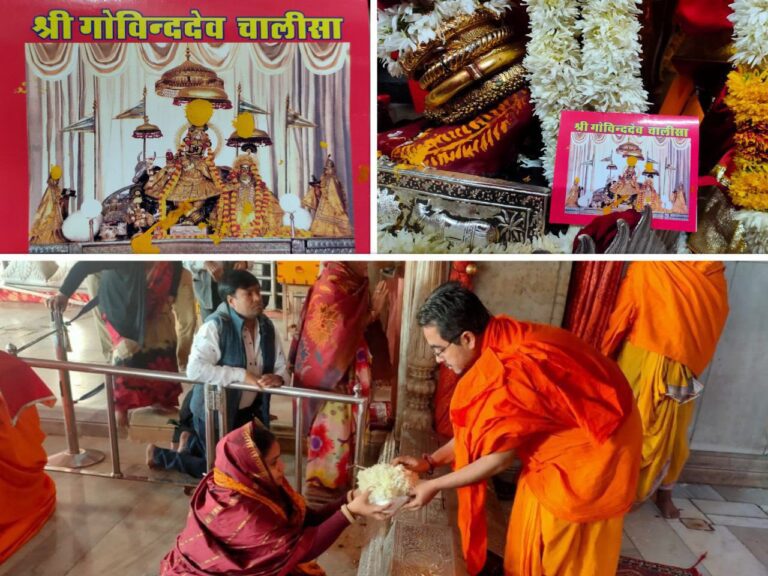
Kalyanji Temple
Kalyanji Temple in Jaipur's Chandpol Bazaar is an ancient Krishna shrine established in the 1820s, renowned for its seven daily aartis and special avatar darshan ceremonies during Akha Teej and Patottsav festivals.
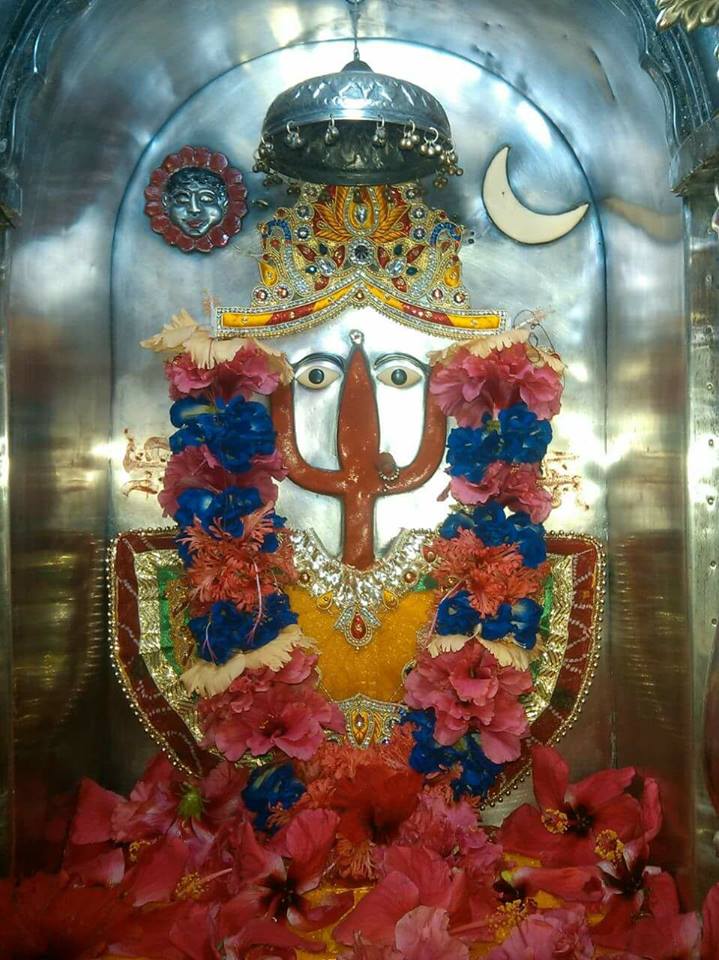
Rani Sati Mandir Mahuda
Rani Sati Mandir in Mahuda, Dhanbad District, is a Hindu temple established in 1992 that serves as a spiritual center for the local community and attracts devotees seeking blessings.