Vishnudham Mandir
About Vishnudham Mandir
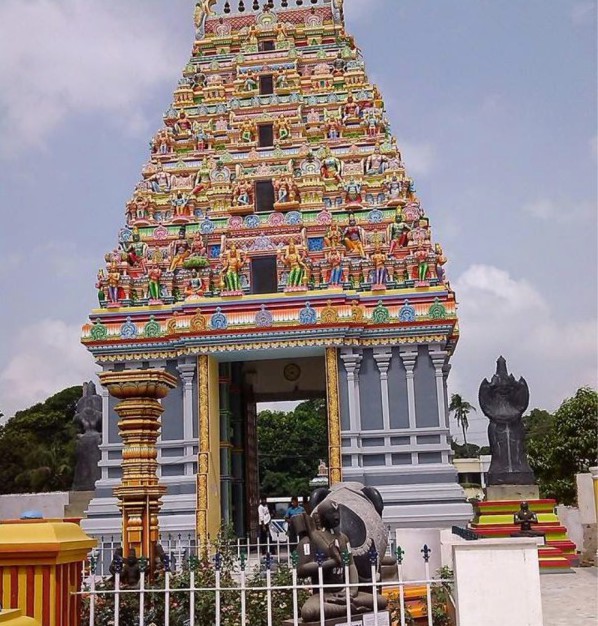
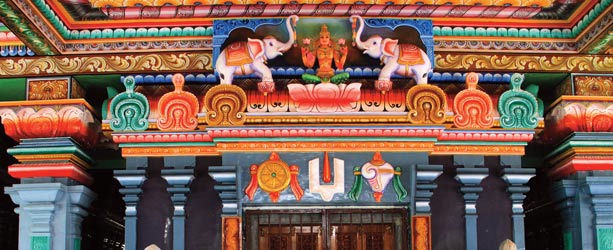
The temple was built in the South Indian architectural style, a deliberate choice that reflects the reverence for classical Hindu temple design traditions. This stylistic approach distinguishes Vishnudham Mandir within the landscape of Bihar's religious architecture. The structure was erected by community effort, with local participation in its construction marking it as a temple rooted in its immediate surroundings. The temple's design centers on the housing and proper veneration of the Gupta-period idol, with the architectural framework serving to protect and honor this ancient sculpture.
Location and Access
Vishnudham Mandir is situated in Samas, a village on the border between Bherwanian and Sadiha in the Barbigha block of Sheikhpura district in Bihar. The temple's precise coordinates are 25.17677222 latitude and 85.71458611 longitude, which may assist those using GPS navigation. The location places the temple in a rural setting, accessible to devotees from surrounding villages and towns. Sadiha serves as the nearest significant town for those seeking accommodation or other facilities before or after their visit.
Visiting Hours and Practical Information
The temple is open daily in two sessions: from 9:00 AM to 12:30 PM in the morning, and from 5:00 PM to 8:00 PM in the evening. These timings allow flexibility for devotees with varying schedules. The temple welcomes visitors throughout the year, with all seasons considered suitable for a visit. Photography is not permitted within the temple premises, a restriction common in many Hindu temples to maintain the sanctity of worship spaces and protect the privacy of devotees engaged in prayer. Visitors should dress modestly and respectfully, removing footwear before entering the inner sanctum, as is customary in Hindu temples. The temple's rural location means that visitors should plan their journey in advance and carry any necessary provisions, as facilities in the immediate area may be limited.
Significance in Vaishnava Tradition
As a temple dedicated to Lord Vishnu, Vishnudham Mandir belongs to the Vaishnava tradition of Hinduism, which centers on the worship of Vishnu as the supreme deity. The temple's possession of one of the world's largest idols of Lord Vishnu—reportedly the second largest globally—underscores its importance within this devotional framework. The Gupta-period origins of the idol connect the temple to one of India's most significant historical periods, when Hindu temple culture and iconography flourished. For Vaishnava devotees, the temple represents both an ancient spiritual legacy and a contemporary place of worship where that legacy continues to be honored.
The Deity's Iconography
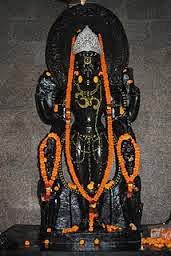
The four-armed form of Lord Vishnu depicted in the temple's idol follows classical Hindu iconographic conventions. Each of the four objects held by the deity carries symbolic meaning within Vaishnava theology: the conch represents the cosmic sound and divine call, the discus symbolizes the mind and the power to destroy ignorance, the club embodies divine strength and protection, and the mace represents the power of knowledge. This form of Vishnu, known as Chaturbhuja (four-armed), is one of the most widely worshipped representations across Hindu temples. The black granite material of the statue, combined with its Gupta-period craftsmanship, makes it an object of both spiritual devotion and historical interest for visitors.
How to reach
Temples near Vishnudham Mandir
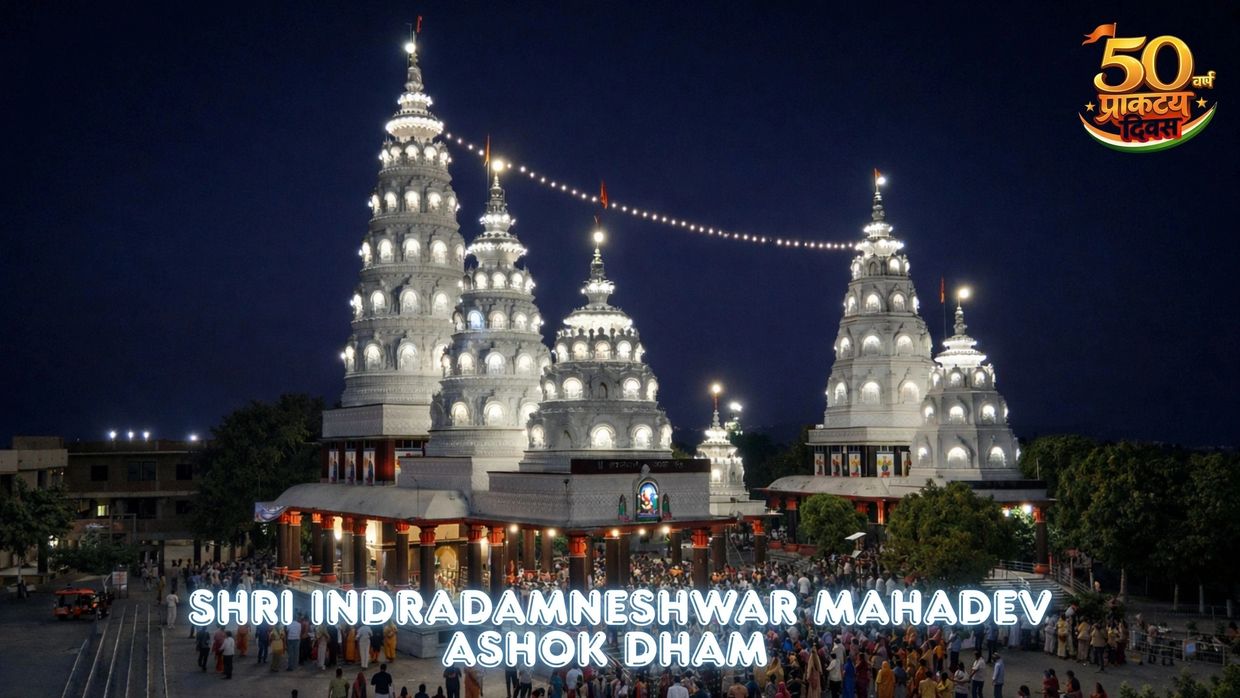
Ashokdham Temple
Ashokdham Temple, also known as Indradamneshwar Mahadev Mandir, is a Shiva temple complex in Lakhisarai district, Bihar, reconstructed in 1993 and comprising multiple shrines de…

Naulakha Mandir, Begusarai
Naulakha Mandir in Bishanpur, Begusarai, is a Hindu shrine dedicated to Rama and Sita, established in 1953 by saint Mahavir Das. The temple welcomes devotees daily with traditio…
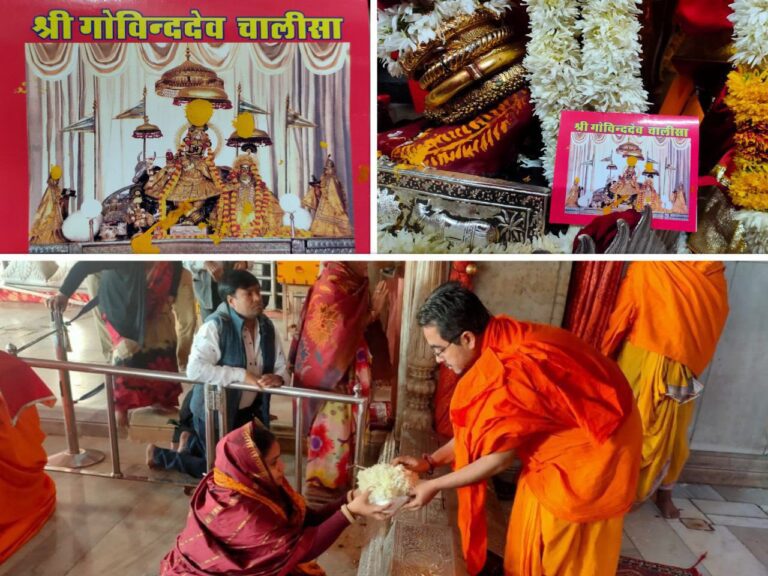
Sringri Rishi Dham
Shringi Rishi Dham is a Hindu temple in Bihar's Lakhisarai district, nestled at the base of hills with natural hot springs and waterfalls. Devotees visit to perform head-shaving…
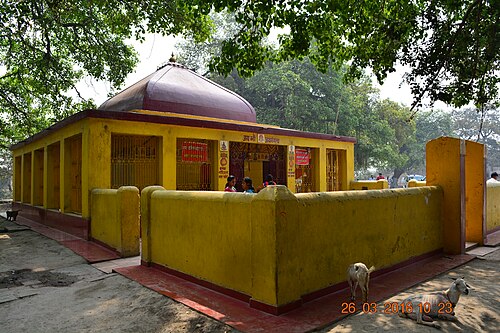
Jaimangla Garh Temple
Jaimangla Garh Temple, situated on an island in Kanwar Lake near Begusarai, Bihar, is an ancient shrine dedicated to Goddess Chandi Mangla Devi, believed to date from the 9th–10…
Patan Devi
Patan Devi, also known as Maa Patneshwari, is a revered Shakti Peeth in Patna, Bihar, from which the city derives its name according to tradition.
Aami Mandir
Aami Mandir, also known as Ambika Bhawani Temple, is a Shakta pitha dedicated to the Goddess Sati located in Ami village, Dighwara, Saran District, Bihar.