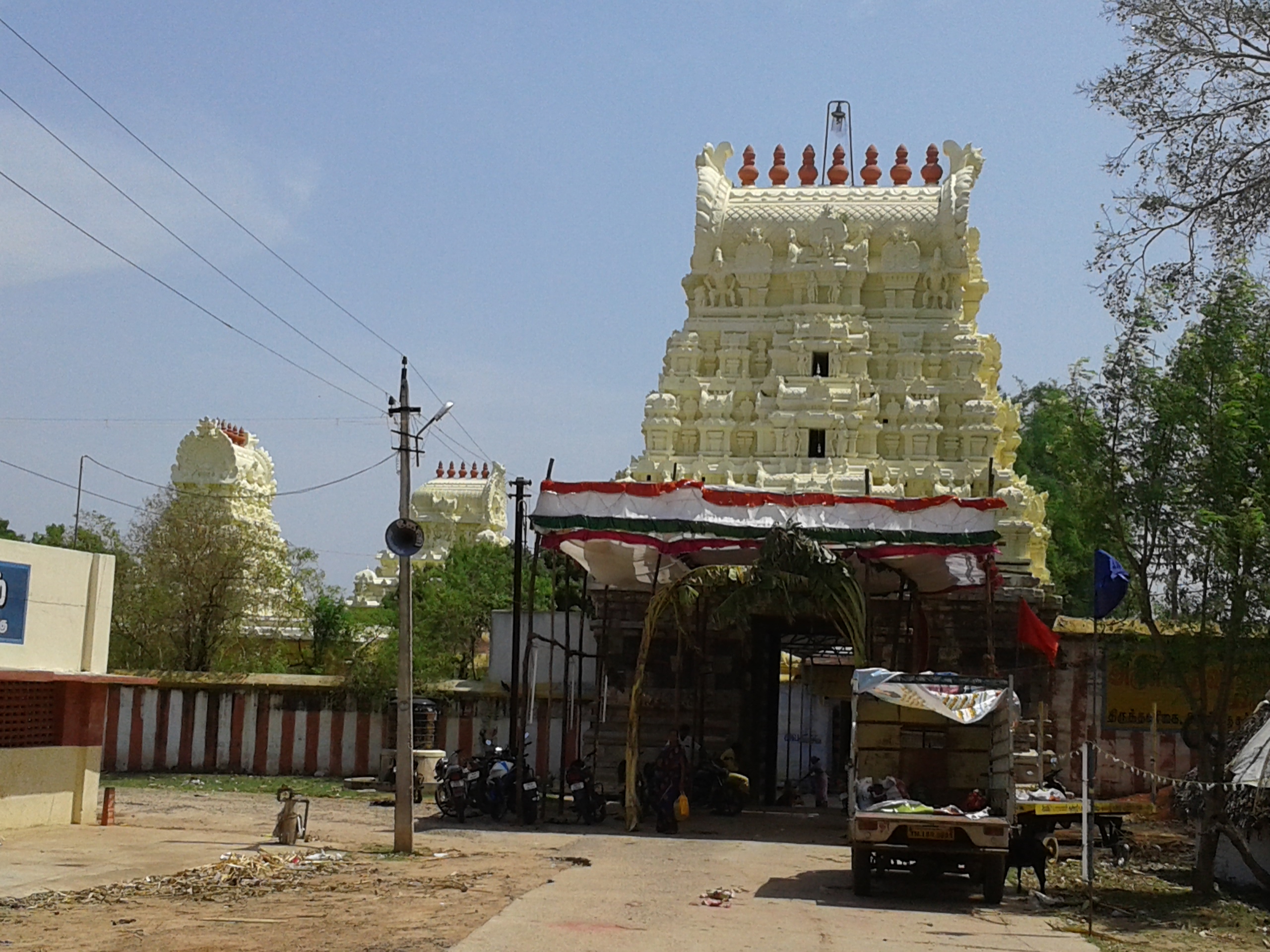
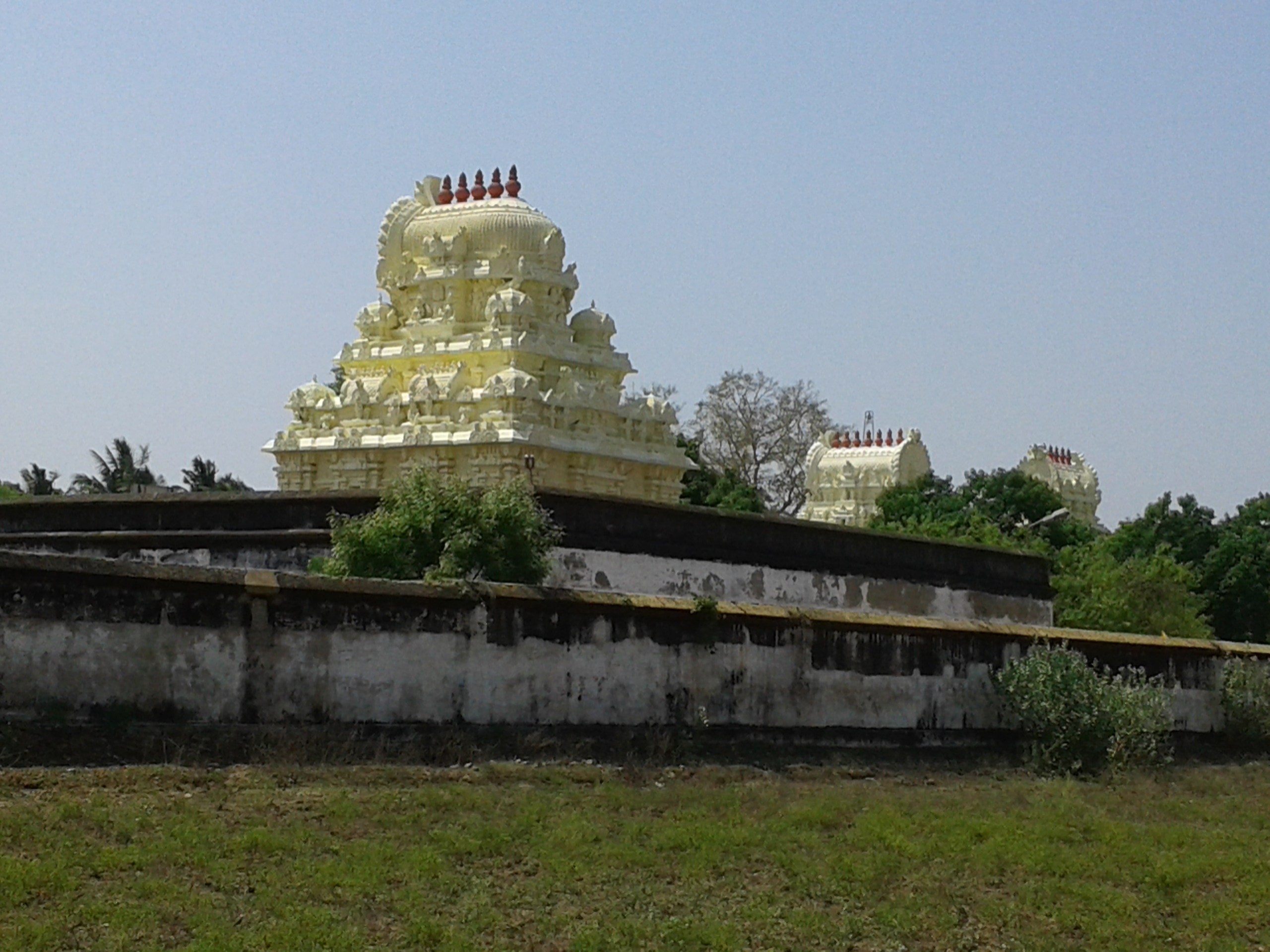
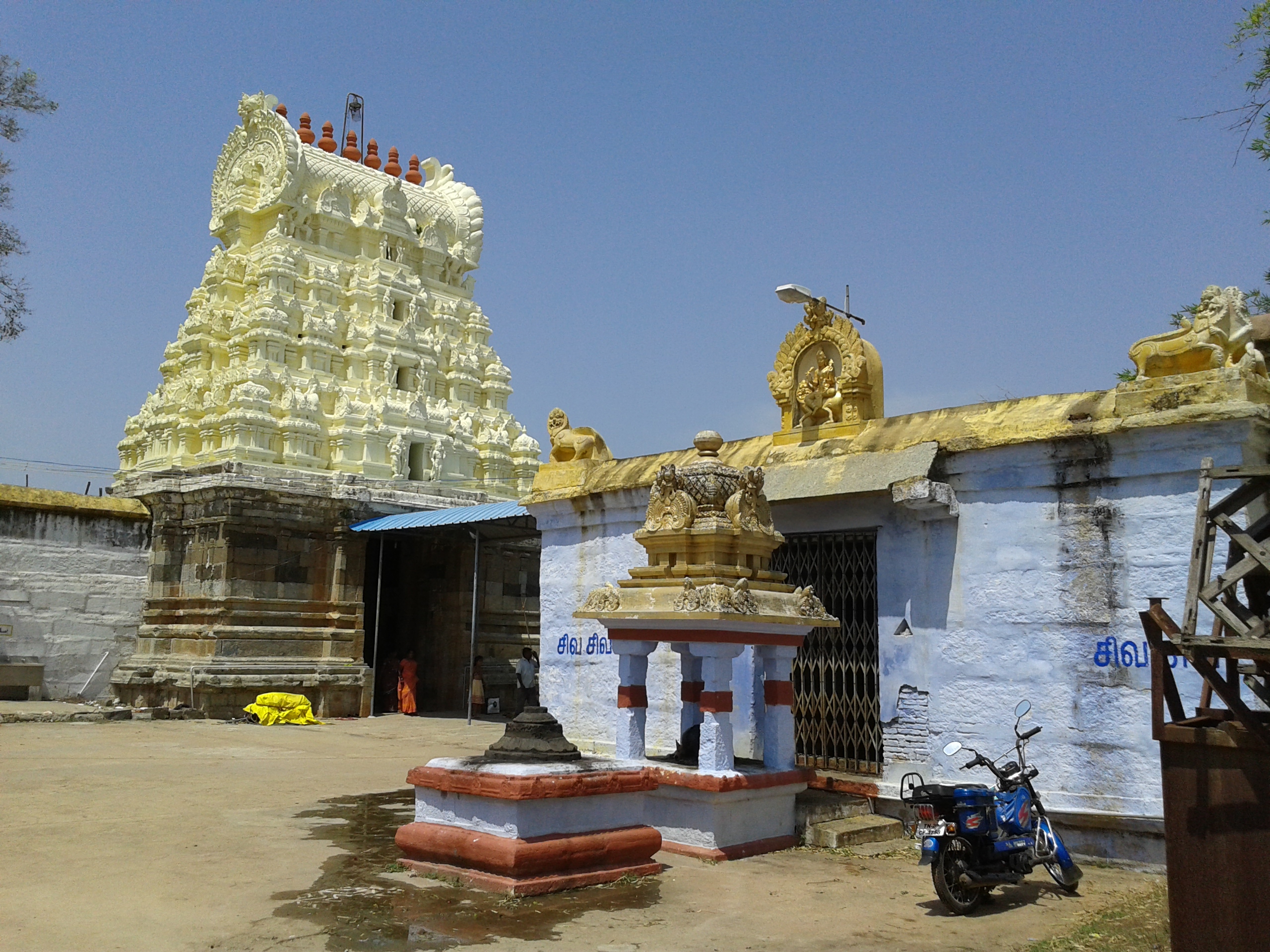
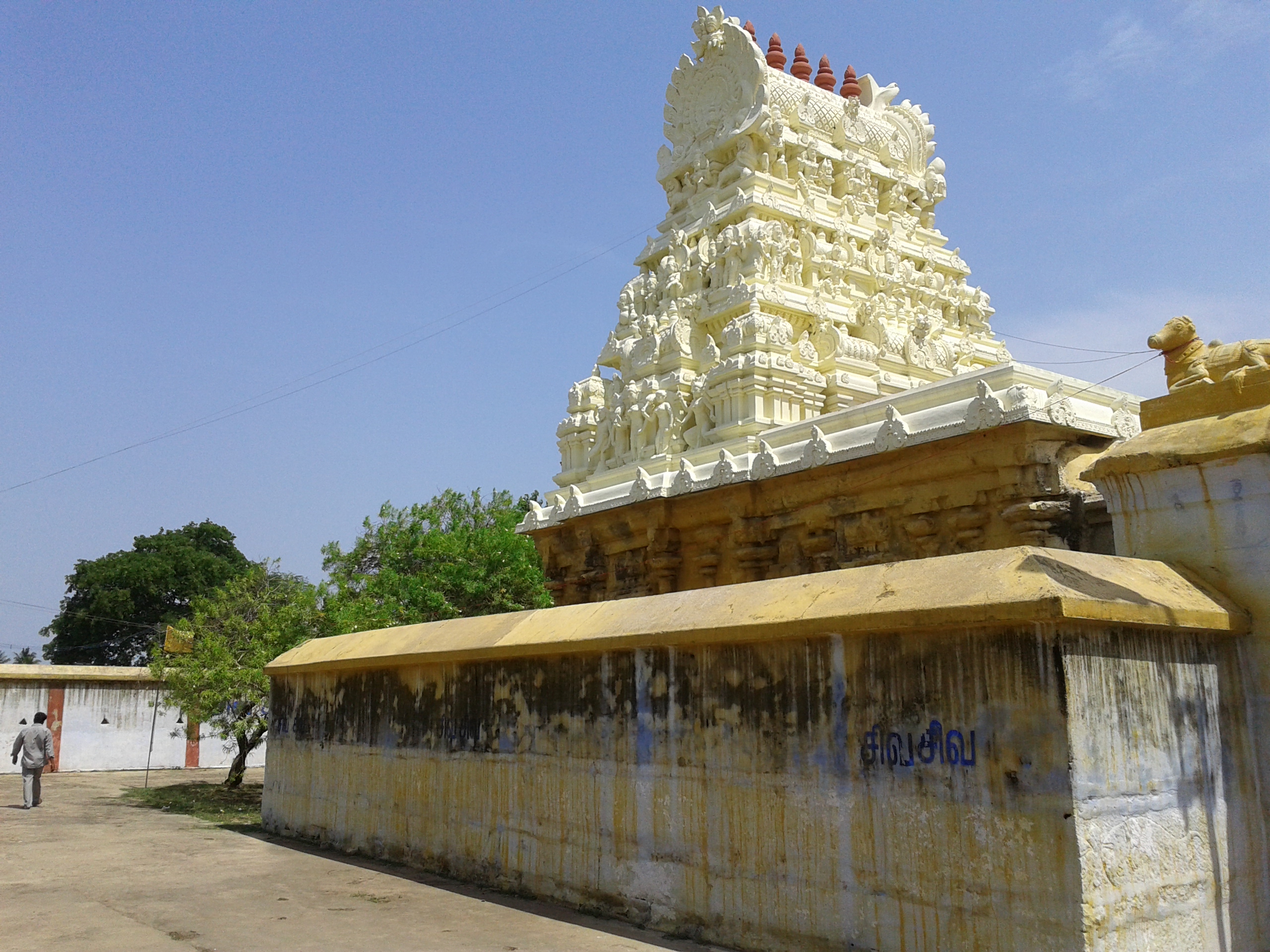
Vaseeswarar Temple
About Vaseeswarar Temple
Vaseeswarar Temple occupies a distinctive geographical setting on the southern banks of the Poondi reservoir, positioned along the Thiruvallur–Thiruthani road approximately 5 kilometres from Thiruvallur town. This location places it within reach of travellers moving between these two towns. The specific coordinates (13.14083333, 79.87611111) can assist those using GPS navigation. Visitors should plan their journey with local transport options and road conditions in mind, as the temple's position near the reservoir, while adding to its setting, requires some travel planning.
Daily Worship and Darshan
The temple observes four principal worship periods throughout the day. Morning worship (Ushathkala Pooja) takes place from 06:00 to 07:00. A midday ritual (Kaala Sandhi Pooja) occurs from 09:00 to 10:00, followed by the main midday worship (Uchikala Pooja) from 12:00 to 13:00. Evening worship (Sayaraksha Pooja) is conducted from 18:00 to 19:00. These timings allow devotees to visit at various points in the day, though visitors should confirm current schedules directly with the temple, as timings may vary seasonally or according to local observances.
Darshan—the viewing and receiving of blessings from the deity—follows the liturgical patterns typical of Tamil Shaiva temples. Devotees approach the sanctum to view the lingam and receive the blessings of Vaseeswarar. Temples of this tradition typically expect visitors to observe customary practices: removing footwear before entering the inner sanctum, maintaining respectful silence, and following any instructions given by temple staff.
Visitor Etiquette and Dress
Modest dress is customary when visiting Hindu temples. Men should wear simple, respectful clothing; women are expected to wear attire that covers the shoulders and extends to at least the knees. This reflects the sacred nature of the space and the traditions observed by the worshipping community. Visitors should be prepared to remove their footwear before entering the inner sanctum and should maintain respectful behaviour throughout their visit. Photography policies and other specific guidelines are best confirmed with temple staff upon arrival.
Spiritual Significance in Tamil Tradition
The inclusion of Vaseeswarar Temple in the Paadal Petra Sthalam tradition marks it as a site celebrated by the nayanmars, whose devotional hymns shaped Tamil Shaiva practice for over a millennium. This classification connects individual worship at the temple to a larger spiritual geography recognised across Tamil Nadu. For devotees following this tradition, visiting such temples represents an engagement with sites sanctified through centuries of devotional practice and literary commemoration.
How to reach
You may also visit
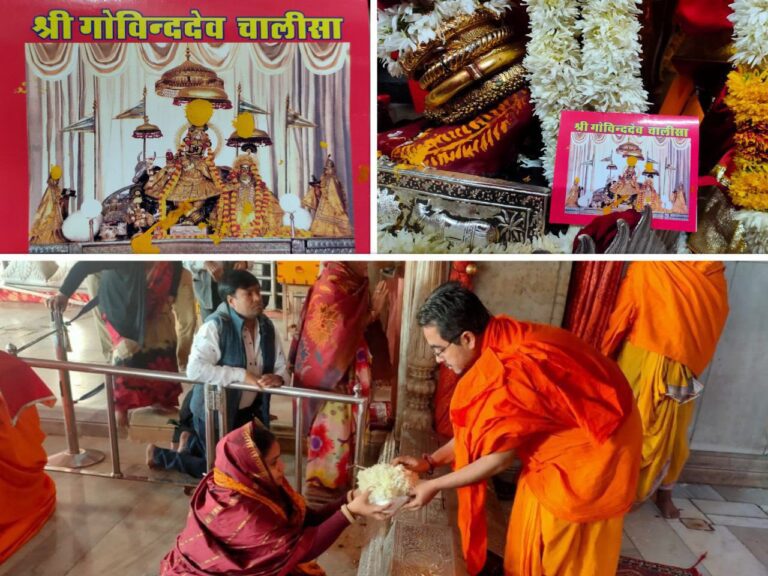
Kalyanji Temple
Kalyanji Temple in Jaipur's Chandpol Bazaar is approximately two centuries old and renowned for displaying the twenty-four avatars of Krishna, visible only twice yearly during Akha Teej and Patottsav festival.
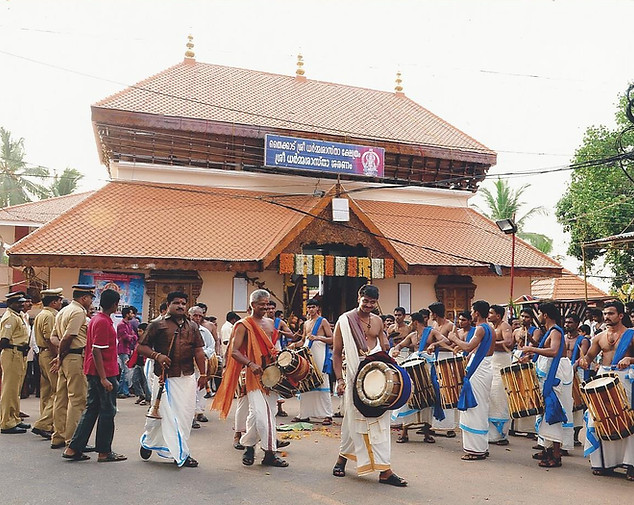
Sastha (Ayyappan) Temple
Sree Dharma Sastha Temple in Thycaud, Thiruvananthapuram, is a centuries-old shrine where the deity manifests as Dhanwanthari, the divine healer, holding the sacred blue lotus.
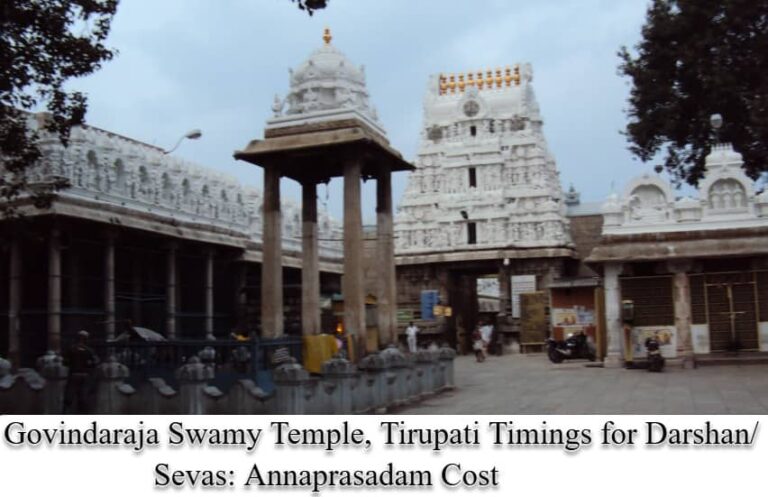
Govindarajaswamy Temple
Sri Govindarajaswamy Temple in Tirupati is an ancient Vaishnavaite shrine consecrated in 1130 AD by Saint Ramanuja, where the presiding deity rests in eternal Yoga Nidra on the serpent Adisesha.