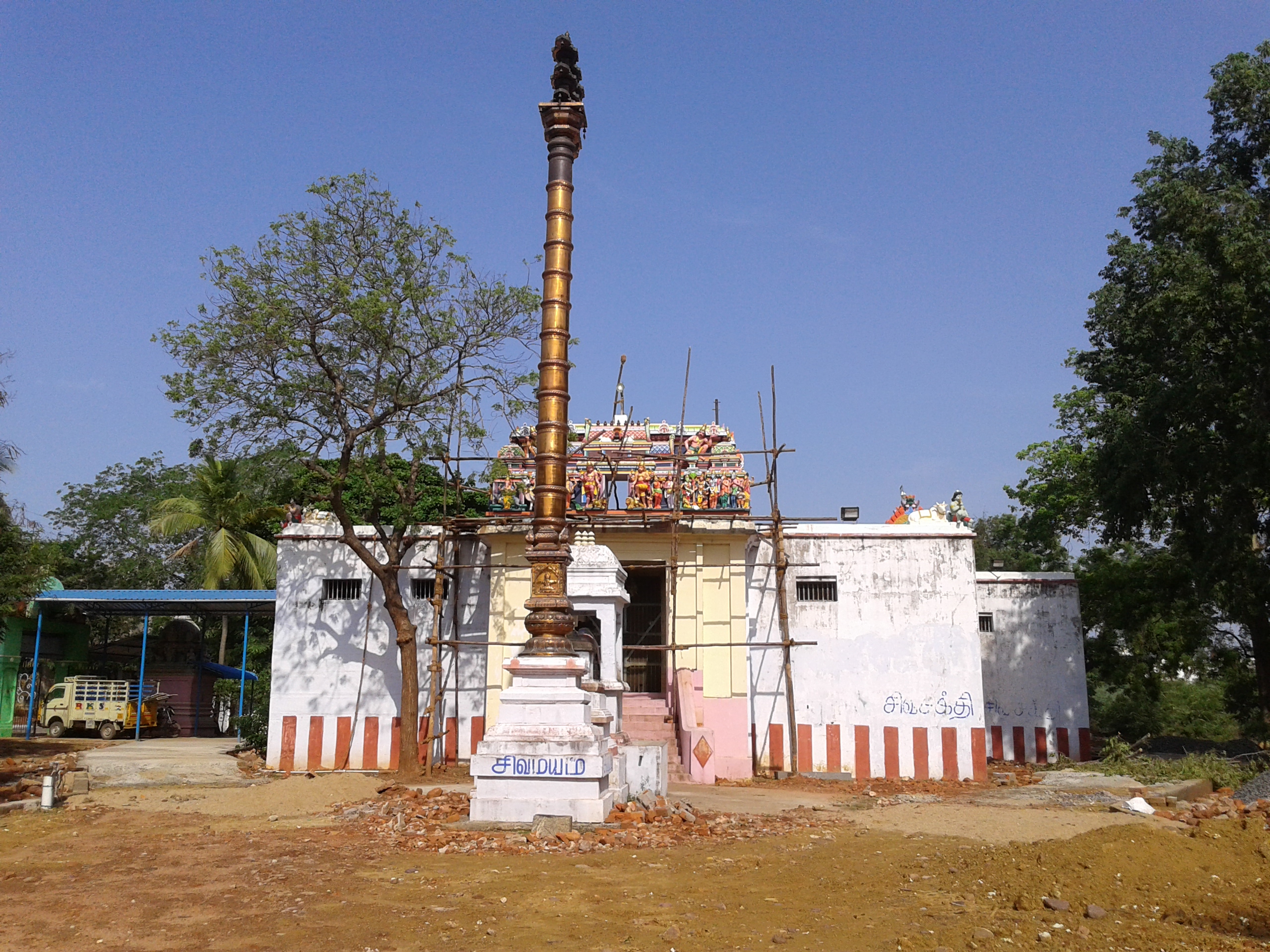
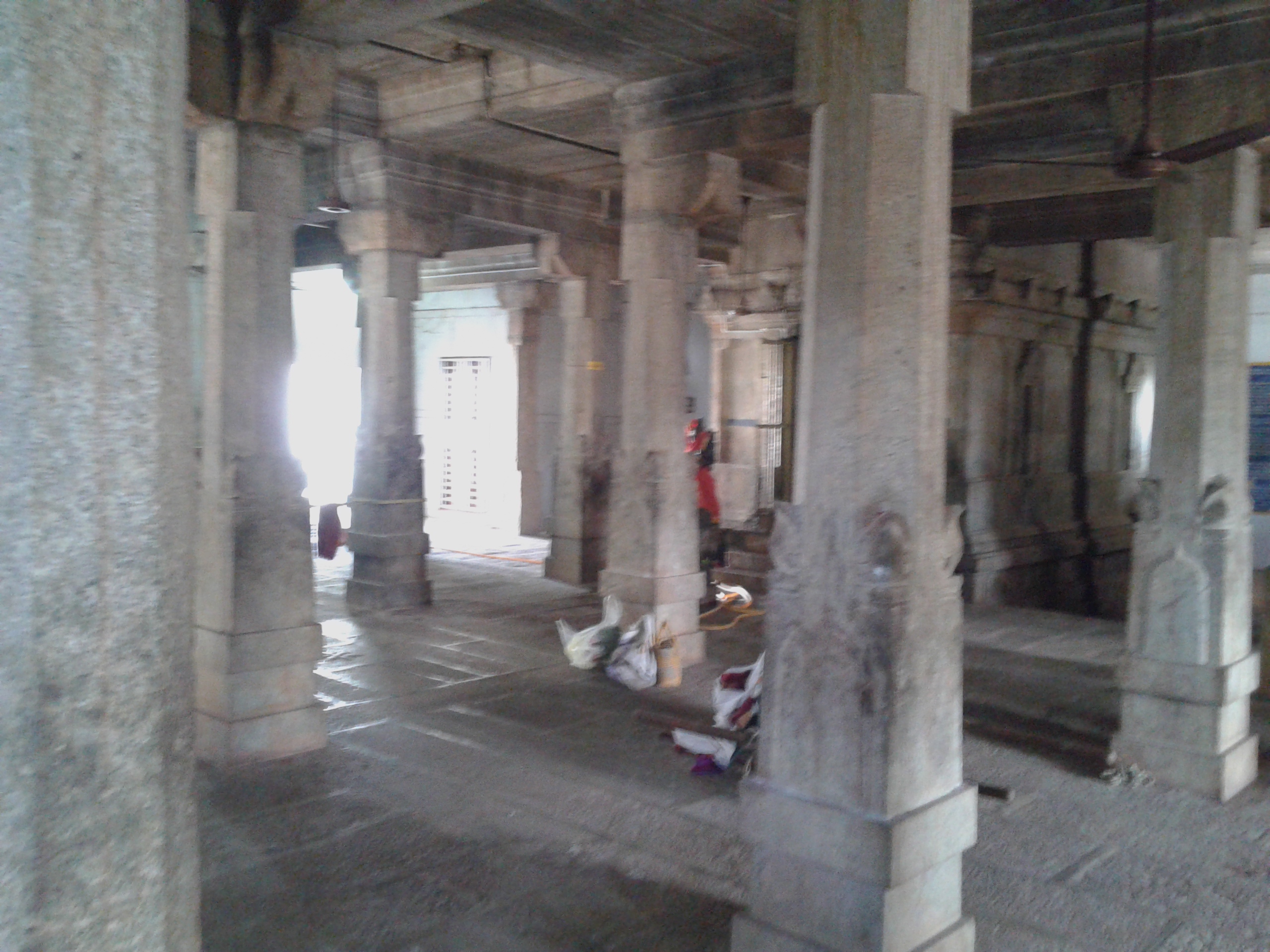
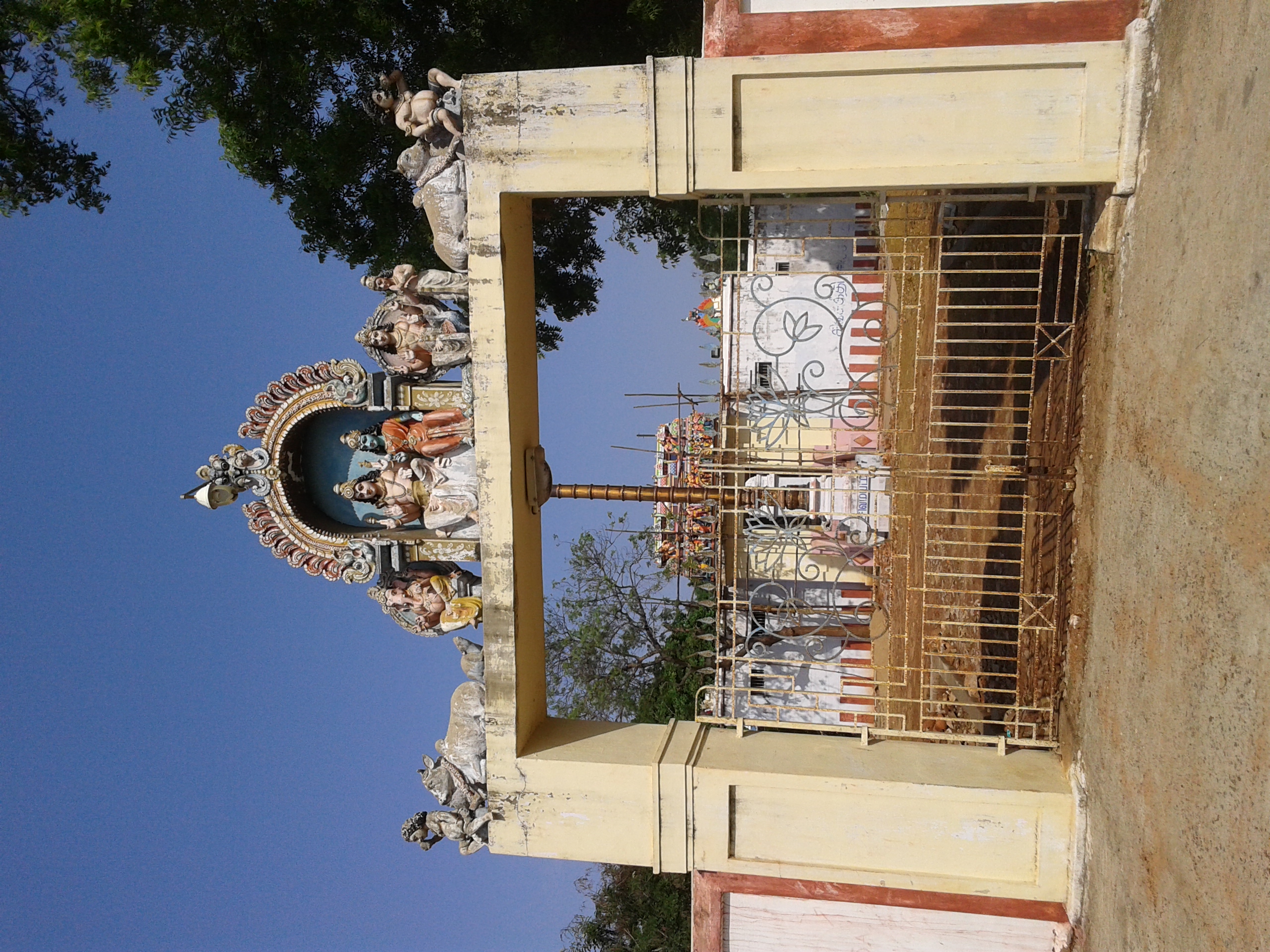
Oondreswarar Temple
About Oondreswarar Temple
The temple's origins trace to the 7th century CE, a period of considerable religious and cultural flourishing in South India. Its inclusion in the Tevaram—the oldest Tamil devotional literature dedicated to Shiva—testifies to its antiquity and the reverence it commanded among the Nayanmars. This classification as a Paadal Petra Sthalam places it within a select group of temples across Tamil Nadu that were celebrated in these sacred hymns, making it a site of pilgrimage for those following the devotional paths outlined in this ancient literature.
Worship and Daily Practice
Temples dedicated to Shiva in the Tamil tradition typically conduct daily worship centred on the lingam in the inner sanctum. Devotees visit to perform darshan—viewing the deity—as an act of worship and spiritual connection. The presence of Parvati as Minnoli Amman indicates that the temple honours the divine couple, reflecting a common practice in Shaiva temples where the consort is worshipped alongside the primary deity. Specific details regarding daily ritual timings, aarti schedules, or puja offerings at this temple are not documented in available sources; visitors planning their visit should inquire locally or contact the temple directly for current worship schedules.
Visiting the Temple
The temple's location on the Thiruvallur-Thiruthani road makes it accessible by road. Those travelling by public transport can reach Poondi village and proceed to the temple from there. The coordinates 13.20805556, 79.87861111 can assist those using GPS navigation. As with most Hindu temples, visitors should observe customary practices: removing footwear before entering the sanctum, dressing modestly, and maintaining respectful behaviour within the sacred space. Since specific information about facilities, opening hours, or visitor amenities is not available from the sources provided, it is advisable to contact the temple in advance or seek local guidance upon arrival to understand current arrangements and any particular customs observed at this site.
The Paadal Petra Sthalam Tradition
The designation of Oondreswarar as a Paadal Petra Sthalam connects it to a broader spiritual geography across Tamil Nadu. These temples were sanctified not through royal decree or architectural grandeur alone, but through the devotional poetry of the Nayanmars—saints whose verses expressed direct, personal experience of the divine. For devotees following this tradition, visiting such temples means walking in the footsteps of ancient saints and encountering the same sacred spaces that inspired their hymns over thirteen centuries ago. This makes Oondreswarar Temple a destination not merely for ritual worship but for those seeking connection to the deep roots of Tamil Shaivism.
How to reach
You may also visit
Kalyanji Temple
Kalyanji Temple in Jaipur's Chandpol Bazaar is approximately two centuries old and renowned for displaying the twenty-four avatars of Krishna, visible only twice yearly during Akha Teej and Patottsav festival.
Sastha (Ayyappan) Temple
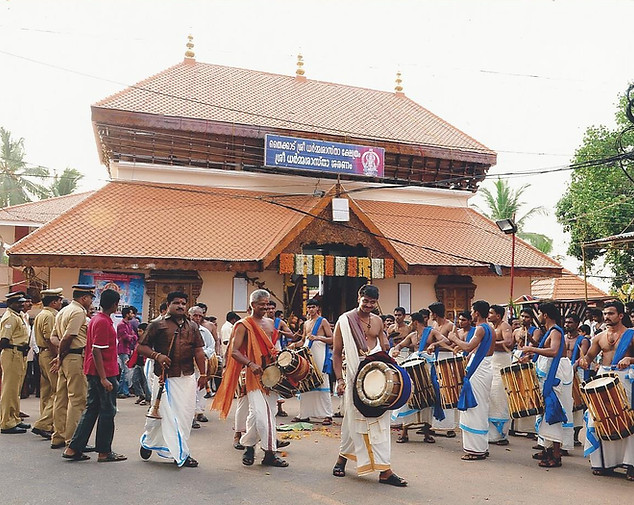
Sree Dharma Sastha Temple in Thycaud, Thiruvananthapuram, is a centuries-old shrine where the deity manifests as Dhanwanthari, the divine healer, holding the sacred blue lotus.
Govindarajaswamy Temple
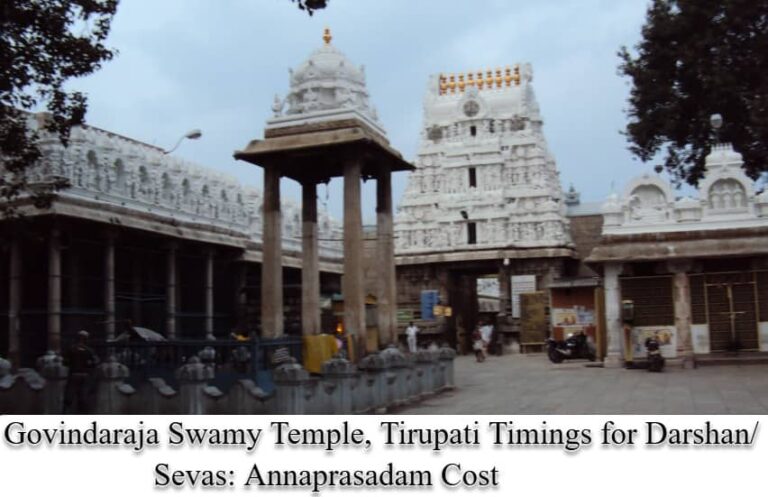
Sri Govindarajaswamy Temple in Tirupati is an ancient Vaishnavaite shrine consecrated in 1130 AD by Saint Ramanuja, where the presiding deity rests in eternal Yoga Nidra on the serpent Adisesha.