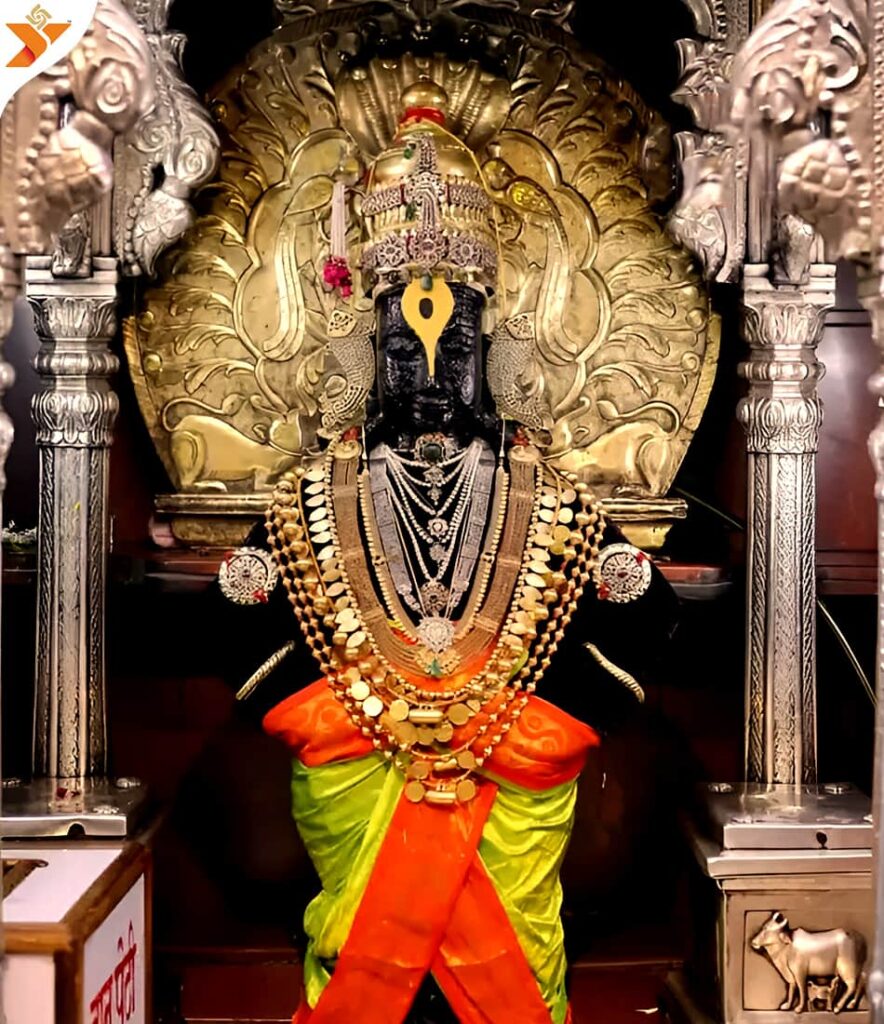

Varaha Temple
About Varaha Temple
The temple was originally constructed during the 12th century AD by King Anaji Chauhan, making it among Pushkar's oldest surviving religious structures. Like many temples in the region, it suffered destruction during Mughal rule but was restored in the 18th century by Raja Sawai Jai Singh II of Jaipur, allowing the shrine to continue serving devotees to the present day. The temple functions as a fortified structure, reflecting both its age and its historical importance to the community.
The sanctum houses a two-foot white idol of Lord Varaha. The temple displays architectural refinement through several notable features: life-size statues of doormen flank the entrance, intricate stone carvings decorate the walls, and gold-styled pillars bear depictions of Garuda, the mythical bird associated with Vishnu. These elements combine to create a space that reflects both the craftsmanship of medieval temple builders and the devotional priorities of successive generations who maintained and enhanced the structure.
Daily Worship and Darshan
The temple opens for darshan in two periods: morning hours from 06:00 to 12:00, and evening hours from 16:00 to 20:00. The Sandhya Aarti, the evening ritual of worship, takes place at 19:00. Visitors should note that timings may vary on festival days, so confirmation with the temple before travelling is advisable. Early morning and late evening visits tend to be less crowded, offering a more contemplative experience for those seeking quieter darshan.
Temples dedicated to Vishnu and his incarnations typically follow established protocols for visitor conduct. Devotees are generally expected to remove footwear before entering the sanctum, maintain respectful silence during rituals, and avoid photography in the inner sanctum unless explicitly permitted. Modest dress is customary; loose-fitting clothing that covers shoulders and knees aligns with temple etiquette across Hindu pilgrimage sites.
Best Times to Visit
Early morning and late evening hours offer the most peaceful atmosphere for darshan. October and November are particularly significant months to visit Pushkar, as the region observes both the Pushkar Camel Fair and the Brahma festival during this period. These occasions draw larger numbers of pilgrims and visitors, creating a more vibrant but also more crowded environment. Those preferring solitude may choose to visit outside these peak months, while those interested in experiencing the full ceremonial and cultural life of the pilgrimage site should plan their visit around these festivals.
Location and Access
Varaha Temple is situated near Pushkar Lake in Pushkar, Rajasthan, at coordinates 26.4905995, 74.5577153. The temple's proximity to the lake makes it accessible as part of a broader pilgrimage circuit through Pushkar's sacred sites. Visitors should allow time to explore the surrounding area, as the temple functions within a larger ecosystem of religious and cultural significance centered on the lake itself.
Practical Information for Visitors
The temple welcomes visitors during its posted hours, though it is advisable to confirm current timings before arrival, particularly if planning a visit during festival periods when schedules may shift. Visitors should carry water and sun protection, as Pushkar's desert climate can be intense, especially during midday hours. The temple does not appear to offer extensive on-site facilities, so visitors may wish to arrange refreshments beforehand. As with most pilgrimage sites, donations to the temple are customary and support its maintenance and daily operations.
How to reach
Temples near Varaha Temple
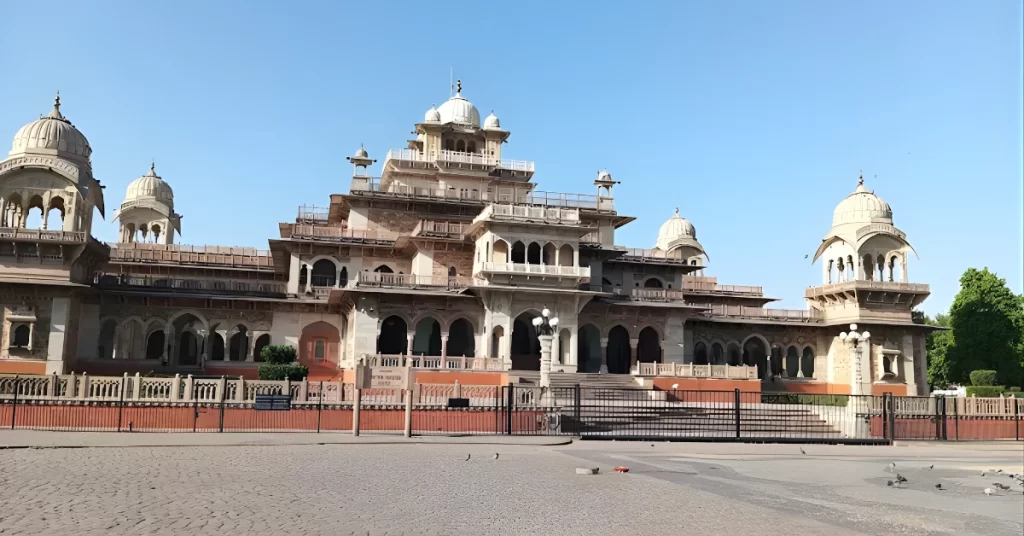
Brahma Temple, Pushkar
The Brahma Temple in Pushkar is one of the world's only major temples dedicated to Lord Brahma, the Hindu deity of creation, built in the 14th century and situated near the sacr…
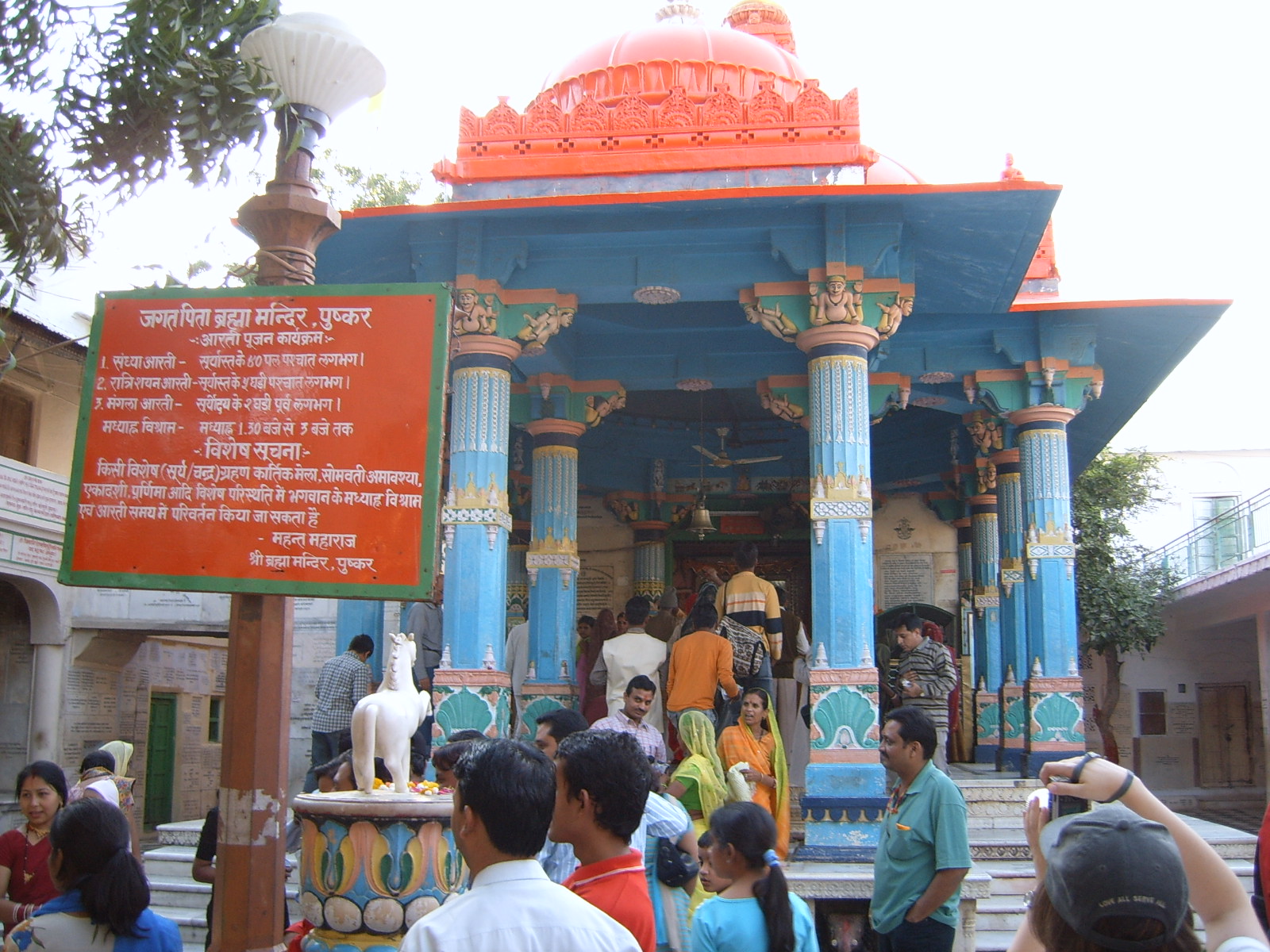
Savitri Temple
Savitri Mata Temple is a hilltop shrine dedicated to Goddess Savitri in Pushkar, Rajasthan, accessible via 970 steps or ropeway and offering panoramic views of the sacred town.
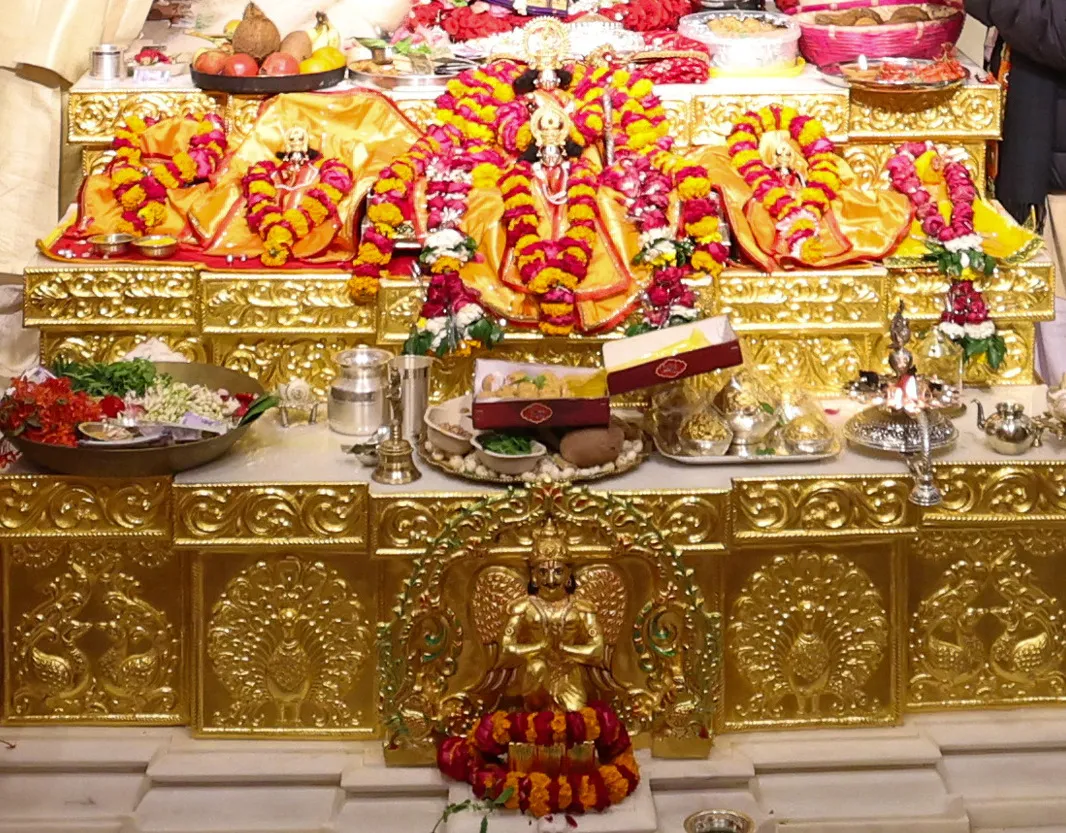
Shree Ram Mandir
Shri Ram Mandir in Ayodhya is a grand Hindu temple dedicated to Lord Ram (Ram Lalla), built at the site traditionally believed to be his birthplace. It stands as a symbol of fai…
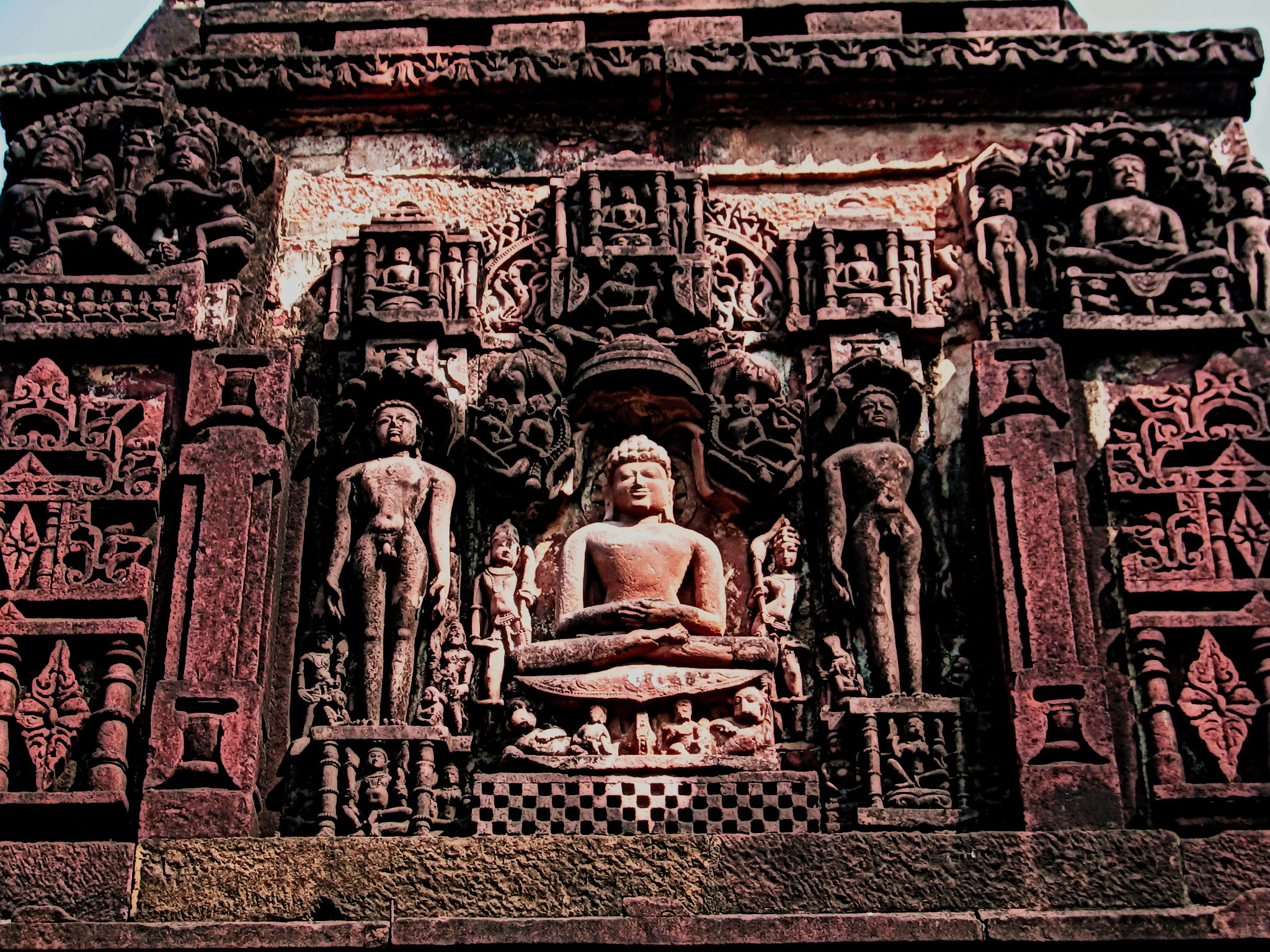
Jain Temple
A Jain temple (Derasar) located in Pushkar, Rajasthan, serving as a place of worship for followers of Jainism with morning and evening darshan hours.

Shri Kalyan Temple
Shri Diggi Kalyan Ji Temple is a Hindu shrine dedicated to Lord Vishnu situated in Diggi town within Malpura tehsil, Tonk district, Rajasthan.
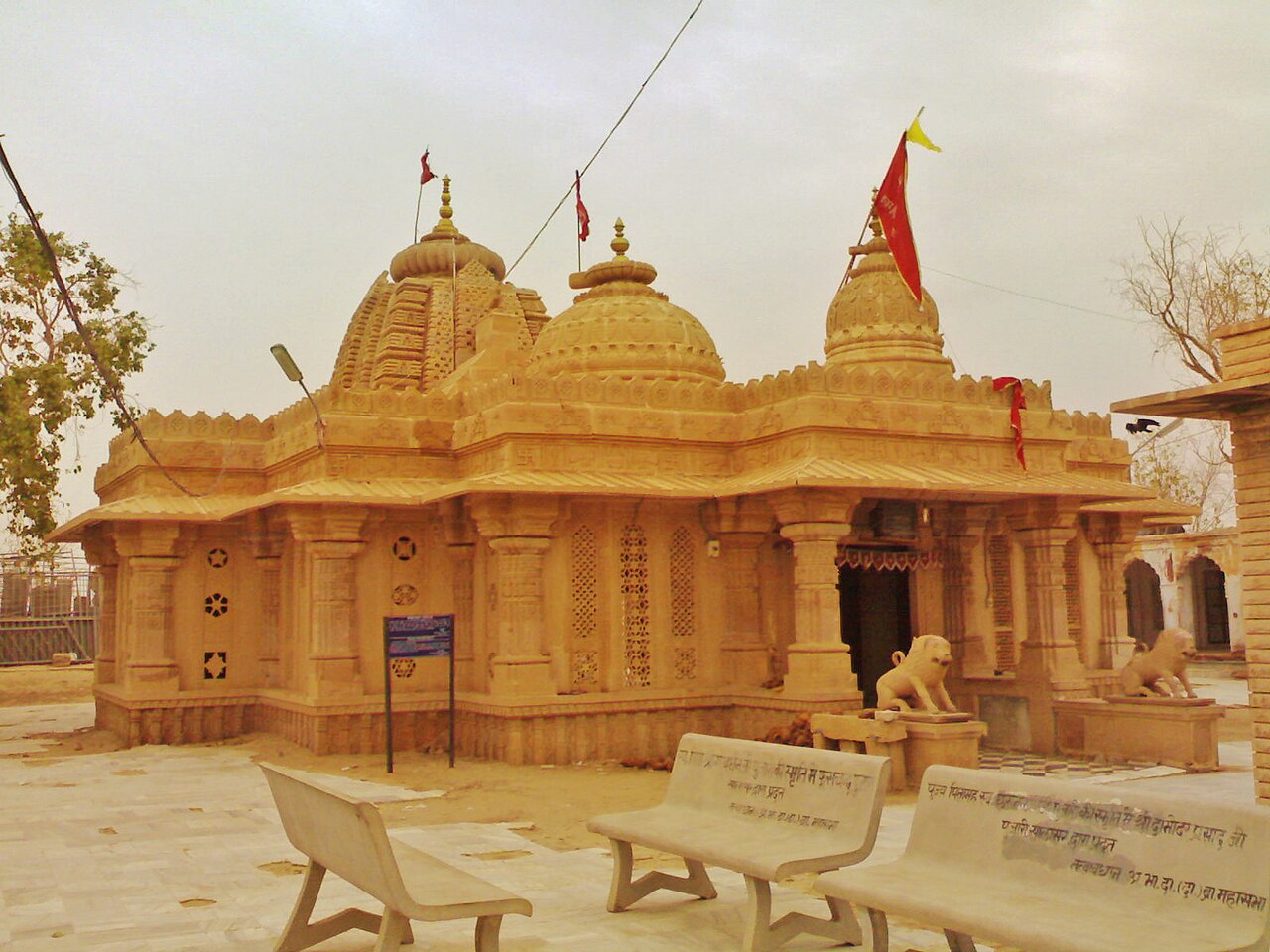
Dadhimati Mata Temple
Dadhimati Mata Temple is an ancient Hindu shrine dedicated to the goddess Dadhimati, situated between Goth and Manglod villages in Nagaur district, Rajasthan. Historical inscrip…