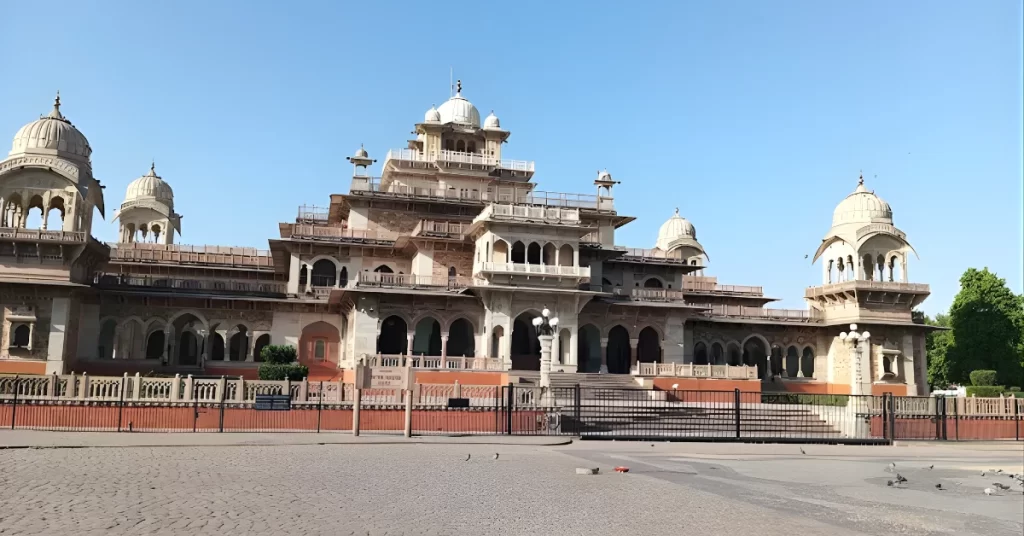
Brahma Temple, Pushkar
About Brahma Temple, Pushkar
The temple opens at 6:00 AM and closes at 2:00 PM, with an evening aarti (ritual of worship) conducted at 7:00 PM. Morning hours offer the most peaceful atmosphere for those seeking a quieter darshan experience. The evening aarti provides an alternative opportunity for worship, particularly for visitors whose schedules do not accommodate early morning visits.
Entry to the temple is free for all visitors. However, several conduct rules apply: photography is prohibited inside the temple, shoes must be removed before entering, and modest clothing is expected. Small shops near the temple entrance offer paid shoe storage, a practical convenience for those concerned about leaving footwear unattended.
What to Know Before You Visit
Visitors should approach the temple with respectful demeanor, maintaining silence and composure during darshan. The temple's narrow approach through local market lanes means that parking is limited; most visitors leave vehicles at the market's edge and walk the final distance to the shrine.
Modest dress is essential—this typically means covering shoulders and knees. Women may wish to carry a dupatta or scarf for additional coverage if needed. The removal of shoes is non-negotiable, so wear footwear that is easy to slip on and off.
If you plan to perform pujas at Pushkar Lake's ghats following your temple visit, budget between 150 and 300 rupees for priest-led ceremonies, which include offerings and prayers. These rituals are conducted across the lake's 52 ghats and represent a common extension of temple worship in this pilgrimage site.
Getting There
Brahma Temple sits approximately 1 kilometre from Pushkar Bus Stand and 12 kilometres from Ajmer Railway Station. From the bus stand, the walk takes 10 to 15 minutes through local streets. Alternatively, auto-rickshaws and e-rickshaws navigate the market lanes to bring visitors closer to the temple entrance, though the final approach on foot is unavoidable due to the narrow, pedestrian-focused layout of the area.
Those arriving by train at Ajmer can reach Pushkar by taxi or bus. The journey from Ajmer to Pushkar takes roughly 30 minutes by road. Visitors traveling from larger cities like Jaipur, Udaipur, or Jodhpur typically reach Pushkar by road first, then proceed to the temple from the bus stand.
The Temple's Setting and Architecture
The temple stands close to Pushkar Lake, its red sandstone construction reflecting the architectural vocabulary of Rajasthan's sacred sites. The use of red sandstone—a material common to temples across the region—grounds the structure within local building tradition while marking it as a place of worship.
The temple's modest scale and intimate setting contrast with its spiritual significance. Rather than overwhelming visitors with grandeur, the shrine invites focused devotion. The proximity to the lake means that the temple functions as part of a larger sacred landscape, where water, architecture, and ritual practice interweave.
Timing Your Visit: Crowds and Seasons
The temple experiences significant crowding during Kartik Purnama, a major festival period when many devotees gather for special prayers and celebrations. If you prefer a quieter experience, plan your visit outside this peak season. Morning hours generally remain less congested than afternoons, making early arrival advisable for those seeking solitude during worship.
How to reach
Temples near Brahma Temple, Pushkar
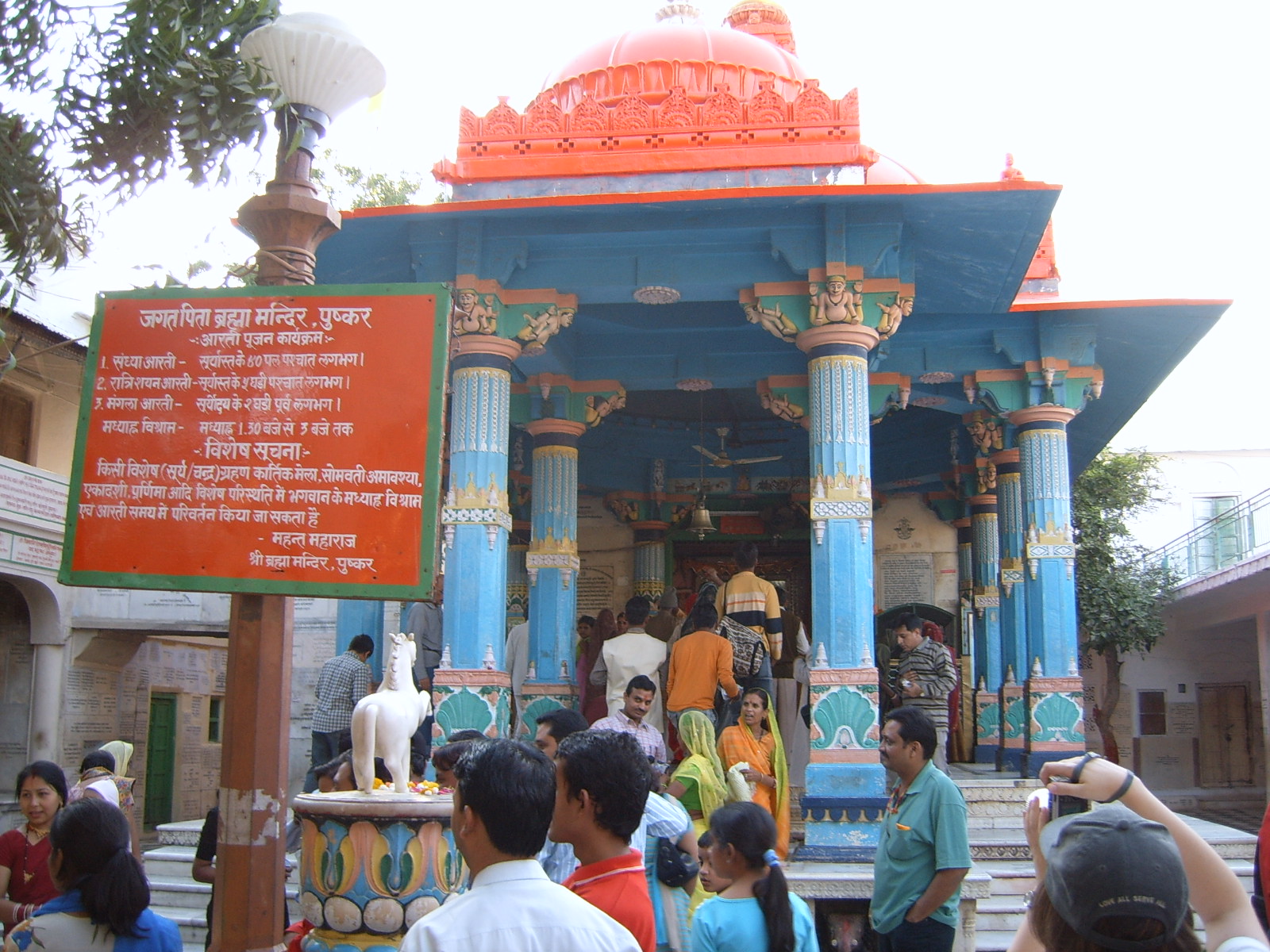
Savitri Temple
Savitri Mata Temple is a hilltop shrine dedicated to Goddess Savitri in Pushkar, Rajasthan, accessible via 970 steps or ropeway and offering panoramic views of the sacred town.
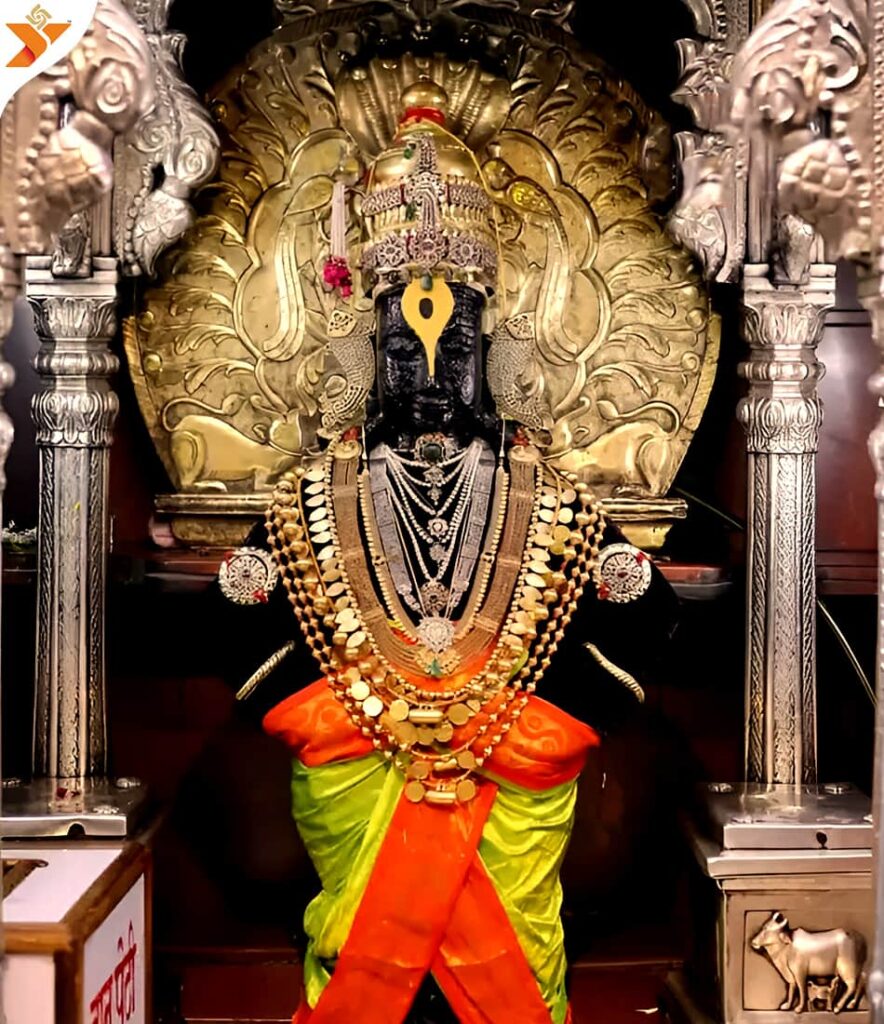
Varaha Temple
Varaha Temple in Pushkar is an ancient Vaishnava shrine dedicated to Varaha, the boar incarnation of Lord Vishnu, originally constructed in the 12th century and rebuilt in the 1…
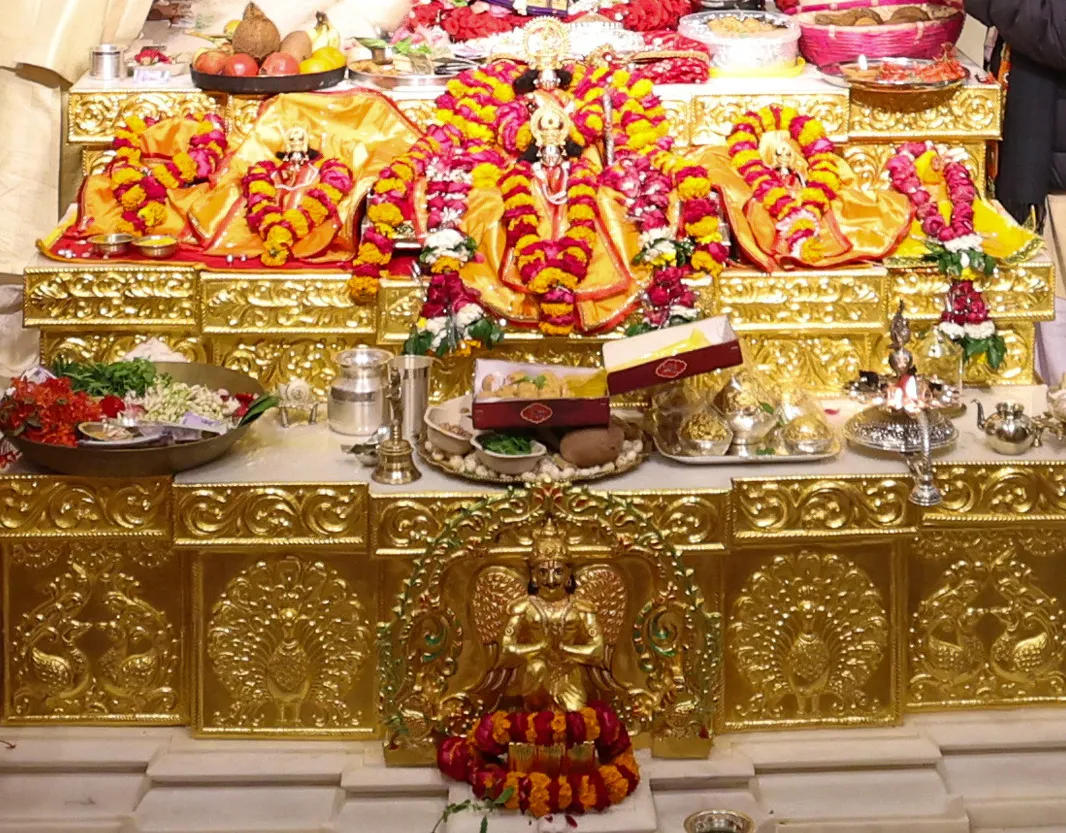
Shree Ram Mandir
Shri Ram Mandir in Ayodhya is a grand Hindu temple dedicated to Lord Ram (Ram Lalla), built at the site traditionally believed to be his birthplace. It stands as a symbol of fai…
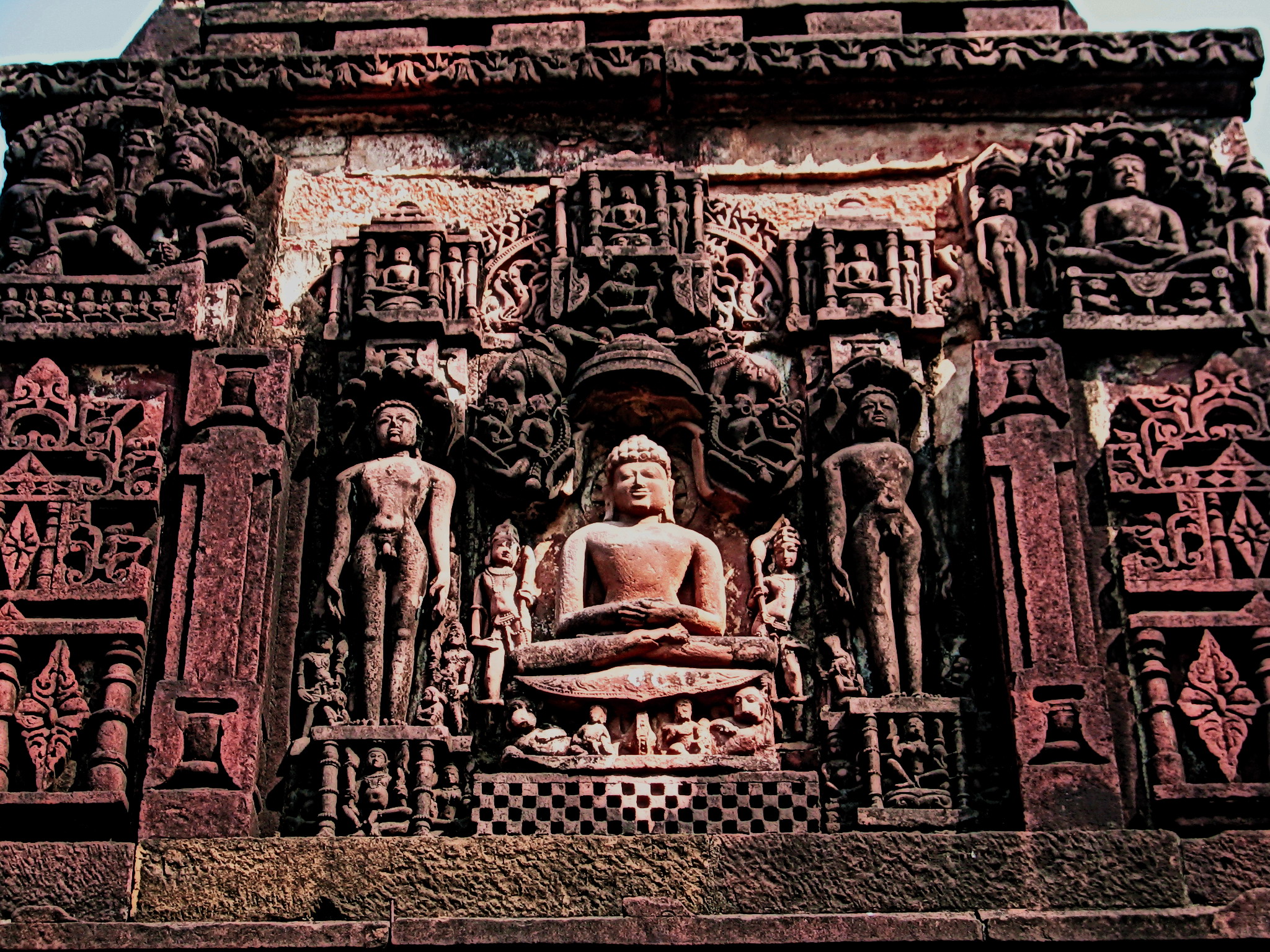
Jain Temple
A Jain temple (Derasar) located in Pushkar, Rajasthan, serving as a place of worship for followers of Jainism with morning and evening darshan hours.

Shri Kalyan Temple
Shri Diggi Kalyan Ji Temple is a Hindu shrine dedicated to Lord Vishnu situated in Diggi town within Malpura tehsil, Tonk district, Rajasthan.
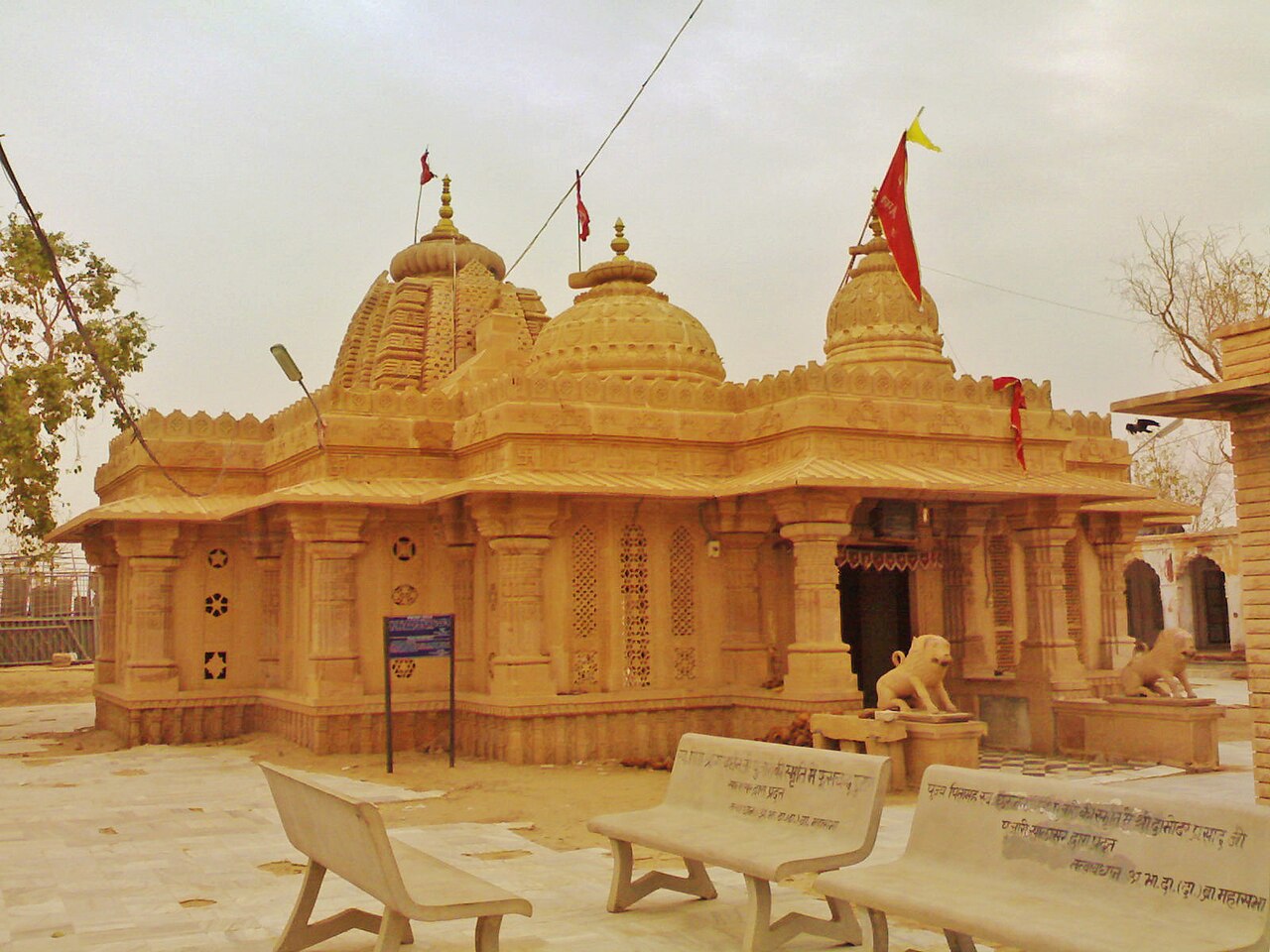
Dadhimati Mata Temple
Dadhimati Mata Temple is an ancient Hindu shrine dedicated to the goddess Dadhimati, situated between Goth and Manglod villages in Nagaur district, Rajasthan. Historical inscrip…