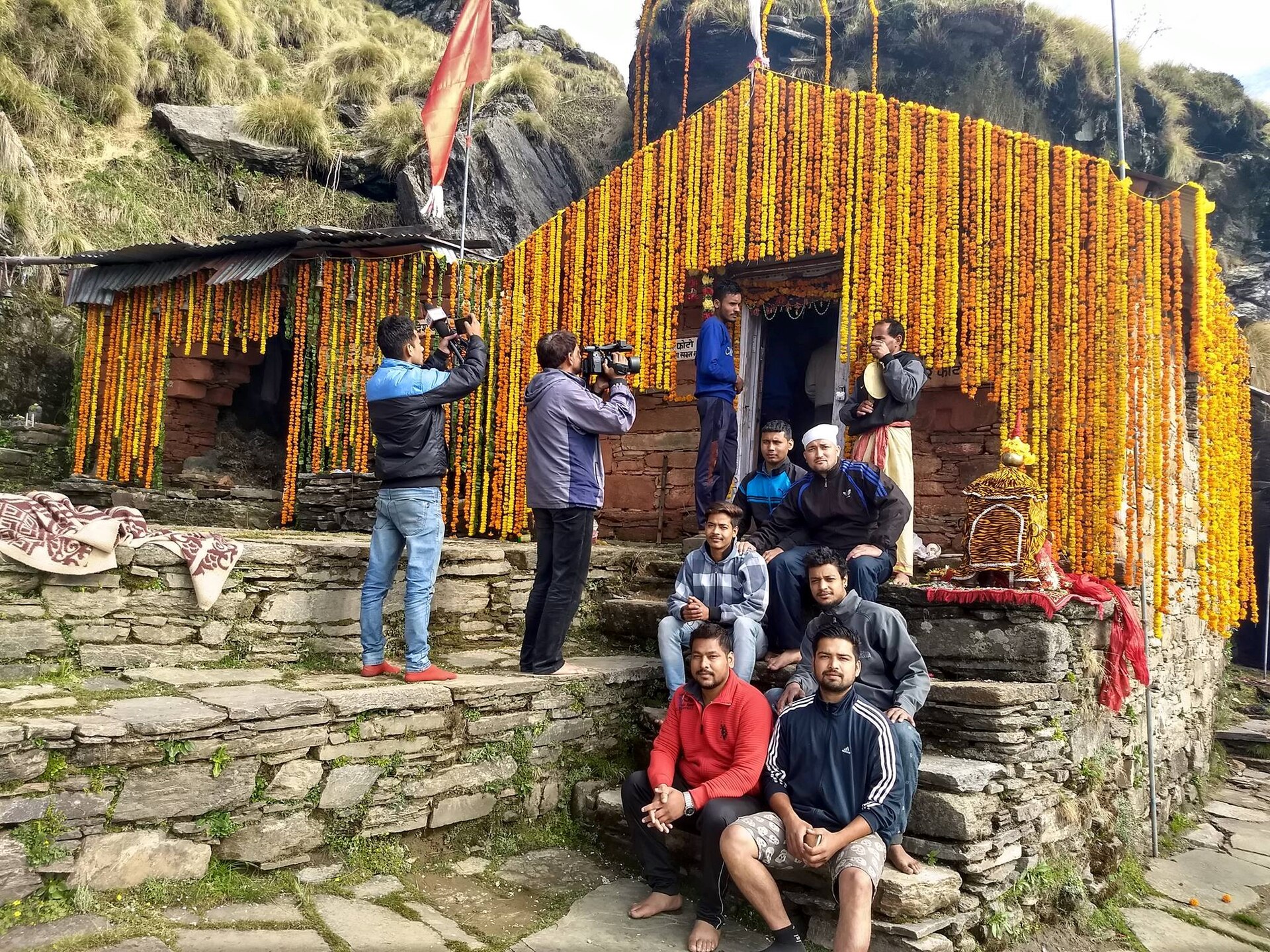
Rudranath
About Rudranath
The temple maintains regular darshan hours throughout the day, with morning sessions beginning at 05:30 and continuing until 12:30, and evening darshan from 16:00 to 21:00. Two principal aartis structure the day's worship: the Mangala Aarti at 06:00 in the morning and the Sandhya Aarti at 19:00 in the evening. These rituals follow the patterns typical of Shiva temples, where the deity is honoured through fire offerings and chanted prayers at dawn and dusk.
Visitors should note that these timings are subject to variation with seasonal changes and festival observances. The alpine location means that weather conditions and accessibility can shift significantly across the year, potentially affecting the temple's operational schedule. Confirming exact darshan and aarti times before undertaking the trek is advisable.
Visiting Rudranath: Practical Considerations
The trek to Rudranath is not a casual day visit. The shrine's mountain location means that pilgrims should be prepared for a multi-day journey with appropriate physical fitness and mountaineering equipment. The best season for visiting extends from April through October, when weather conditions in the high Himalayas are most stable and the routes are passable.
Visitors should dress modestly as is customary at Hindu temples, and be prepared for the cold mountain climate even during warmer months. The remote location means that facilities are minimal; pilgrims typically arrange accommodation and supplies in advance or through local guides familiar with the trek. Those planning to visit should contact the temple or local pilgrimage coordinators to understand current conditions, required permits, and available support services for the journey.
The Trek and Accessibility
Reaching Rudranath requires commitment beyond what most temple visits demand. The shrine is accessed by trekking route from Gopeshwar, the nearest town, and the journey involves significant elevation gain through Himalayan terrain. This accessibility by foot alone has shaped the temple's character as a destination for pilgrims undertaking formal yatra (pilgrimage) rather than those seeking quick darshan.
The physical demands of the trek mean that visitors should plan accordingly, allowing multiple days for the journey and return. Local guides and porters are typically available in Gopeshwar for those unfamiliar with mountain trekking. The effort required to reach the shrine is understood within the pilgrimage tradition as integral to the spiritual experience rather than an obstacle to be minimized.
Seasonal Patterns and Planning
The April to October window represents the accessible season when snow has cleared from the higher elevations and weather permits safe trekking. Outside these months, the alpine passes become impassable and the temple may be unreachable. Pilgrims planning a visit should time their journey within this window and account for the unpredictability of mountain weather even during the recommended season.
The monsoon months, typically June through September, bring heavy rainfall to the region, which can affect trail conditions and visibility. Early summer (April-May) and autumn (September-October) generally offer the most stable conditions, though this varies year to year. Checking current conditions through local sources before beginning the trek is essential.
Arranging Your Visit
Because of the remote location and the specialized nature of pilgrimage to this shrine, advance planning is necessary. Local coordinators and pilgrimage services can assist with arranging guides, accommodation, and information about current trail conditions. The temple itself can provide guidance on darshan procedures and any specific protocols for worship.
Visitors should approach Rudranath as a serious pilgrimage destination requiring preparation, time, and physical capability rather than as a roadside temple visit. This preparation—both practical and spiritual—aligns with the traditional understanding of yatra to high mountain shrines as journeys that demand and reward genuine commitment.
How to reach
Temples near Rudranath
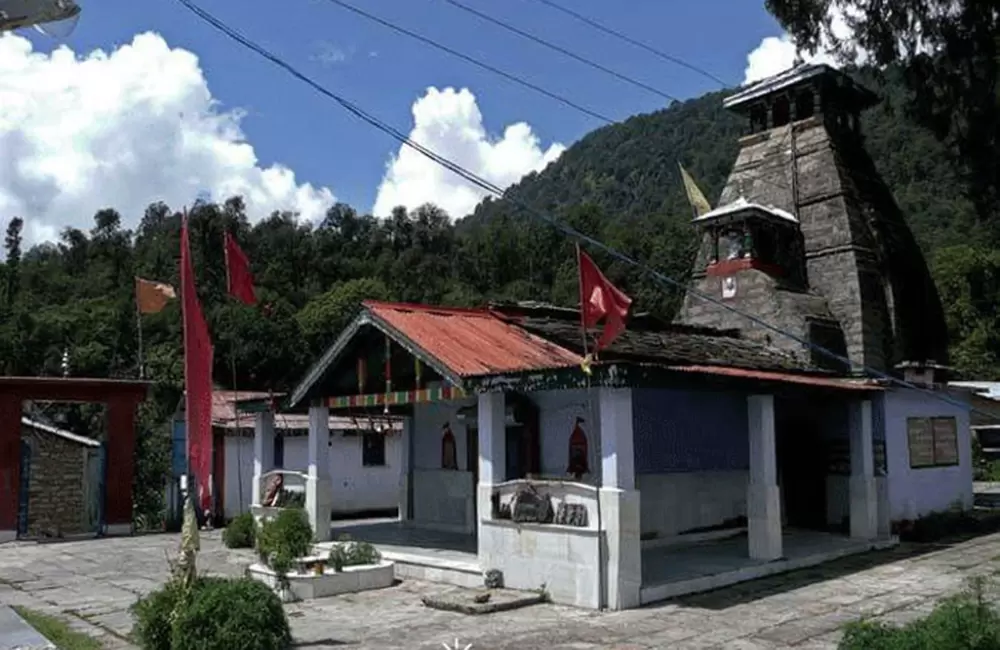
Anusuya Devi Temple
Anusuya Devi Temple in Chamoli, Uttarakhand is a sacred Hindu pilgrimage site dedicated to the goddess Anusuya, revered as a center of spiritual devotion and religious faith.
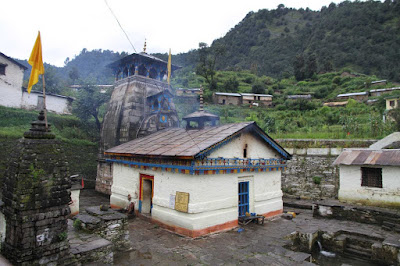
Kalpeshwar
Kalpeshwar Mahadev Temple in Uttarakhand's Urgam Valley enshrines Lord Shiva's matted locks and stands as the only Panch Kedar shrine accessible year-round.
Kalpeshwar Temple, Uttarakhand
Kalpeshwar Temple is a sacred cave shrine dedicated to Lord Shiva located in Urgam Valley within the Chamoli district of Uttarakhand. It is the only Panch Kedar temple open year…
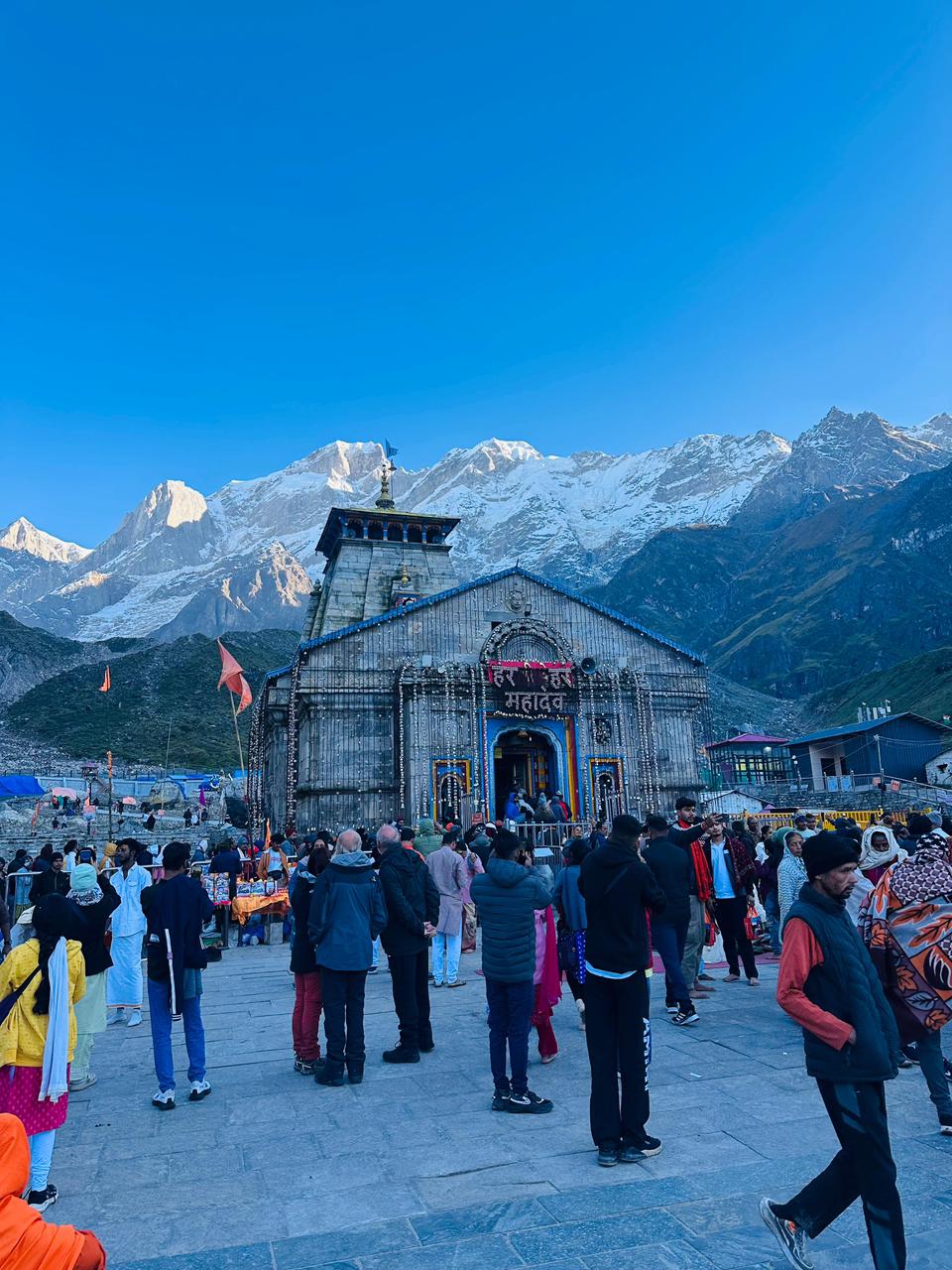
Tungnath temple
Tungnath is the world's highest Shiva temple, located in the Garhwal Himalayas at Chopta, Uttarakhand. It is one of the five sacred Panch Kedar shrines and requires a mountain t…
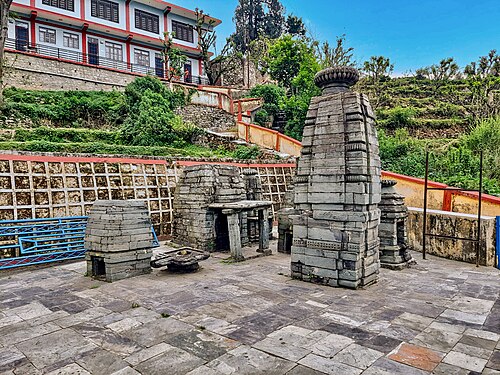
Vaitarani Kund and Temples, Gopeshwar
The Vaitarani Kund and Temples in Gopeshwar is a pre-12th century Hindu pilgrim site featuring a sacred water tank and group of temples, likely constructed by the Katyuri dynast…
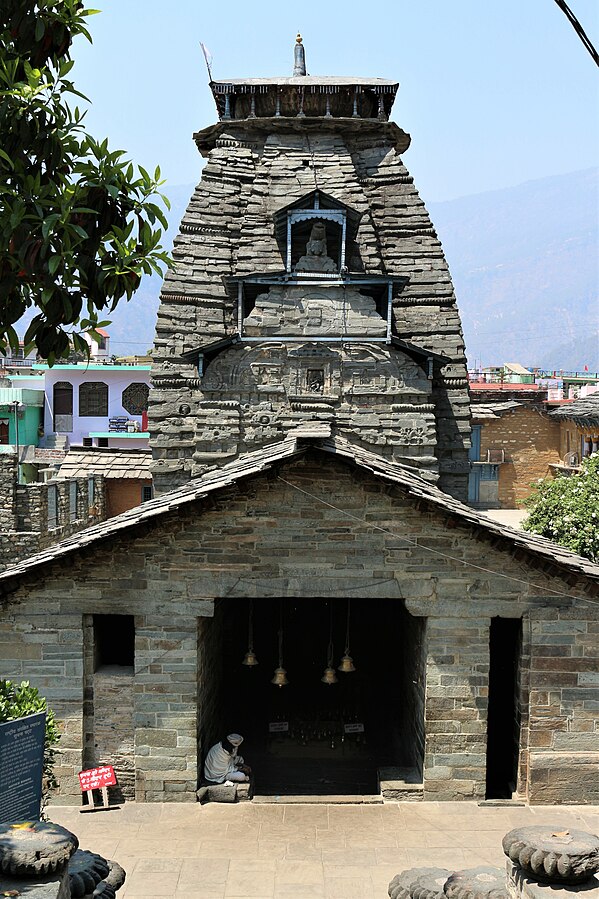
Gopinath Temple, Gopeshwar Uttarakhand
Gopinath Temple in Gopeshwar is an ancient shrine dedicated to Lord Shiva, distinguished by its architectural excellence featuring a magnificent dome and a 30 square foot sanctu…