Tirta Empul Temple
About Tirta Empul Temple
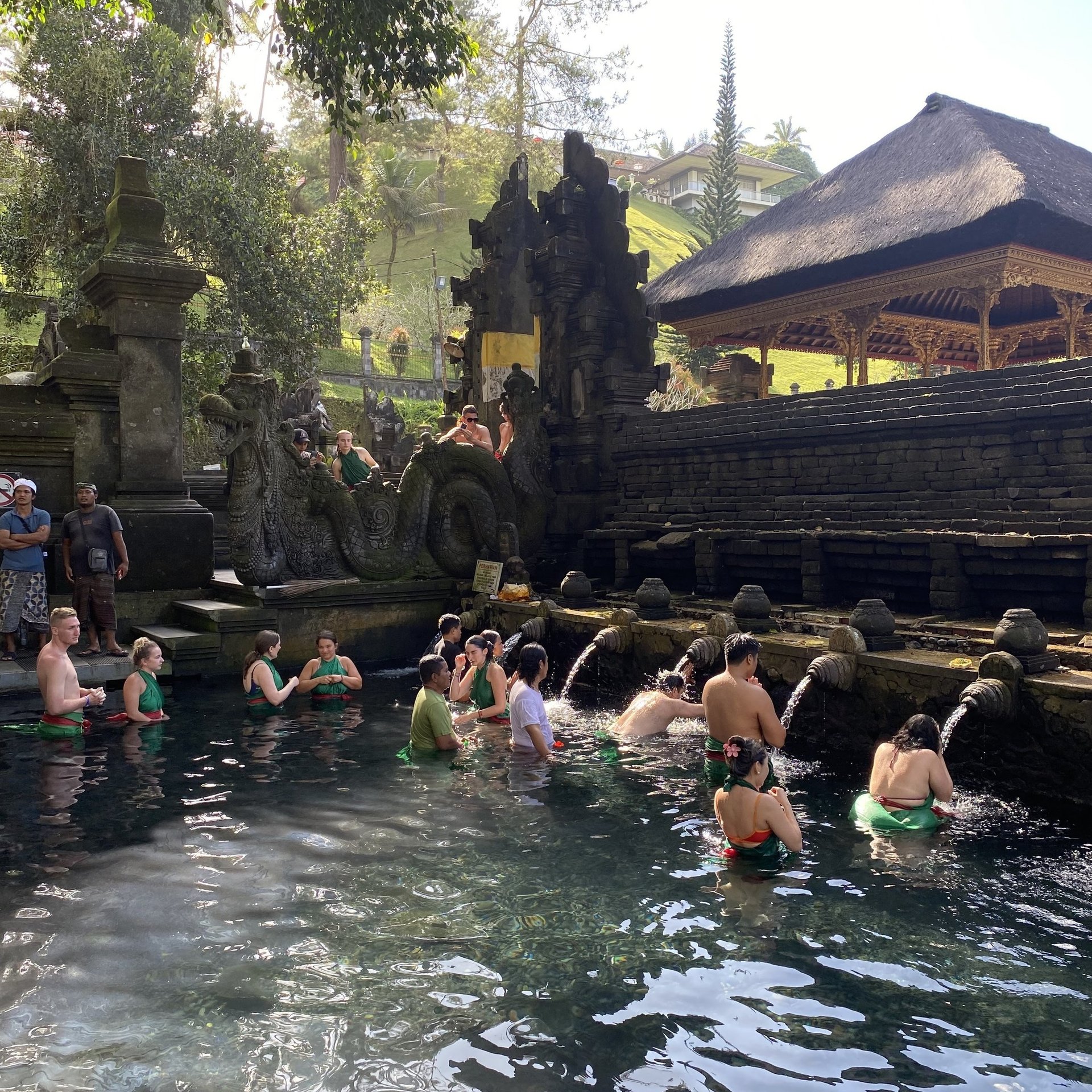
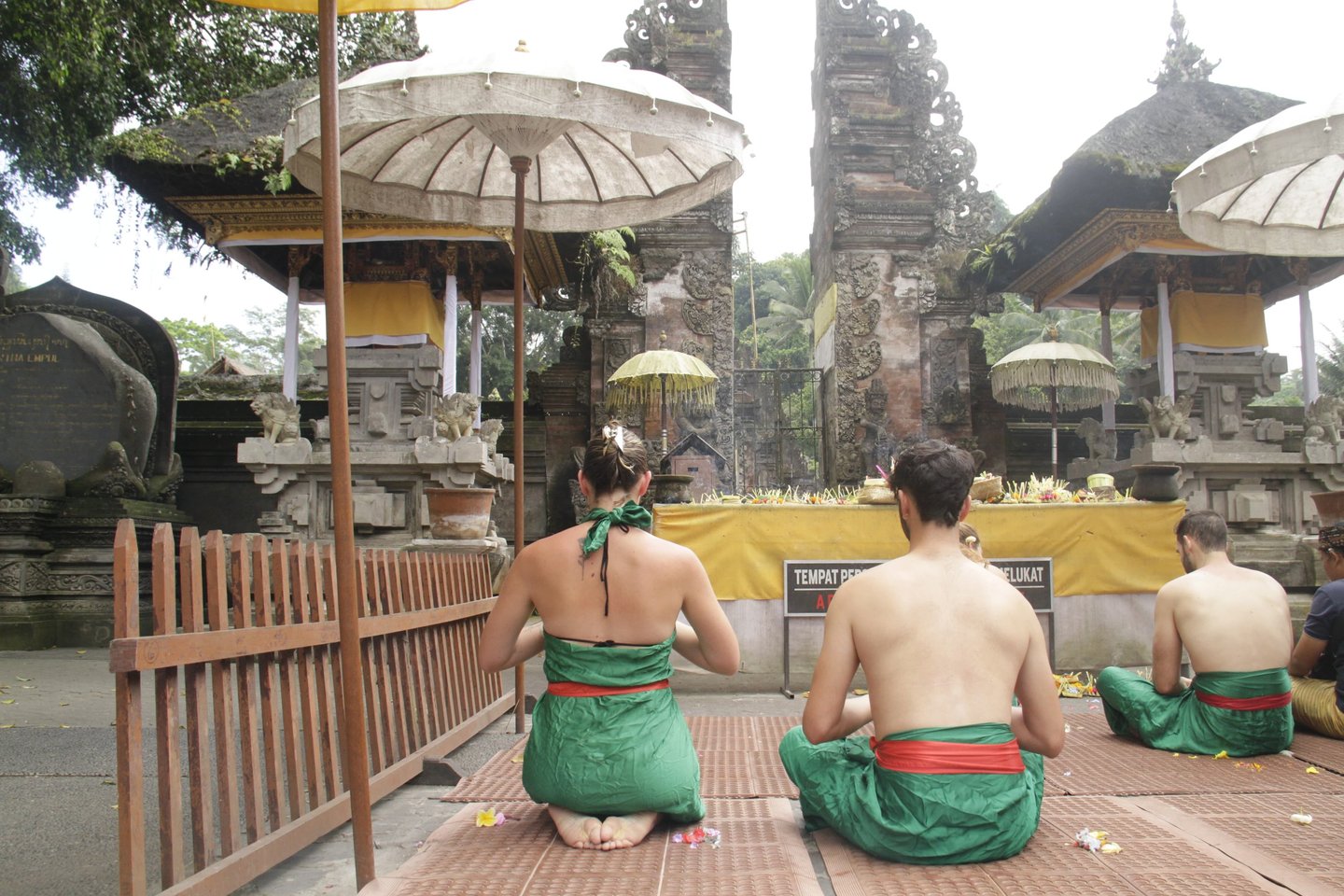
The Melukat Ceremony represents the primary spiritual practice at Tirta Empul. This Balinese purification ritual uses the sacred spring water to cleanse the body, mind, and spirit of negative energies. Participants are guided through the ceremony by experienced local guides who lead them through each stage with care. The ritual begins with prayers, followed by immersion in water drawn from the sacred spring. Each step carries symbolic meaning within the tradition, believed to heal emotional wounds, reduce stress, and support overall spiritual balance and harmony.
Balinese Hindus regard this ceremony as essential for renewal and healing. Beyond spiritual benefits, participants undertake the ritual seeking support for various life circumstances—addressing health concerns, advancing career and business endeavors, and resolving personal matters. The ceremony represents a structured journey toward inner peace rather than a brief visit to the pools.
Visiting the Temple: Access and Facilities
The temple opens daily from 7:00 AM to 6:00 PM. General admission, as of January 2025, costs IDR 75,000 for adults, IDR 50,000 for children aged 5 to 12, and is free for children under 5. These fees support the temple's maintenance, preservation, and ongoing renovation work.
A standard entrance ticket permits visitors to walk through the temple's courtyards and observe its architecture but does not include participation in the Melukat Ceremony or access to the sacred spring pools themselves. Those wishing to participate in the purification ritual must arrange this separately with temple guides. Transportation to the temple can be difficult; while ride-sharing services may reach the site, return journeys are unreliable due to limited transportation options in the area. Visitors should plan accordingly, either arranging private transport in advance or allowing extra time to secure a return vehicle.
Temple Architecture and Atmosphere
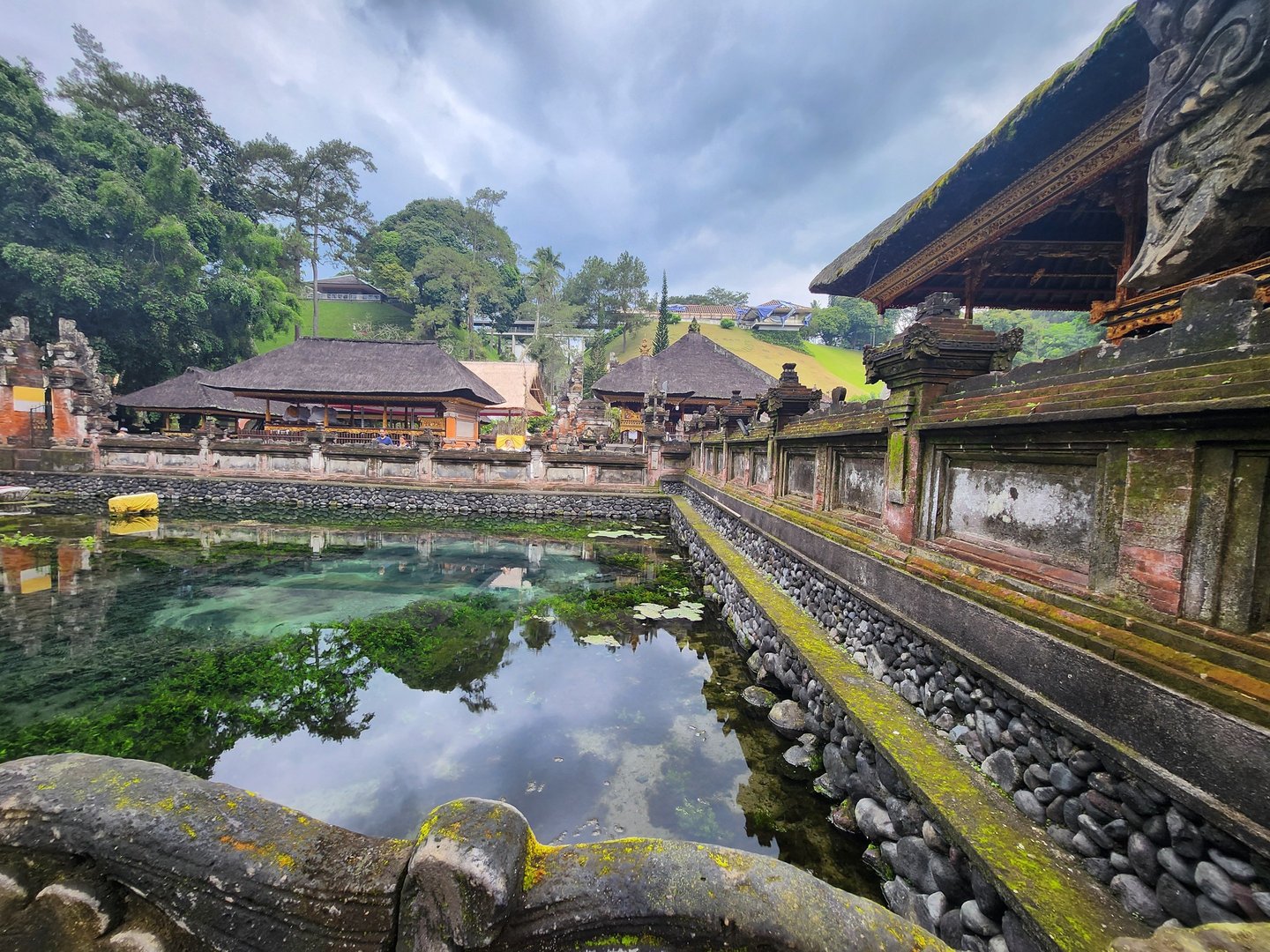
The temple's design reflects traditional Balinese Hindu architecture, with intricately detailed structures arranged across multiple courtyards. The sacred spring and its associated pools form the focal point, with water channeled through fountains and bathing areas. The overall layout encourages movement through spaces of increasing spiritual significance, from outer courtyards to the inner sanctums where the most sacred waters flow.
The serene setting, surrounded by natural landscape, creates an atmosphere conducive to reflection and spiritual practice. Visitors who do not participate in ceremonies can spend time observing the architecture, absorbing the peaceful energy of the site, and understanding how water—both practical and sacred—shapes the temple's design and purpose.
Practical Information for Visitors
Modest dress is appropriate when visiting Hindu temples in Bali. Sarongs are typically available for rent or purchase if needed. Visitors should remove shoes before entering certain areas and follow any guidance from temple staff regarding restricted zones.
The temple's rural location means that food and beverage options nearby are limited. Visitors should bring water and plan meals accordingly. Photography is generally permitted in outer areas, though visitors should be respectful and ask before photographing people or ceremonies. The terrain includes steps and uneven surfaces, so comfortable walking shoes are advisable for exploring the courtyards, even though shoes must be removed in sacred spaces.
Getting There
Tirta Empul is located in Tampaksiring, approximately north of Ubud. The journey from Ubud takes roughly 30 minutes by vehicle, depending on traffic and road conditions. As noted, standard transportation services are unreliable for return trips from this rural location. Arranging private transport in advance—either through your accommodation or a local service—is strongly recommended to ensure a smooth visit without the stress of finding a return ride.
How to reach
Temples near Tirta Empul Temple
Pegulingan Temple
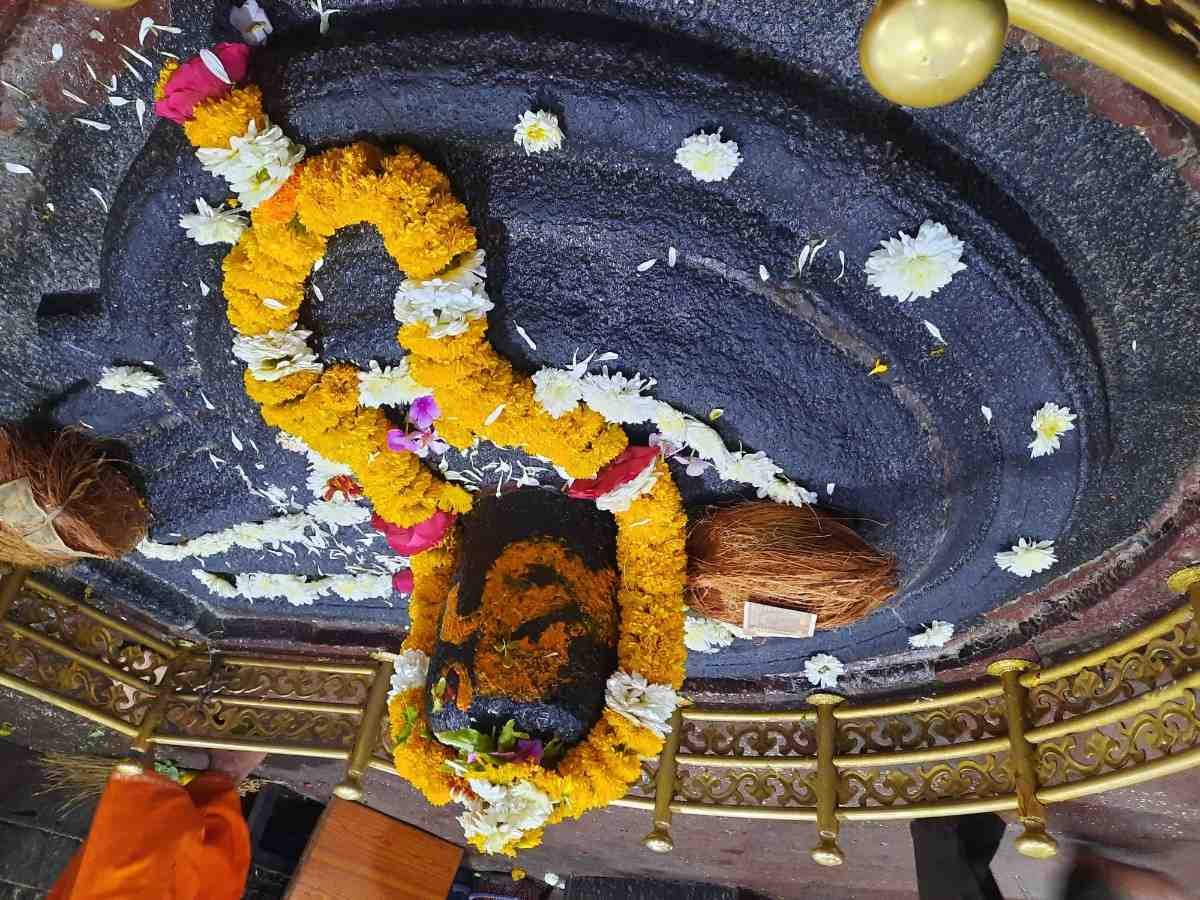
Pegulingan Temple is a Hindu shrine located in Manukaya, Tampaksiring, Bali, recognized as a World Heritage Site.
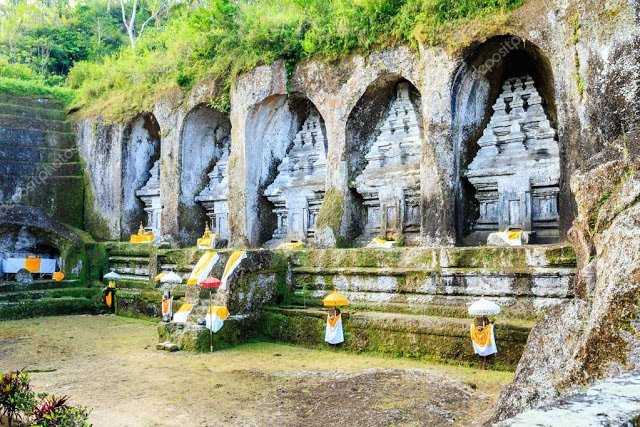
Gunung Kawi
Gunung Kawi is an 11th-century temple complex in Tampaksiring, Bali, featuring ten rock-cut shrines carved into cliff faces and believed to be royal memorials dedicated to King…
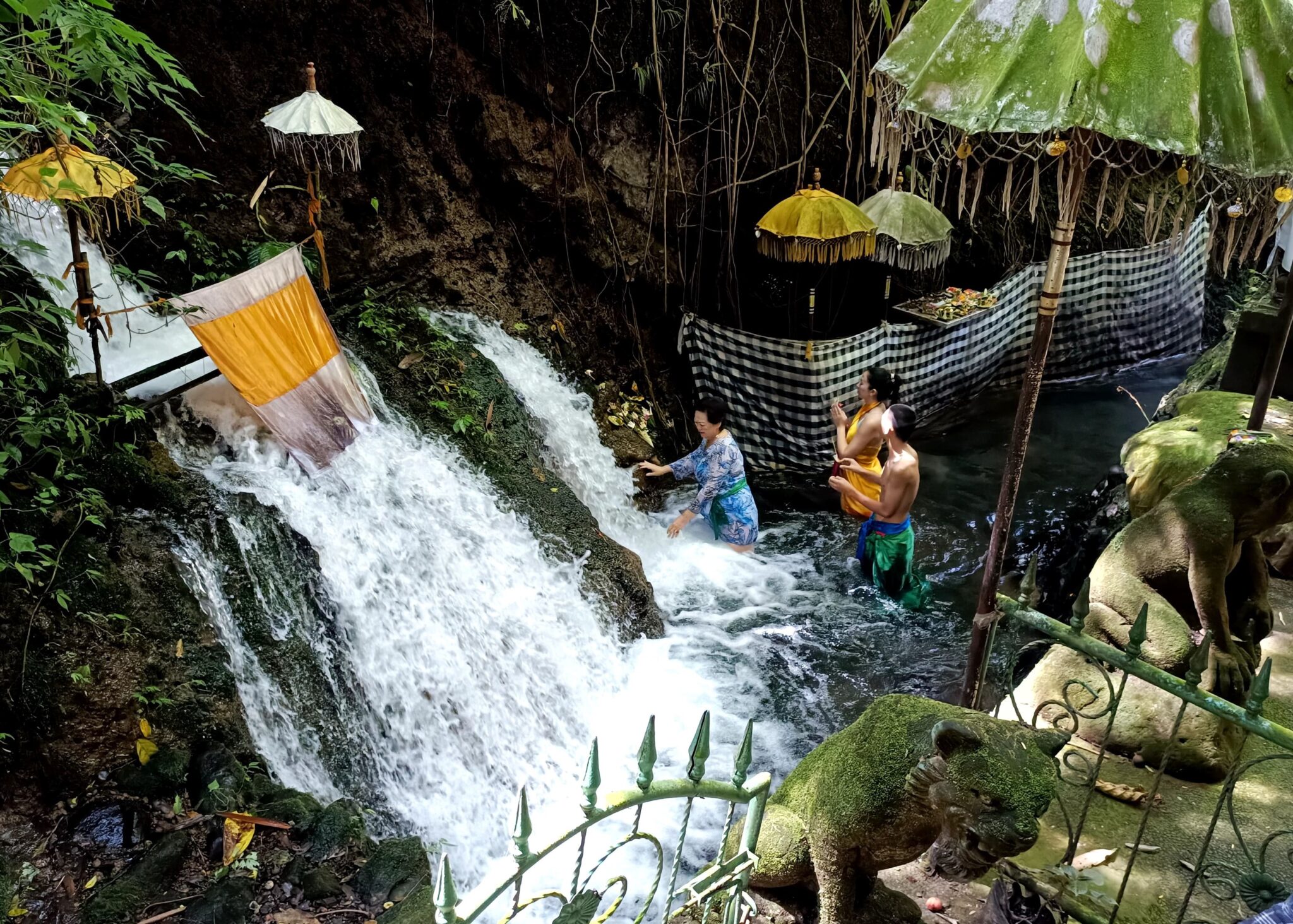
Pesiraman Dalem Pingit Sebatu
Pesiraman Dalem Pingit Sebatu is a sacred water purification site in Bali's Sebatu Village, spiritually inhabited by Dewi Uma and Dewi Gangga. The site serves as an authentic li…
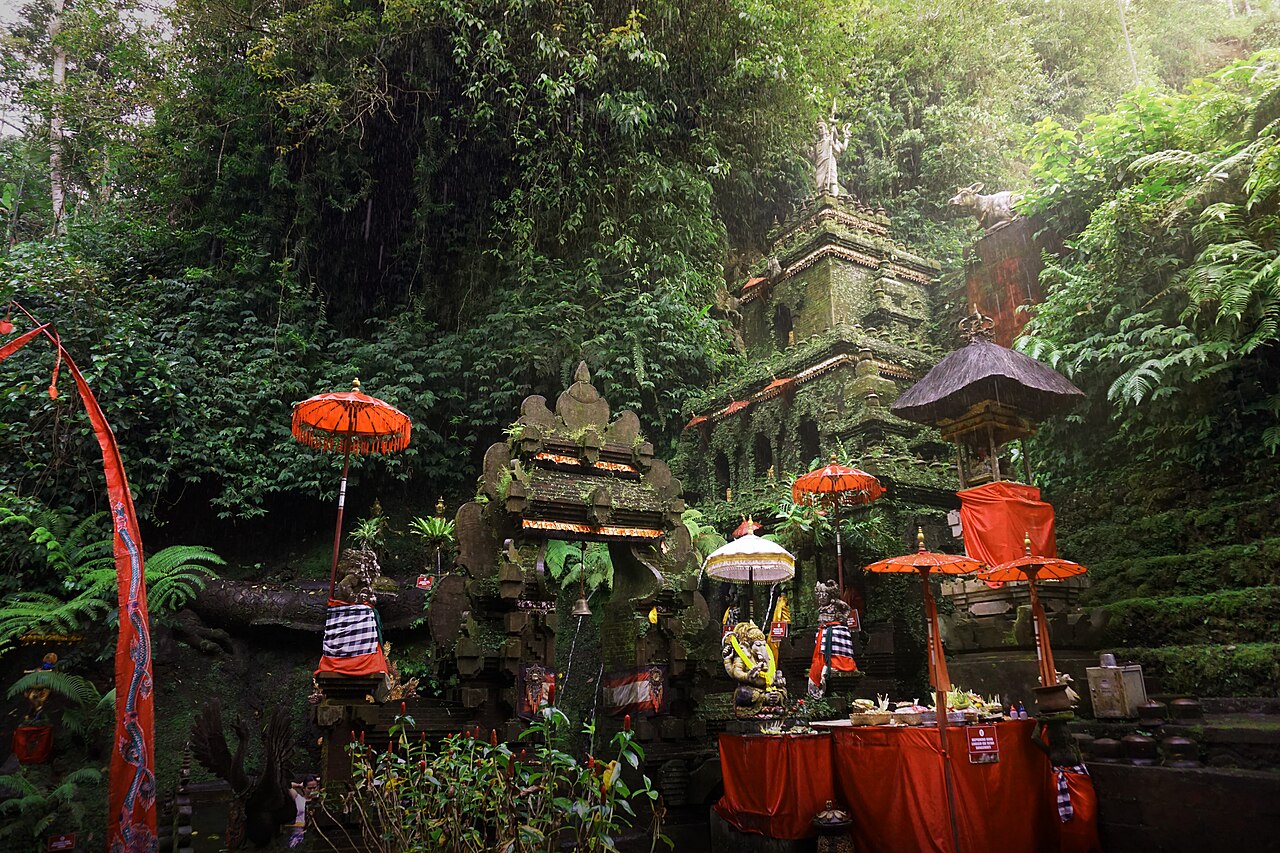
Pura Taman Pecampuhan Sala
Pura Taman Pecampuhan Sala is a sacred water temple nestled in a forested volcanic canyon near Ubud, Bali, renowned for its melukat water purification rituals conducted at natur…
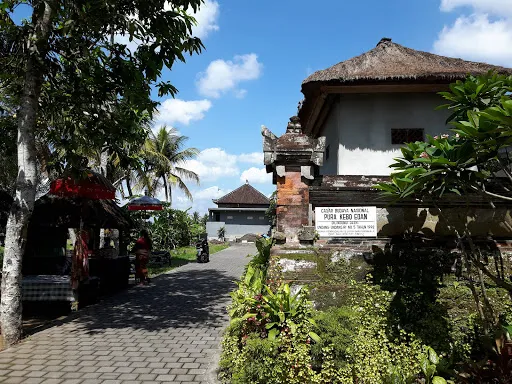
Pura Kebo Edan
Pura Kebo Edan is a 14th-century Hindu temple in Gianyar, Bali, renowned for its three-and-a-half-meter-high statue of a figure standing over a corpse, exemplifying classical Ba…
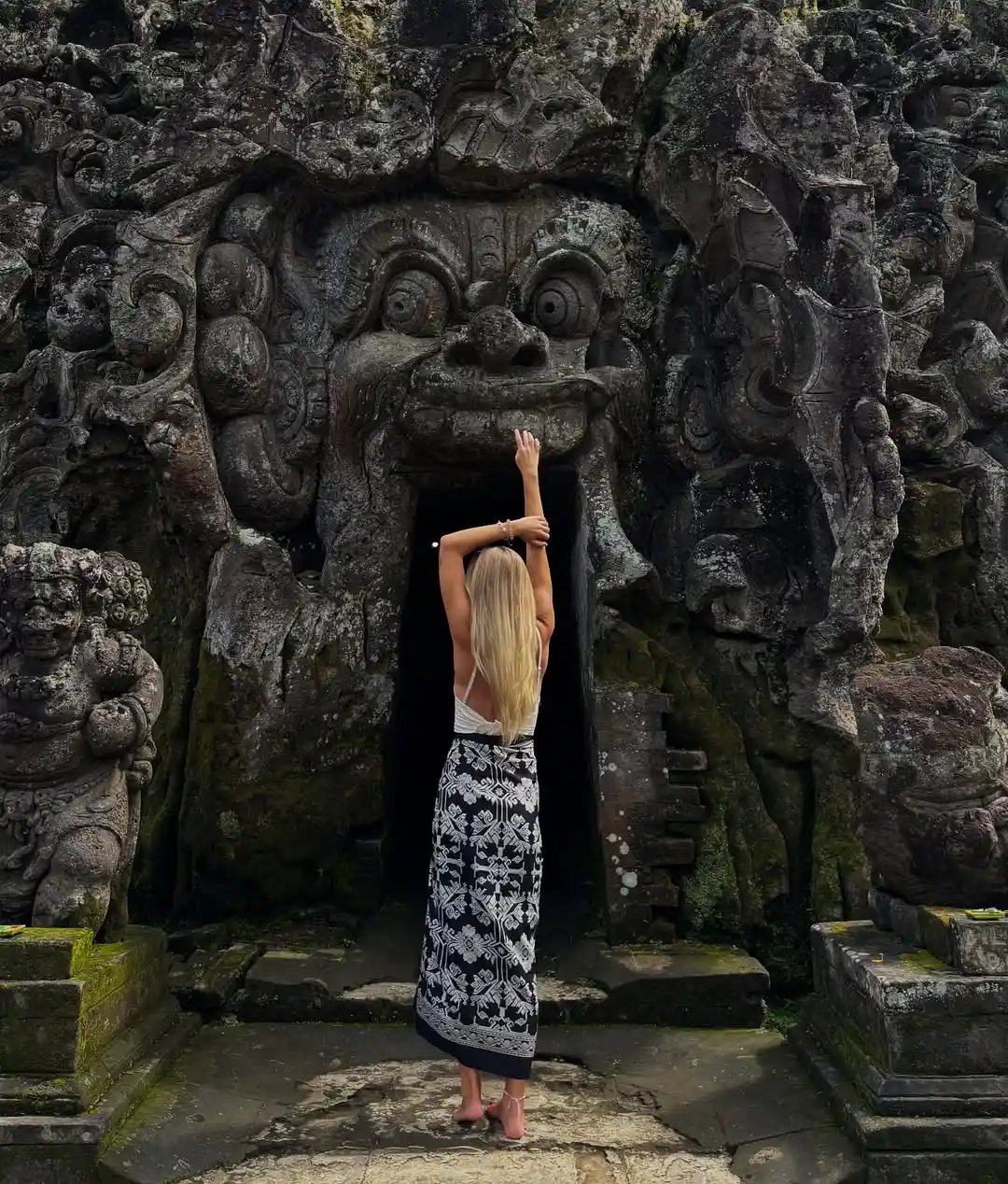
Goa gajah
Goa Gajah, the Elephant Cave, is an 11th-century sanctuary carved into stone near Ubud, featuring a distinctive demon-faced entrance and serving as a rare meeting place for Hind…