Gunung Kawi
About Gunung Kawi
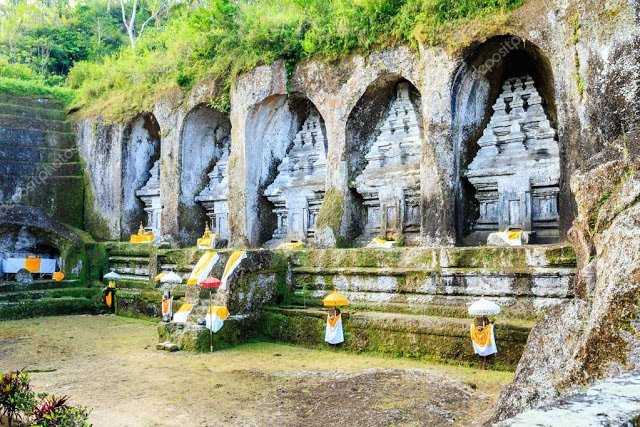
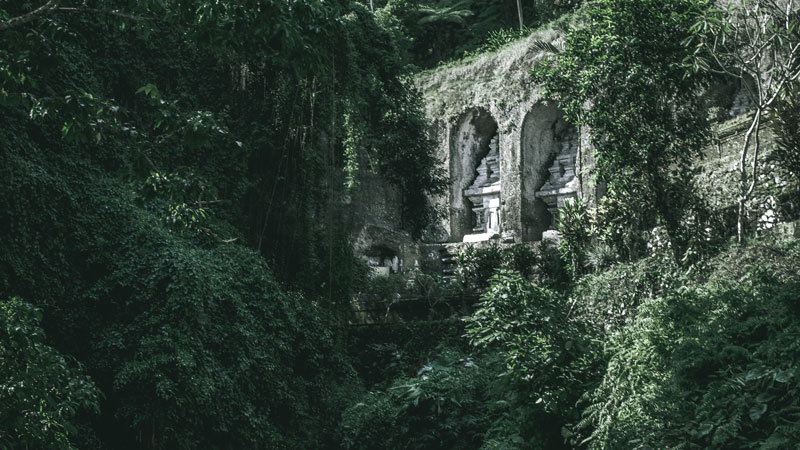
The temple complex occupies a setting of considerable natural beauty, nestled within terraced rice fields and overlooking the sacred Pakerisan River. This landscape forms an integral part of the site's spiritual character, with the flowing water and cultivated fields creating an atmosphere conducive to contemplation and ritual practice. The journey to the shrines involves descending a stone staircase through the surrounding countryside, offering visitors views of the Balinese agricultural landscape while providing a gradual transition into the sacred space.
The combination of ancient architecture, living water, and cultivated land reflects the Balinese Hindu understanding of temples as places where the natural and spiritual worlds intersect. The rice terraces that surround Gunung Kawi continue to be worked by local farmers, maintaining the landscape much as it has been for centuries.
Active Worship and Ritual Practice
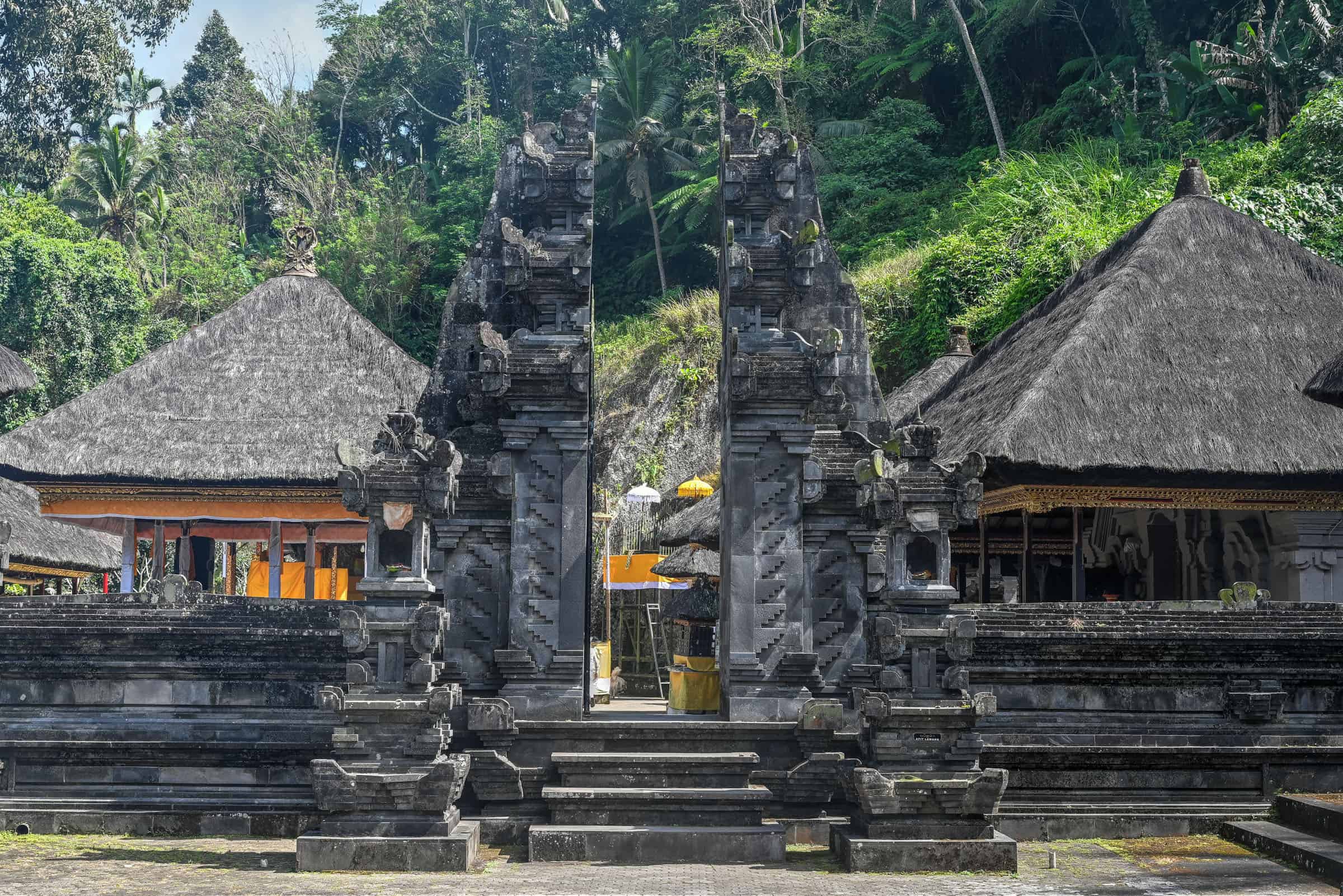
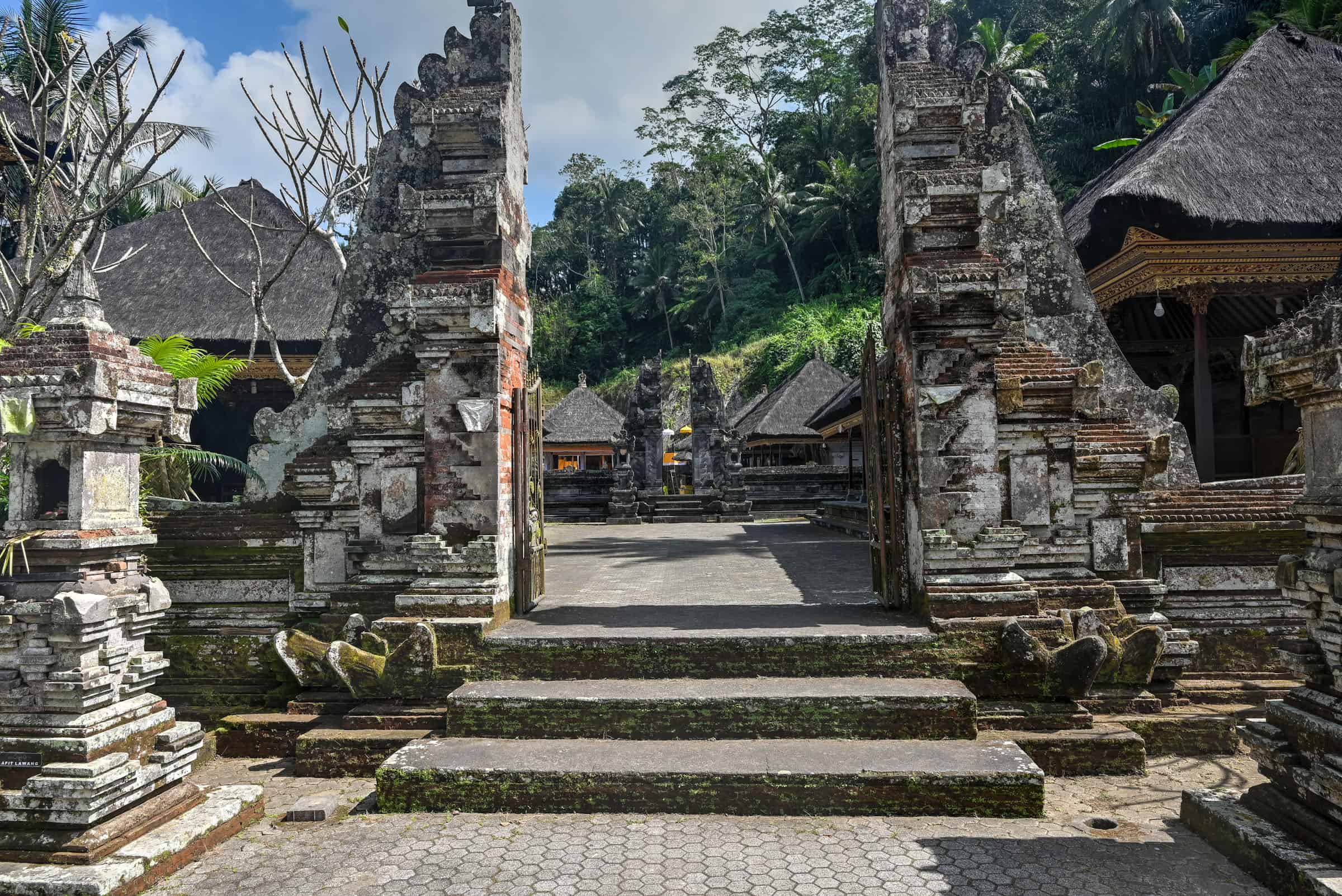
Gunung Kawi remains an active place of worship where Balinese Hindu devotees perform traditional rituals and make offerings. Visitors to the site frequently encounter local worshippers engaged in prayer and ceremonial practice, providing authentic glimpses into the island's enduring spiritual traditions. The temple continues to serve the religious life of the surrounding community, not merely as a historical monument but as a living centre of faith and devotion.
The site's significance as both an archaeological treasure and an active temple means that visitors should approach it with appropriate respect for those engaged in worship and ritual activity.
Visiting Gunung Kawi
Access and Facilities
The temple is located in Tampaksiring village in Bali. Parking is available on-site, with fees of IDR 2,000 for motorcycles and IDR 5,000 for cars. Entry tickets are purchased at a booth near the entrance; prices are displayed at the ticket counter. The descent to the shrines involves navigating stone stairs through the surrounding landscape.
Dress and Conduct
Visitors must dress appropriately for entry into this sacred space. If you arrive without suitable attire, sarongs or sashes are available to borrow; the cost is included in your entry ticket. As a place of active worship, the site requires respectful behaviour from all visitors. Photography is permitted, and the scenic surroundings offer numerous opportunities for images of both the shrines and the Balinese countryside.
What to Expect
The site functions as both an archaeological site and a temple, so visitors should be prepared to encounter worshippers performing rituals. The walk involves some physical exertion due to the staircase descent and the terrain. The natural setting means the site is exposed to weather; sun protection and sturdy footwear are advisable. Allow adequate time to explore the shrines and absorb the atmosphere of this ancient place.
Archaeological and Cultural Significance
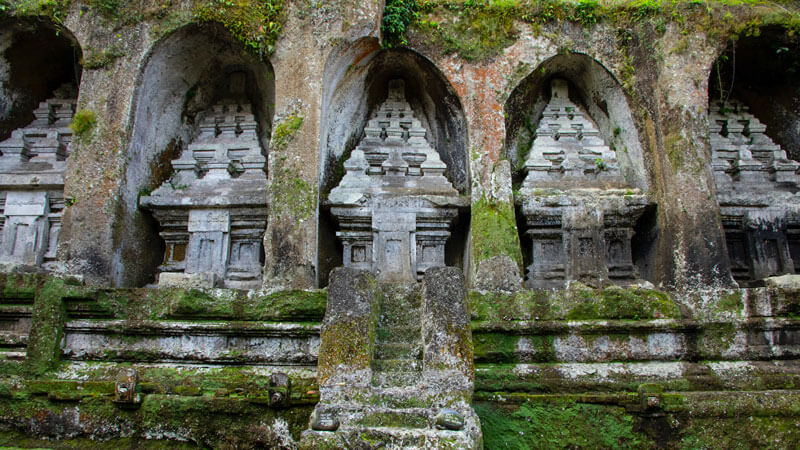
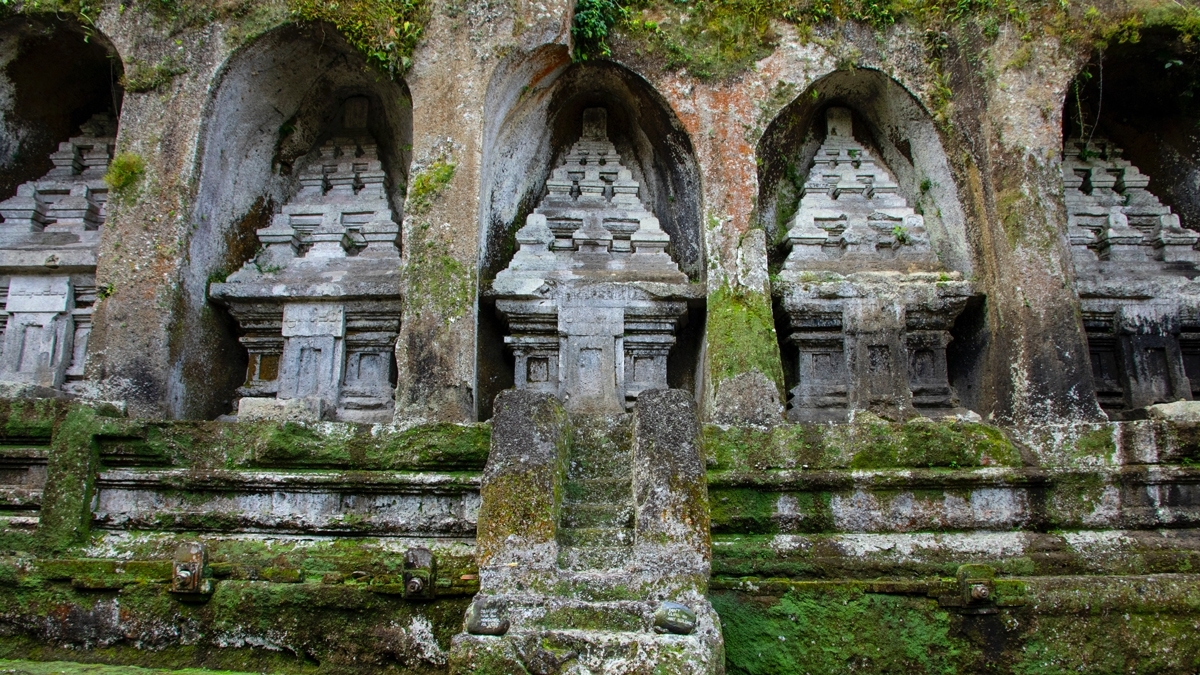
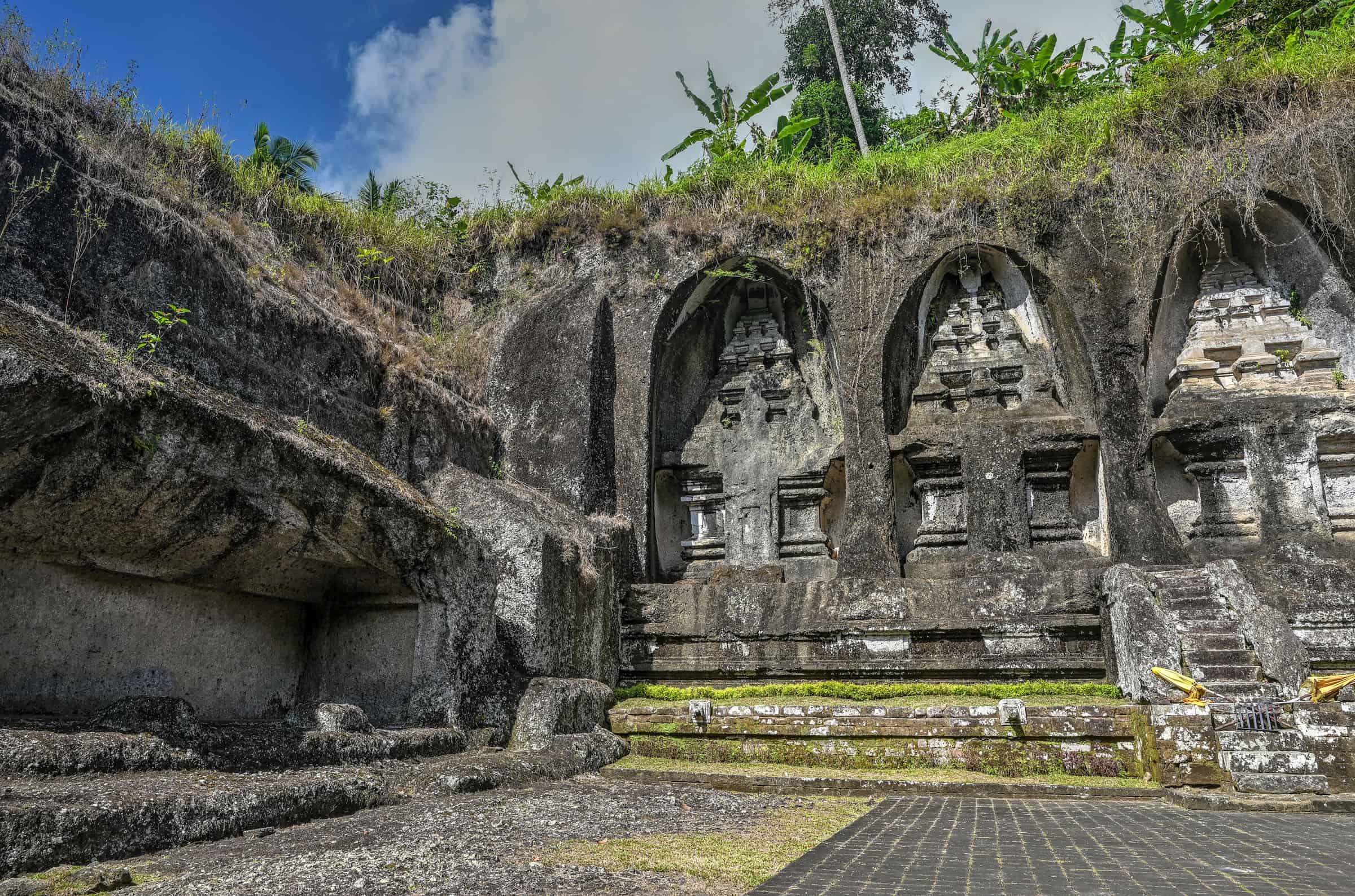
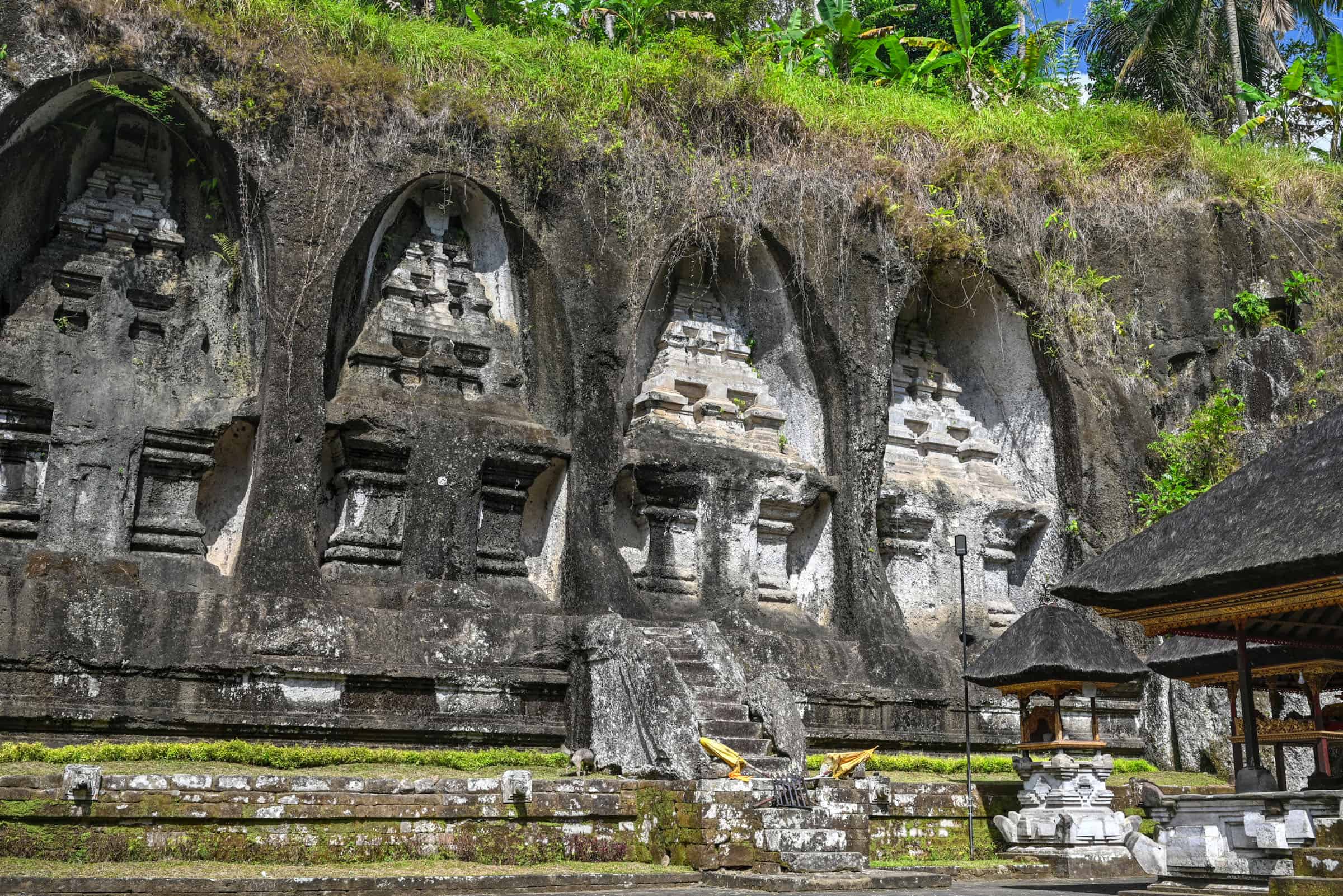
Gunung Kawi represents a crucial window into Bali's early Hindu period and the artistic capabilities of 11th-century Balinese craftspeople. The rock-cut shrines demonstrate sophisticated understanding of both architectural design and the properties of stone. For those interested in Balinese history, Hindu temple traditions, or Southeast Asian archaeology, the site offers tangible evidence of the island's religious and cultural development across more than a millennium.
The temple's endurance—both as a physical structure and as a place of living worship—testifies to the continuity of Balinese Hindu practice and the community's commitment to preserving its heritage.
How to reach
Temples near Gunung Kawi
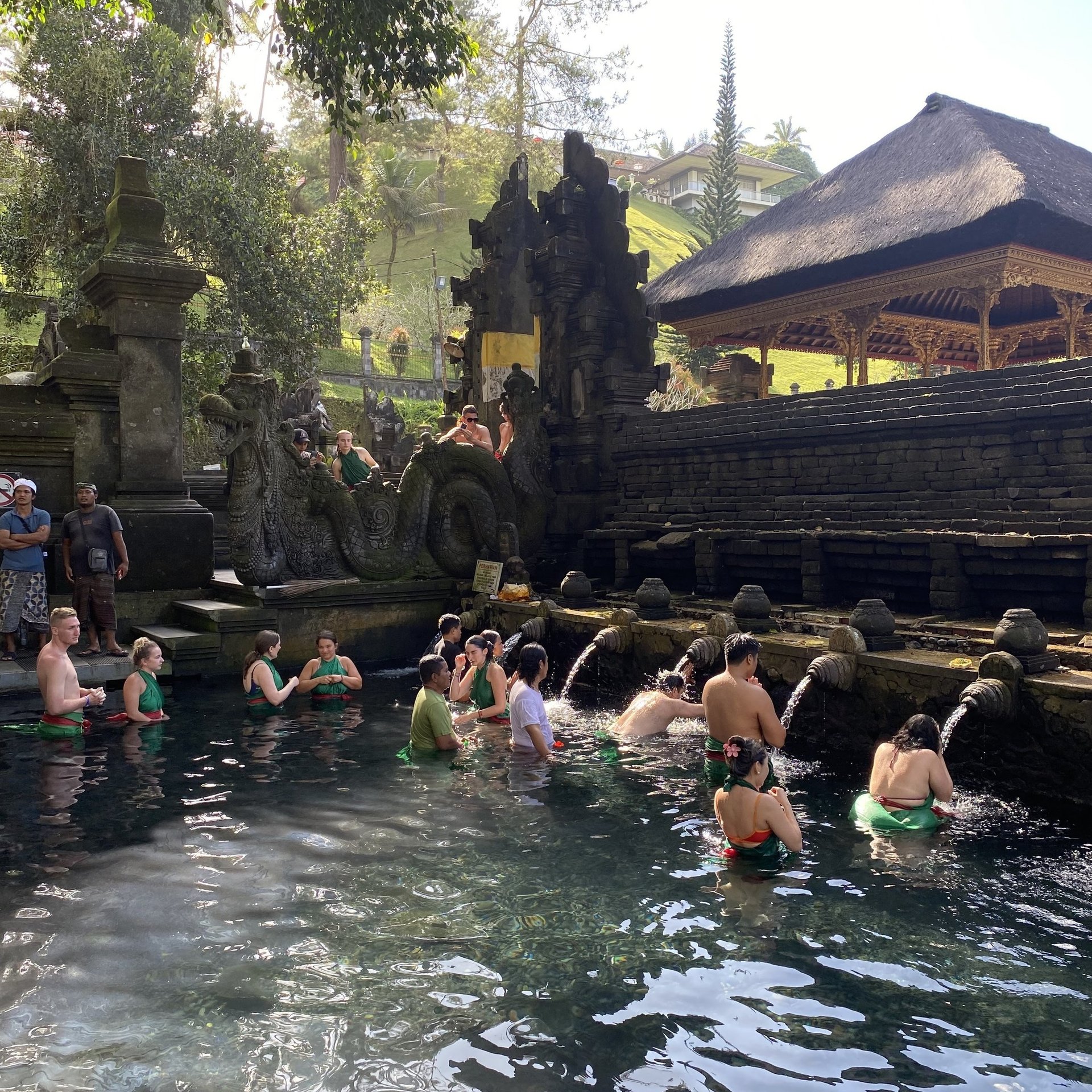
Tirta Empul Temple
Tirta Empul Temple is a revered Hindu water temple in Bali dedicated to Vishnu, renowned for its sacred spring and purification pools used in the Melukat Ceremony for spiritual…
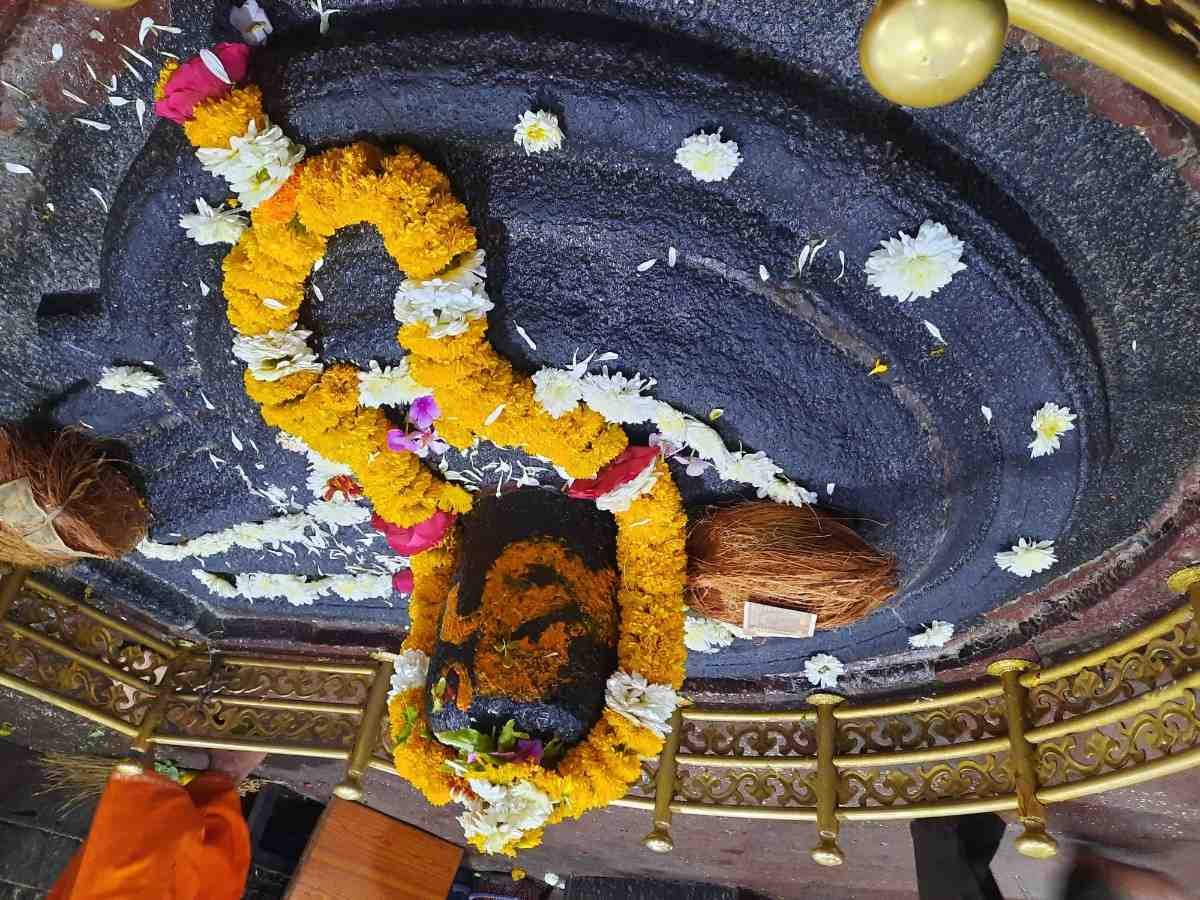
Pegulingan Temple
Pegulingan Temple is a Hindu shrine located in Manukaya, Tampaksiring, Bali, recognized as a World Heritage Site.
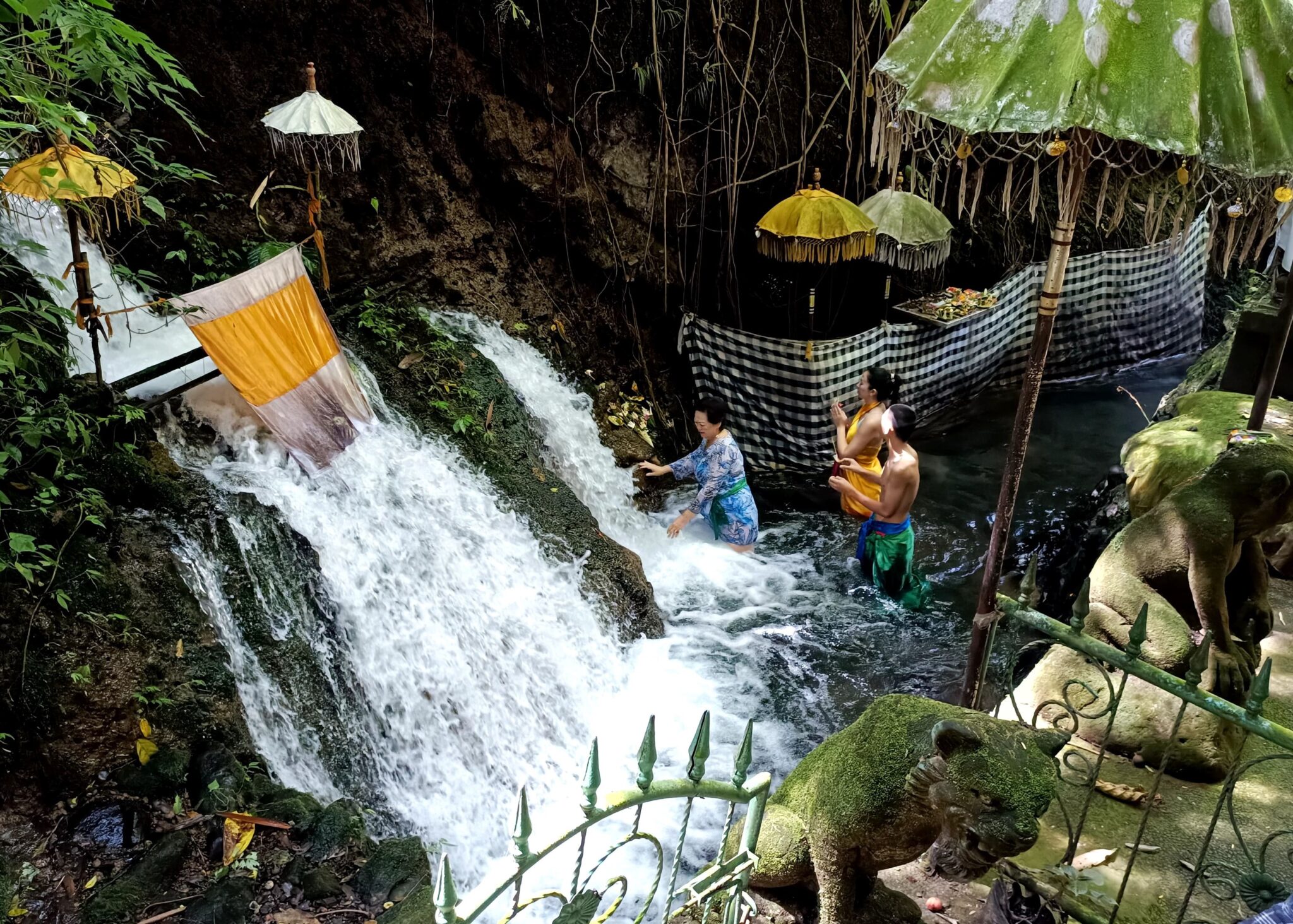
Pesiraman Dalem Pingit Sebatu
Pesiraman Dalem Pingit Sebatu is a sacred water purification site in Bali's Sebatu Village, spiritually inhabited by Dewi Uma and Dewi Gangga. The site serves as an authentic li…
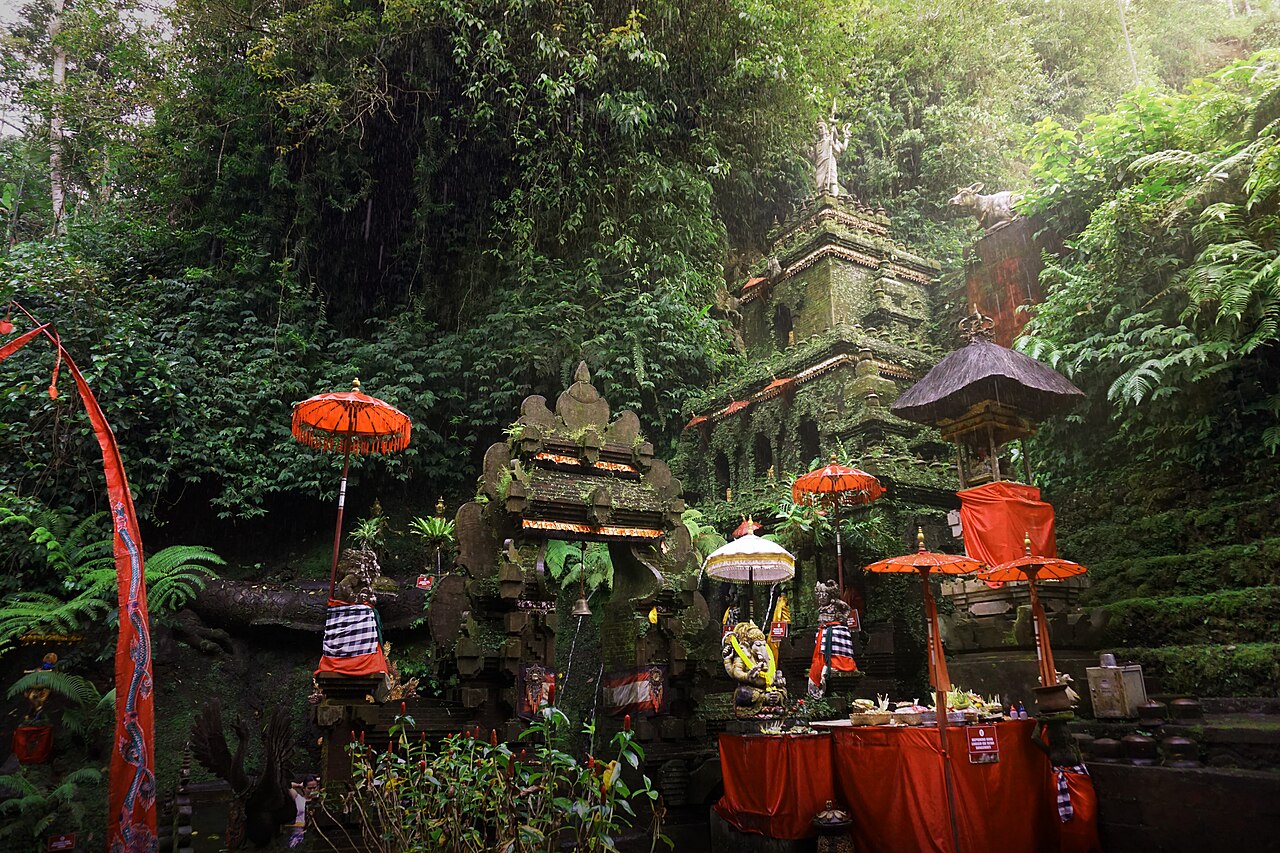
Pura Taman Pecampuhan Sala
Pura Taman Pecampuhan Sala is a sacred water temple nestled in a forested volcanic canyon near Ubud, Bali, renowned for its melukat water purification rituals conducted at natur…
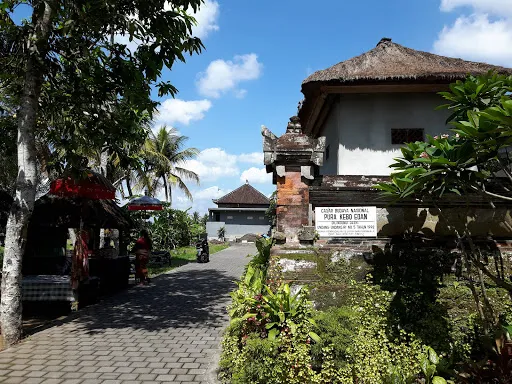
Pura Kebo Edan
Pura Kebo Edan is a 14th-century Hindu temple in Gianyar, Bali, renowned for its three-and-a-half-meter-high statue of a figure standing over a corpse, exemplifying classical Ba…
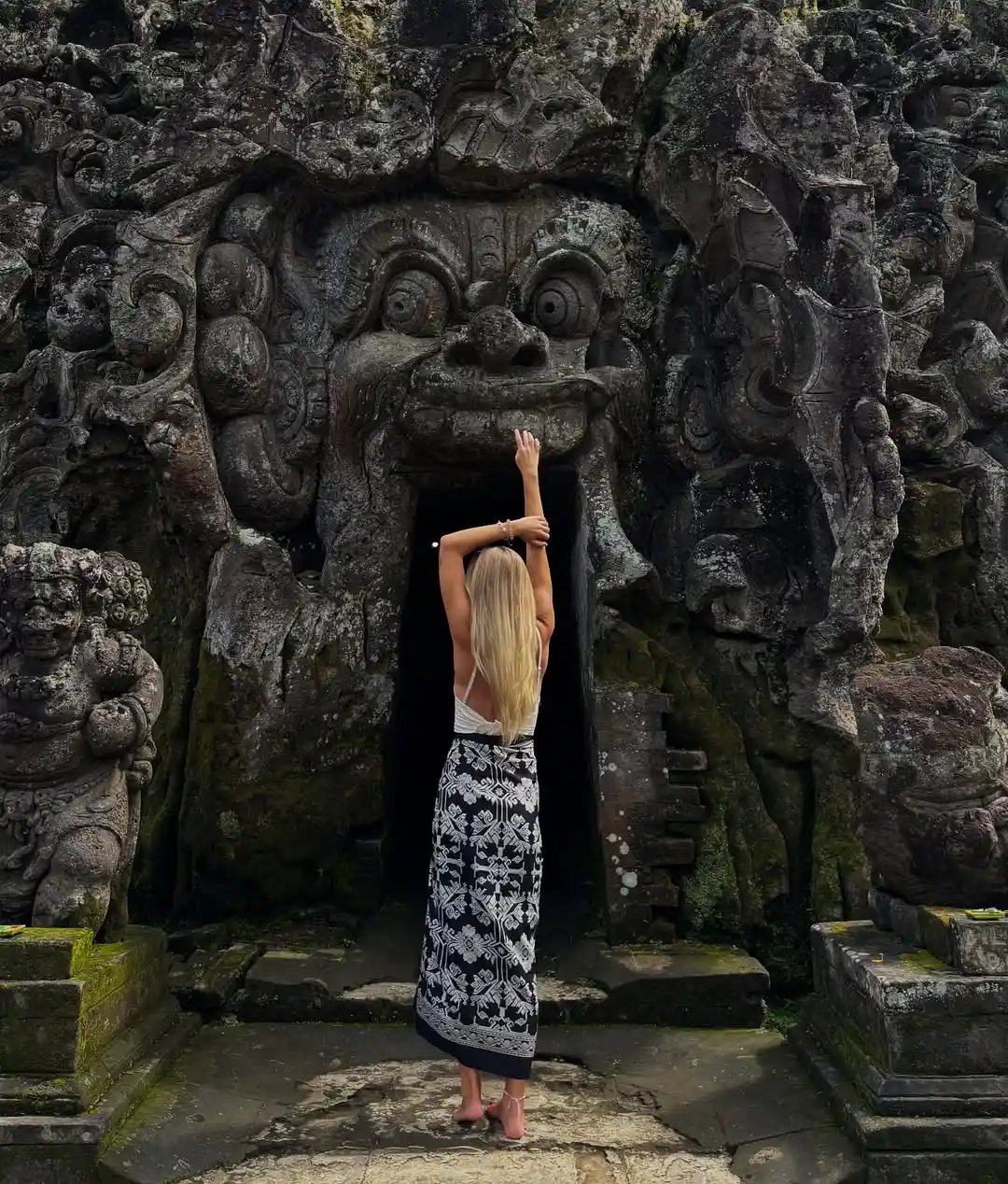
Goa gajah
Goa Gajah, the Elephant Cave, is an 11th-century sanctuary carved into stone near Ubud, featuring a distinctive demon-faced entrance and serving as a rare meeting place for Hind…