Thrikkudamanna Shiva Temple
About Thrikkudamanna Shiva Temple
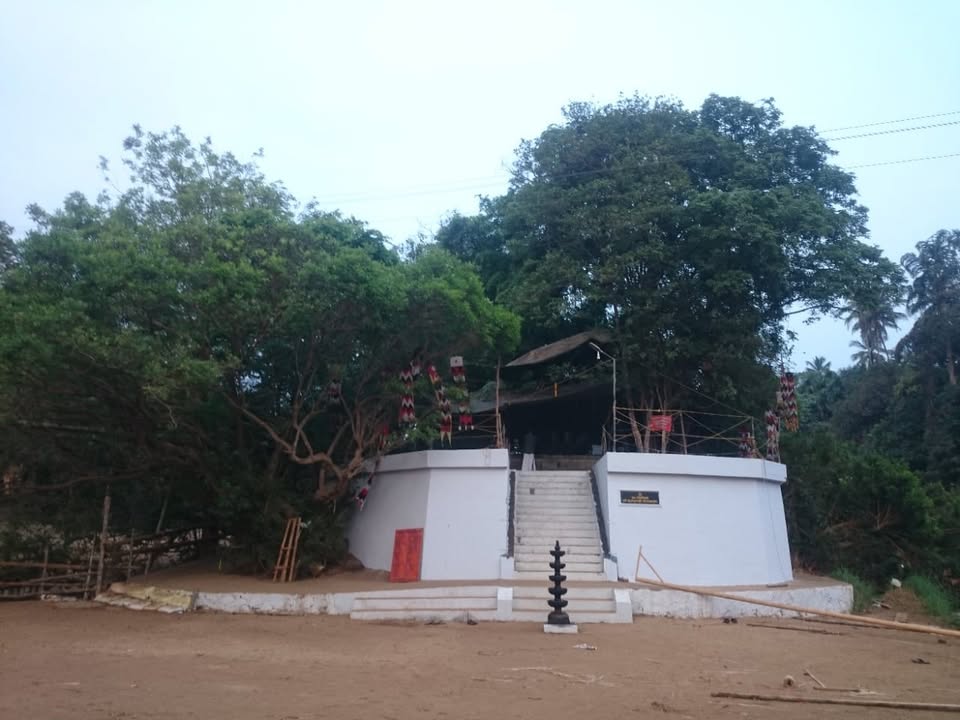
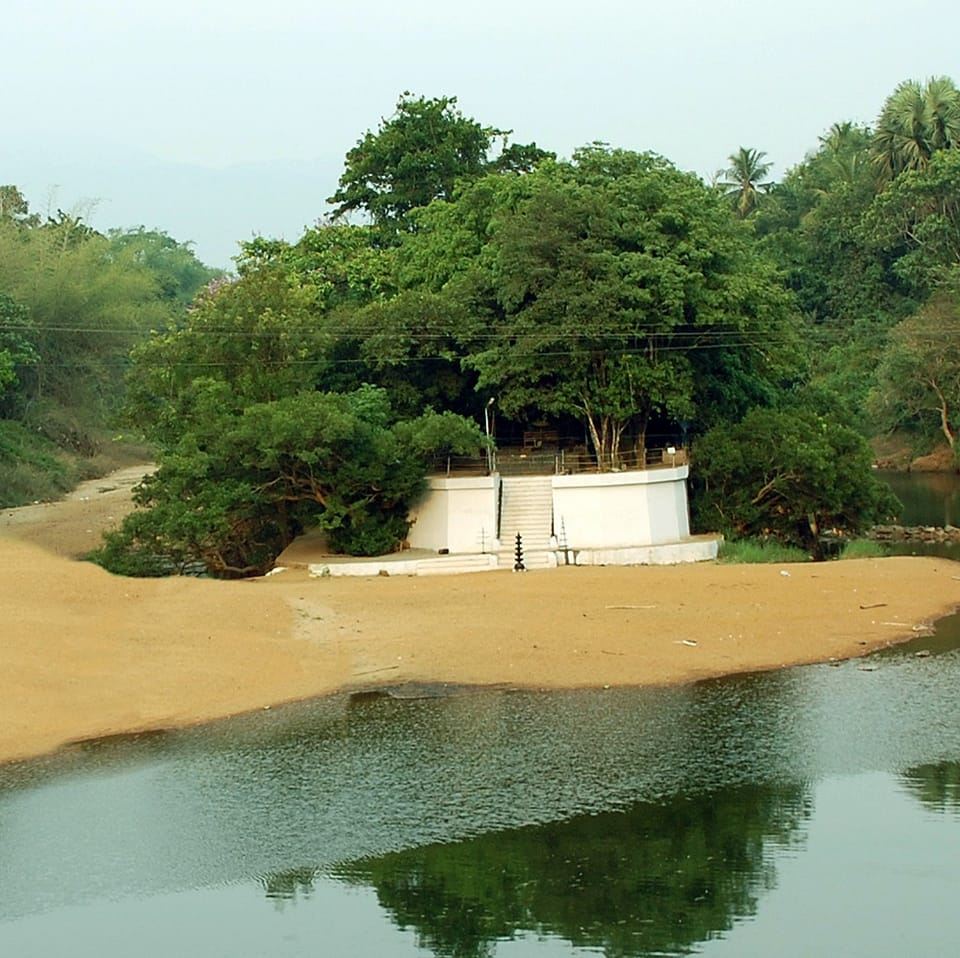
The temple's relationship with the monsoon defines its annual rhythm in ways few other shrines experience. During the rainy season, the river rises and submerges both the lingam and much of the temple structure. When this occurs, devotees cannot approach the shrine directly; instead, they offer prayers and darshan from the western side, where the temple remains partially accessible. This seasonal submersion is not viewed as an interruption to worship but as part of the temple's sacred cycle, reflecting the interplay between human devotion and natural forces.
During the monsoon months, special votive offerings become central to worship. Devotees make offerings of kanji (rice porridge) and puzhukku (a mashed vegetable preparation) as part of personal vows. Those seeking children make a specific offering of 101 measures of puffed rice (malar). These practices anchor the monsoon season as a distinct period of spiritual engagement, when the inaccessibility of the lingam itself becomes a form of devotional discipline.
Maha Shivaratri: The Principal Festival
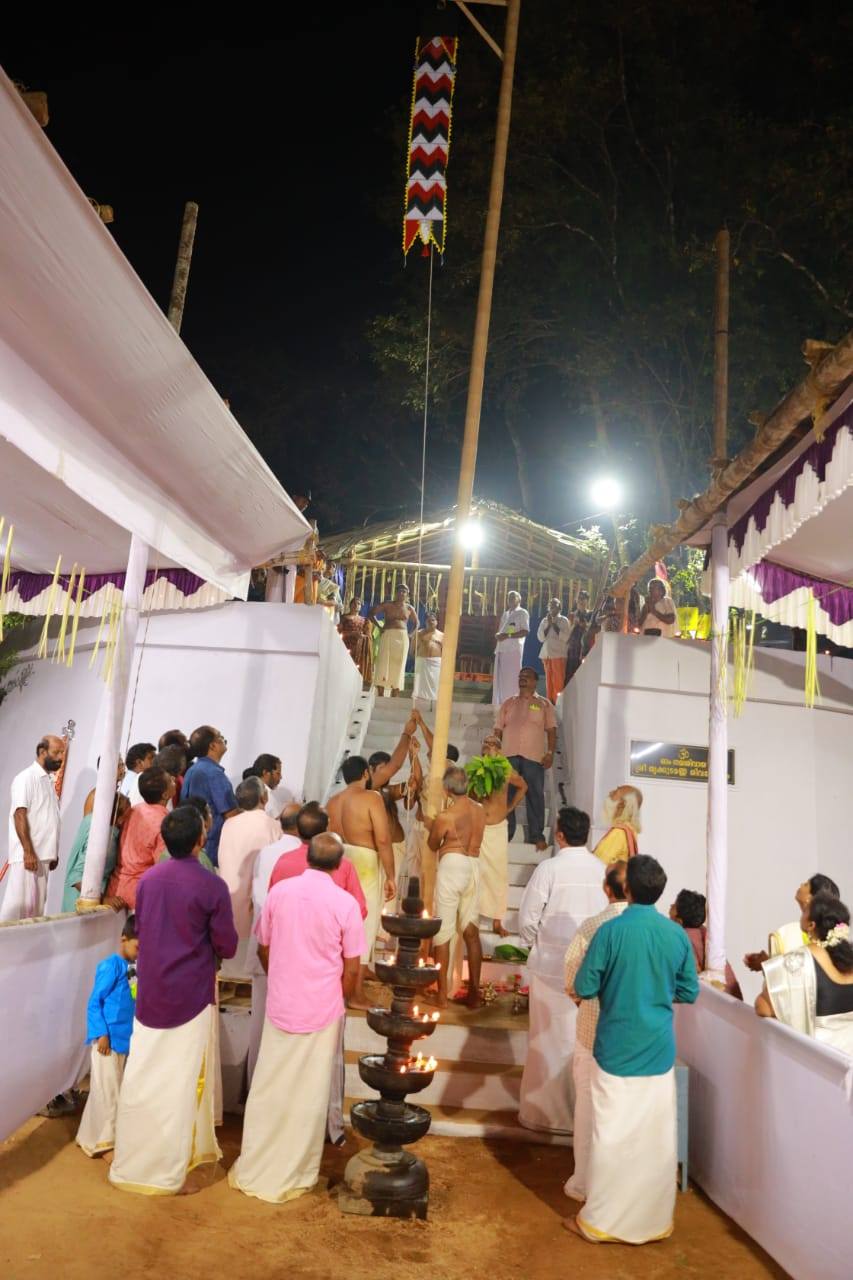
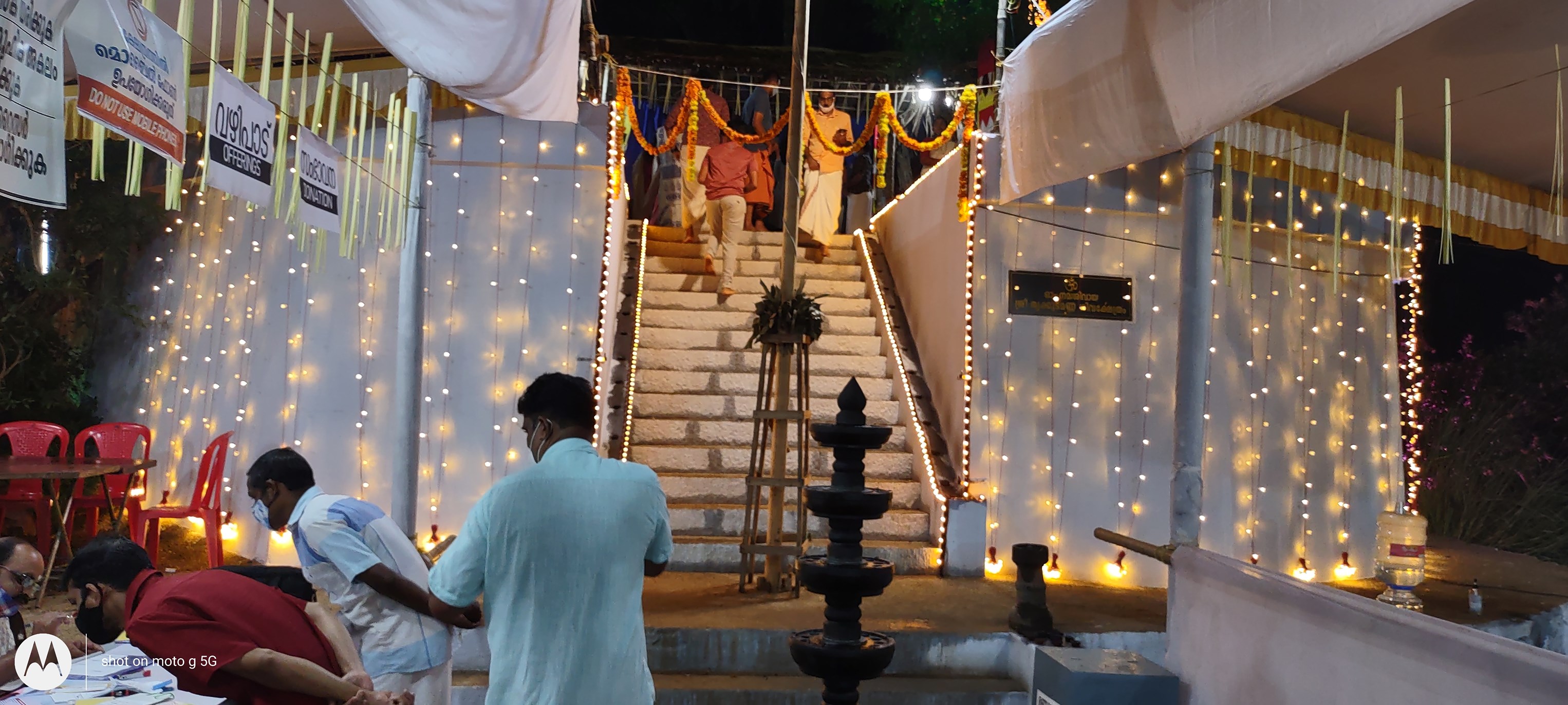
Maha Shivaratri, celebrated in the month of Kumbham (February–March), transforms the temple into a major pilgrimage destination. On this night, thousands of devotees from across Kerala and beyond arrive for darshan and to perform pitru tarpanam—rituals honoring deceased ancestors. The festival draws worshippers from all walks of life and religious backgrounds, creating a gathering comparable in scale and devotional intensity to the celebrated Shivaratri observances at Aluva Manappuram.
The festival includes early morning abhishekam (ritual bathing of the deity), day-long fasting, night vigils, and continuous chanting of Shiva mantras. The temple is decorated for the occasion, and the night-long worship known as Jagran draws those seeking blessings from Lord Shiva. Pradosham, observed twice monthly on the thirteenth day of both the waxing and waning moon, also brings devotees for special prayers, abhishekam, and offerings of bilva leaves and fruits.
Daily Worship and Darshan
The temple maintains a simple daily schedule of two morning prayer sessions. These are the primary times for darshan and personal worship. Unlike larger temples with extended hours and multiple ritual cycles throughout the day, Thrikkudamanna follows a restrained approach to formal worship, emphasizing the contemplative nature of the shrine.
Devotees typically visit during the morning hours when the temple is open for prayers. The absence of elaborate structures means there are no separate halls or waiting areas; worship takes place in direct proximity to the sanctum. This simplicity creates an intimate setting for personal devotion, though visitors should be prepared for the basic facilities and the open-air nature of much of the shrine.
Visiting the Temple: Practical Information
The temple is located at Mukkam, Kozhikode, Kerala 673602. The best time to visit is during the dry season, particularly around Maha Shivaratri in February–March, when the shrine is fully accessible and the festival atmosphere draws the largest gatherings. The monsoon season (June–September) should be avoided if accessibility is a concern, as rising water levels restrict approach to the temple.
Visitors should dress modestly, as is customary at Hindu temples. Men typically wear dhoti or simple trousers; women wear sarees or salwar kameez. Leather items are generally not worn inside temple precincts. The temple has no compound walls or formal entrance, so approach is direct from the surrounding area. Given the river setting and the absence of modern facilities, visitors should wear appropriate footwear and be prepared for uneven terrain, particularly during or after rainfall. Photography policies should be confirmed upon arrival, as practices vary.
Reaching the Temple
Mukkam is accessible by road from Kozhikode city. Local transport options include auto-rickshaws and buses connecting to nearby towns. The exact route and current road conditions should be verified before travel, particularly during monsoon months when water levels may affect access routes. Those traveling during the monsoon should inquire locally about boat access, which becomes necessary when the river rises significantly.
How to reach
Temples near Thrikkudamanna Shiva Temple
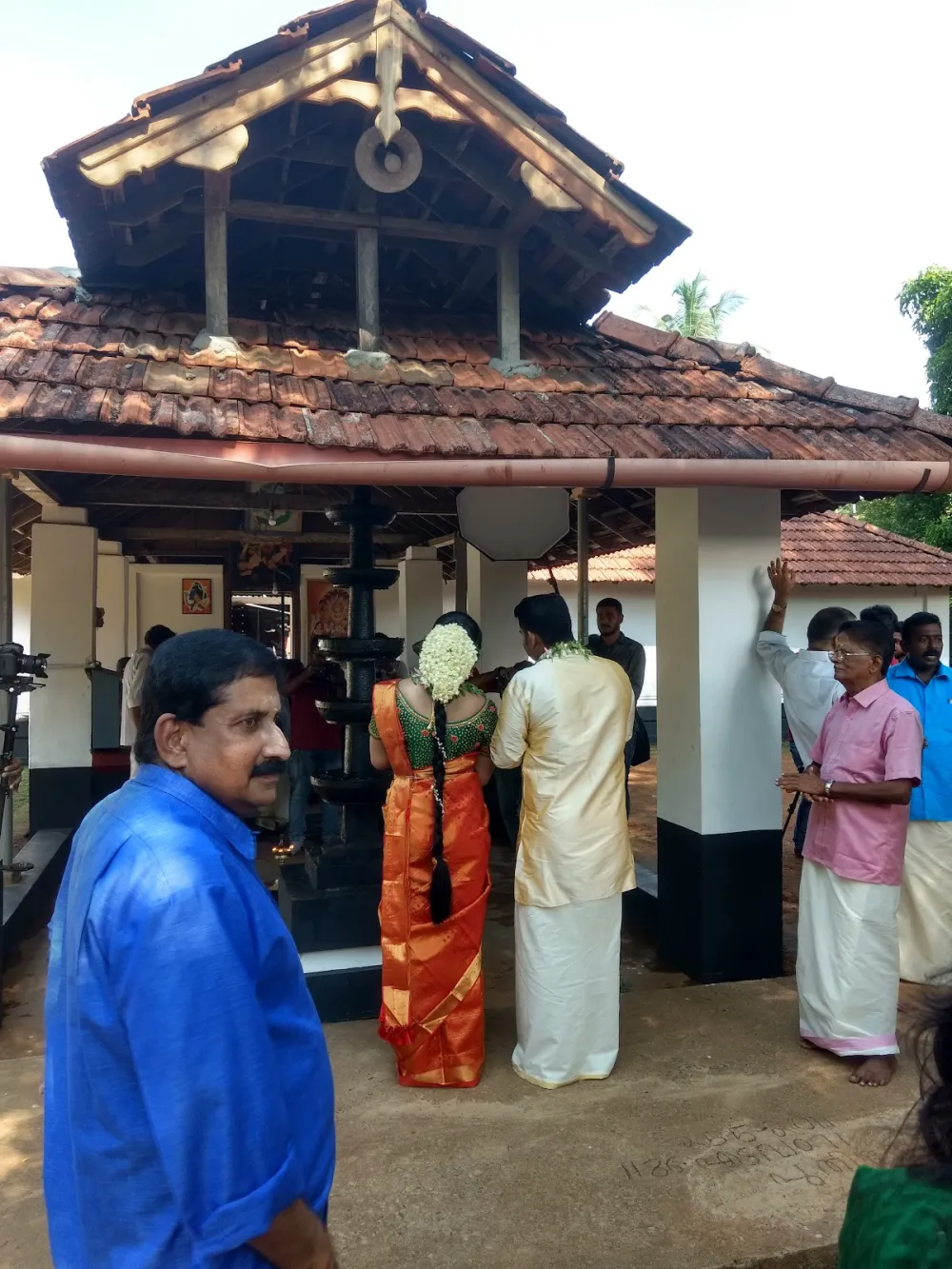
Areekode Saligrama Temple
Sree Saligrama Temple in Areekode, Malappuram, is a Hindu temple dedicated to the worship of Saligrama, a sacred stone form revered in Hindu tradition.
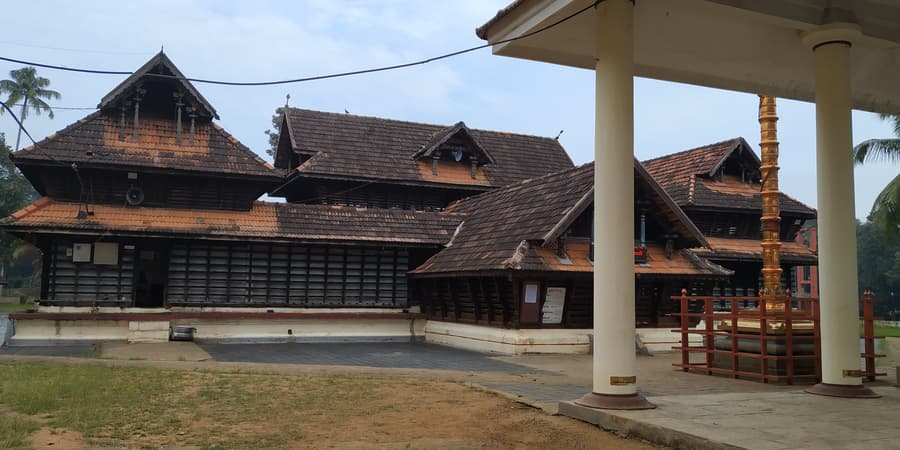
Polur temple, Kozhikode
Polur Subramanya Swamy Temple in Kozhikode is one of Kerala's oldest temples, dedicated to Lord Subramanya and situated in the historic region once ruled by the Zamorin.
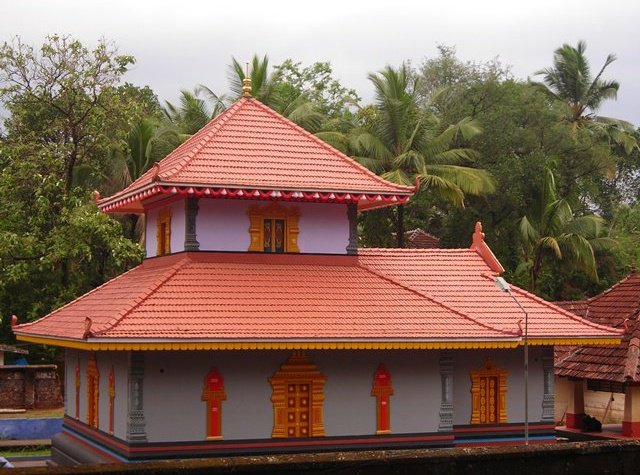
Thalikkunu Shiva Temple
Thalikkunu Shiva Temple in Mankave, Kozhikode, is one of the oldest shrines in the Malabar region, dedicated to Lord Shiva and maintained under the patronage of the Zamorin of C…

Thirumanikara Guruvayoorappan Temple
Guruvayur Sree Krishna Temple, revered as Bhuloka Vaikunta (the Holy Abode of Vishnu on Earth), is one of Kerala's most sacred Vaishnava pilgrimage sites, drawing millions of de…
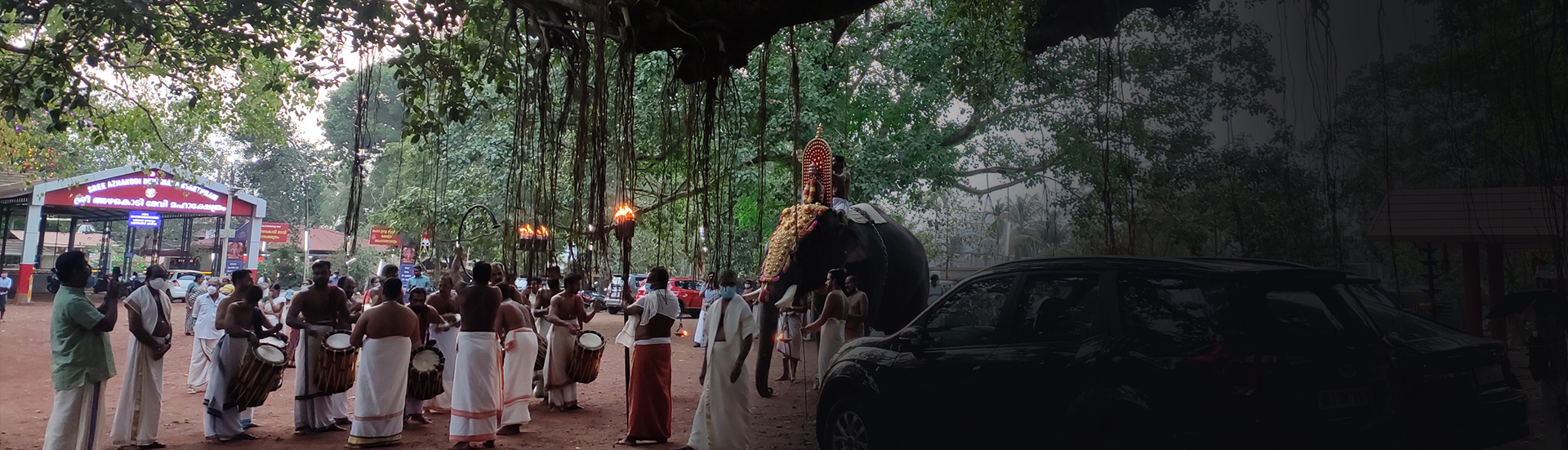
Azhakodi Devi Temple
Azhakodi Devi Temple in Thiruthiyad, Kozhikode, is a renowned Devi shrine housing seven maternal incarnations of the goddess, with origins tracing to the Samoothiri rulers' era.
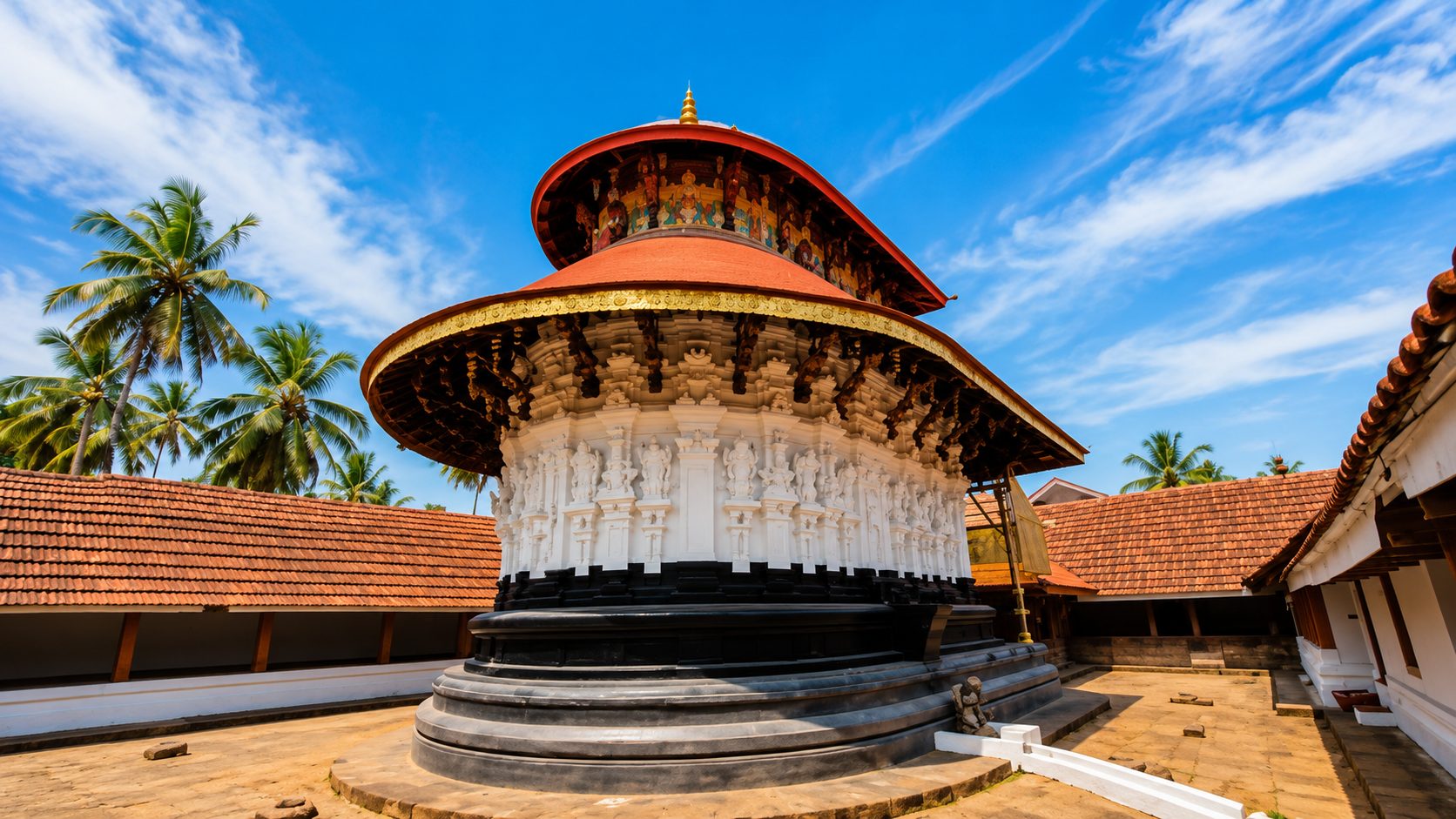
Mahadeva Kshetram, Thiruvannur Kozhikode
Thiruvannur Sree Mahadeva Temple is an ancient Shiva shrine in Kozhikode, Kerala, dedicated to Lord Shiva in the form of Kirathamoorthy. One of Kerala's sacred 108 Shiva temples…