

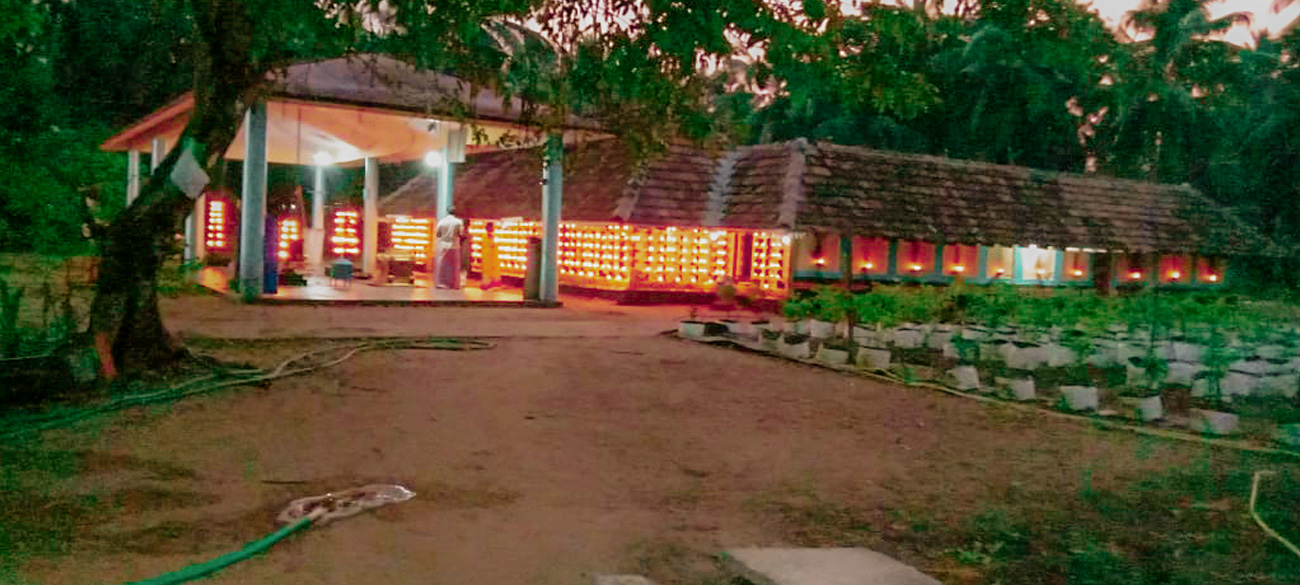
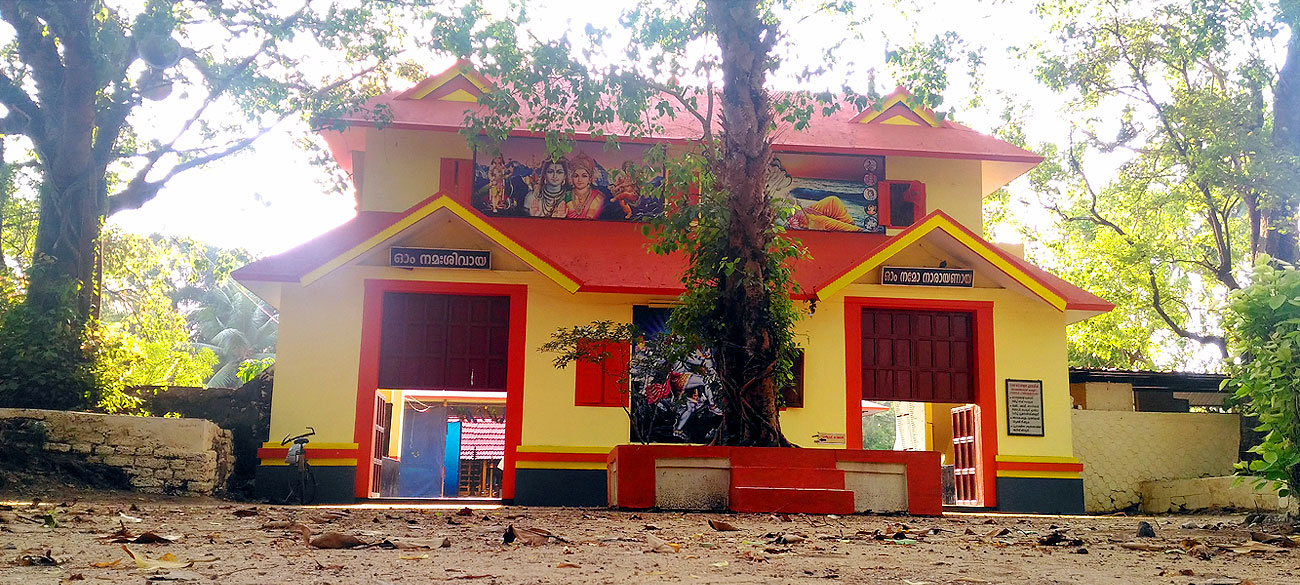
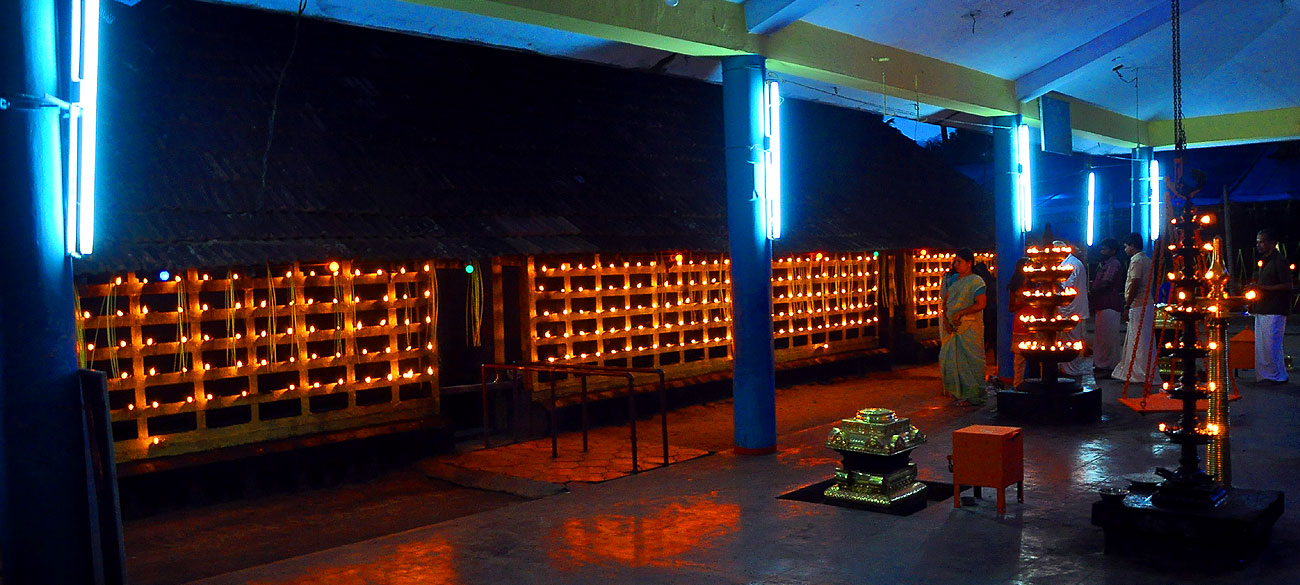
Thirumangalam Sree Maha Vishnu Siva Temple
About Thirumangalam Sree Maha Vishnu Siva Temple
The temple's origins trace to the Parashurama era, placing it among Kerala's most ancient religious sites. Parashurama, the warrior sage of Hindu mythology, is traditionally associated with the establishment of numerous temples throughout Kerala, and this sanctuary counts among those attributed to his spiritual legacy. The exact chronology of the temple's construction remains embedded in oral tradition rather than documented historical records, but its antiquity is affirmed by its inclusion in Kerala's roster of venerable Shiva temples.
The temple is administered by the Kattumadam Devaswam Trust, which oversees its maintenance and religious functions. This governance structure ensures continuity in the temple's observances and upkeep.
Festivals and Observances
Two major festivals draw devotees to Thirumangalam: Maha Shivaratri and Ashtami Rohini. Maha Shivaratri, observed annually in honour of Shiva, is celebrated with particular significance at this temple. Ashtami Rohini, associated with the lunar calendar, represents another occasion of heightened spiritual activity. These festivals are considered the optimal times for pilgrimage, when the temple's religious atmosphere intensifies and special rituals are performed.
Beyond these principal festivals, the temple maintains a regular cycle of worship and observances aligned with the Hindu calendar. Devotees planning a visit are advised to check the temple's schedule for specific dates and ritual timings.
Darshan and Worship
The temple's sanctums face east, the traditional orientation for Hindu temples. Separate worship spaces for Shiva and Maha Vishnu allow devotees to approach each deity according to their personal devotion. The temple operates under the stewardship of the Kattumadam Devaswam Trust, which coordinates daily rituals and maintains the sacred spaces.
Visitors should dress modestly when entering the temple, as is customary in Hindu places of worship. Shoes are typically removed before entering the sanctum areas. Those unfamiliar with temple protocols are encouraged to observe the practices of other devotees and follow the guidance of temple staff.
Architecture and Setting
The temple reflects Kerala's distinctive architectural traditions in Hindu sacred spaces. The structure embodies the regional style characteristic of temples throughout Kerala, with design elements suited to the local climate and cultural context. The temple's setting in Pokkulangara, Engandiyoor, places it within the broader landscape of Thrissur District's religious heritage.
Practical Information for Visitors
The temple is located at Pokkulangara, Thirumangalam Temple Road, Engandiyoor, Thrissur District, Kerala 680615. For inquiries, visitors may contact the temple at +91 8547 95 54 79 or email thirumangalamtemple@gmail.com. The temple's official website provides additional information about rituals, offerings, and administrative details.
Thrissur District is well-connected by road and rail within Kerala. Visitors should plan their journey to coincide with Maha Shivaratri or Ashtami Rohini for the most significant spiritual experience, though the temple welcomes devotees throughout the year. It is advisable to check current darshan timings and any special observances before visiting, as these may vary seasonally or according to the lunar calendar.
How to reach
Temples near Thirumangalam Sree Maha Vishnu Siva Temple
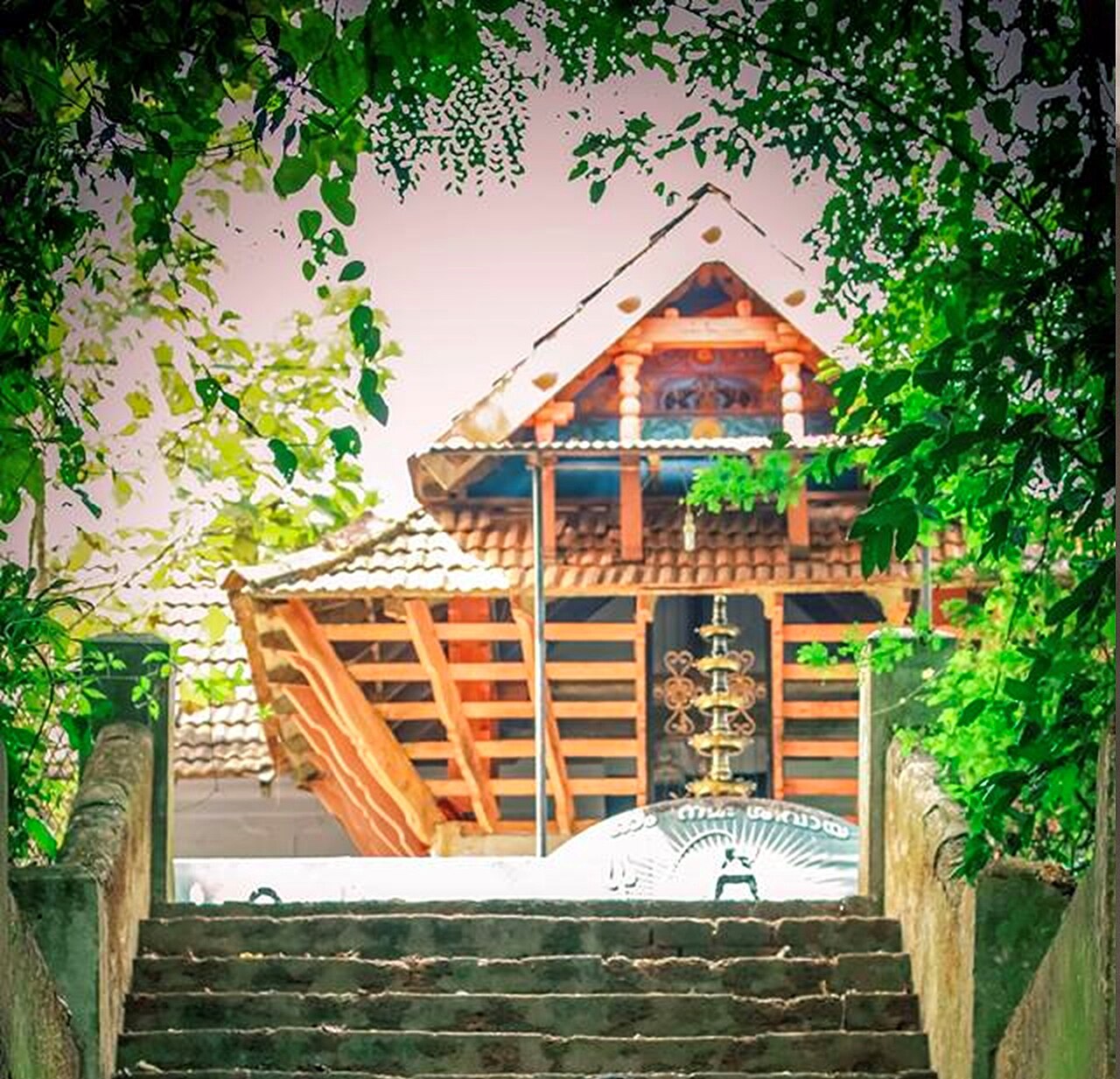
Thrikkunnathu Mahadeva Temple
Thrikkunnathu Mahadeva Temple in Kanjany, Thrissur district, is a Dravidian-style shrine dedicated to Lord Shiva, believed to have been established by sage Parasurama and counte…
Anthikad Karthyayani Temple
Anthikad Karthyayani Temple is a historic Hindu shrine in Thrissur district, Kerala, dedicated to Goddess Durga in her Karthyayani form and recognized as one of Kerala's 108 Dur…
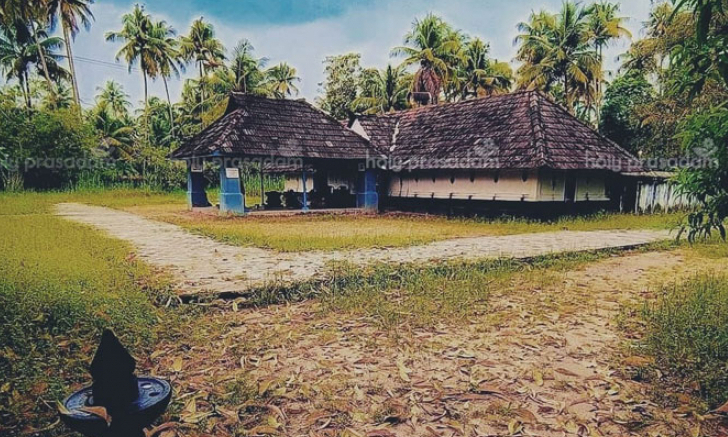
Muttichur Kallattupuzha Sri Maha Siva Temple
The Muttichur Kallattupuzha Sri Maha Siva Temple in Anthikad, Thrissur, exemplifies Kerala's classical temple architecture and stands as one of Kerala's 108 revered Shiva temple…
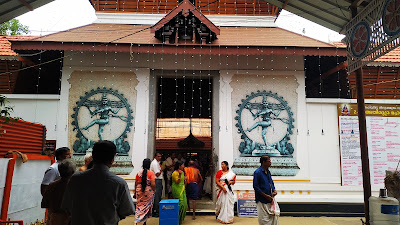
Sree Perunthatta Siva Temple
Sree Perunthatta Siva Temple is an ancient Hindu shrine dedicated to Lord Shiva located in Guruvayur, Thrissur District, Kerala. According to tradition, sage Parashurama install…
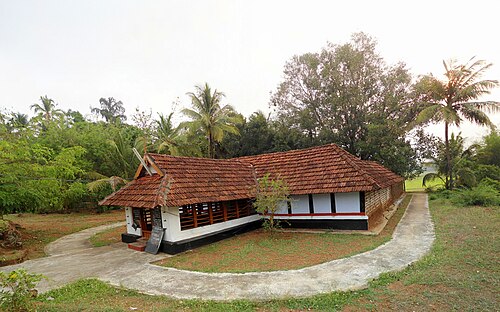
Adat Shiva Temple
Adat Shiva Temple in Thrissur district, Kerala, is a dual-deity shrine housing both Lord Parameswara (Shiva) and Maha Vishnu in separate complexes facing east and west respectiv…

Guruvayur Temple
Guruvayur Temple, dedicated to Guruvayurappan (Krishna-Vishnu), is one of Kerala's most significant Vaishnava shrines located in Thrissur district. Recognized as one of the 108…