Thrikkunnathu Mahadeva Temple
About Thrikkunnathu Mahadeva Temple
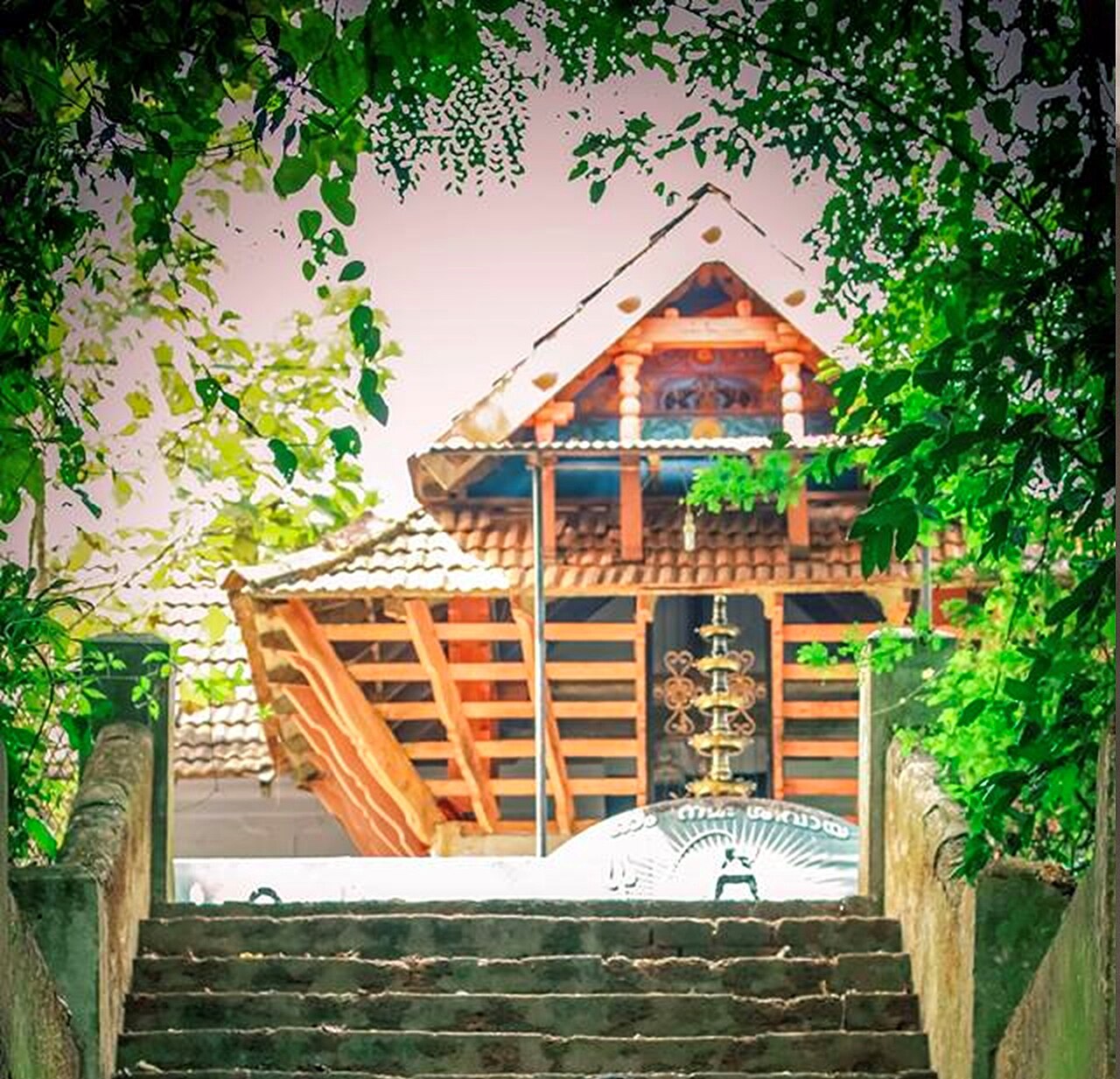
The temple exemplifies Dravidian architectural style, a classical approach to temple design that characterizes sacred structures across South India. The Shiva sanctum sanctorum features a distinctive round chamber (Vatta Sreekovil), roofed with copper sheets and containing two inner chambers—a design choice that distinguishes it from the Vishnu temple's square sanctum (Chatura Sreekovil), which is tiled and faces westward. The Shiva sanctum faces east, the traditional orientation for Shiva temples.
These architectural details reflect both aesthetic principles and functional purposes. The copper roofing of the Shiva sanctum and the tile work of the Vishnu temple represent the craftsmanship embedded in Kerala temple construction. The round form of the Shiva chamber and the square form of the Vishnu chamber embody symbolic distinctions between the two deities within Hindu cosmology.
Worship and Daily Observance
The temple maintains a schedule of poojas (ritual worship) available to devotees. Among the offerings listed are Appanivedhyam, performed to address life's difficulties, and Ashtadravya Ganapathy Homam, a fire ritual undertaken for prosperity and relief from illness and mental disturbance. These poojas reflect the temple's active role in the spiritual lives of its community, offering structured means for devotees to seek blessings and intervention.
Visitors wishing to participate in worship or commission poojas should inquire at the temple regarding current timings and procedures. As with most Hindu temples in Kerala, modest dress is expected—covering shoulders and knees is standard practice. The temple's location near the Karuvannur River provides a natural setting for the sacred space.
The Annual Festival
The temple observes its principal festival during the Malayalam month of Dhanu, which typically falls in December-January. Because the temple lacks an independent flag mast, this festival is celebrated jointly at both the Shiva and Vishnu sanctuaries, making it a unified celebration across the dual temple complex. The specific dates and rituals of this festival should be confirmed with the temple authorities before planning a visit.
Reaching the Temple
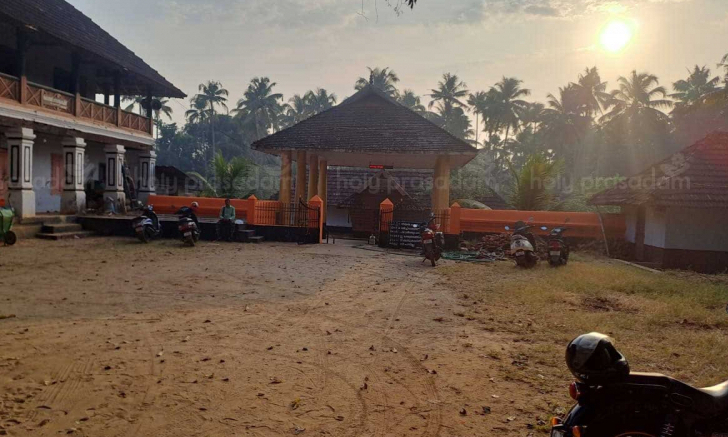
Thrikkunnathu Mahadeva Temple is situated in Kanjany within Thrissur district, Kerala's central region. The coordinates 10.479598, 76.100289 can be used with mapping applications to locate the temple. Thrissur district is well-connected by road and rail to other parts of Kerala and South India. Visitors should allow time to reach Kanjany from major towns and confirm local transportation options before arrival.
Visiting Considerations
Devotees and visitors should dress modestly, covering shoulders and knees as is customary in Hindu temples. The temple's setting on a 2-acre compound provides space for circumambulation and reflection. Those interested in commissioning specific poojas should contact the temple in advance to arrange timing and make necessary contributions.
The temple's dual sanctuaries mean that the sacred space encompasses worship of both Shiva and Vishnu, reflecting a theological approach common in Kerala Hinduism. Visitors should be respectful of ongoing rituals and the devotional practices of other worshippers. Photography policies should be confirmed upon arrival, as these vary by temple.
How to reach
You may also visit
Agatheeswarar Temple, Karur
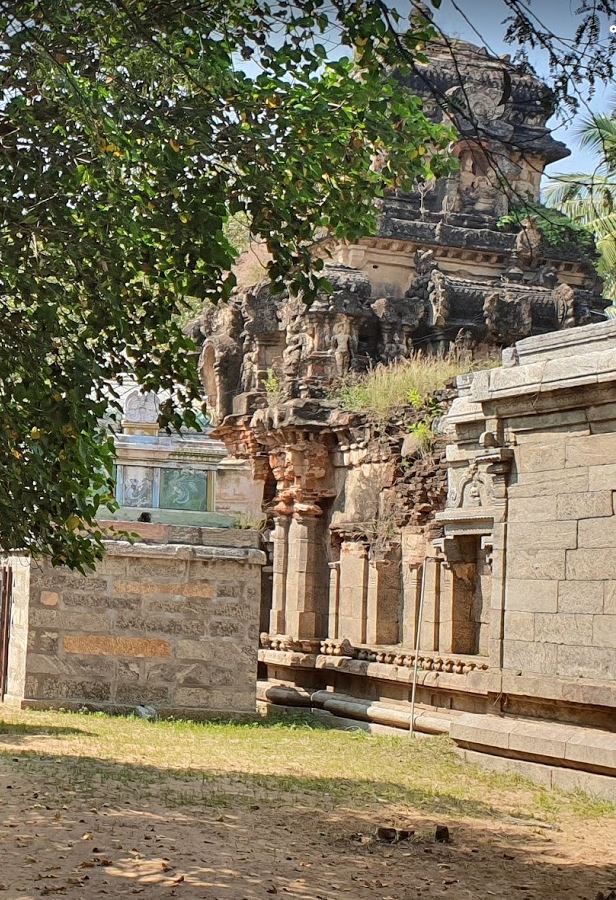
Agatheeswarar Temple in Thirumukkudalur, Karur district, is an ancient Hindu shrine dedicated to Shiva, situated at the sacred confluence of three rivers and believed to be over 1000 years old.
Kalyanji Temple
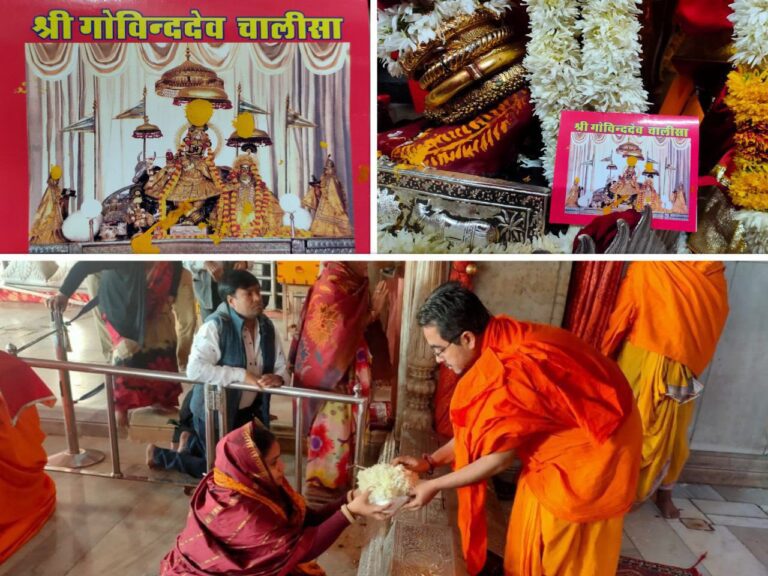
Kalyanji Temple in Jaipur's Chandpol Bazaar is an ancient Krishna shrine established in the 1820s, renowned for its seven daily aartis and special avatar darshan ceremonies during Akha Teej and Patottsav festivals.
Rani Sati Mandir Mahuda
Rani Sati Mandir in Mahuda, Dhanbad District, is a Hindu temple established in 1992 that serves as a spiritual center for the local community and attracts devotees seeking blessings.