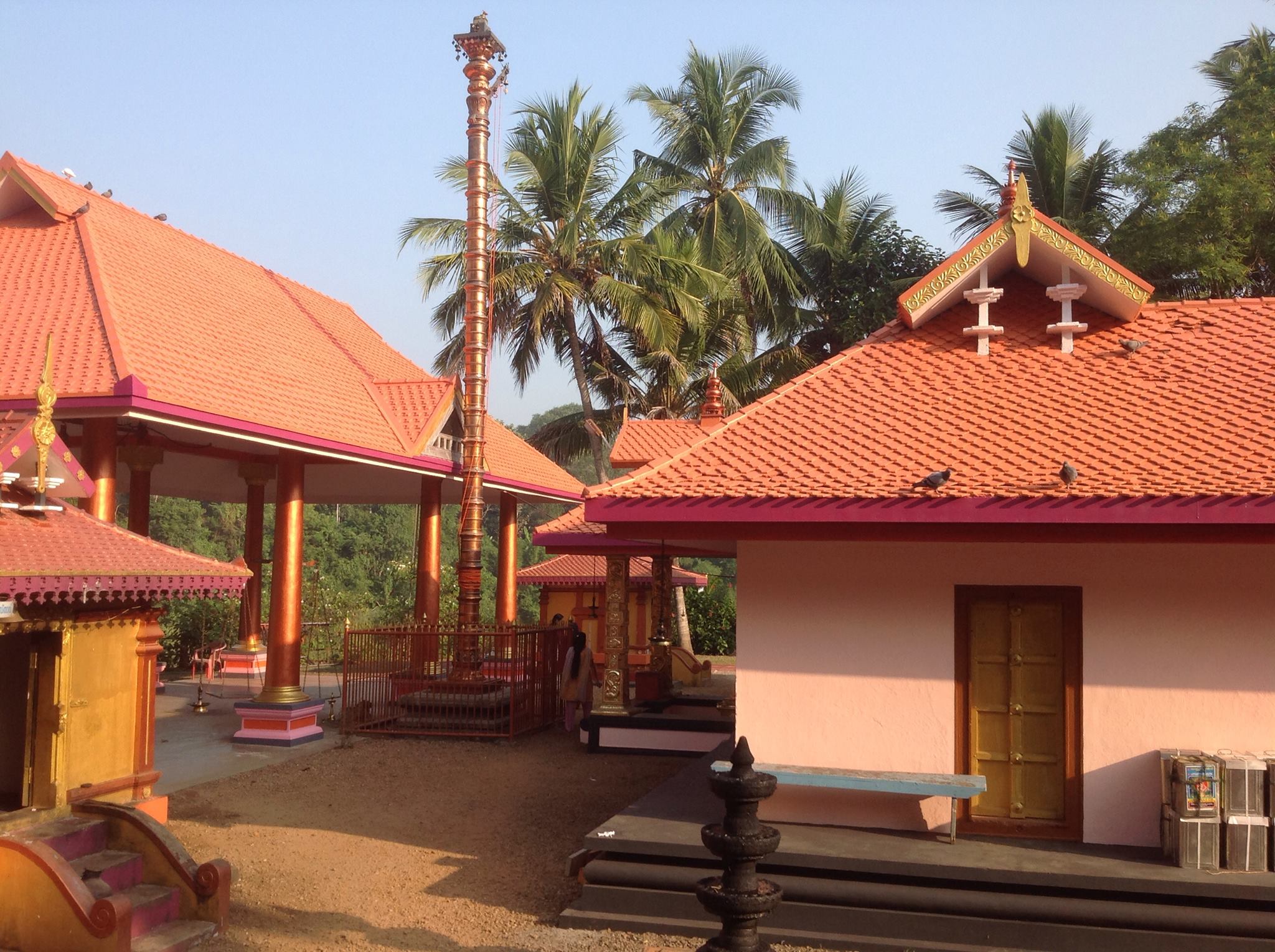
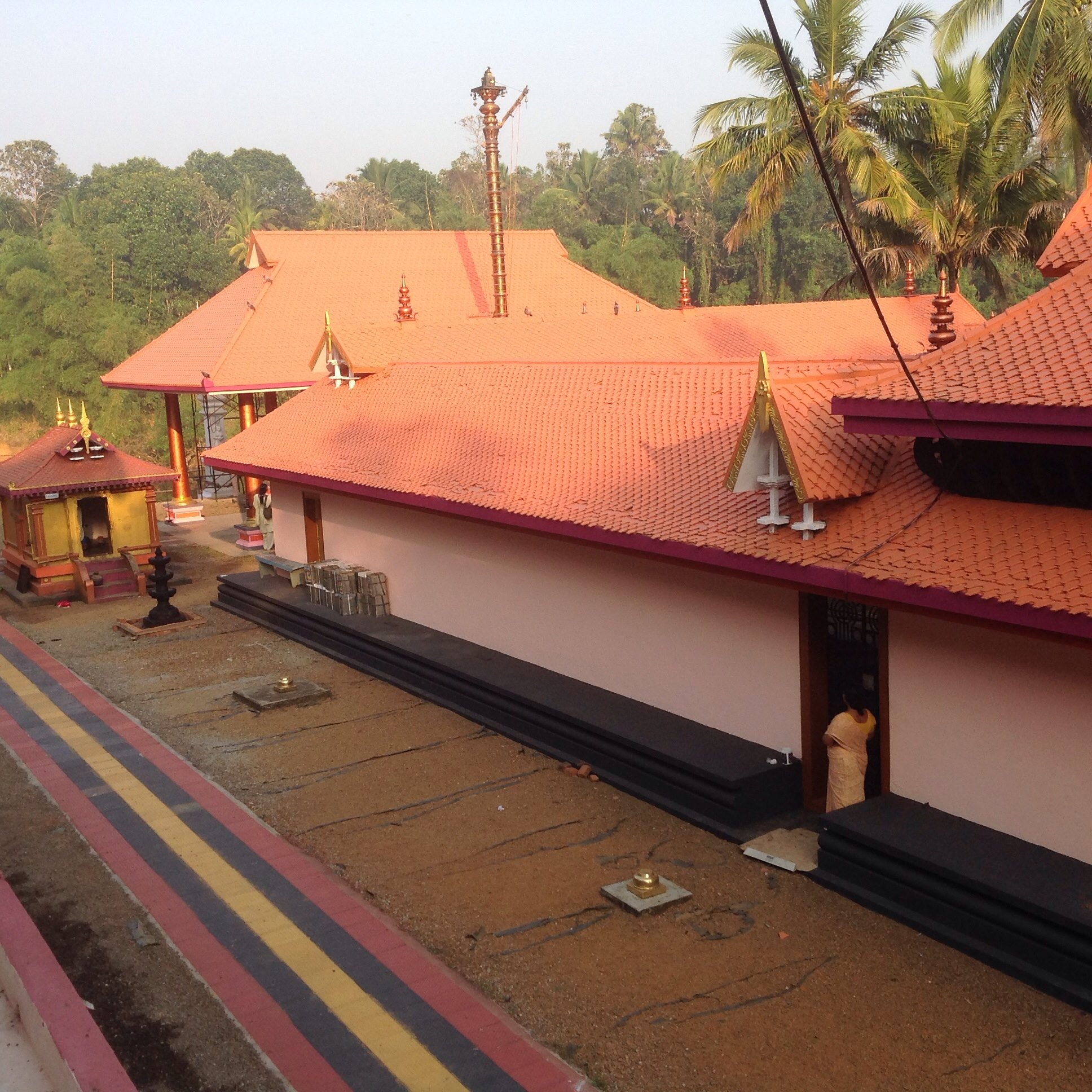
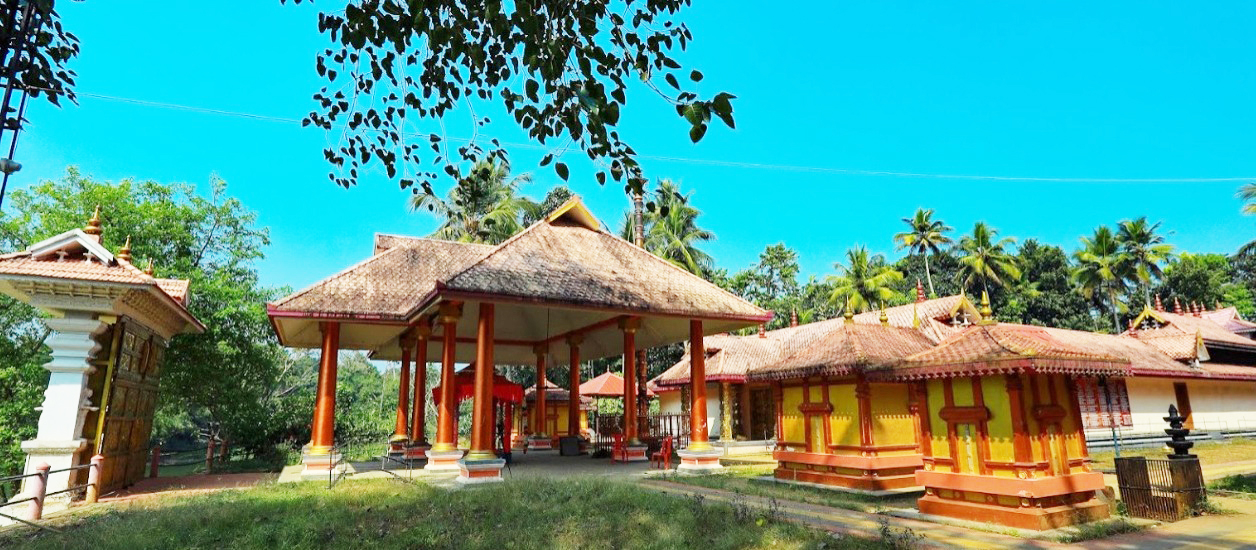
Thirumalida Swayambhoo Shiva temple
About Thirumalida Swayambhoo Shiva temple
Two periods draw large numbers of devotees to the temple. During Karkidakam (July-August), thousands arrive to perform Karkkidaka Vavubali, a ritual offering made for ancestors. The month holds particular significance in Kerala's ritual calendar, and this temple has become a focal point for this observance.
Maha Shivaratri (February-March) brings the temple's most distinctive celebration. The festival takes place on the sandy banks of the Manimala River, timed to coincide with the season when water flow is at its lowest. The Mallappally Kavadiyattam forms the centrepiece of these celebrations—a spectacle featuring caparisoned elephants, processions, and the Kavadi Thullal, a rhythmic dance performed by devotees who have undertaken vows of sacrifice and gratitude to Lord Shiva. The drumbeats and pageantry continue through day and night, drawing visitors from distant regions to witness this enchanting event.
Rituals and Worship
The temple offers various poojas for devotees. These include Abhishekam (ritual bathing of the deity), Archana (recitation of names and offerings), and Aaluvillaku (lamp offerings). Specialized rituals such as Adima, performed as an act of total surrender to the divine, are also available. These poojas address different spiritual needs—from seeking peace of mind to requesting blessings for health, children, and overall wellbeing. Temples of this tradition typically allow devotees to arrange poojas according to their personal intentions and circumstances.
Visiting the Temple
Visitors should plan their trip around the temple's most vibrant periods: Maha Shivaratri and Karkidakam. These seasons offer the fullest experience of the temple's spiritual and cultural life. Outside these festivals, the temple remains active, though with quieter rhythms of worship.
As with Hindu temples generally, visitors should dress modestly and respectfully. Footwear is typically removed before entering the inner sanctum. Those unfamiliar with temple customs should observe how other devotees conduct themselves and follow their example. The temple staff can provide guidance on appropriate conduct and ritual participation.
The sandy riverbed setting creates a unique environment quite different from temple complexes built on solid ground. Visitors should be prepared for this distinctive landscape and plan accordingly, particularly during monsoon season when river conditions change.
The Temple's Distinctive Character
The combination of Shiva worship, the Swayambhoo form of the deity, the river setting, and the temple's westward orientation creates a spiritual environment unlike many other Kerala temples. The Manimala River is integral to the temple's identity—not merely a backdrop but central to how its major festivals unfold. The temple draws those seeking connection with Shiva through both daily worship and the intense devotional atmosphere of its seasonal celebrations.
How to reach
You may also visit
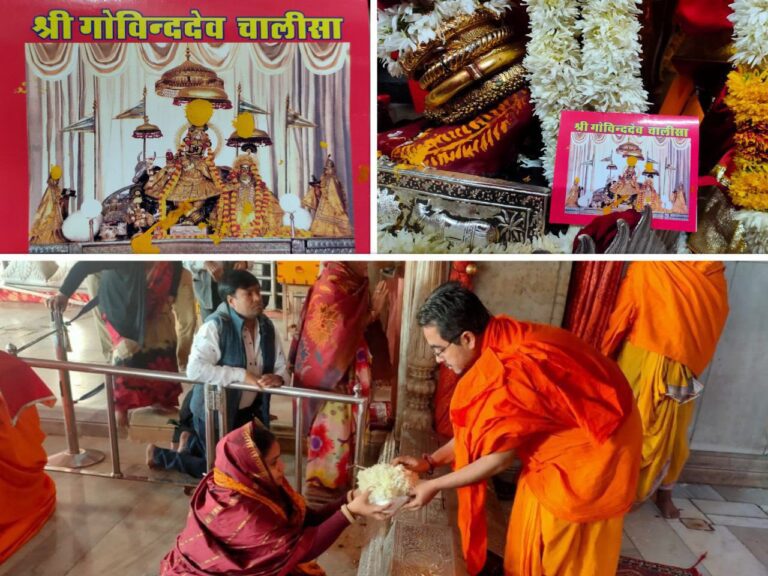
Kalyanji Temple
Kalyanji Temple in Jaipur's Chandpol Bazaar is approximately two centuries old and renowned for displaying the twenty-four avatars of Krishna, visible only twice yearly during Akha Teej and Patottsav festival.
Sastha (Ayyappan) Temple
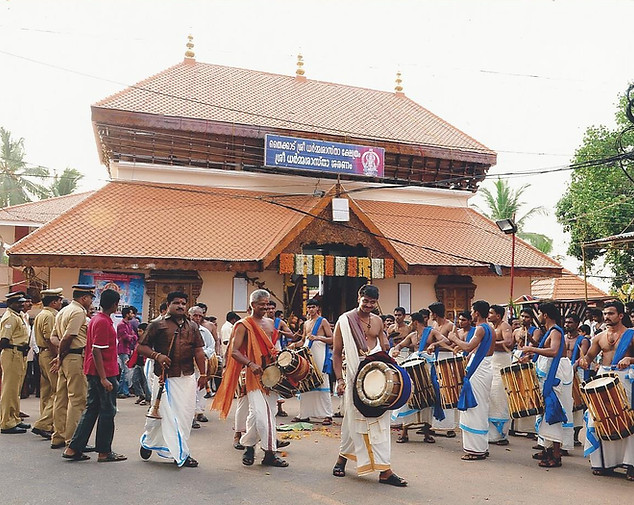
Sree Dharma Sastha Temple in Thycaud, Thiruvananthapuram, is a centuries-old shrine where the deity manifests as Dhanwanthari, the divine healer, holding the sacred blue lotus.
Govindarajaswamy Temple
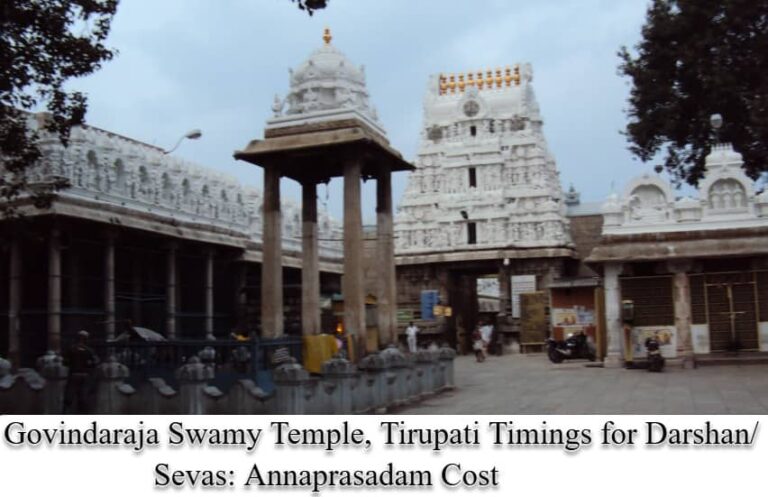
Sri Govindarajaswamy Temple in Tirupati is an ancient Vaishnavaite shrine consecrated in 1130 AD by Saint Ramanuja, where the presiding deity rests in eternal Yoga Nidra on the serpent Adisesha.