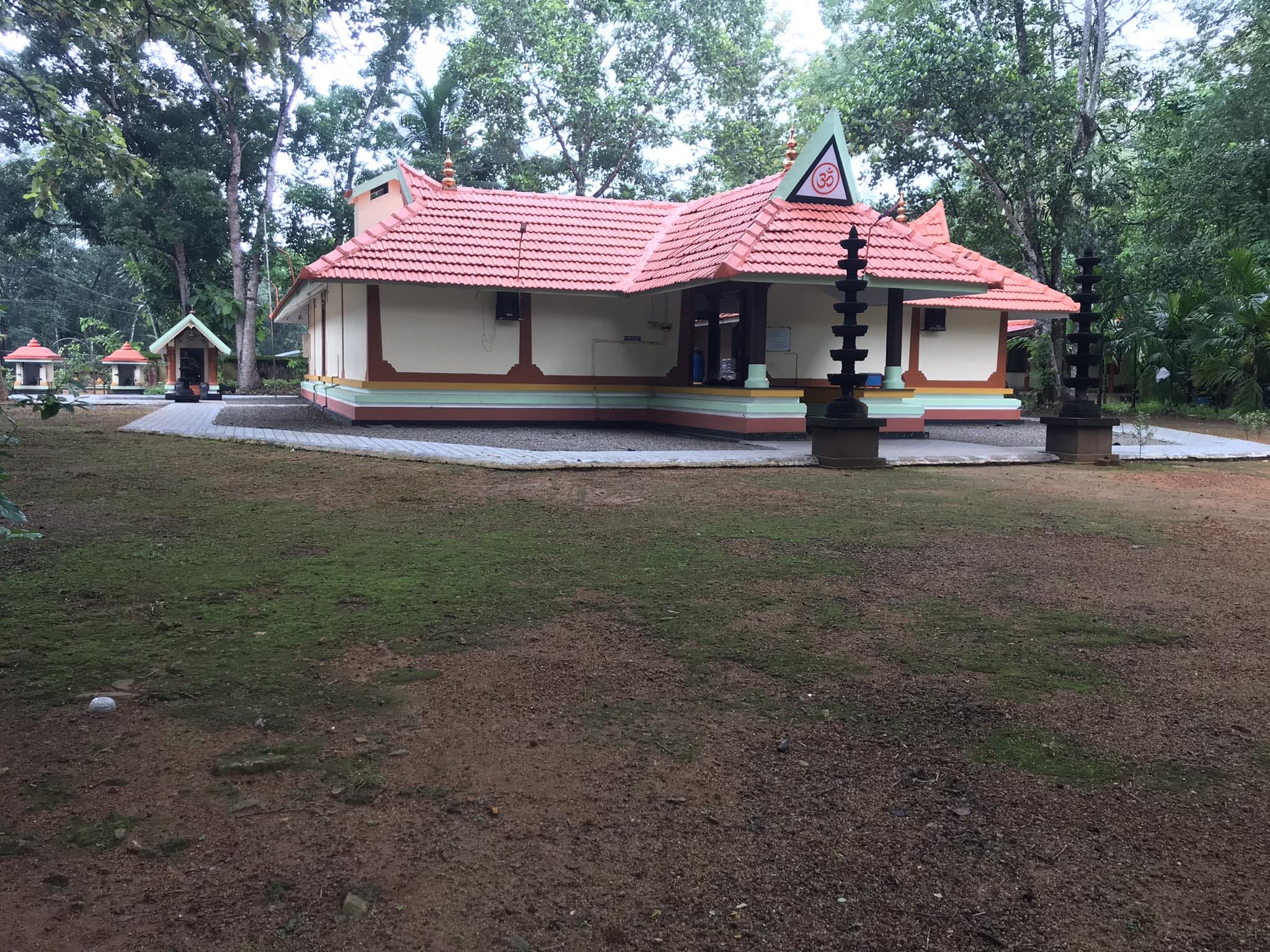
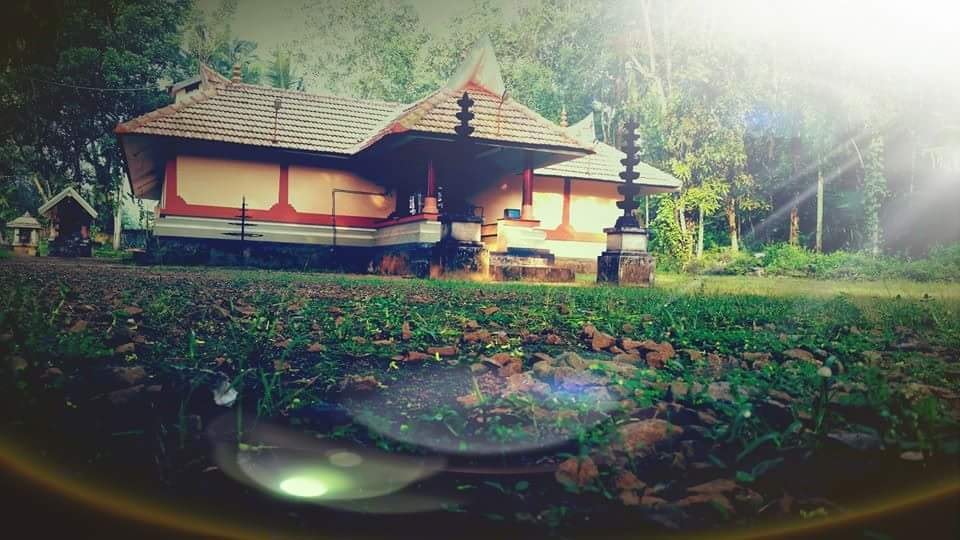
Ezhumattoor Devi Temple
About Ezhumattoor Devi Temple
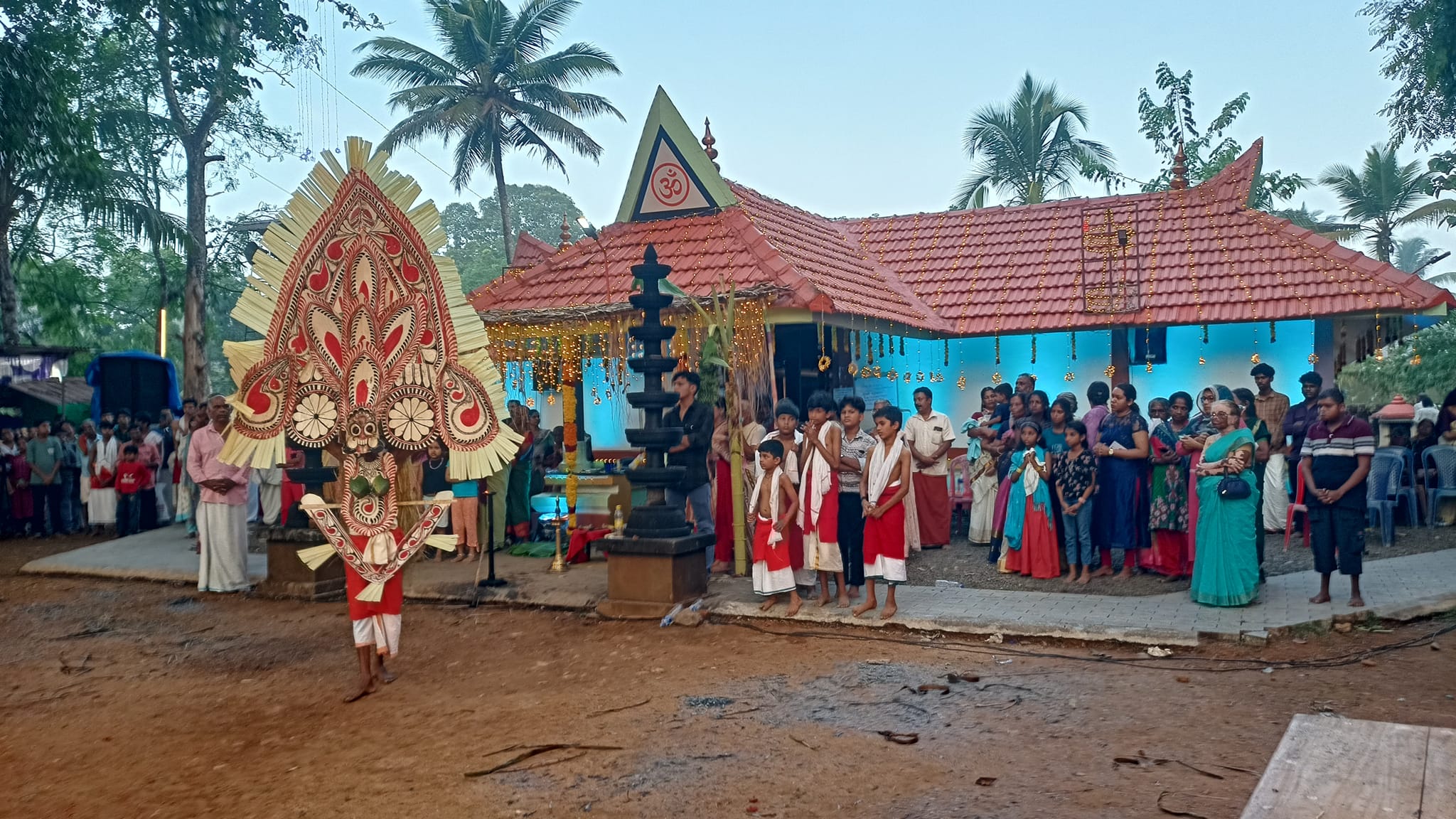
The temple's defining event is the Padayani festival, a seven-day sequence of ritualistic folk performances that culminates on Vishu day—the first of the Malayalam month Medam, typically falling on April 14 or 15. This festival is central to preserving Central Travancore's indigenous performance traditions and represents the deepest cultural significance of the shrine.
The festival unfolds in a prescribed order over its seven days. Choottuvaypu begins the cycle as a preparatory ritual six days before Vishu. Thappum Kaimaniyum follows with rhythmic percussion and hand ornament performances. Ganapathi Kolam invokes the elephant-faced deity through elaborate face masks and body painting. Panchakolam presents five distinct kolam performances, while Adavi and Ida Padayani occupy the fifth and sixth days respectively. The festival reaches its climax on Vishu day with Valiya Padayani (the great Padayani), accompanied by Tangalum Padayum—a comedic performance by participants dressed as Muslim warriors, depicting historical conflicts. Throughout the festival period, devotees make offerings of Kalankolam, artistic kolam designs presented to the goddess. This sequence blends music, dance, and elaborate body painting into a unified ritual expression of devotion.
Other Annual Observances
Beyond the Padayani cycle, the temple marks Meena Bharani day, which falls in March or April during the Malayalam month of Meena. This observance underscores the temple's role in the cyclical calendar of agrarian and devotional rites that have long structured village life in Kerala. These seasonal observances reflect the rhythms of cultivation and the community's connection to both the agricultural cycle and the divine.
Visiting the Temple
The temple is best visited during the Padayani festival around Vishu day in mid-April, when the full cultural and spiritual life of the shrine is on display. The sources do not specify daily darshan timings or regular aarti schedules, so visitors should inquire locally or contact the temple in advance for current worship hours.
Ezhumattoor village is accessible by road. A bus stop lies 300 metres from the temple, and Mallappally town is 7 kilometres away. The nearest railway station at Chengannur is 21 kilometres distant, and Cochin International Airport lies approximately 114 kilometres to the north. Visitors should dress modestly, as is customary at Hindu temples, and remove footwear before entering the sanctum. The temple's role as a community shrine means that respectful participation in rituals and observances is appreciated. During festival periods, the temple and surrounding grounds may be crowded; visitors should be prepared for this and follow local guidance on movement and participation.
The Temple in Its Landscape
The temple sits within Central Travancore's low-lying hills and fertile plains, a region that receives high rainfall and supports agriculture including rice cultivation, rubber estates, and spice farming. Historically, Ezhumattoor is embedded within the Travancore kingdom's administrative landscape. The area integrated into Kerala state in 1956 following independence, yet it has retained its rural character and agrarian rhythms. The temple remains the focal point for the village's religious and cultural life, a role it has maintained through centuries of regional change.
How to reach
Temples near Ezhumattoor Devi Temple

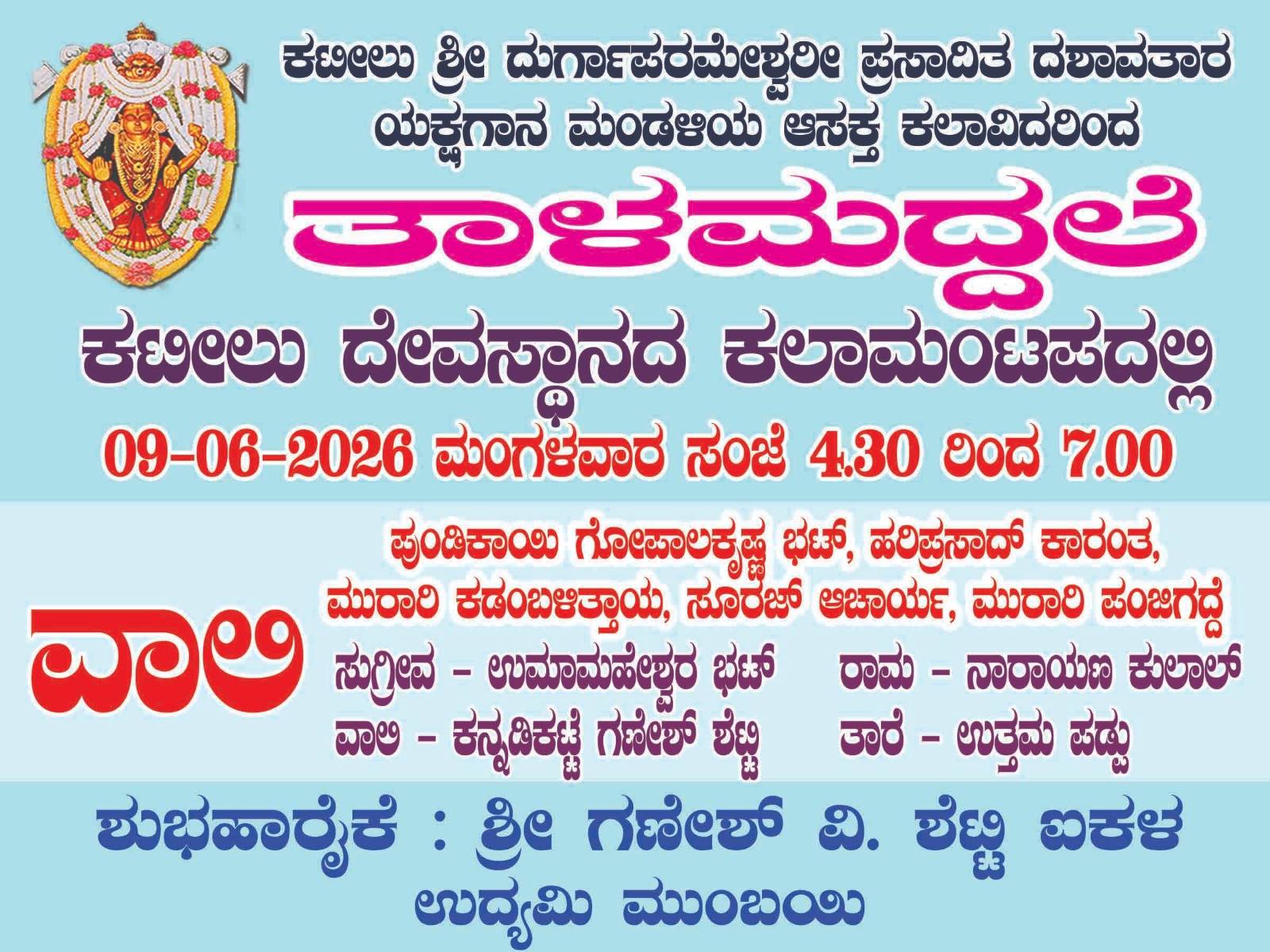
Anikkattilammakshethram
Anikkattilammakshethram is a Hindu temple located in Anicadu village near Mallappally in Pathanamthitta district, Kerala, dedicated to the divine feminine principle.
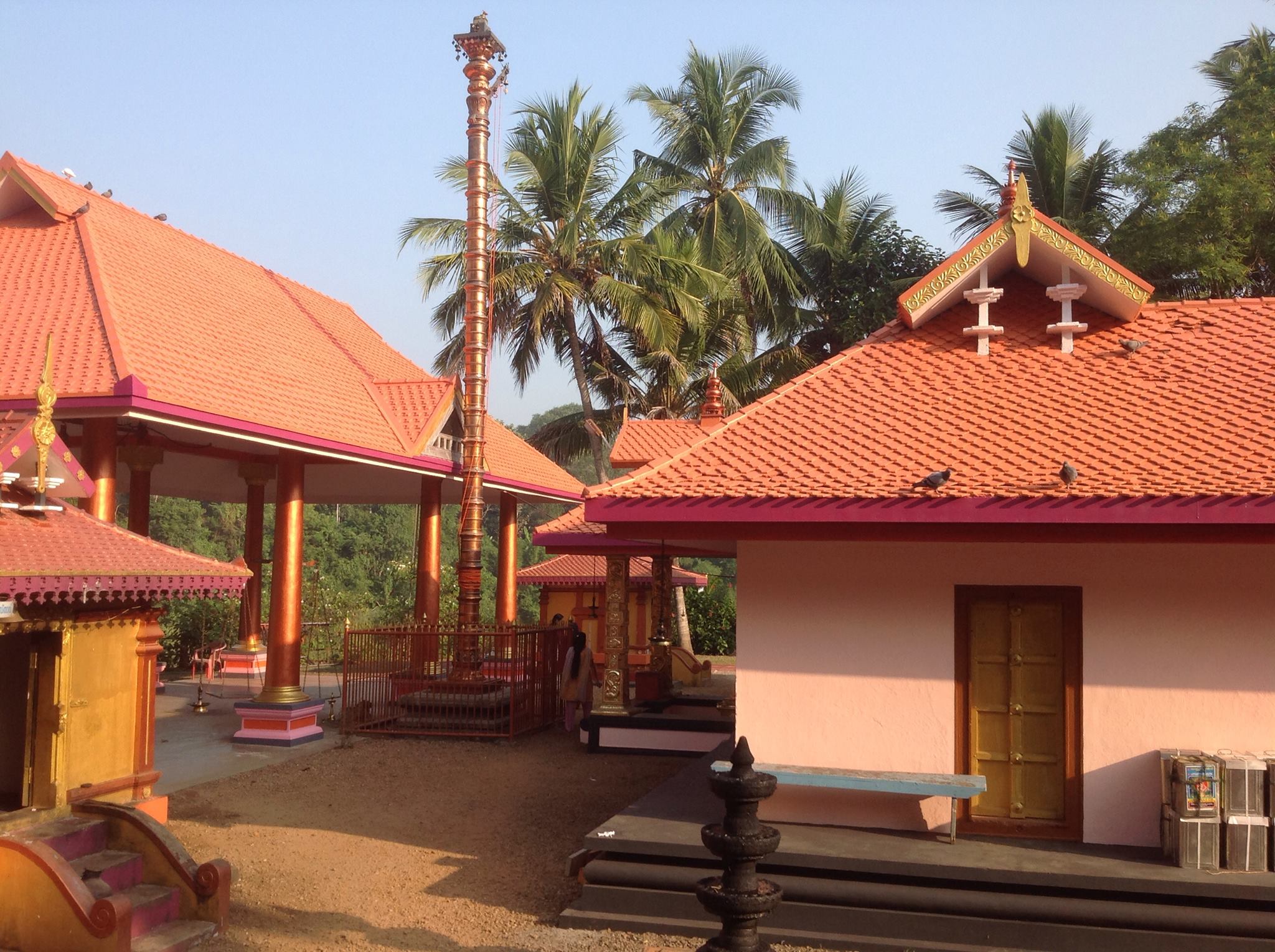
Kottangal Devi Temple
Sree Mahabhadrakali Temple in Kottangal is an ancient shrine dedicated to the goddess Bhadrakali, established approximately 800 years ago and celebrated for its Padayani Mahotsa…
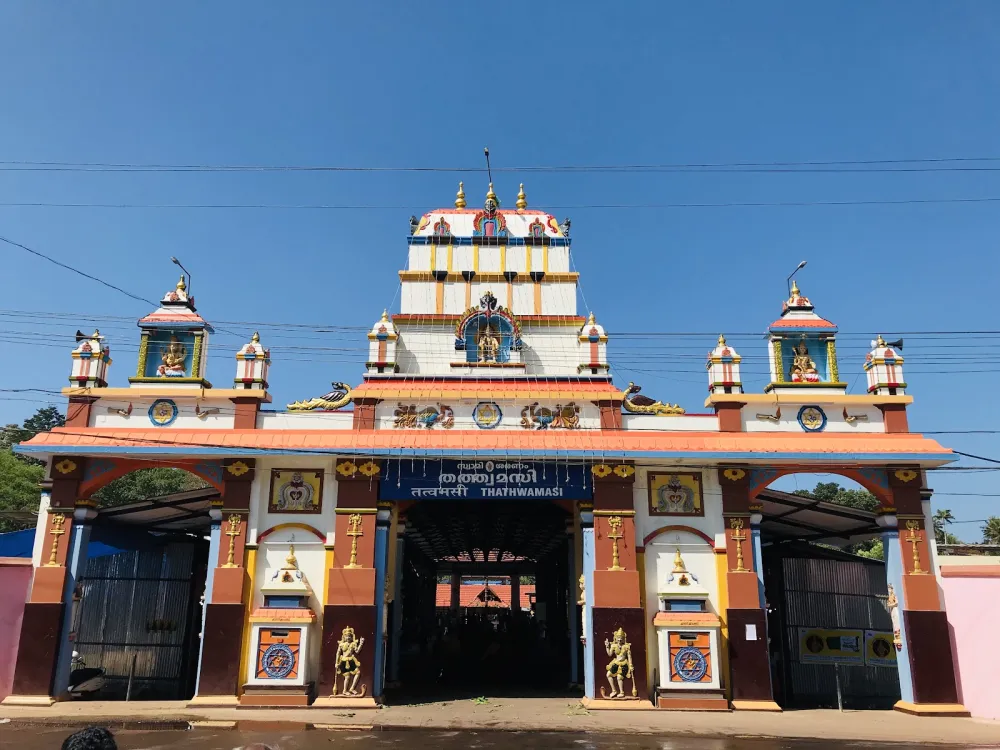
Thirumalida Swayambhoo Shiva temple
The Thirumalida Swayambhoo Shiva Temple in Mallappally, Pathanamthitta district, is Kerala's only westward-facing Swayambhoo Shiva temple situated on a riverbank, drawing thousa…
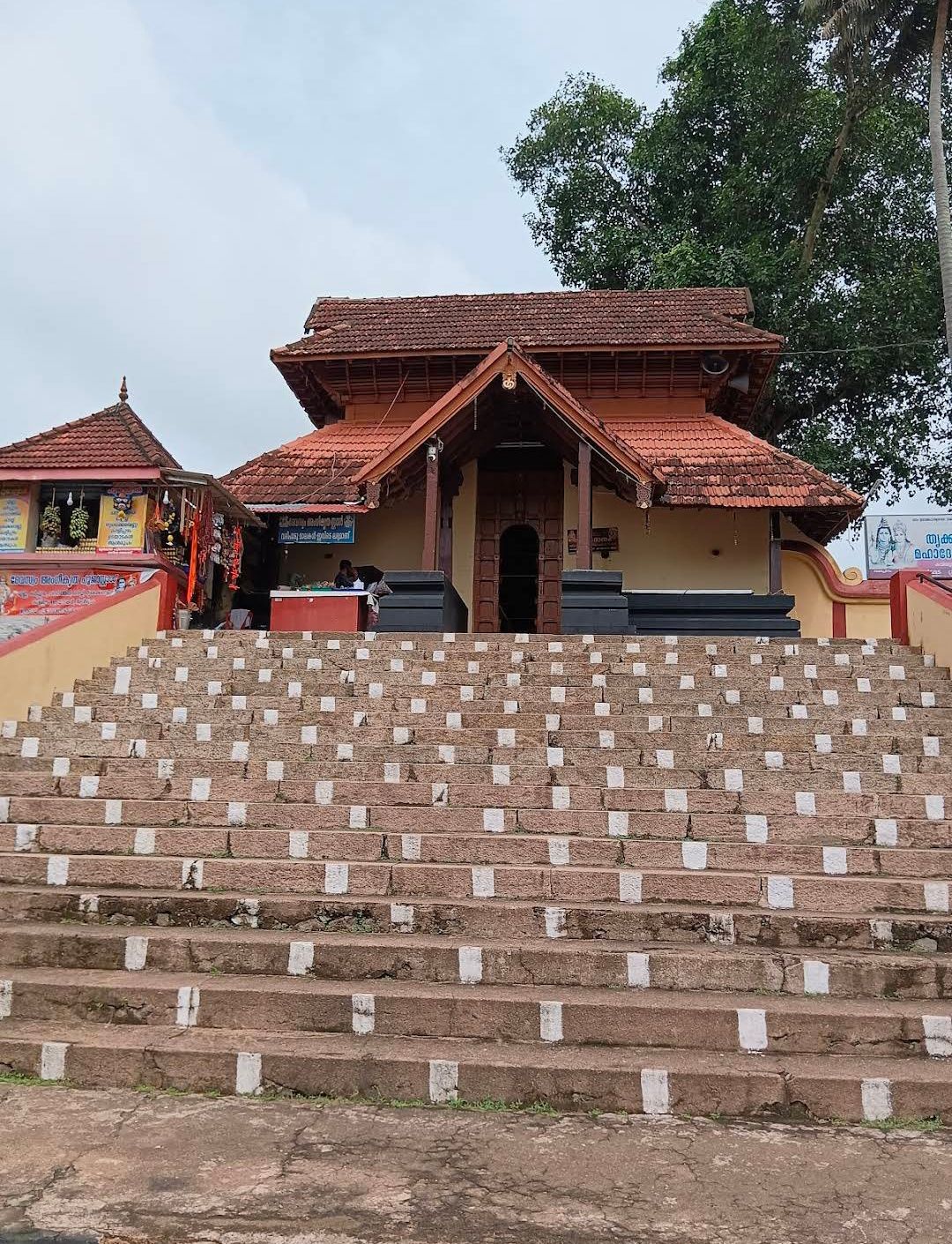
Erumely Sree Dharmasastha Temple
Erumely Sree Dharmasastha Temple, located in Kottayam district, Kerala, is dedicated to Lord Ayyappa and serves as a vital pilgrimage hub for devotees en route to Sabarimala.
Kaviyoor Cave Temple
Kaviyoor Mahadeva Temple is an ancient rock-cut shrine dedicated to Lord Shiva, carved from laterite rock in the 8th century and featuring intricate wooden carvings and natural…
Kaviyoor Mahadeva Temple, Kerala
Kaviyoor Mahadeva Temple is an ancient Shiva shrine in Pathanamthitta, Kerala, distinguished by its rock-cut Shivalinga and Pallava-style stone architecture with early Kerala sc…