Subrahmanya Swamy Temple, Maniyoor
About Subrahmanya Swamy Temple, Maniyoor
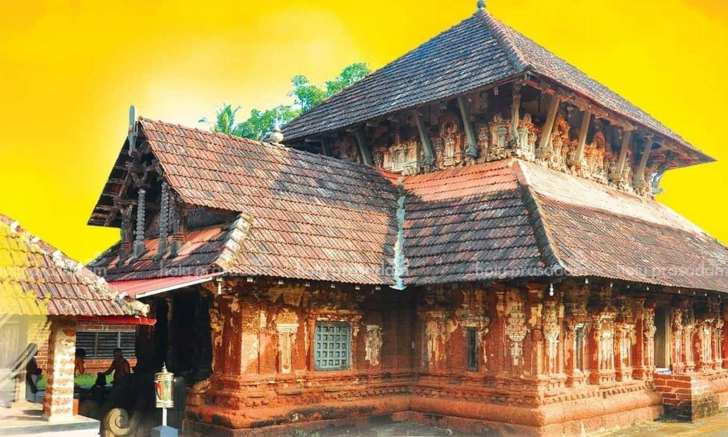
The temple is believed to date to the 11th century, though its exact origins remain unclear. What is certain is that its architectural elements bear the unmistakable influence of the Chola period—particularly visible in the pranaalam (the carved water spout) and the standing idol of Subrahmanya itself. These features place the temple within a broader tradition of South Indian temple design that flourished under Chola patronage.
For centuries, the temple was maintained by the Maanaatt and Kannambetti illams, Brahmin households that held hereditary rights to its management. In 1965, facing financial difficulties, these families transferred ownership to the Hindu Religious and Charitable Endowments (HR&CE) Department, the government body responsible for managing many Hindu temples across Kerala. Today, a Temple Committee appointed by the HR&CE Department oversees its operations and upkeep.
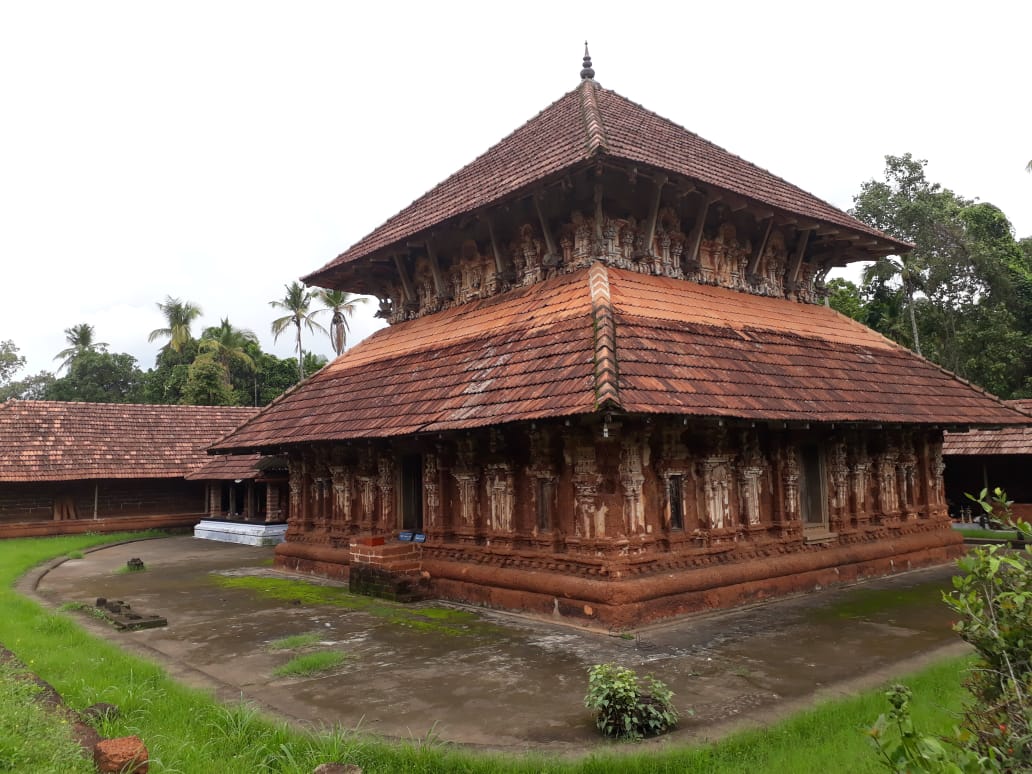
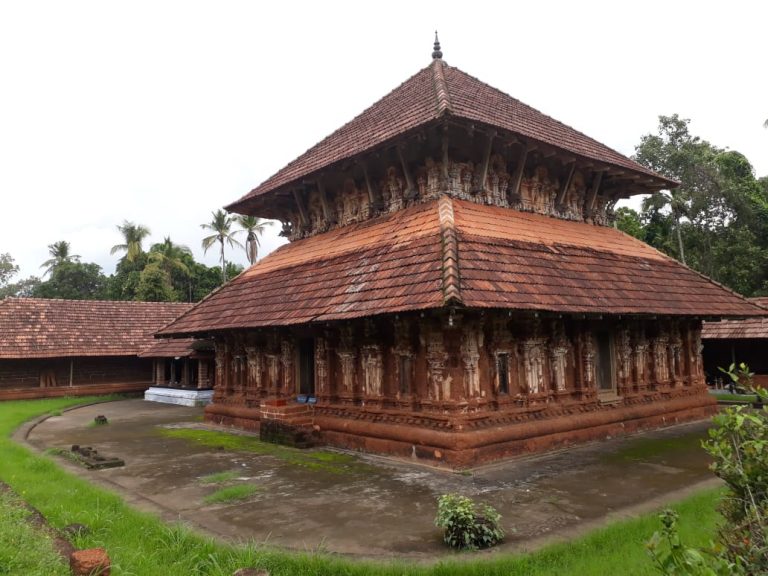
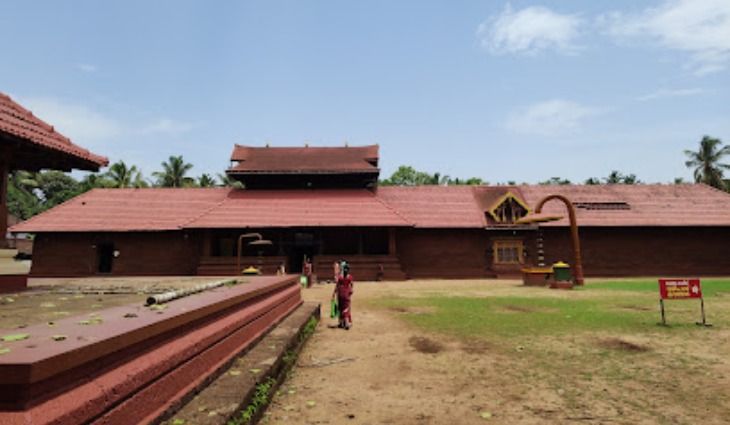
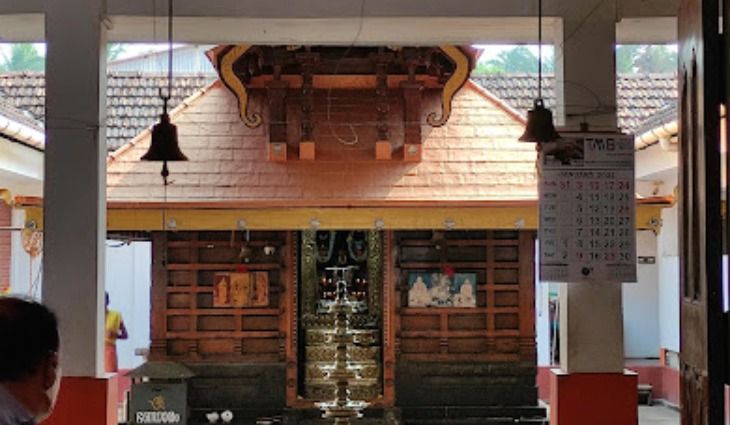
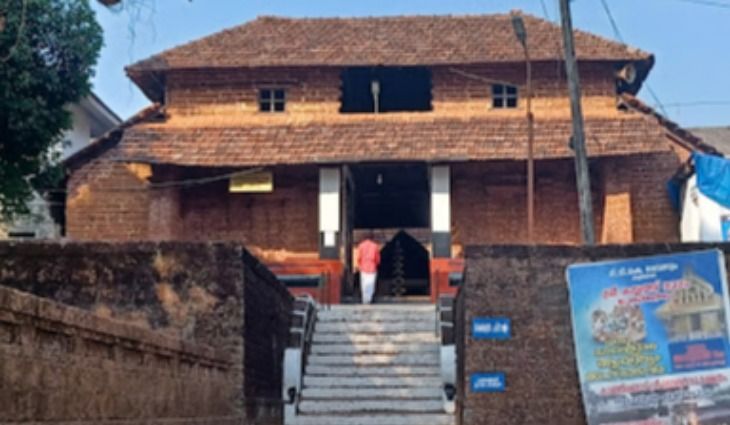
The temple's physical structure reflects traditional Kerala temple architecture. Its walls are constructed from laterite and feature carved themes drawn from the Puranas. Wooden figurines adorn the roof, adding to the visual richness of the sanctuary. This blend of stone and wood carving is characteristic of Malabar-region temples.
Worship and Daily Offerings
The temple offers several poojas suited to different spiritual intentions. Common daily offerings include Ada Nivedhyam (performed for wealth and prosperity), Appanivedhyam (to avert life's difficulties), and Ashtothara Archana (a recitation of 108 names, typically for prosperity). For those seeking more elaborate rituals, the temple conducts Ara Vattalam Payasam—a ceremony performed to fulfill wishes and appease the deities—and Ashtadravya Ganapathy Homam, a fire ritual believed to bring relief from illness and mental disturbance.
Devotees may also arrange Bhadradeepam (lighting of auspicious lamps for prosperity and happiness) and Bhagyasooktha Manthra Pushpanjali (a chanting ritual for better fortune). The temple's main offerings to the deity include Sharkara Payasam (a sweet rice pudding), Vella Nivedyam (a rice preparation), and Pushpanjali (flower offerings).
Festival Observance
The temple's principal festival is Thrikarthika, celebrated in the Malayalam month of Vrischikam (October-November). This festival marks the temple's most significant religious occasion and draws devotees for special worship and community gathering. Beyond this, the temple follows the ritual calendar observed across Kerala's Hindu temples, though specific details of daily aarti timings and other observances are not documented in available sources.
Visiting the Temple
The temple is located in Chekkikulam, Kannur district, at coordinates 11.949694444444, 75.451972222222. For those traveling by air, Kannur International Airport lies approximately 21 kilometers away. By rail, Kannur Railway Station is about 18 kilometers distant. Local buses operated by KSRTC connect the temple to Kannur town and surrounding areas.
Visitors should dress modestly, as is customary at Hindu temples—women typically wear sarees or salwar kameez, and men wear traditional or simple clothing. Footwear is removed before entering the sanctum. The temple follows standard Hindu etiquette: circumambulation of the deity in a clockwise direction, acceptance of prasadam (blessed food offerings) with the right hand, and respectful behavior within the sacred space. Specific darshan hours and facilities such as ablution areas should be confirmed upon arrival or by contacting the temple directly through the HR&CE Department.
Practical Information
The temple is managed by the HR&CE Department and operates under their guidelines for Kerala temples. Devotees wishing to arrange specific poojas or ceremonies can inquire at the temple or through the HR&CE office. The temple's location in Kannur district makes it accessible to both pilgrims and cultural heritage visitors interested in 11th-century Chola architectural traditions preserved in Kerala's temple landscape.
How to reach
Temples near Subrahmanya Swamy Temple, Maniyoor

Muthappan Temple
Parassini Madappura Sree Muthappan Temple in Parassinikadavu, Kannur, is a unique shrine where the deity is worshipped through ritualistic theyyam performances and honored with…
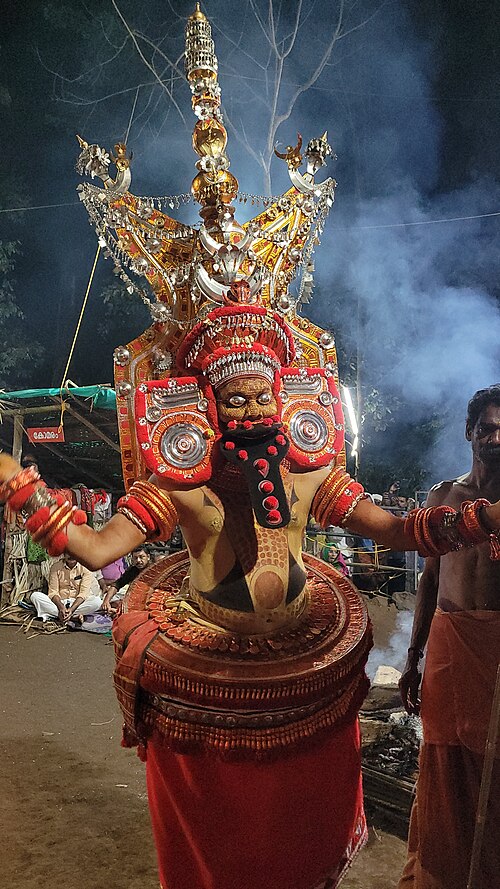
Kunnathoor Padi
Kunnathoor Padi is a historic shrine dedicated to Sree Muthappan, a folk Hindu deity, located atop Udumbumala in the Sahyadri mountains of Kannur, Kerala.
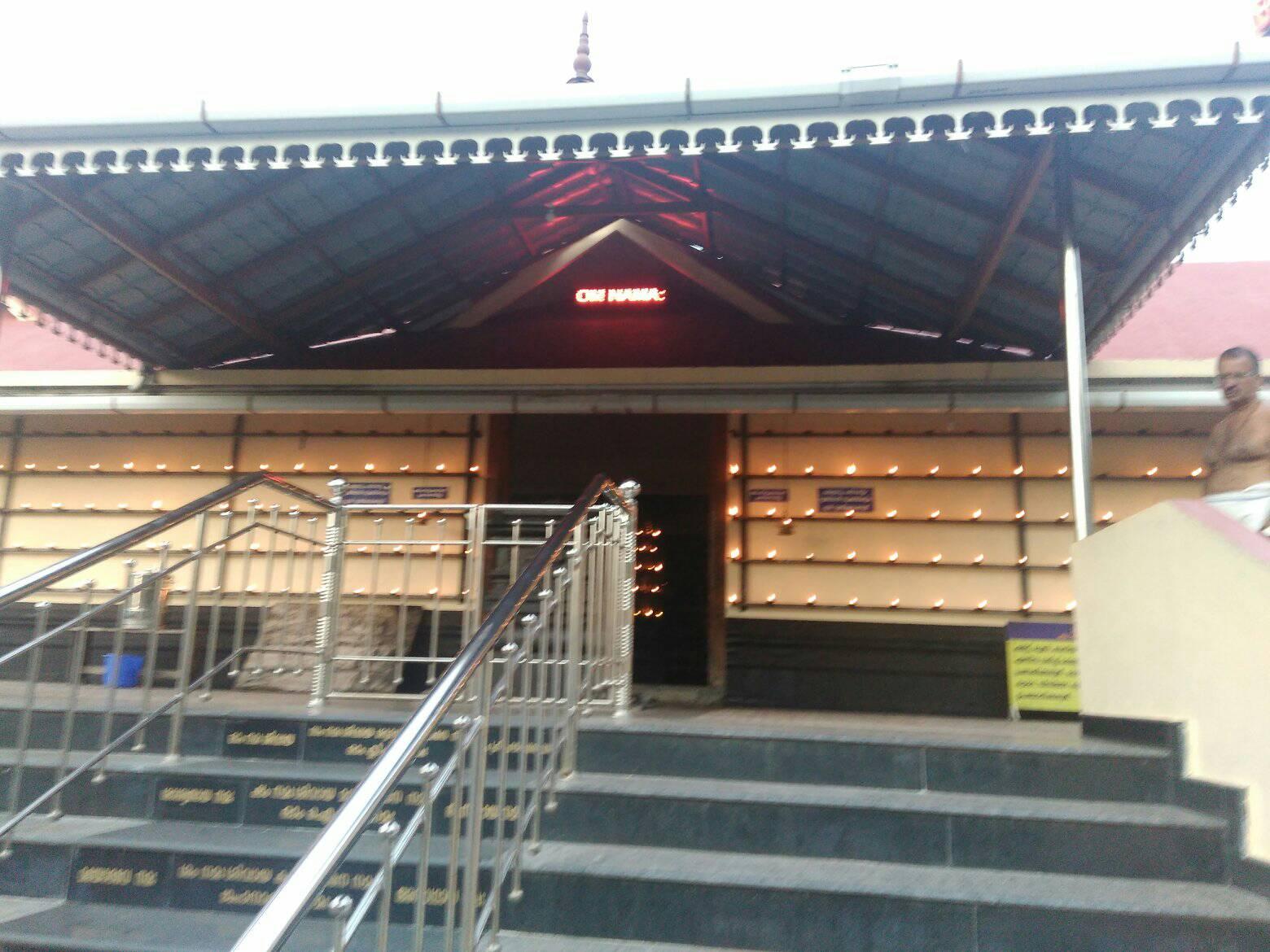
Keezhthali Siva Temple
Keezhthali Sree Mahadeva Temple is a historically significant Shiva temple in Tali village, Thrissur district, Kerala, housing one of the largest Shivalingams in Kerala and pion…
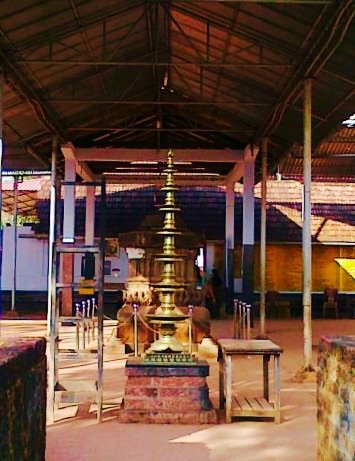
Vadeshwaram Temple
Vadeshwaram Temple is an ancient Shiva shrine located in Aroli, Kannur district, Kerala, believed to have been constructed approximately 1500 years ago. The temple is renowned f…

Kalarivathukkal Bhagavathy Temple
Kalarivathukkal Bhagavathy Temple, situated near the Valapattanam river in Kannur, Kerala, is dedicated to Bhadrakali and revered as the spiritual mother of the ancient martial…
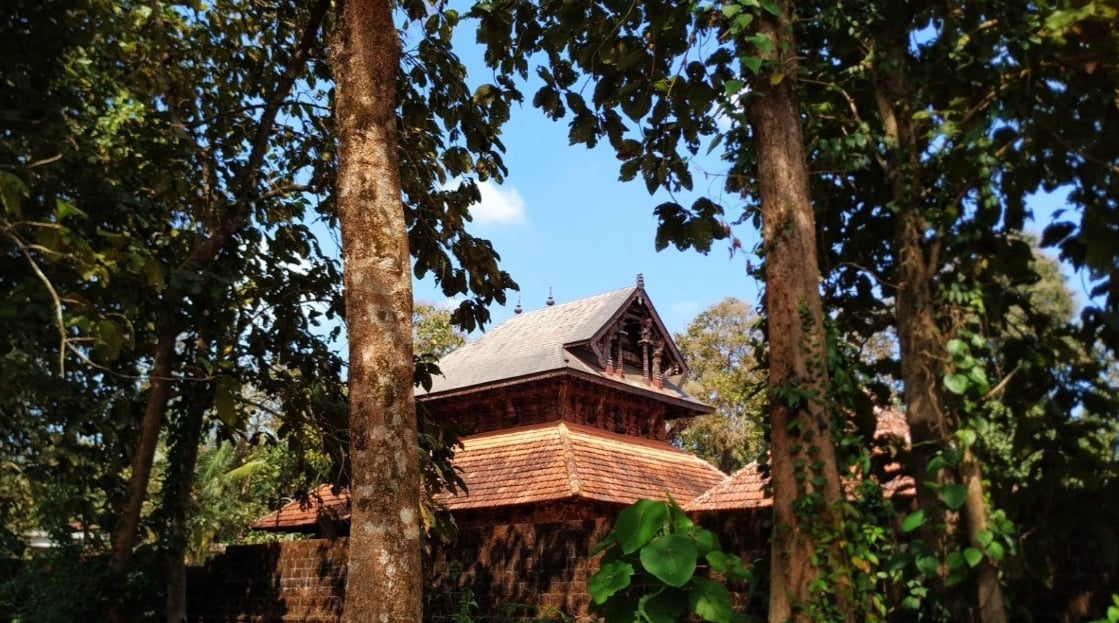
Makreri Subrahmanyaswamy Temple
Makreri Subrahmanyaswamy Temple in Kannur, Kerala is uniquely distinguished by Lord Hanuman serving as its chief priest, with the main deity being Lord Subrahmanya installed dur…