


Muthappan Temple
About Muthappan Temple
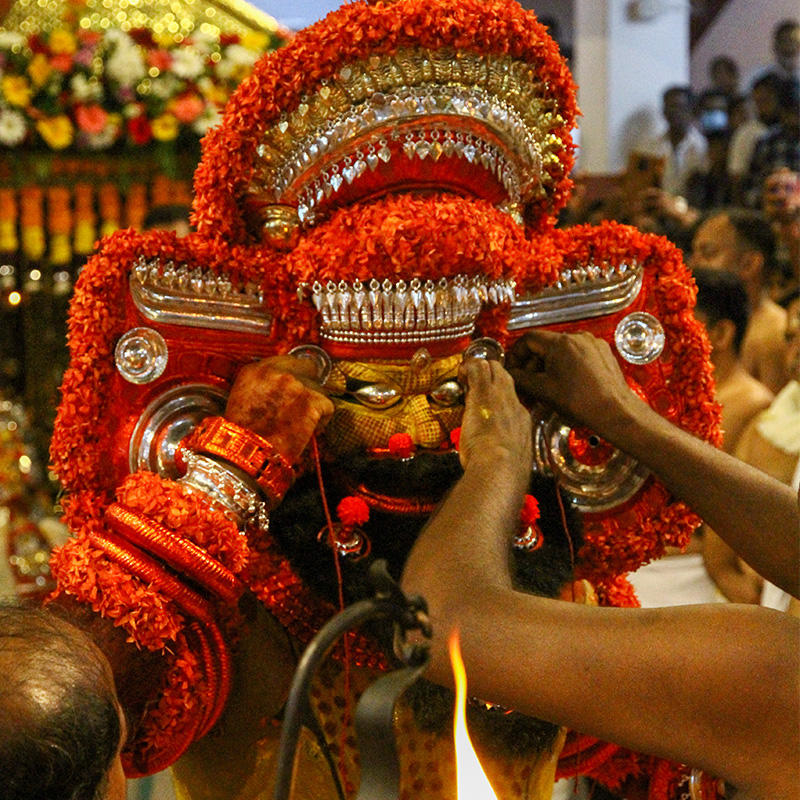
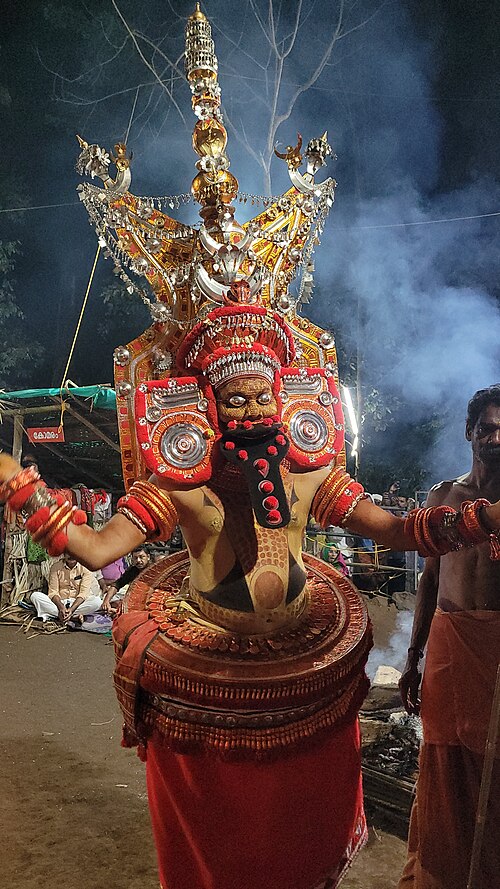
The temple opens for darshan from 05:30 in the morning until 22:00 at night. Two principal aartis structure the day: Thiruvappana begins at 05:30, followed by Vellattam at 06:30. Both rituals conclude by 08:30. These early morning hours represent the most significant time for ritual engagement at the temple, and visitors seeking to experience the theyyam enactments should plan to arrive well before dawn.
Prasadam is distributed from 07:30 until 20:00 daily. For all visitors, the temple offers tea, steamed beans, and a piece of coconut—a simple but genuine expression of hospitality. Those who make formal offerings receive additional prasadam that reflects Muthappan's distinctive character: boiled black gram, fish preparations, and toddy. These are not symbolic offerings but genuine expressions of devotion rooted in the lived reality of the communities who worship here. The temple also serves meals: lunch from 12:30 to 13:30, and dinner from 20:30 to 21:30.
Unconventional Offerings and Prasadam
Muthappan's worship breaks with the vegetarian orthodoxy that characterizes many Hindu temples. Devotees present toddy (palm wine) and roasted fish as offerings—substances that reflect the deity's identity as a god of hunters and working people rather than ascetics. The deity is depicted in hunter's attire, carrying a bow and arrow, embodying a form of divinity accessible to those whose lives centre on labour and sustenance rather than renunciation.
The prasadam distributed to those making formal offerings carries this same distinctive character. Fish dishes and toddy are offered alongside boiled black gram, making the temple's hospitality inseparable from its theological vision. This practice embodies a philosophy that every devotee is a guest deserving of care, and that offerings need not conform to brahminical standards to be genuine expressions of faith.
The Puthari Thiruvappana Festival
The temple's most significant annual observance is the Puthari Thiruvappana festival, which begins on Vrischikham 16 in the Malayalam calendar—typically December 1 or 2. This festival is rooted in the agricultural cycle of the region, celebrating the gratitude and joy of local people following their harvest season. "Puthari" refers to the gathered harvest itself, making this festival a convergence of spiritual devotion and economic livelihood. During the festival period, ritual schedules may be modified, and the temple draws increased numbers of devotees.
Visitor Information and Facilities
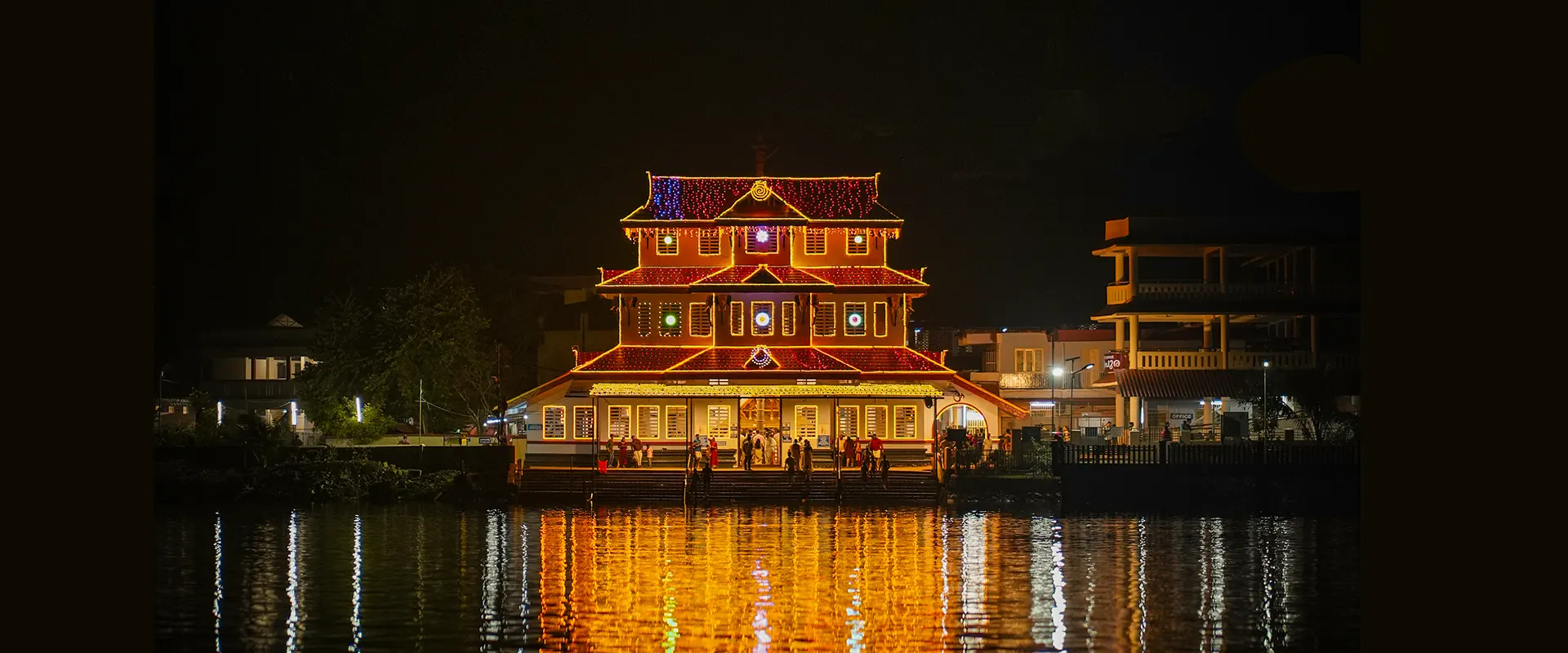
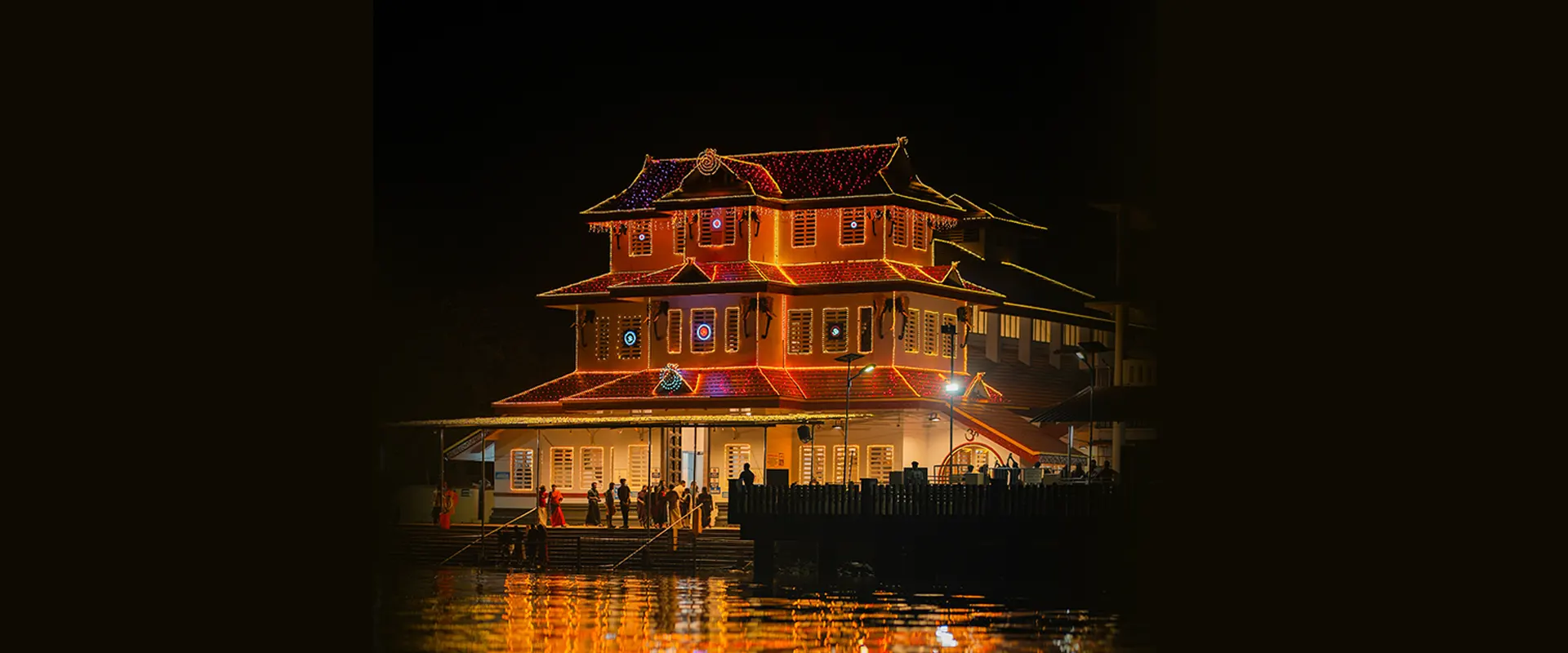
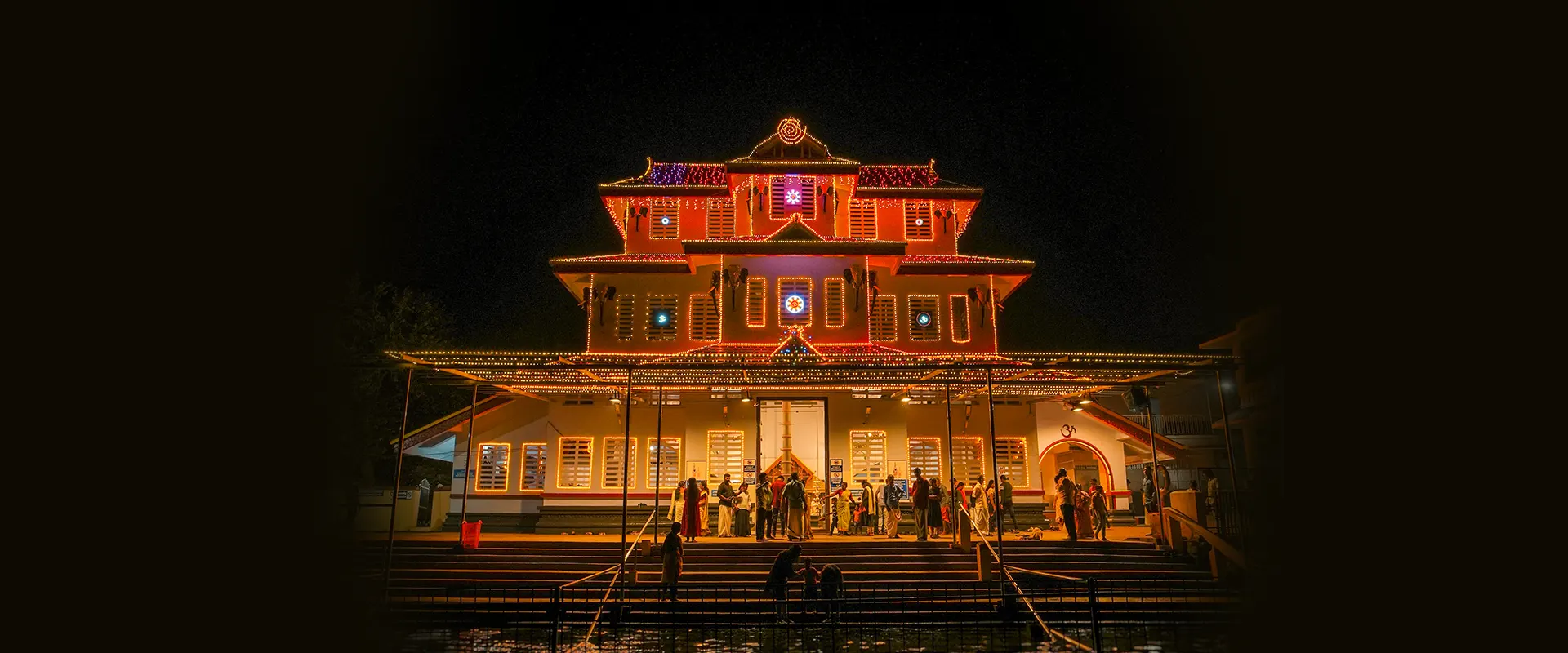
The best time to visit is between October and March, when the climate is most favourable. The temple is located at Parassinikadavu in Anthoor Municipality, approximately 10 kilometres from Taliparamba and 20 kilometres from Kannur town. The coordinates are 11.9825, 75.4021.
The temple provides free accommodation for all devotees in separate halls for men and women, with sleeping mats provided. A number of lodges run by the Madappura family also offer full accommodation facilities for those preferring private arrangements. The temple's approach to hospitality extends to all visitors: the Madappura family considers every devotee a guest, regardless of the duration of their stay or the offerings they make.
Visitors should be aware that this temple's practices and atmosphere differ significantly from more conventional Hindu temples. The presence of theyyam ritual, the acceptance of non-vegetarian offerings, and the emphasis on community hospitality create a distinctive spiritual environment rooted in the lived experience of working people rather than ascetic ideals.
How to reach
Temples near Muthappan Temple
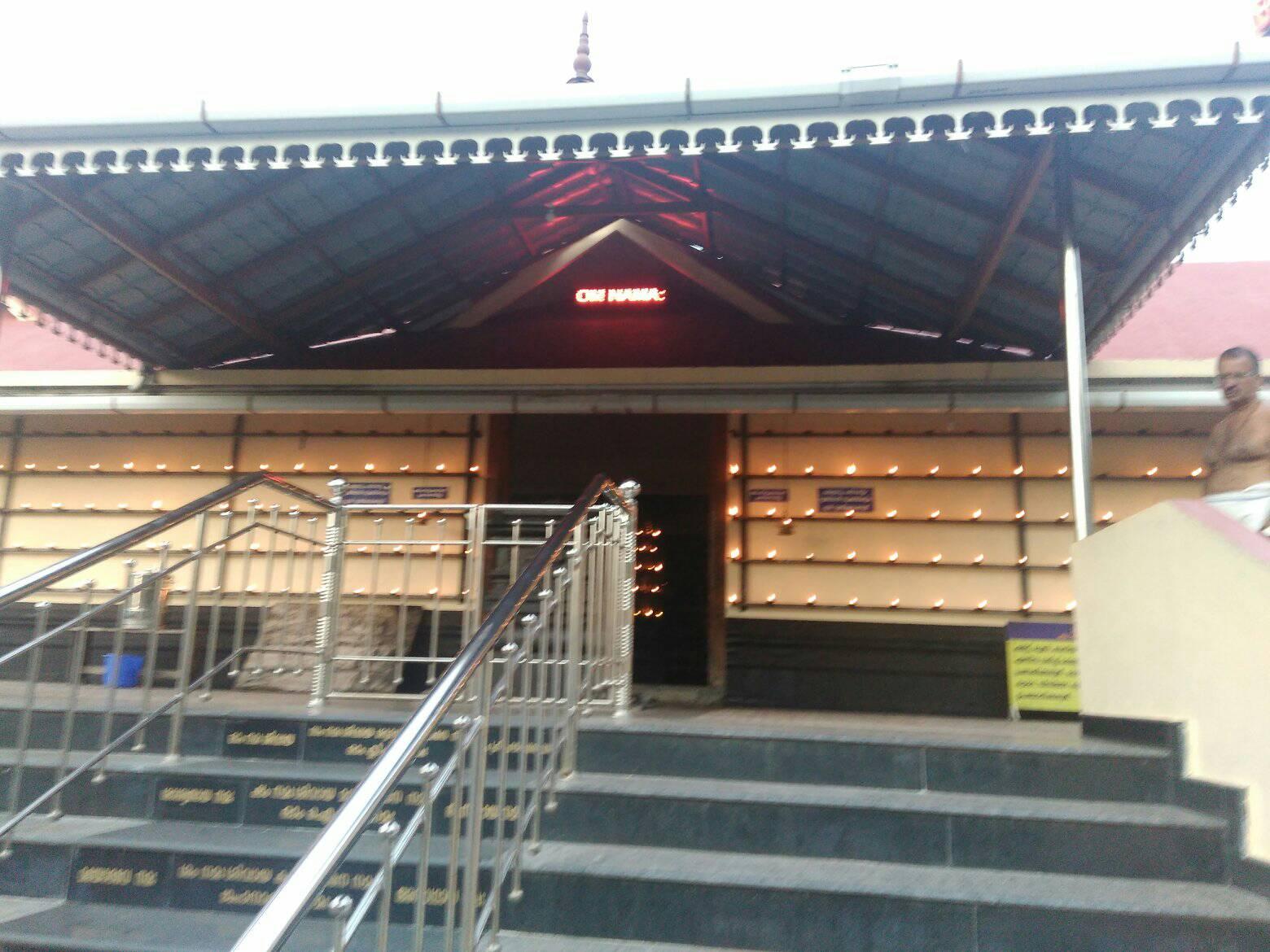
Kunnathoor Padi
Kunnathoor Padi is a historic shrine dedicated to Sree Muthappan, a folk Hindu deity, located atop Udumbumala in the Sahyadri mountains of Kannur, Kerala.
Keezhthali Siva Temple
Keezhthali Sree Mahadeva Temple is a historically significant Shiva temple in Tali village, Thrissur district, Kerala, housing one of the largest Shivalingams in Kerala and pion…
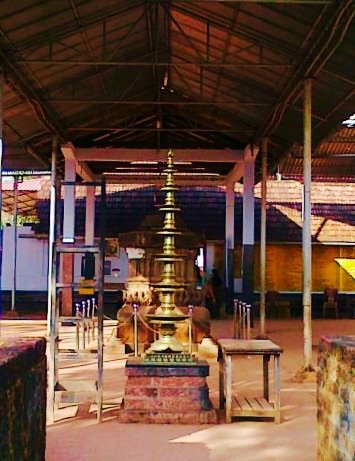
Vadeshwaram Temple
Vadeshwaram Temple is an ancient Shiva shrine located in Aroli, Kannur district, Kerala, believed to have been constructed approximately 1500 years ago. The temple is renowned f…
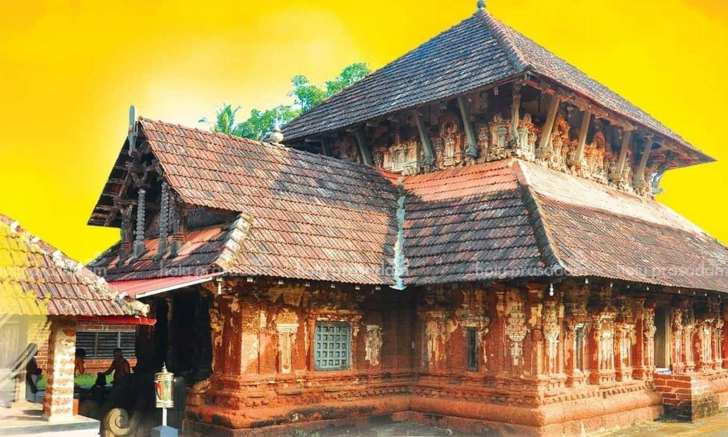
Subrahmanya Swamy Temple, Maniyoor
The Maniyoor Sree Subrahmanya Swamy Temple in Kannur district, Kerala, is believed to date to the 11th century and features architectural elements reflecting Chola-era design, p…
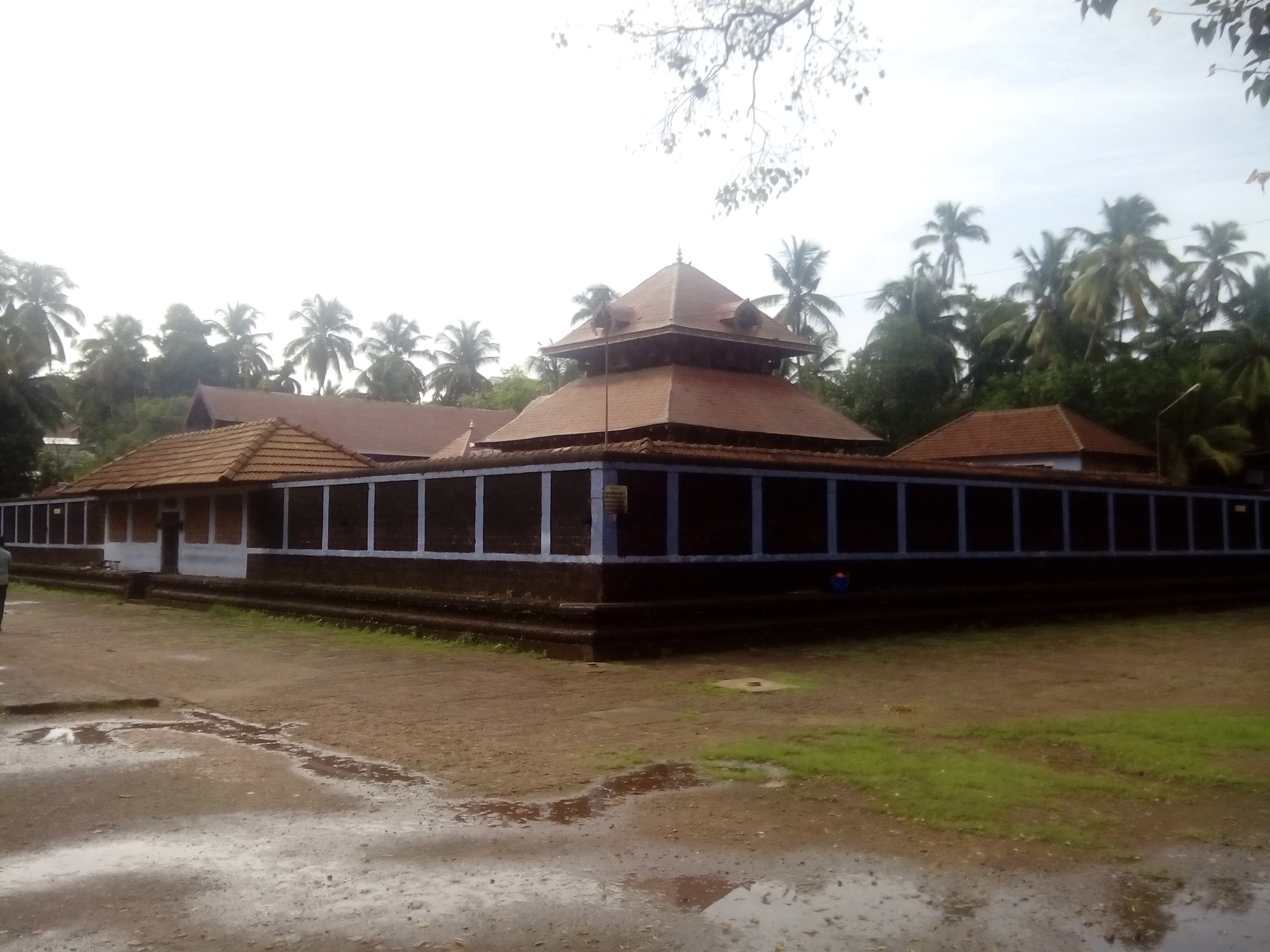
Trichambaram Temple
Trichambaram Temple in Taliparamba, Kannur district, Kerala, is a Krishna temple where the deity is worshipped in His Raudra posture following the Kamsavadham narrative. It hold…
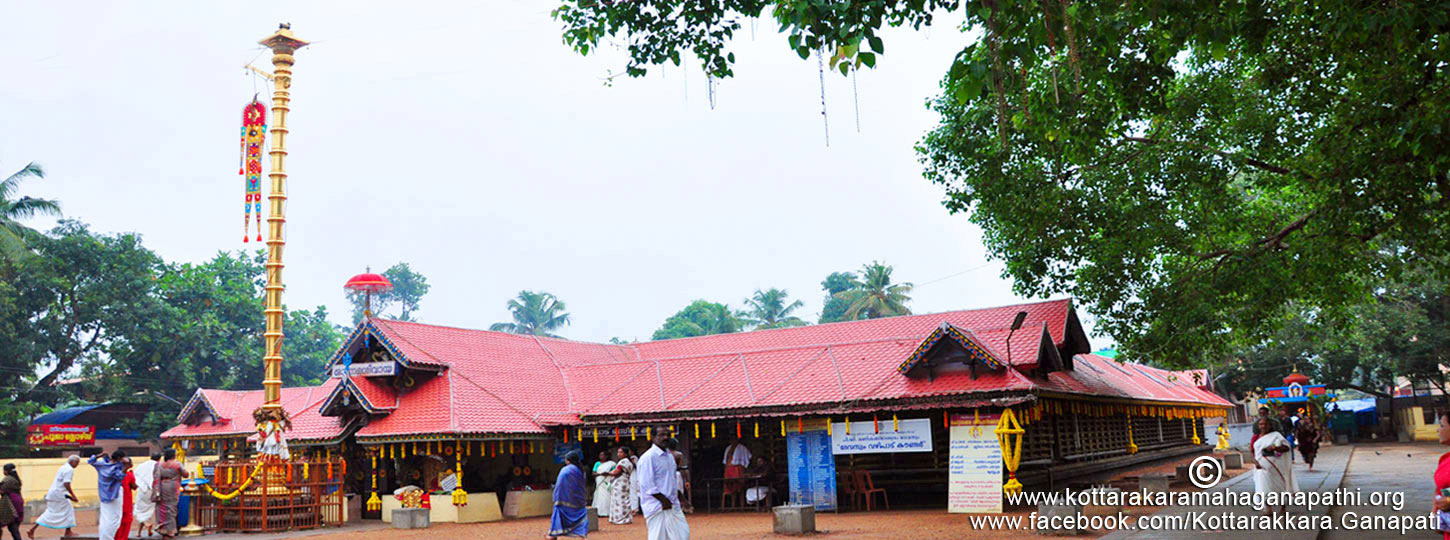
Pookoth Kottaram Kshethram
Pookoth Kottaram Kshethram is a Hindu temple located in Kannur District, Kerala, situated on Keezhatoor Road.