


Sri Mariamman Temple
About Sri Mariamman Temple
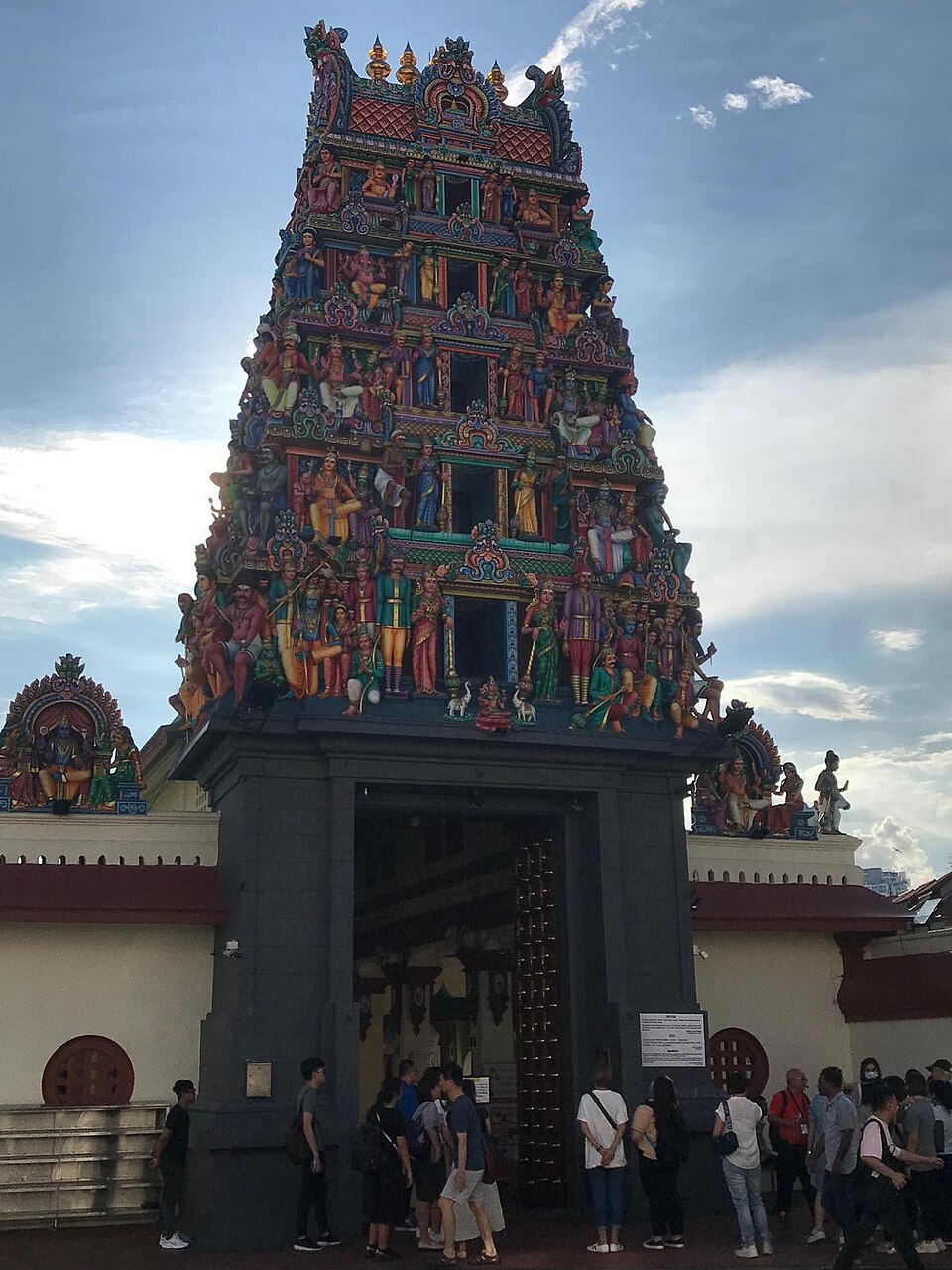
The temple exemplifies Dravidian architectural style, the classical temple tradition of South India. Its most distinctive feature is the ornate gopuram—the towering gateway structure characteristic of this architectural tradition. The temple's design reflects the aesthetic principles and sacred geometry typical of agamic temples, which follow the Agama scriptures in their construction and ritual practice. The building's presence in Chinatown, surrounded by the district's historic shophouses and narrow streets, creates a striking contrast between the temple's ornamental religious architecture and its urban surroundings.
Daily Worship and Rituals
The temple maintains a regular schedule of worship throughout the day. Morning puja begins at 06:00, welcoming devotees at the start of the day. A midday puja follows at 12:00, and the evening aarti takes place at 18:30. The temple is open from 06:00 to 12:00 in the morning and from 18:00 to 21:00 in the evening, allowing devotees flexibility in timing their visits. Beyond the main pujas, the temple offers archana—the recitation of the deity's names with flowers and camphor—available throughout the day for those wishing to make personal offerings. On auspicious days and during festivals, abhishekam (ceremonial bathing of the deity with milk, turmeric and sacred substances) is performed as part of the temple's ritual calendar.
Festivals and Sacred Observances
The temple's festival calendar brings particular vibrancy to the site at certain times of year. Theemithi, observed in October or November, is the temple's most renowned festival. During this event, devotees fulfil vows to Goddess Draupadi Amman by walking across a pit of glowing embers—a dramatic demonstration of faith that draws large crowds. Deepavali, the festival of lights, also falls in October or November and fills both the temple and the surrounding Chinatown area with lamps, special pujas and community gatherings. Navaratri, celebrated in September or October, honours the Goddess over nine nights with daily decorations, music and worship. These festivals transform the temple into a focal point for Singapore's Hindu community and attract visitors interested in witnessing these significant religious observances.
Visiting the Temple: Practical Information
The temple is accessible year-round, though the months of October and November offer the most vibrant experience due to the major festivals. Visitors should dress modestly, with shoulders and knees covered; wraps are provided for those who need them. Footwear must be removed before entering the temple. The site is well-served by public transport: Chinatown and Maxwell MRT stations are within a short walk, and the temple is also accessible by bus and taxi. From Singapore Changi Airport, approximately 20 kilometres away, visitors can reach the temple via the MRT system or other transport options. The temple's location in Chinatown makes it convenient to combine a visit with exploration of the historic district's other cultural and heritage sites.
Temple Services and Community Engagement
Sri Mariamman Temple, managed by the Hindu Endowments Board, welcomes both devotees and visitors. The temple offers various services including archanai (offerings), and invites public participation in its community initiatives. Those wishing to contribute can donate or volunteer with the temple. The site includes facilities such as a dining hall and function room. For specific inquiries about services, timings on particular days, or festival schedules, visitors can contact the temple directly or consult their website, as aarti timings may vary on festival days.
How to reach


Temples near Sri Mariamman Temple

Sri Layan Sithi Vinayagar Temple
Sri Layan Sithi Vinayagar Temple, established in 1925 in Singapore's Chinatown, is a Hindu temple dedicated to Ganesha (Vinayagar) and managed by the Chettiars' Temple Society.

Sri Thendayuthapani Temple
Sri Thendayuthapani Temple, established in 1859 by the Chettiars at Tank Road, is one of Singapore's most significant Hindu monuments dedicated to Lord Murugan. Designated a Nat…

Sri Krishnan Temple
Sri Krishnan Temple, established in 1870, is Singapore's only Tamil temple dedicated to Lord Krishna and his consort Rukmini, and serves as a national monument exemplifying the…

Sri Veeramakaliamman Temple
Sri Veeramakaliamman Temple in Singapore's Little India is a historic Hindu shrine originally established in 1855 and formally constructed in 1881, dedicated to the goddesses Ka…

Sri Ruthra Kaliamman Temple
Sri Ruthra Kaliamman Temple in Bukit Merah, Singapore, is a Hindu temple dedicated to the goddess Kali, with daily worship sessions and celebrations of major festivals throughou…

Sri Srinivasa Perumal Temple
Sri Srinivasa Perumal Temple is one of Singapore's oldest temples, established in 1855 by early Tamil-speaking Indian settlers in Little India. Dedicated to Lord Vishnu, it feat…