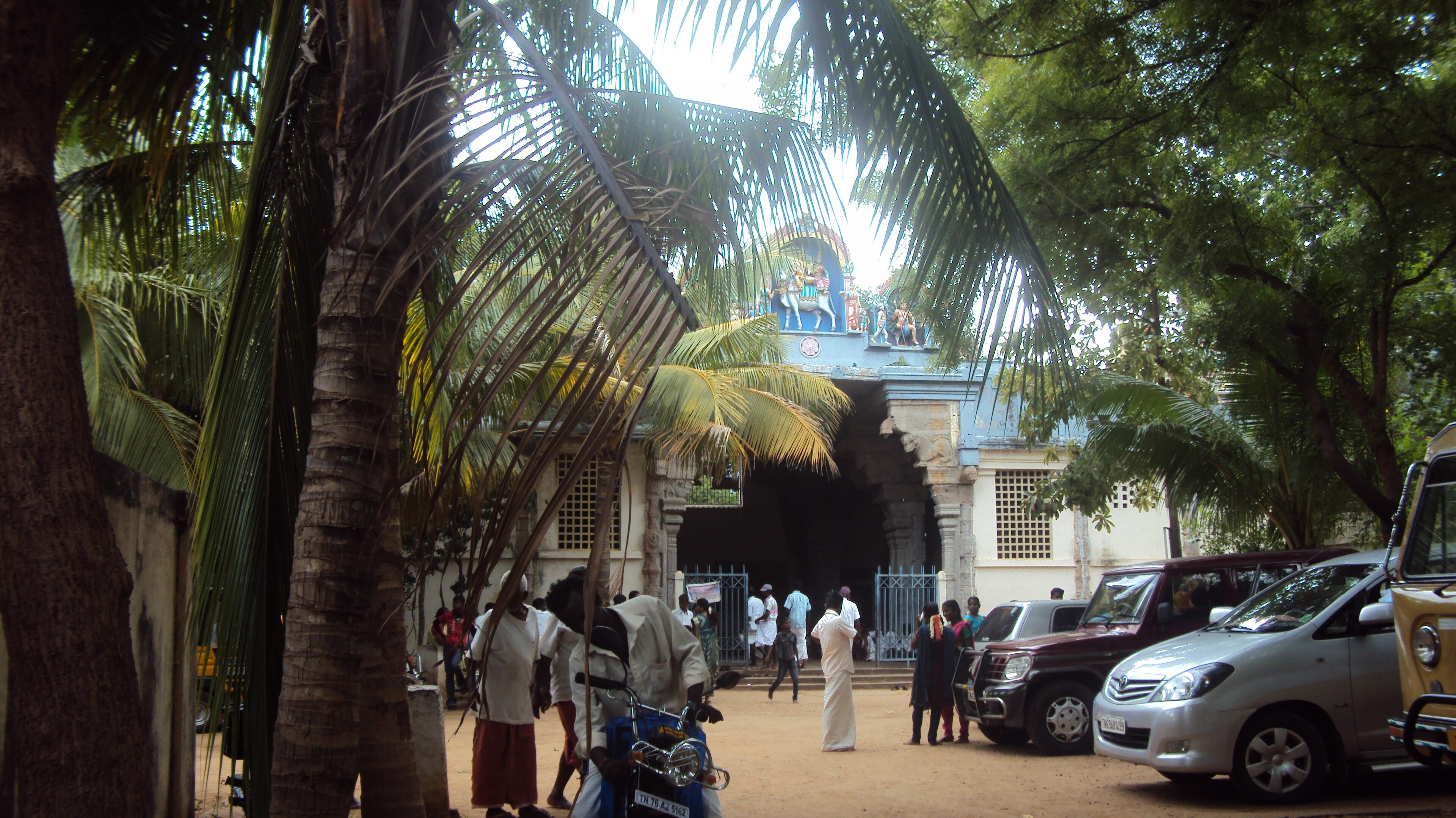
Sivasailam Temple
About Sivasailam Temple
The temple operates according to a daily schedule that serves both early morning and evening worship. Darshan—the viewing of the deity—takes place during morning hours and again in the evening, with aarti (ritual worship involving light) occurring at regular intervals throughout the day. Specific timings should be confirmed directly with the temple before your visit, as schedules may shift with the seasons or for maintenance work.
Morning hours typically draw fewer crowds than afternoons and evenings, making them preferable for a more contemplative experience. Visitors should allow time for queuing, particularly on weekends and festival days when attendance rises noticeably. Evening visits offer the opportunity to witness aarti, an important ritual in Shiva worship traditions.
Major Festivals
Four significant festivals draw larger numbers of devotees to Sivasailam Temple throughout the year. Makar Sankranti, observed on 14 January, marks the sun's transition into Capricorn and is celebrated as a harvest festival across Hindu communities. Kartik Purnima falls on 24 November and is a full moon day of particular importance at Shiva temples. Sharad Navaratri occurs on 11 October and is observed across Hindu temples with special rituals. Ugadi or Gudi Padwa, celebrated on 19 March, marks the new year in several Hindu calendars.
On festival days, the temple receives substantially increased visitors and features more elaborate decoration. If you prefer a quieter, less crowded experience, weekdays outside these festival periods are advisable. Planning your visit around these dates allows you to choose between the heightened spiritual atmosphere of festival observance or the calmer environment of regular worship days.
Visiting Practicalities
Sivasailam Temple is located at coordinates 8.78111111°N, 77.34277778°E. The site is accessible by road; use these coordinates or the village name with local directions for navigation. The temple is approximately 3 miles from Alwarkurichi, which can serve as a reference point for travel planning.
Temples dedicated to Shiva typically require modest dress—covering shoulders and knees is standard practice. Footwear is generally removed before entering the inner sanctum. Specific rules regarding photography, offerings, or ritual participation should be confirmed with temple staff upon arrival, as these vary by shrine. Allow adequate time for your visit, particularly if you wish to participate in aarti or spend time in contemplation.
The Vaippu Sthalams Tradition
Sivasailam Temple's designation as one of the Vaippu Sthalams places it within a specific devotional framework of Tamil Shaivism. This classification identifies it as a shrine of established religious and cultural significance within the broader network of sacred Shiva sites in Tamil Nadu. The temple's location within the Western Ghats region, combined with its riverside setting, reflects the traditional association of Shiva worship with natural landscapes of water and mountain.
The inscriptions preserved on the temple structure provide historical documentation of its religious life and may record details of patronage, ritual practice, or community involvement across centuries. These records anchor the temple within the lived history of the region and its devotional communities.
Planning Your Visit
Weekdays outside the four major festival periods offer the most accessible visiting conditions, with shorter queues and a quieter atmosphere. If attending during Makar Sankranti, Kartik Purnima, Sharad Navaratri, or Ugadi, expect larger crowds and plan accordingly. Early morning visits generally provide a less congested experience than afternoon or evening hours.
Before traveling, confirm current darshan timings directly with the temple, as schedules may vary seasonally. The site's location near Alwarkurichi makes it accessible as part of a broader exploration of Tenkasi District's religious and natural heritage. The combination of river, mountain, and forest setting offers a distinctive context for worship that reflects the traditional integration of Shiva temples within the natural landscape.
How to reach
Temples near Sivasailam Temple
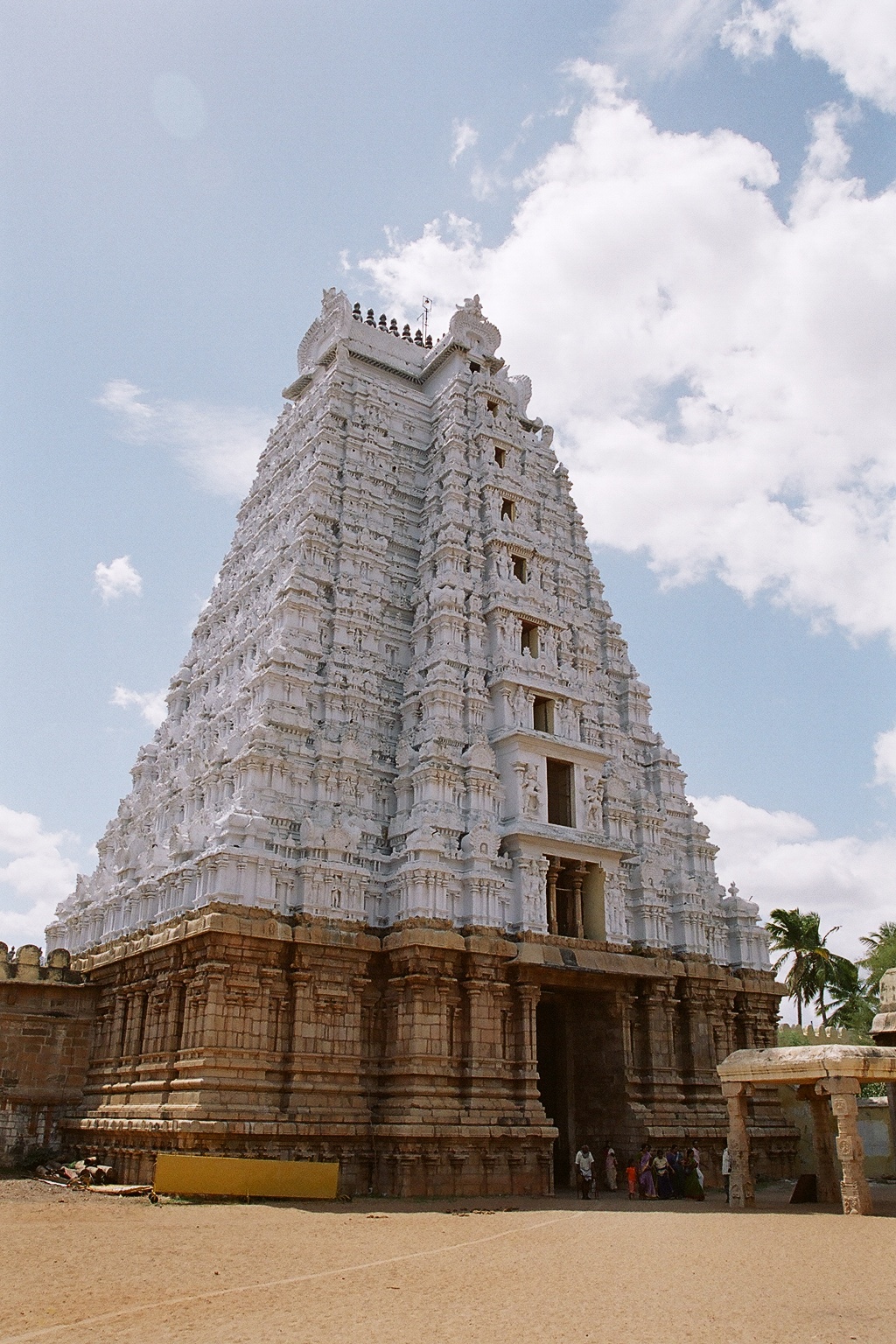
Vanniappar Temple
Vanniappar Temple in Azwarkuruchi Village, Tirunelveli District, is an ancient shrine nearly 1000 years old that is currently undergoing slow restoration efforts by devoted vill…
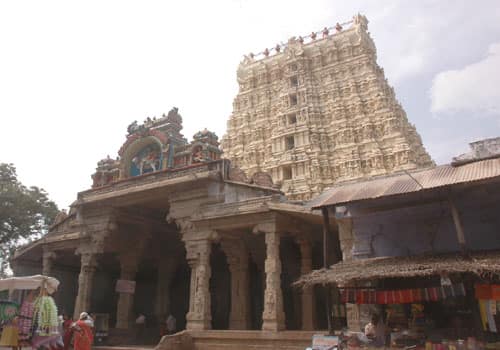
Papanasanathar Temple
Papanasanathar Temple in Papanasam, Tirunelveli district, is an ancient Shiva shrine on the banks of the Thamirabarani River, revered for its spiritual significance in cleansing…

Valivalam Manathunainathar Temple
Valivalam Manathunainathar Temple is an ancient Shiva shrine in Nagapattinam district, Tamil Nadu, revered as one of the 275 Paadal Petra Sthalams praised by the three principal…
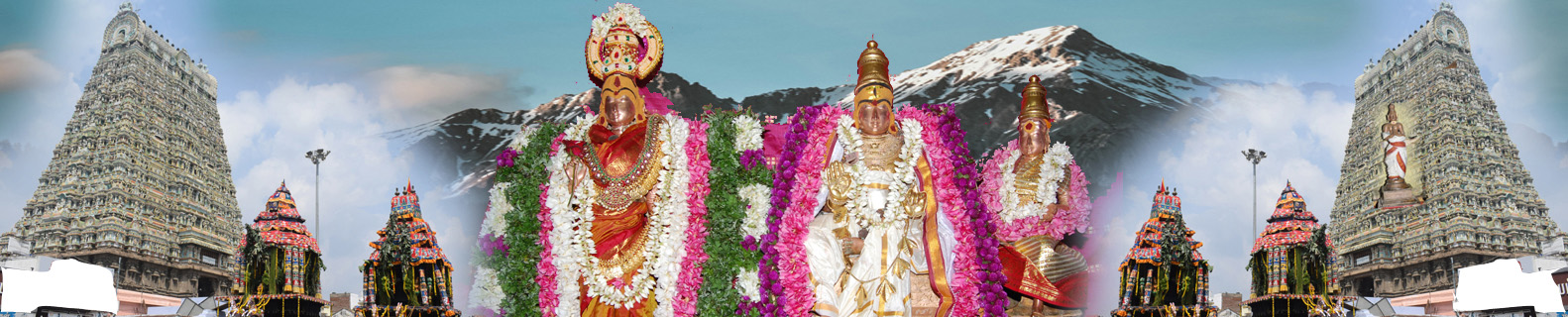
Kasi Viswanathar temple, Tenkasi
Kasi Viswanathar Temple in Tenkasi is a 13th-century Dravidian-style shrine dedicated to Shiva, featuring a nine-tiered Rajagopuram and housing the sacred Kasi Theertham tank ce…
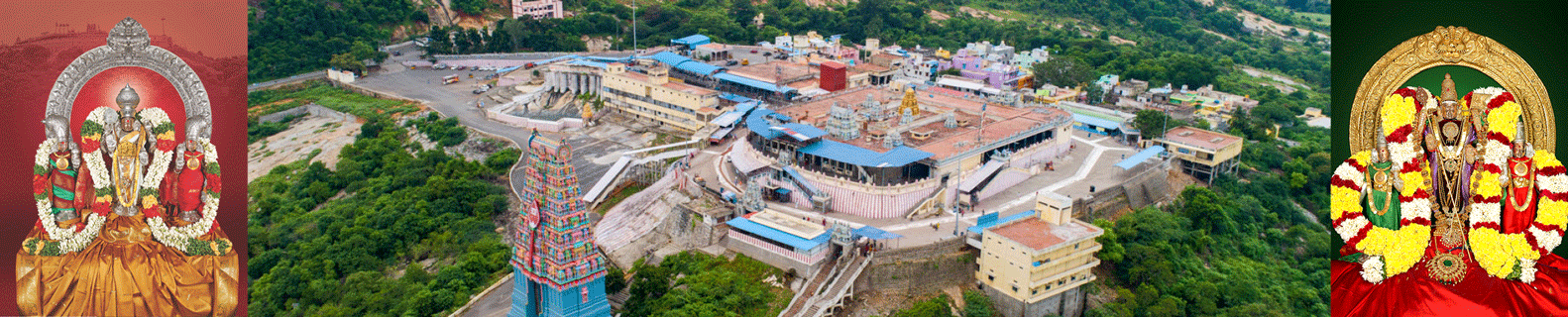
Thirumalaikoil
Arulmigu Subramanyaswamy Temple in Malaikoil, Tiruttani is an ancient shrine dedicated to Lord Muruga, revered as his fifth celestial abode. This Dravidian architectural gem dat…
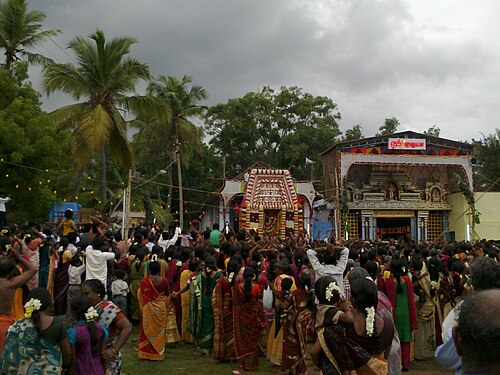
Ayikudi Balasubramanya Swami Temple
The Ayikudi Balasubramanya Swami Temple is a small Hindu shrine in Thirunelveli district, Tamil Nadu, dedicated to Murugan (Balasubramanya). The temple is notable for its venera…