Papanasanathar Temple
About Papanasanathar Temple
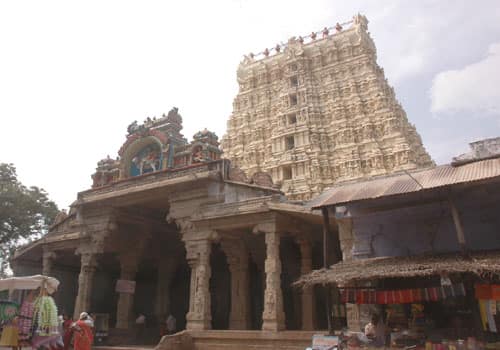
The temple's foundations reach back to the Pandya period, one of South India's classical dynasties. Historical records indicate that King Chandrakula Pandya established the temple, which was later renovated by rulers of the Vijayanagar and Nayak kingdoms. This layered history of patronage reflects the temple's enduring importance across centuries. The structure exemplifies Dravidian architectural principles, with three distinct precincts arranged in the traditional manner. The temple's design integrates seamlessly with its riverside location, creating a space where sacred architecture and natural landscape complement one another.
Daily Worship and Darshan
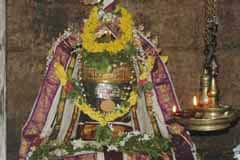
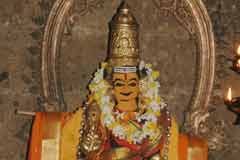
The temple maintains regular daily timings: 6:00 AM to 1:00 PM in the morning, and 4:00 PM to 8:30 PM in the evening. Four principal aartis (ritual worship ceremonies) structure the day: Kaalasanthi at 8:30 AM, Uchikaalam at 11:00 AM, Sayaratcha at 6:00 PM, and Arthasaamam at 8:00 PM. Devotees can participate in free darshan or opt for special darshan at a nominal fee of 20 rupees, with VIP darshan also available. The temple conducts poojas in Tamil, including traditional rituals such as abhishekam (ritual bathing) of Ulagammai and ceremonies like Pallaiari and Palliyellu. Prasadams distributed to devotees include turmeric water from the Goddess's abhishekam and vibhuti (sacred ash).
Festivals and Celebrations
The temple observes several significant festivals throughout the year. Chithirai Peruvila, the Agasthya Wedding Festival, and Brahmmotsavam occur during April–May, while Thaipoosam falls in January–February. During festival seasons, the temple distributes annadanam (ritual food offering) to devotees and pilgrims. These celebrations draw larger crowds and create an especially vibrant atmosphere for worship and community gathering.
Visiting: Timings, Dress, and Etiquette
The best time to visit is during morning hours between 8 AM and 12 PM, or during the winter months from November to February when the climate is more comfortable. The temple observes a traditional dress code: men should wear a dhoti with a shirt or kurta, while women are expected to wear a saree, chudidar with dupatta, or long skirts. This dress code reflects the temple's traditional character and is standard practice in many Hindu temples. Visitors should plan their visit around the darshan timings and be prepared for the possibility that schedules may shift during festivals or seasonal changes.
Getting There and Nearby Facilities
Papanasam lies approximately 60 km west of Tirunelveli city. From Tirunelveli, travel west on State Highway 178 through Ambasamudram to reach Papanasam village; the temple is located near the riverbank and is signposted. Direct buses operate from Tirunelveli New Bus Stand, and taxis or autos can be hired from Ambasamudram or Tirunelveli. The nearest railway stations are Ambasamudram (10 km away) and Tirunelveli Junction (50 km away). For air travel, Tuticorin Airport lies 90 km away, and Thiruvananthapuram International Airport is 130 km distant. Accommodation options include Papanasam Thamirabarani Lodge, TN Tourism Hotel, and various budget hotels and guesthouses in Ambasamudram and near the waterfall area.
Nearby Attractions
Agasthiyar Falls, located 3 km from the temple, offers a natural complement to a temple visit. The waterfall and surrounding landscape provide a scenic setting for those wishing to extend their time in the area beyond the temple itself.
How to reach

You may also visit
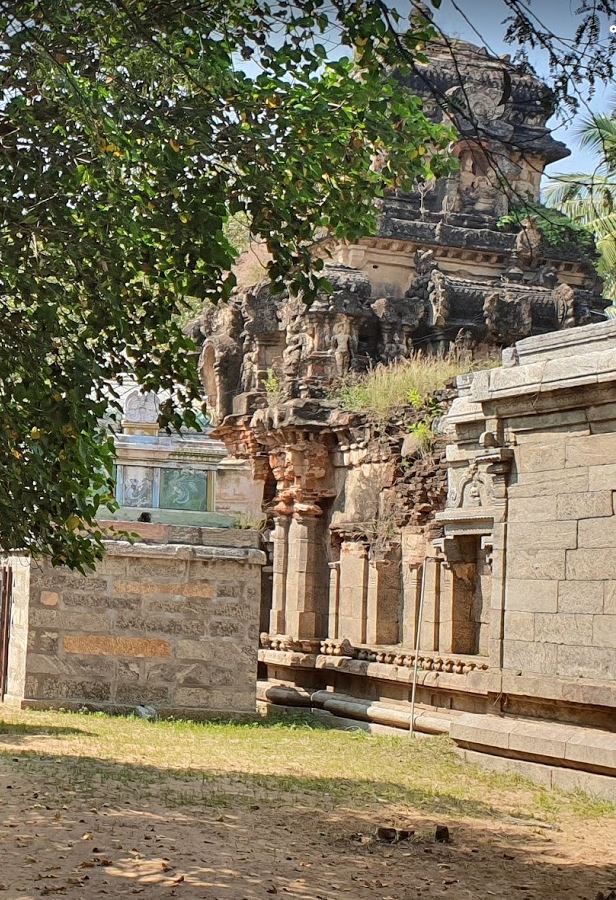
Agatheeswarar Temple, Karur
Agatheeswarar Temple in Thirumukkudalur, Karur district, is an ancient Hindu shrine dedicated to Shiva, situated at the sacred confluence of three rivers and believed to be over 1000 years old.
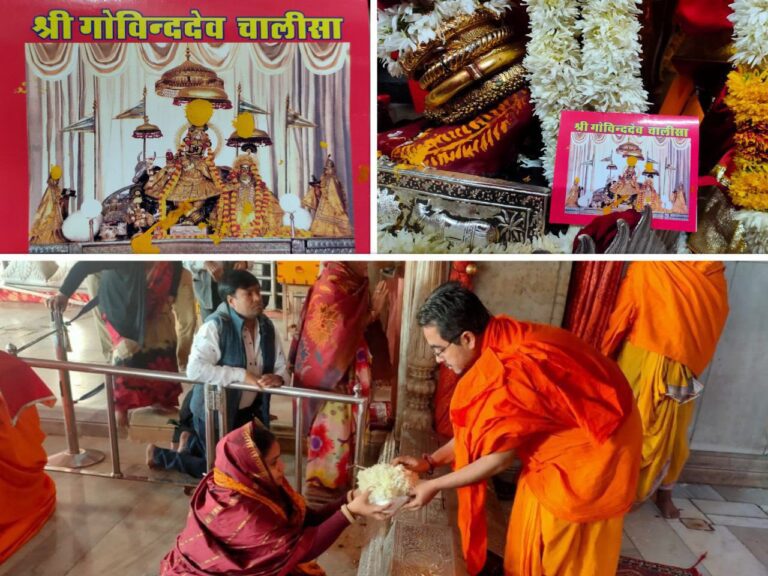
Kalyanji Temple
Kalyanji Temple in Jaipur's Chandpol Bazaar is an ancient Krishna shrine established in the 1820s, renowned for its seven daily aartis and special avatar darshan ceremonies during Akha Teej and Patottsav festivals.
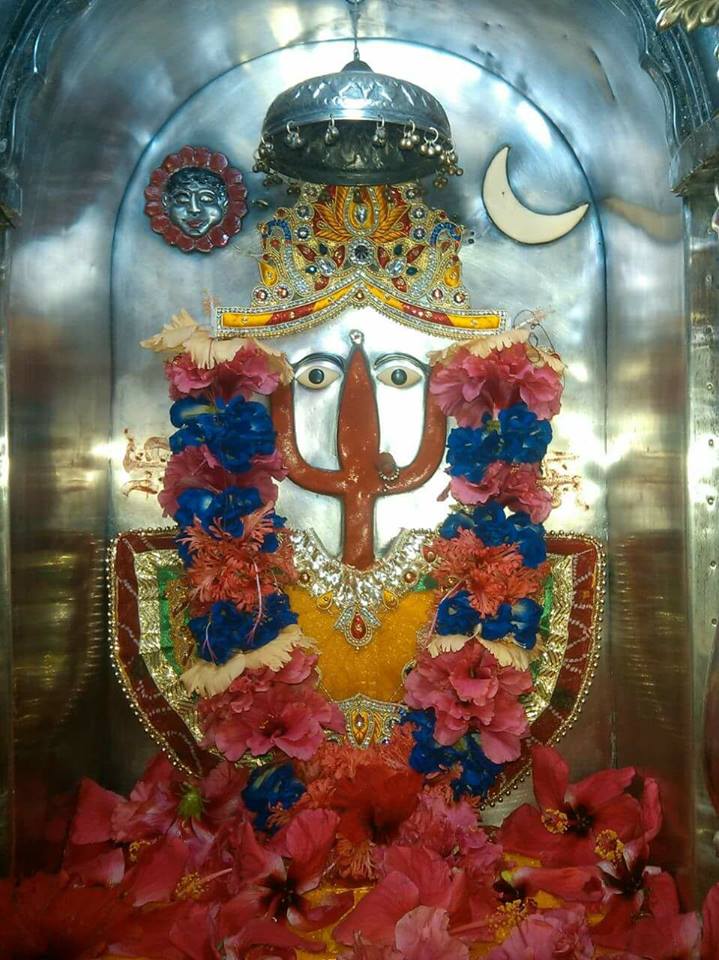
Rani Sati Mandir Mahuda
Rani Sati Mandir in Mahuda, Dhanbad District, is a Hindu temple established in 1992 that serves as a spiritual center for the local community and attracts devotees seeking blessings.