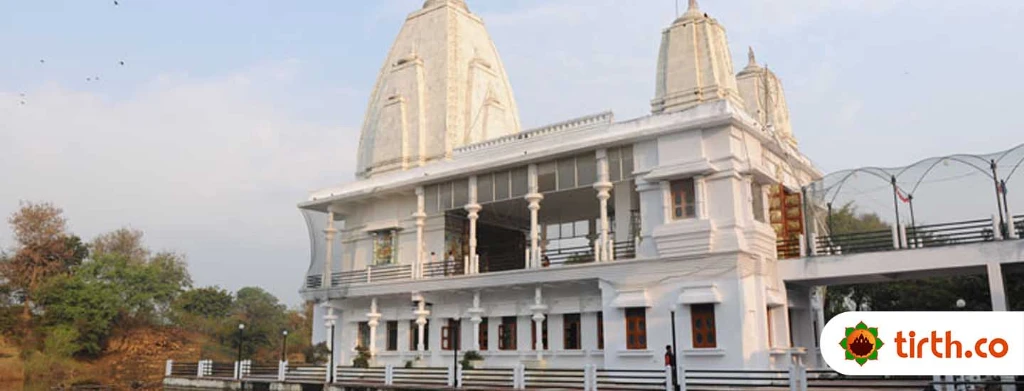
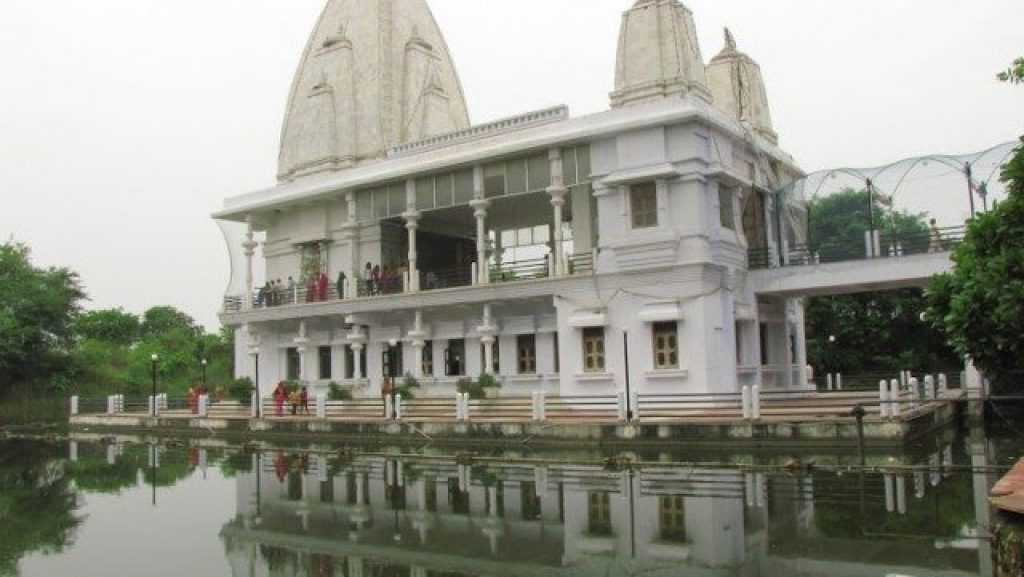
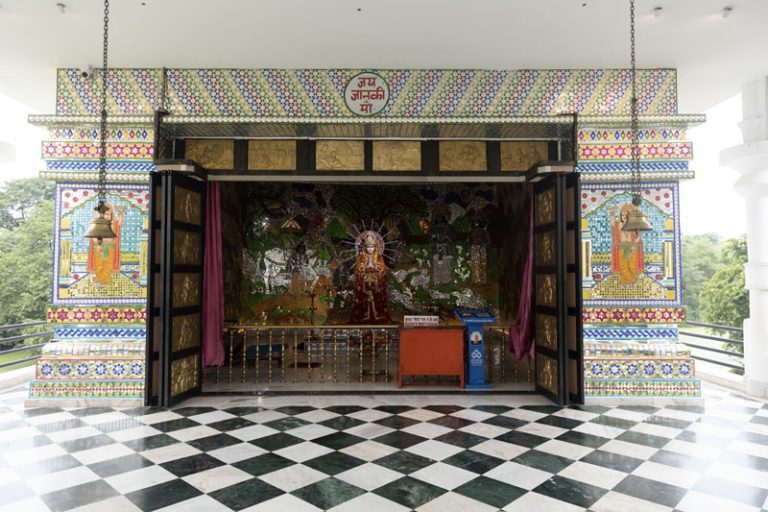
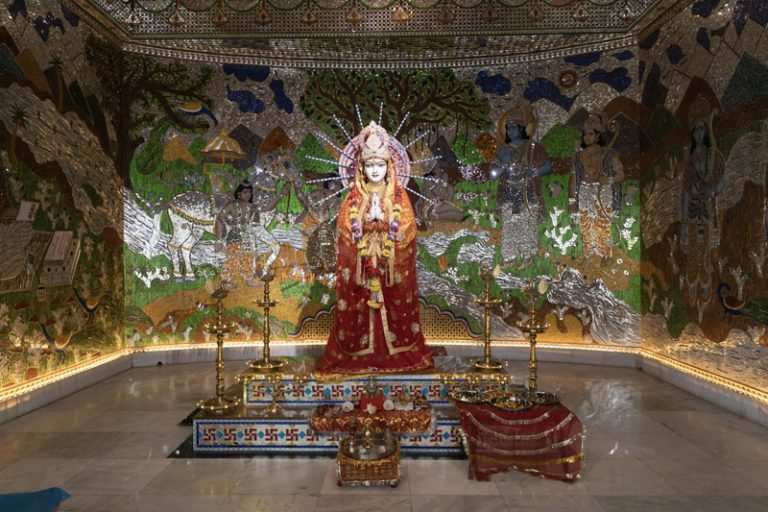
Sita Samahit Sthal
About Sita Samahit Sthal
According to the sources, the temple's significance is rooted in events from the Ramayana. Sita spent her years of exile in the forest near this site, where she also gave birth to her two sons, Luv and Kush. These sons grew to become formidable warriors who famously defeated an entire army sent by Lord Rama to the region. When Rama eventually learned the identity of these warriors as his own sons, Sita chose to immerse herself into the earth rather than return to the kingdom. The temple was subsequently built at this sacred spot to commemorate this pivotal moment in the goddess's story.
This narrative underscores themes central to Sita's character: her resilience during exile, her role as a mother, and her ultimate spiritual transcendence. For pilgrims, the temple represents not merely a historical site but a living connection to these sacred events.
Daily Darshan and Rituals
The temple opens for darshan in two sessions: morning hours from 6:00 AM to 12:00 PM, and evening hours from 4:00 PM to 9:00 PM. Both sessions include formal aartis—the ritual of offering light to the deity. The morning and evening aartis mark the primary moments of congregational worship, when devotees gather to participate in these ceremonies.
Visitors should note that exact timings may vary with seasonal changes and festival observances, so confirming the schedule in advance is advisable. The temple can be reached through the Dharmik Darshan coordination service, which assists with arrangements and can provide current timing information via WhatsApp (+91 92203 52244) or email.
Best Time to Visit
The optimal season for visiting Sita Samahit Sthal extends from October through March, when the climate in Bihar is cooler and more comfortable for pilgrimage. During these months, the weather supports extended time at the temple without the intensity of the summer heat. Pilgrims planning their journey should consider this window for the most pleasant experience.
Practical Information for Visitors
Located in Sitamarhi district in Bihar, the temple's coordinates are 25.24055556, 82.33277778. Visitors should plan for approximately one to two hours at the site. As with most Hindu temples, modest dress is appropriate—covering shoulders and knees is customary. Footwear is typically removed before entering the inner sanctum, and photography policies should be confirmed upon arrival.
The Dharmik Darshan service offers assistance for those seeking VIP darshan slots, specific rituals, or transport arrangements through official temple channels. This service can be particularly helpful for visitors unfamiliar with local logistics or those wishing to coordinate special observances during their visit.
Reaching the Temple
Sitamarhi is accessible by road from major cities in Bihar and neighboring states. Visitors traveling from other regions should arrange transport in advance, particularly if arriving during peak pilgrimage seasons. The Dharmik Darshan coordination team can assist with travel planning and accommodation guidance for those requiring such support.
How to reach
Temples near Sita Samahit Sthal

Baba Gangeshwarnath Dham
Baba Baidyanath Dham in Deoghar, Jharkhand, is the 9th of the twelve sacred Jyotirlingas of Lord Shiva, uniquely recognized as both a Jyotirlinga and Shakti Peetha. The temple d…
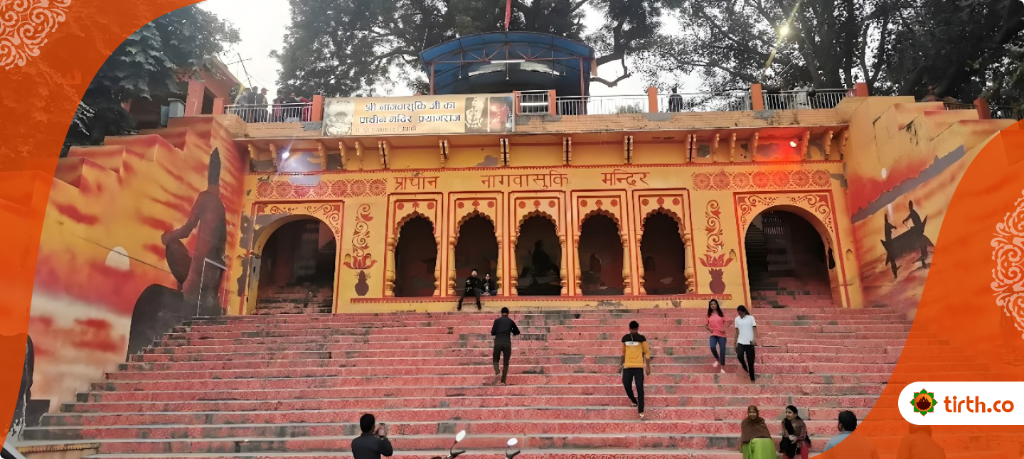
Nagvasuki Temple
Nagvasuki Temple in Prayagraj is dedicated to Vasuki, the serpent king of Hindu mythology, and sits on the banks of the Ganga River in the sacred Daraganj area.
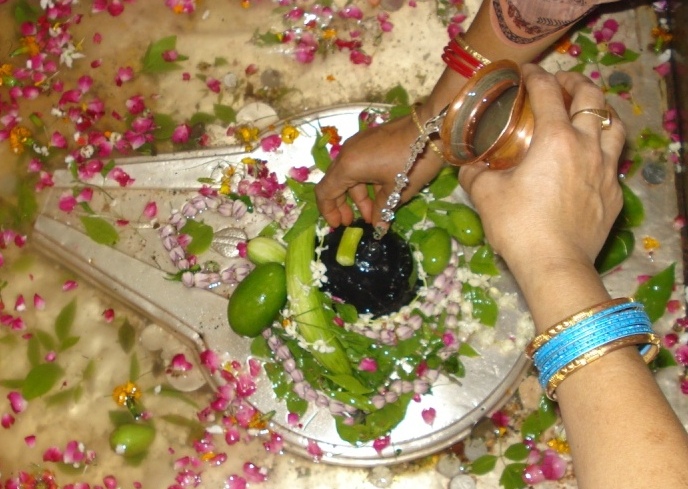
Trilochan Mahadev Temple
Trilochan Mahadev Temple is an ancient Hindu shrine dedicated to Lord Shiva, located in the sacred ghat district of Varanasi, Uttar Pradesh. The presiding deity Trilochan, meani…
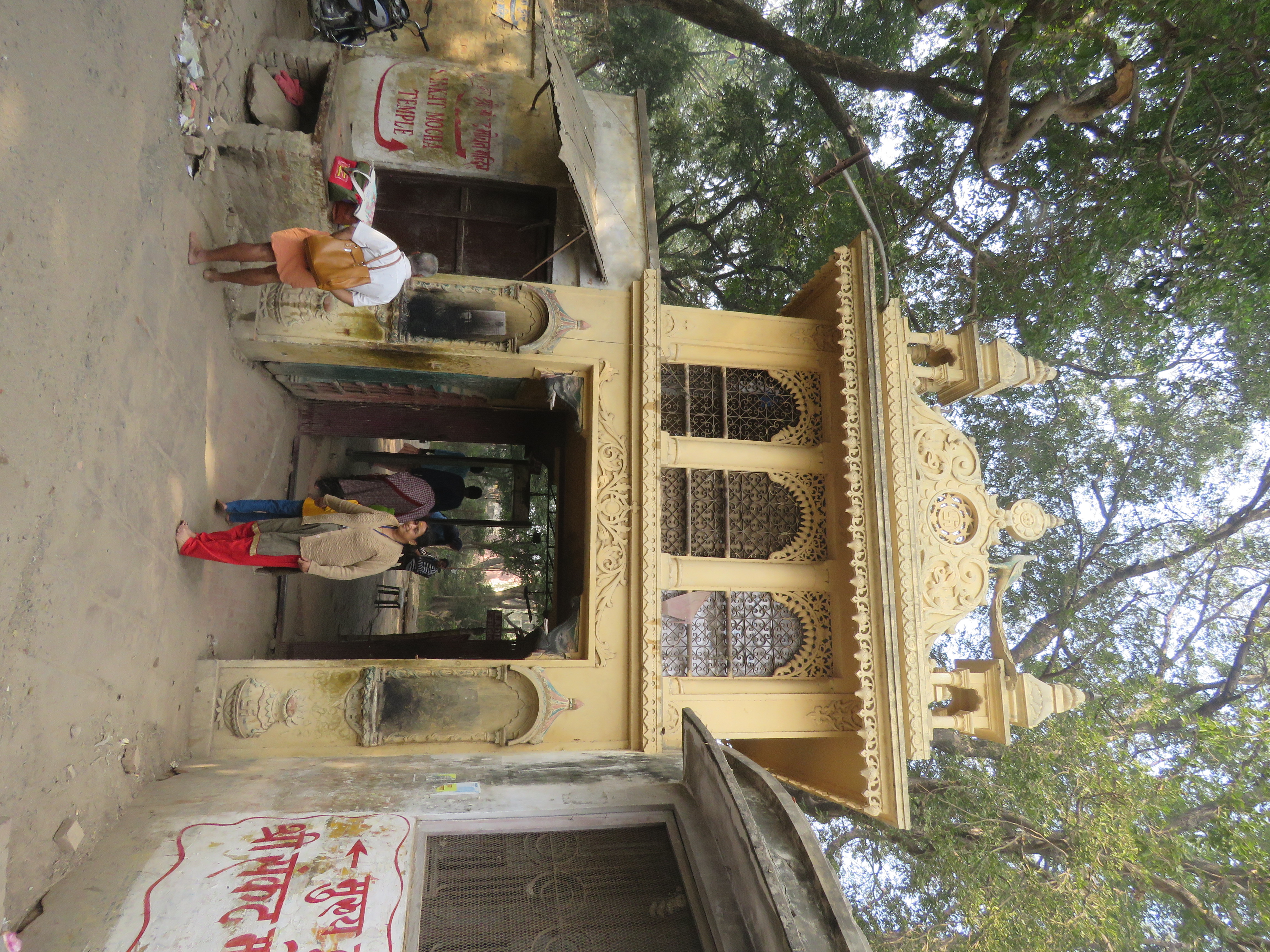
Hanuman Temple
The Sankat Mochan Hanuman Temple in Varanasi is a revered shrine established by poet-saint Tulsidas in the early 16th century, dedicated to Lord Hanuman as the remover of troubl…
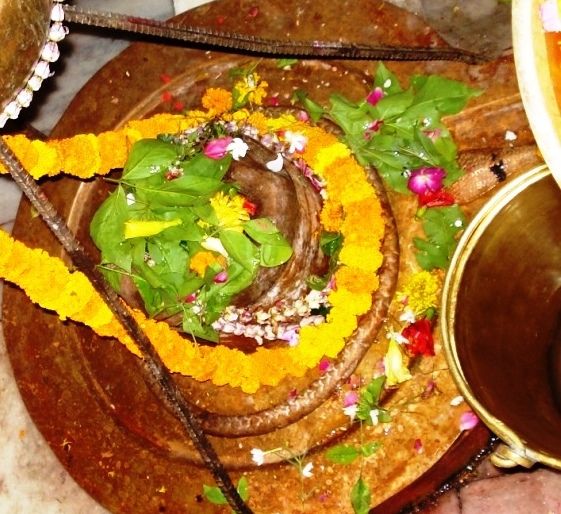
Kardmeshwar Temple
Kardmeshwar Temple is widely regarded as the oldest surviving temple in Varanasi, a medieval Nagara-style stone shrine dedicated to Lord Shiva that has maintained unbroken worsh…
Pracheen Hanumaan Mandir (Hindu Temple)
Pracheen Hanuman Mandir in Varanasi is a historic temple established around 1918 by the sons of Baba Mangal Sen Ji, dedicated to Lord Hanuman with regular worship, havan ceremon…