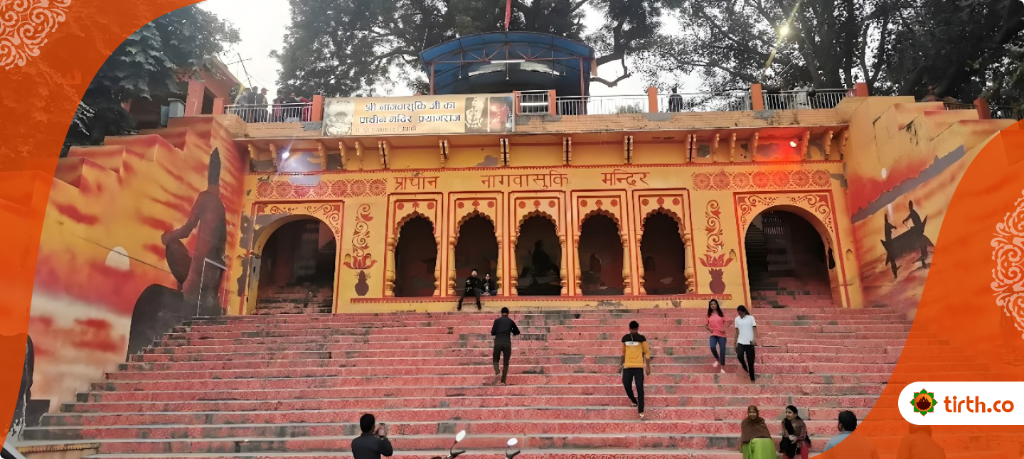
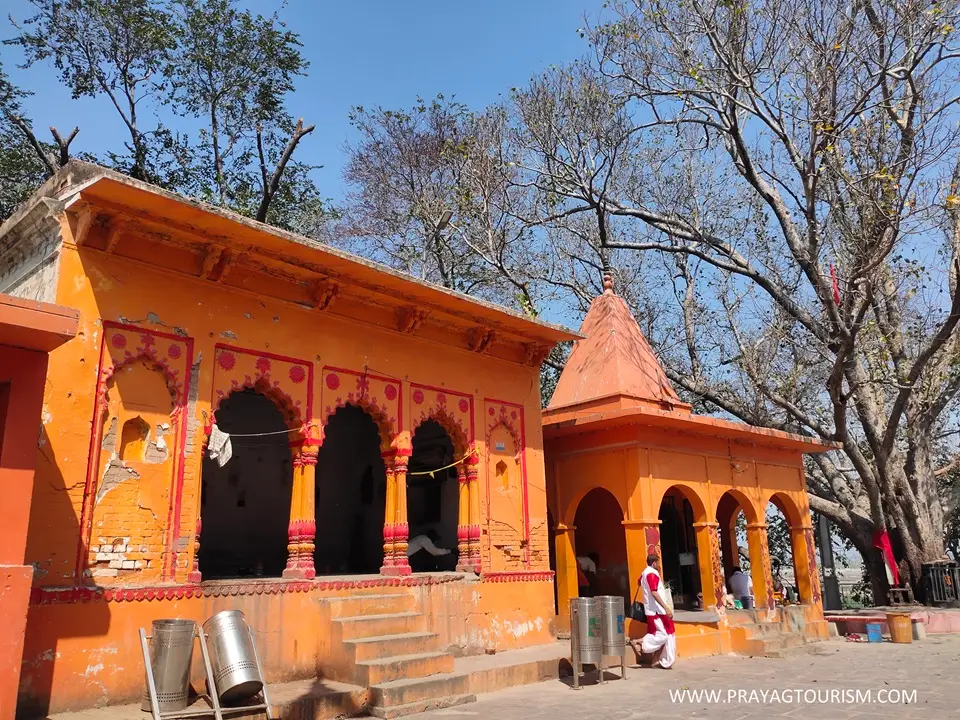
Nagvasuki Temple
About Nagvasuki Temple
The temple is open for darshan in two sessions: morning from 05:00 to 11:00, and evening from 14:00 to 23:00. During peak seasons, visitors may expect to wait between 30 minutes and one hour for darshan. Early morning and late evening hours tend to be less crowded, offering a quieter experience for those who prefer a more contemplative visit. Parking is available at the temple.
Naga Panchami and Seasonal Observance
The month of Shravana, particularly the day of Naga Panchami, represents the most auspicious time to visit Nagvasuki Temple. This festival, observed across Hindu tradition as a day dedicated to serpent deities, draws significant numbers of devotees to the shrine. Special pujas are conducted on this occasion, and participation in these rituals is considered spiritually beneficial. Conversely, the peak summer months are best avoided due to heat and discomfort.
Spiritual Practice and Preparation
Devotees are encouraged to immerse themselves in the sacred waters of the Triveni Sangam—the confluence of three rivers—before proceeding to offer prayers at the temple. This practice is considered highly auspicious and forms part of the traditional approach to worship at this site. The ritual bathing in the Triveni Sangam is understood as a preparatory act that enhances the spiritual significance of the subsequent temple visit. Daily abhishekam (ritual bathing of the deity) takes place at the temple, though specific times for these ceremonies are not detailed in available sources.
Temple Etiquette and Practical Information
Visitors should dress modestly when entering the temple, as is customary at Hindu shrines. The temple welcomes pilgrims throughout its operating hours, though the spiritual atmosphere is particularly pronounced during early morning and evening periods. Those planning to visit should be prepared for the steps leading to the shrine and allow time for the darshan queue, especially during Shravana month. The temple's position on the ghat means that the Ganga's presence is integral to the experience; many pilgrims combine their temple visit with ritual bathing in the river.
Prayagraj as a Pilgrimage Centre
Nagvasuki Temple functions as one element within Prayagraj's broader sacred landscape. The city itself is a major destination for Hindu pilgrims, and the Triveni Sangam holds particular significance in the tradition. Visitors to the temple often incorporate it into a larger pilgrimage itinerary that may include other temples and ghats in the area. The temple's location makes it accessible to those undertaking yatra (pilgrimage) in this region.
How to reach
You may also visit
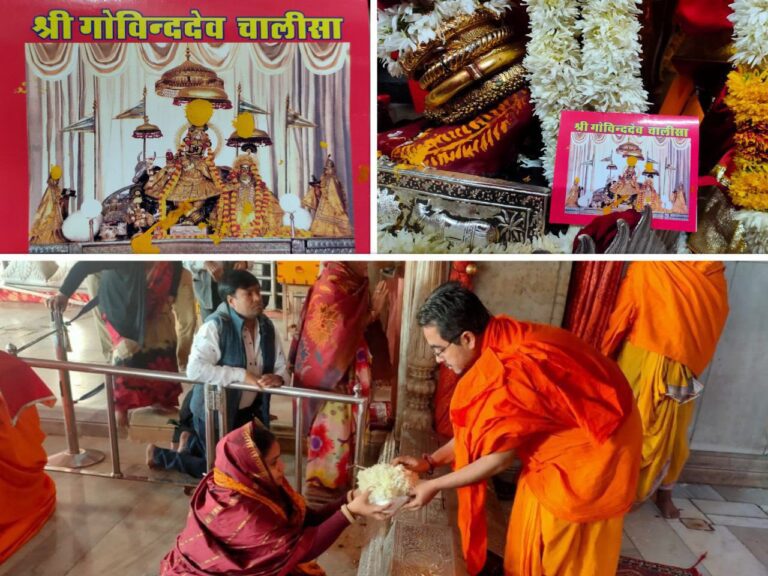
Kalyanji Temple
Kalyanji Temple in Jaipur's Chandpol Bazaar is approximately two centuries old and renowned for displaying the twenty-four avatars of Krishna, visible only twice yearly during Akha Teej and Patottsav festival.
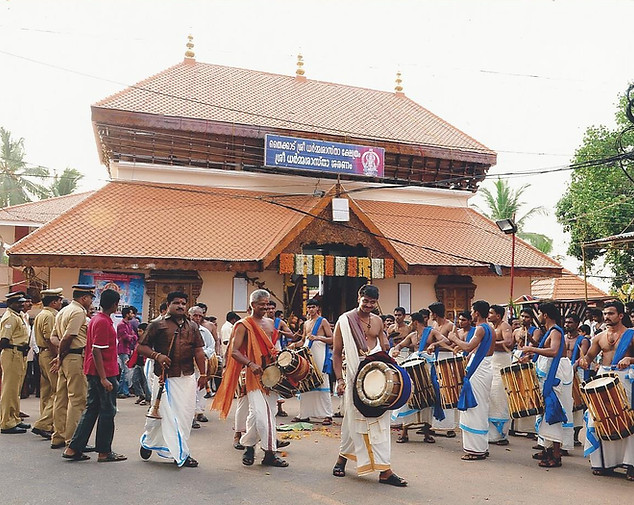
Sastha (Ayyappan) Temple
Sree Dharma Sastha Temple in Thycaud, Thiruvananthapuram, is a centuries-old shrine where the deity manifests as Dhanwanthari, the divine healer, holding the sacred blue lotus.
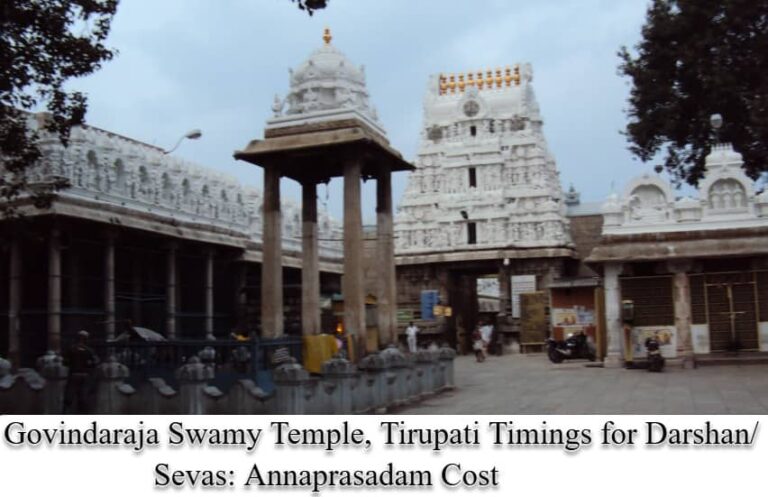
Govindarajaswamy Temple
Sri Govindarajaswamy Temple in Tirupati is an ancient Vaishnavaite shrine consecrated in 1130 AD by Saint Ramanuja, where the presiding deity rests in eternal Yoga Nidra on the serpent Adisesha.