Sahastra Bahu Temples
About Sahastra Bahu Temples
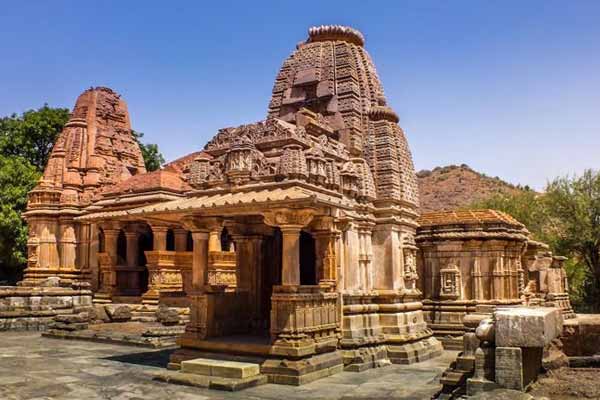
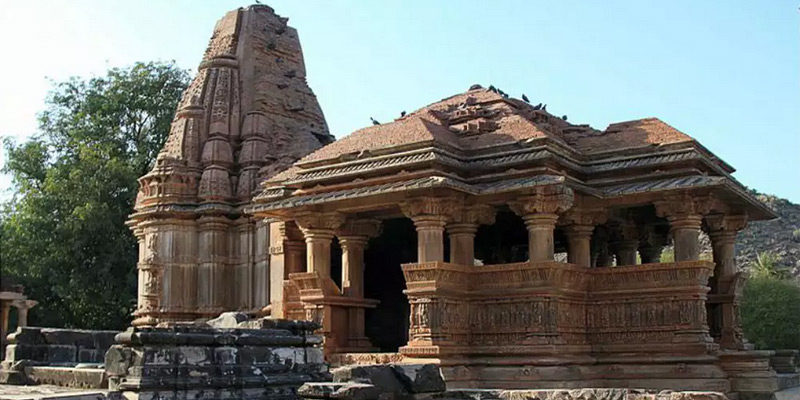
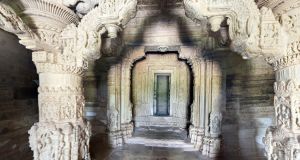
Built in the 10th century, the Sahastra Bahu Temple comprises a cluster of five to ten smaller shrines dedicated to various deities. The complex spans 22 metres in breadth and 32 metres in length, with both main temples oriented toward the east. The architectural design reflects the period's craftsmanship, with intricate stone carvings adorning the walls and entrance passages.
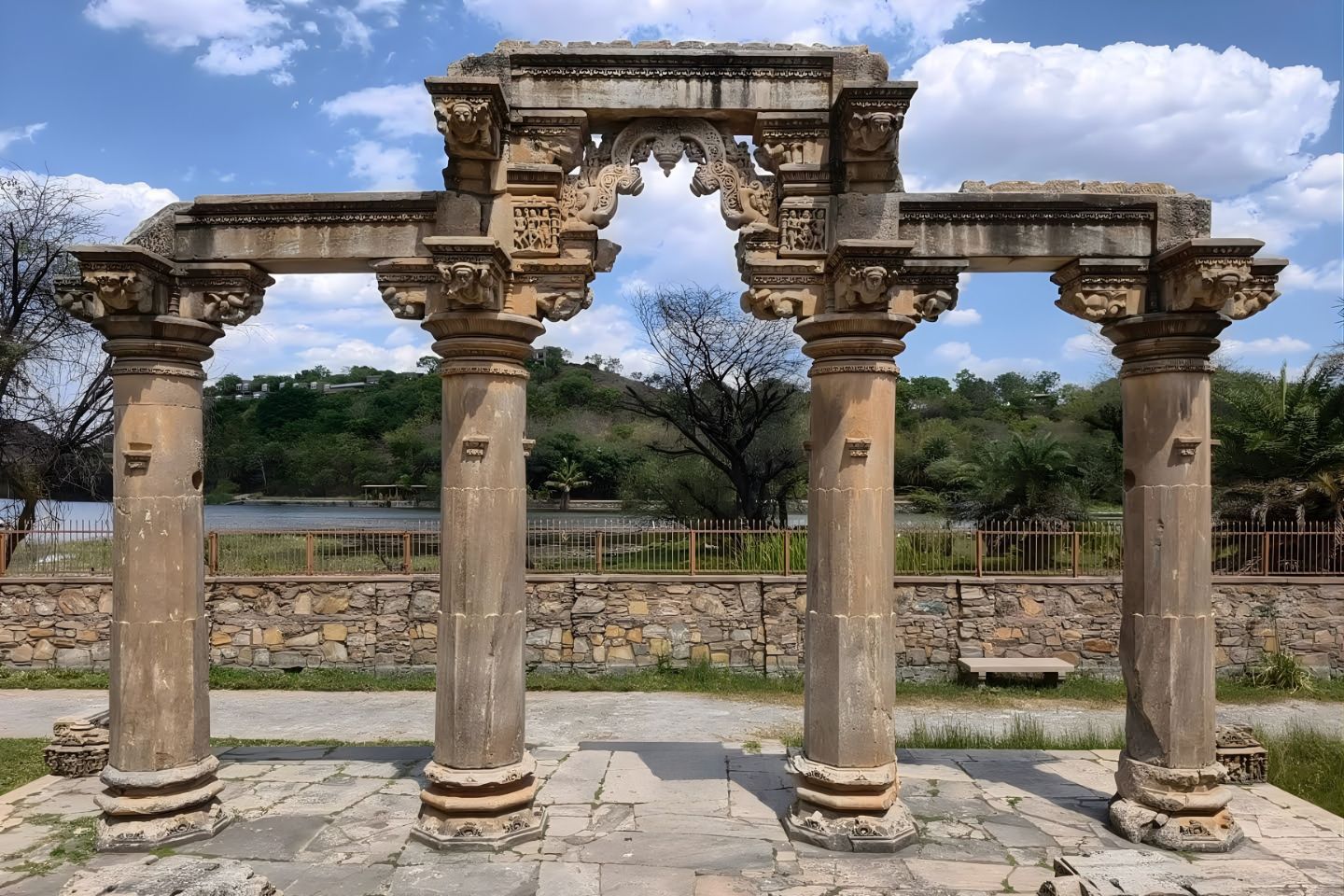
The mother-in-law's temple features an archway in its front space designed to accommodate an idol of Lord Vishnu during special occasions. Three doors face different directions, while a fourth door leads to a chamber closed to public access. At the entrance, visitors encounter sculpted idols of Goddess Saraswati, Lord Brahma, and Lord Vishnu. The main entrance itself is distinguished by ornately carved lintels and a multi-lobed arch. Additional sculptural elements depict Lord Balrama, Parashurama, and Lord Rama, executed with precision across two levels.
The passage of centuries has left portions of the temple in ruins, the result of medieval invasions and weathering. Despite this deterioration, the surviving carved walls and structural elements retain considerable aesthetic and historical value, offering glimpses into 10th-century temple design and devotional practice.
Visiting Hours and Access
The temple is open daily from 7:30 am to 5:30 pm, maintaining consistent hours throughout the week. There is no entry fee for visitors. The site is accessible via Saheli Marg in the Madhuban area of Udaipur. For those requiring assistance or wishing to confirm current conditions, a contact number is available: 09929 078104.
The temple lies en route to Eklingji, a major shrine dedicated to Lord Shiva, making it feasible to visit both sites within a single journey from Udaipur city. Visitors should plan their visit within the stated opening hours and allow adequate time to explore the temple complex and its various shrines.
What to Know Before Visiting
As with most Hindu temples, visitors should dress modestly and respectfully. Removing footwear before entering shrine areas is standard practice. The temple campus is expansive, so comfortable walking shoes are advisable for exploring the grounds and examining the carved architectural details.
The site's historical significance means that some areas may be uneven or require careful footing, particularly in sections affected by age and weathering. Visitors with mobility concerns should be prepared for these conditions. Photography policies are not specified in available sources; it is prudent to observe signage on-site or ask temple staff before photographing.
The temple's location 23 kilometres from the city centre means that independent travel by taxi or hired vehicle is practical. Public transport options should be confirmed locally before planning your visit.
The Dual-Shrine Concept
The temple's architectural division into two distinct shrines—one for the mother-in-law and one for the daughter-in-law—reflects a deliberate theological and social statement. This design choice suggests that during the period of construction, the relationship between these family members held sufficient spiritual importance to warrant monumental expression. The presence of multiple deities across the shrine cluster indicates that worship here encompassed broader Hindu devotional practice while maintaining the unique thematic focus on familial relationships.
The survival of this structure, despite centuries of upheaval, testifies to its cultural resonance within the region and its enduring significance as a site of pilgrimage and historical interest.
How to reach
Temples near Sahastra Bahu Temples
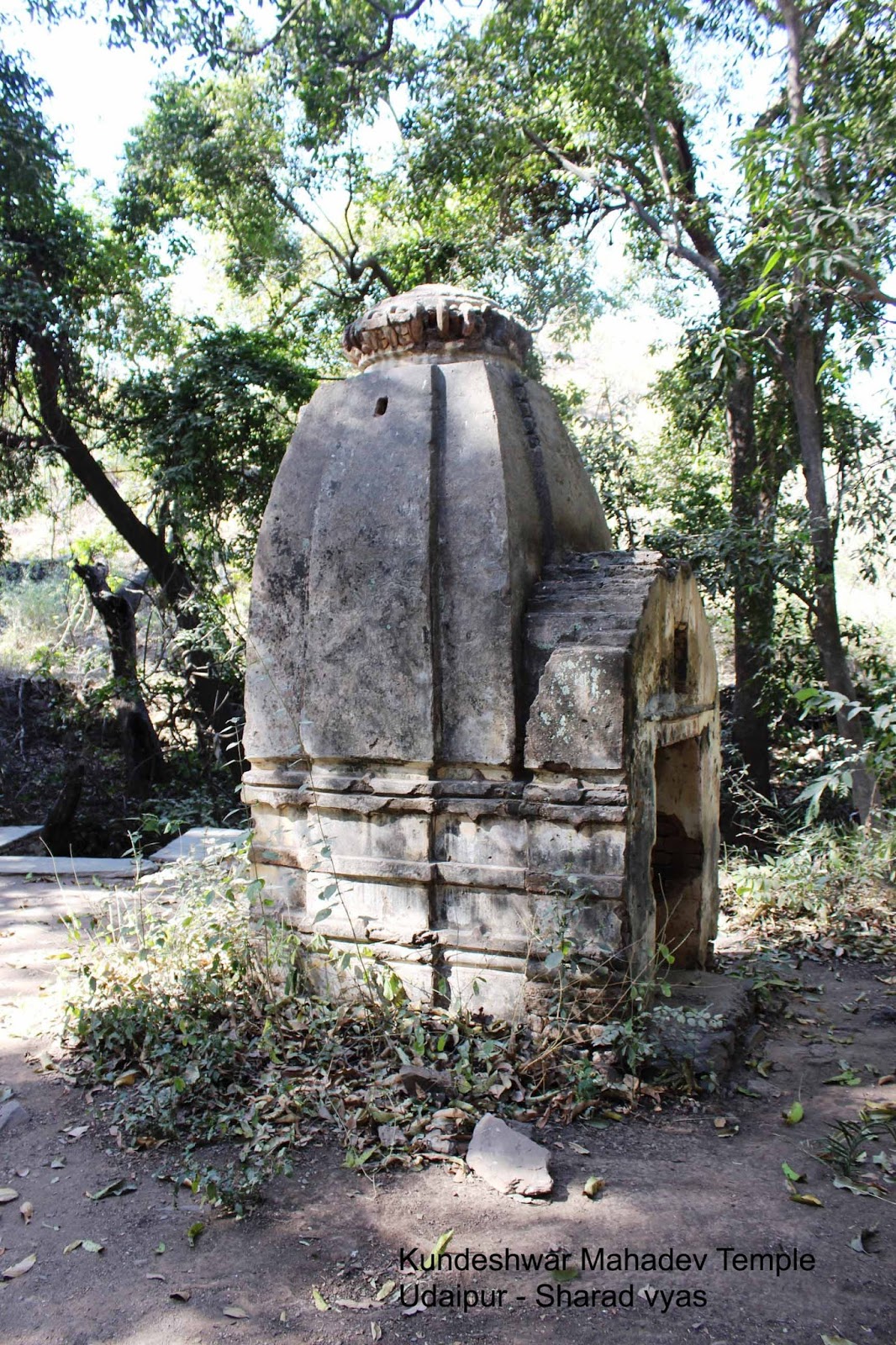
Kukdeswar Ji Mahadev
Kukdeshwar Mahadev Temple is an ancient shrine dedicated to Lord Shiva, built in the 12th–13th century CE using Hemadpanti architectural style. Located near Junnar in Maharashtr…
Neemach Mata Temple
Neemach Mata Temple crowns a verdant hill overlooking Fateh Sagar Lake in Udaipur, requiring a 900-metre ascent through forest to reach the shrine of the Maharanas' clan goddess.
Bohra Ganesh Temple
Bohra Ganesh Temple in Udaipur is a centuries-old shrine dedicated to Lord Ganesh in his dancing form, revered for fulfilling devotees' wishes and removing obstacles.
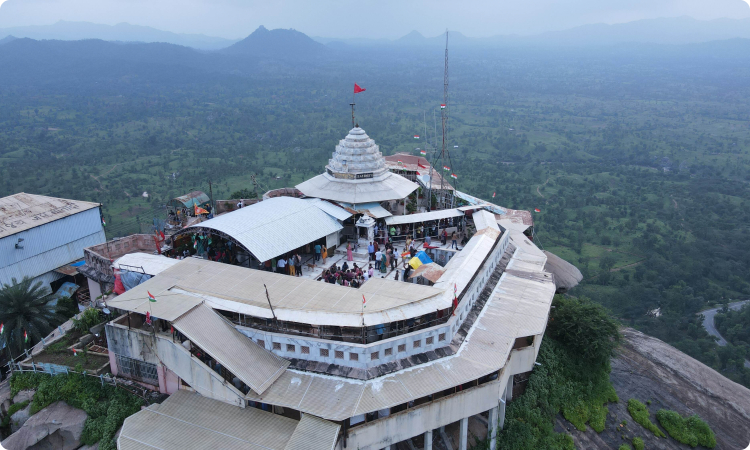
Ambamata Temple
Ambamata Temple in Udaipur is a major Hindu place of worship constructed by Maharana Raj Singh, dedicated to the goddess Amba Mata and revered as a significant spiritual center…
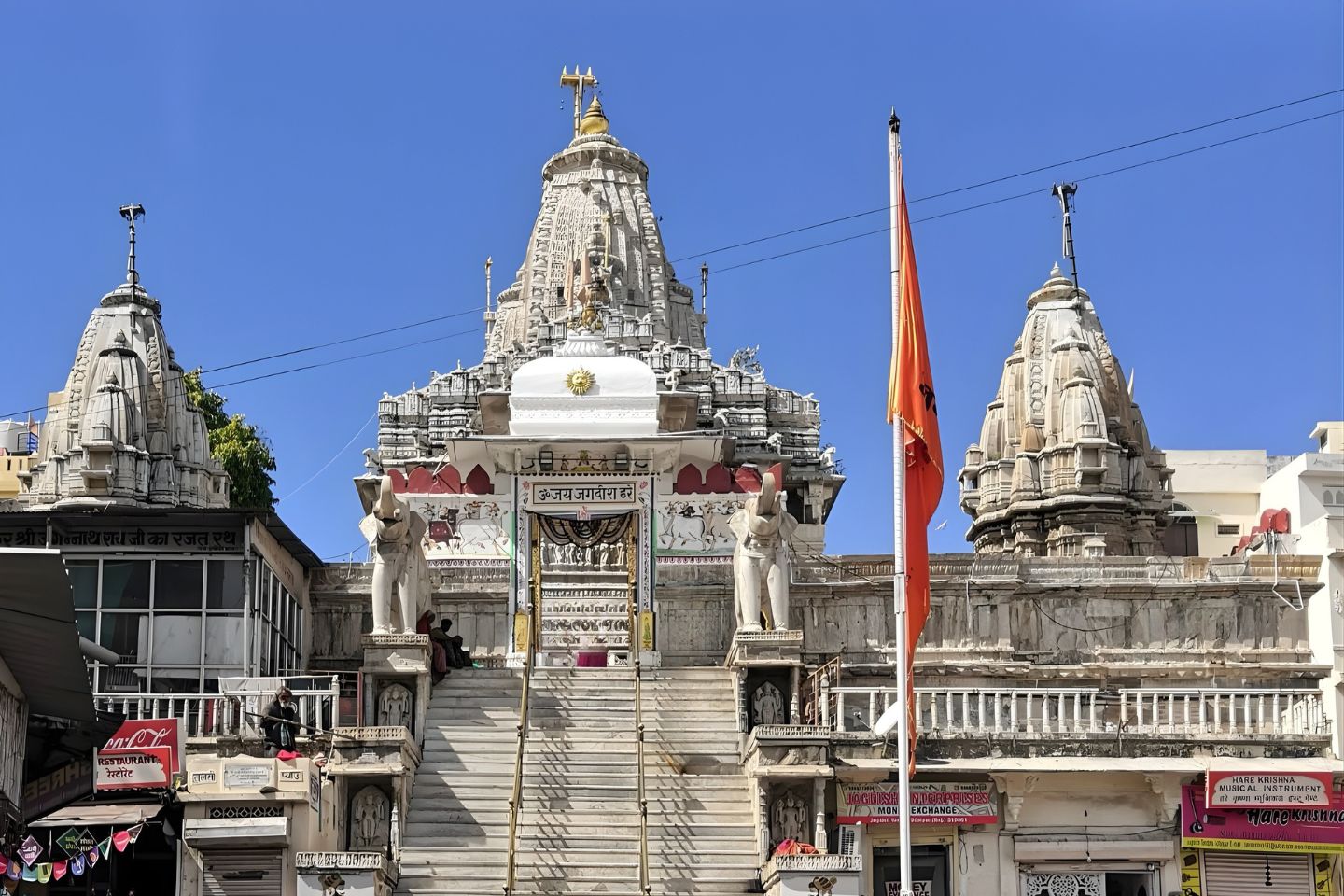
Jagdish Temple, Udaipur
Jagdish Temple is a major Hindu shrine dedicated to Lord Vishnu in central Udaipur, continuously worshipped since 1651. Its Indo-Aryan architecture and prominent location near C…
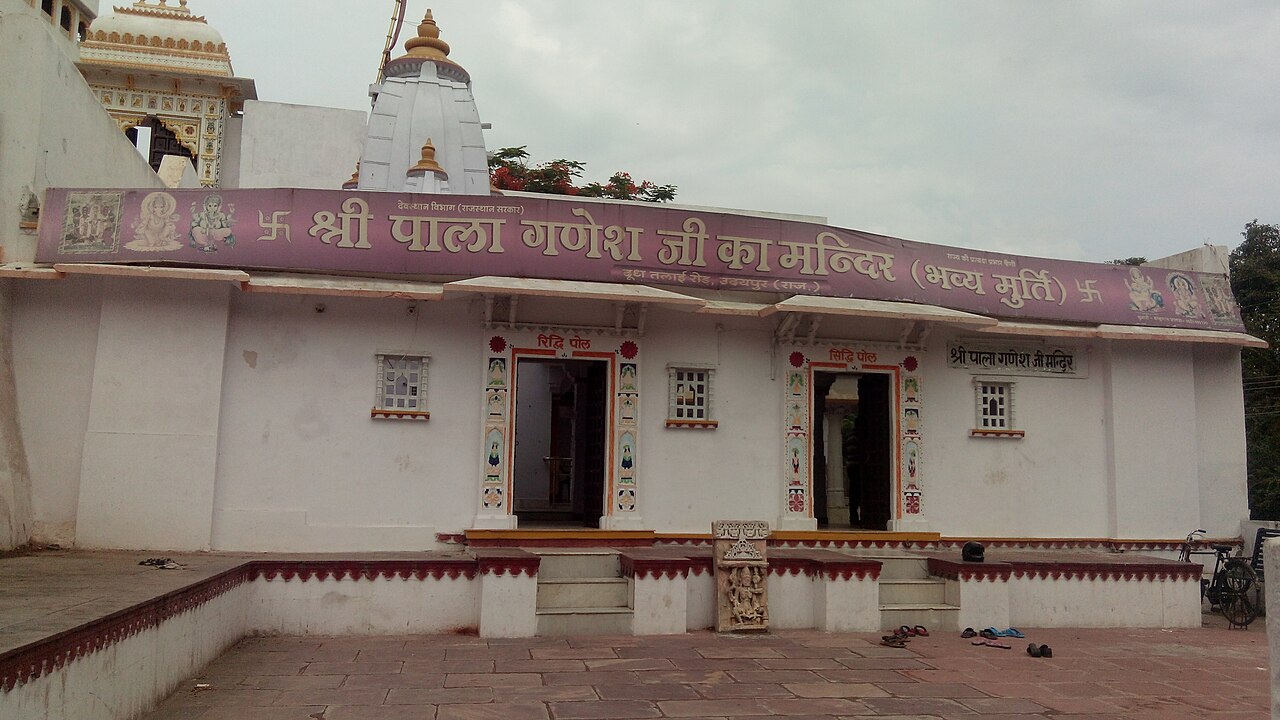
Pala Ganesh Temple
Pala Ganesh Temple is an ancient Hindu shrine dedicated to Lord Ganesh, located near Gulab Bagh in Udaipur and believed to be approximately 500 years old.