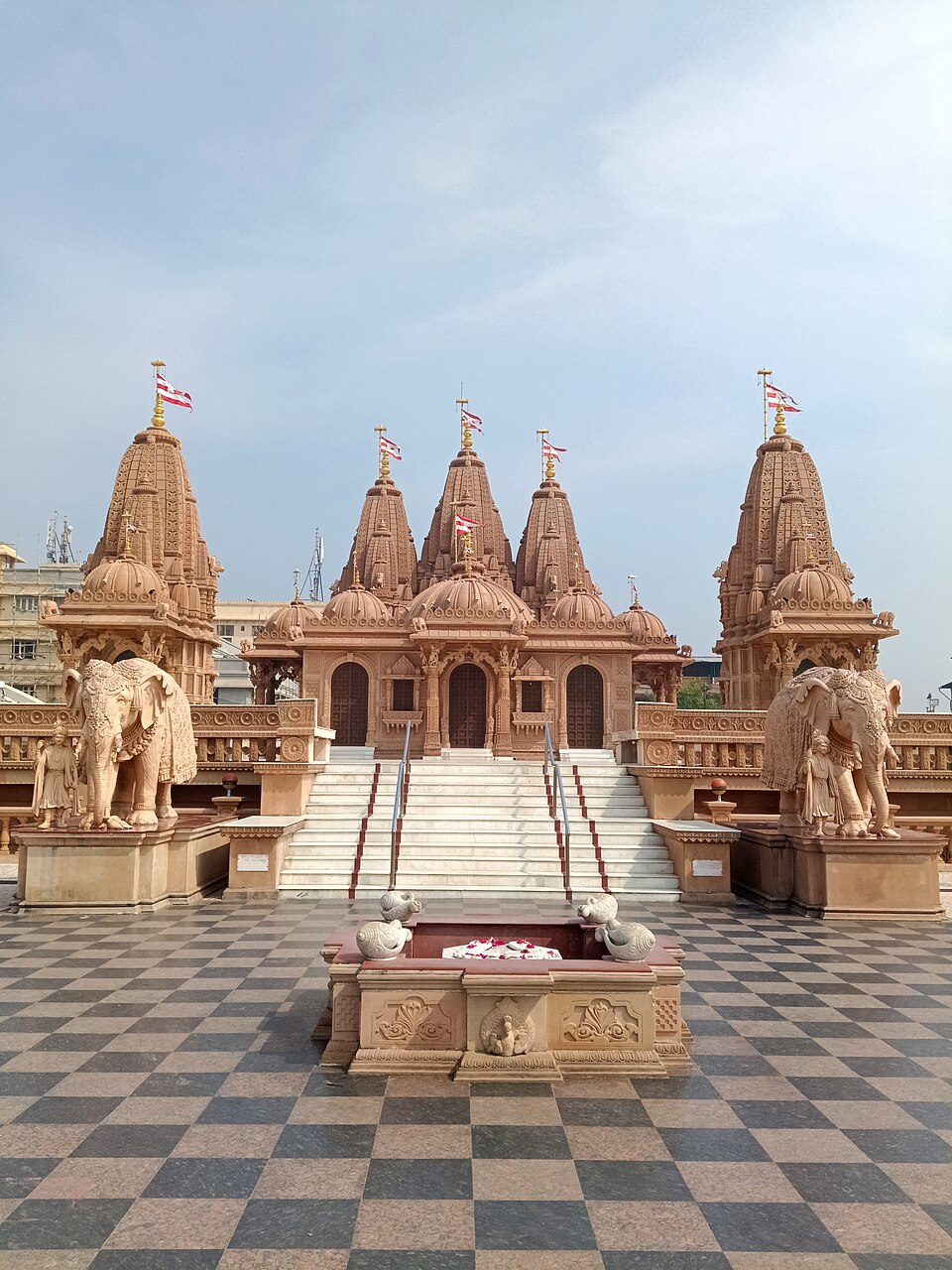
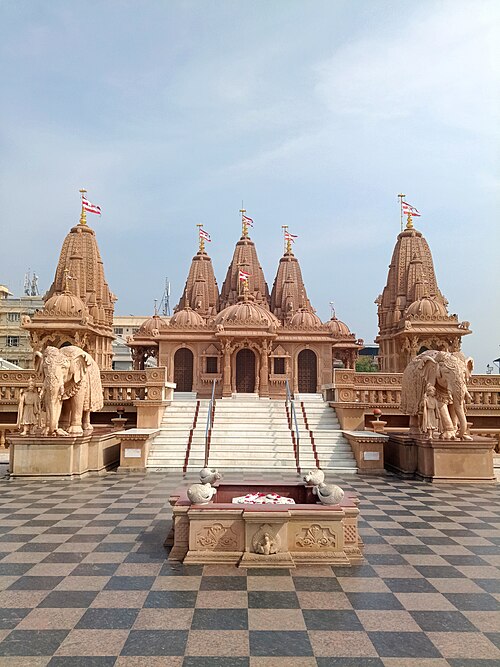
Shri Swaminarayan Mandir, Tithal
About Shri Swaminarayan Mandir, Tithal
The temple structures its spiritual life around five daily aartis—ritual worship ceremonies that mark the rhythm of devotional practice. The Mangla Arti begins at 06:00, followed by the Shangar Arti at 07:30. Midday worship takes place with the Rajbhog Arti at 11:15, while evening observances include the Sandhya Arti at 19:00 and conclude with the Shayan Arti at 20:15. These ceremonies are open to both formal participation and personal observation.
Darshan—the viewing of the deity—is available during four periods: morning from 07:30 to 10:15, midday from 11:15 to 12:00, evening from 16:00 to 18:00, and night from 19:00 to 20:15. Beyond formal worship times, the temple conducts regular daily sabhas and weekly satsang assemblies, creating opportunities for spiritual study and community gathering. Visitors should confirm timings with the temple office before travelling, as schedules may shift during festival periods.
Festivals and Celebrations
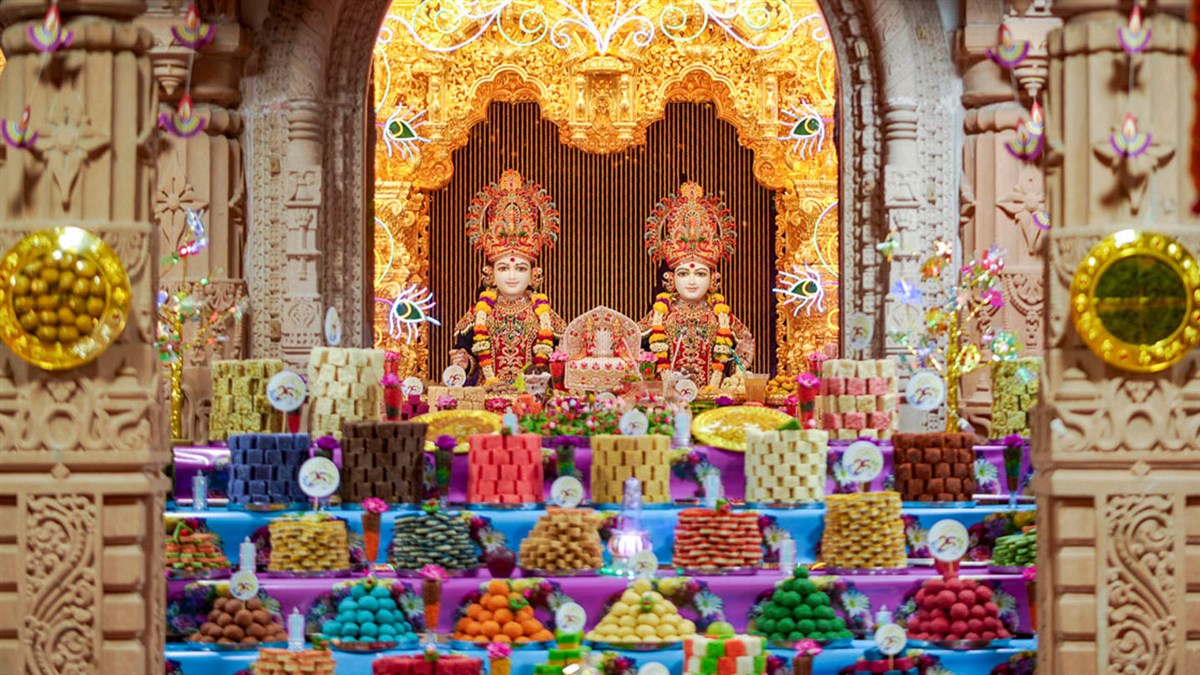
The temple observes three major festivals throughout the year. Guru Purnima on 29 July honours spiritual teachers and guides, inviting devotees to reflect on the role of spiritual mentorship. Kartik Purnima on 24 November marks Dev Deepawali, a festival of lights observed across Hindu communities. Maha Shivaratri on 15 February is marked with particular intensity, featuring night-long vigils and abhishekam (ritual bathing) of the Shiva idol.
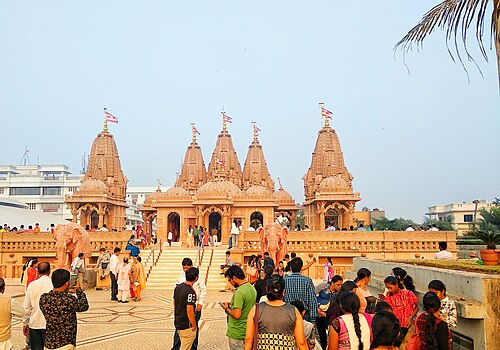
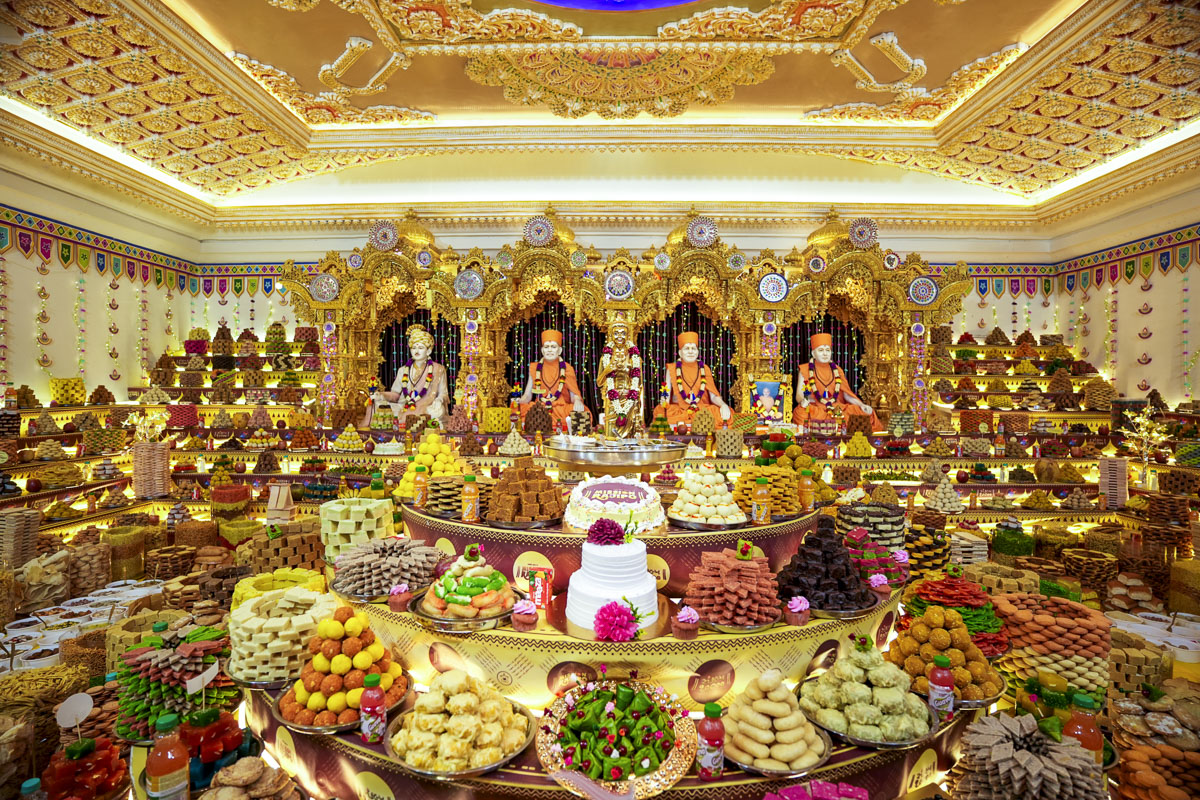
During these festivals, special decorations and heightened devotional activity transform the temple's atmosphere, offering visitors a fuller sense of the community's spiritual life. However, larger crowds gather during these periods. Those seeking a quieter, more contemplative experience may prefer to visit during non-festival times.
The BAPS Tradition and Philosophy
The Swaminarayan Mandir operates within the BAPS framework, a spiritual fellowship dedicated to individual development and community service. The organisation emphasises the Hindu ideals of faith, unity, and selfless service, working to preserve Indian cultural and spiritual values across diverse communities. This orientation shapes the temple's role beyond personal worship—it functions as a centre for cultivating values and fostering spiritual growth within the broader community.
The guiding philosophy reflects an understanding of spirituality as inseparable from ethical living and service to others. Teachings such as "Better the world around you by bettering yourself" and "In the joy of others lies our own" express this integrated approach to faith and social responsibility.
Visiting Information and Etiquette
The temple is located at Ta. Kosamba, Dist. Valsad, Tithal 396001, Gujarat, at coordinates 20.6119°N, 72.8914°E. For directions and inquiries, contact the temple office at +91 2632 248610 or +91 2632 248348.
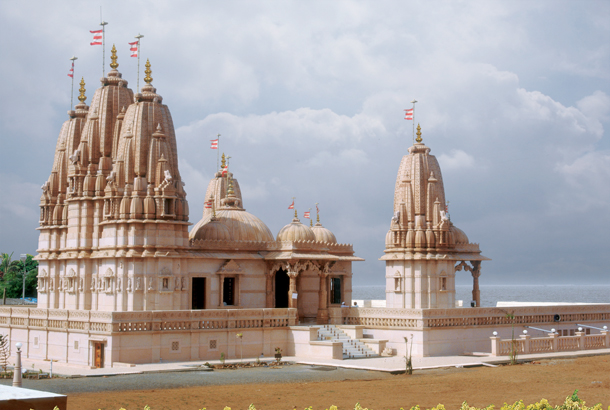
Visitors should dress modestly and remove footwear before entering the sanctum, following customary practice in Hindu temples. The beachfront setting invites visitors to allow time for both worship and appreciation of the coastal surroundings. Temples within the BAPS tradition typically maintain clean spaces for worship and offer prasad (blessed food) to devotees. It is advisable to check with the temple office regarding specific amenities or services available during your visit, particularly if you have particular needs or questions about accessibility.
How to Reach
Shri Swaminarayan Mandir is situated in Tithal, a coastal town in Valsad district. The temple's beachfront location makes it a distinctive landmark. For precise directions and travel assistance, the temple office can be contacted at the numbers listed above. Visitors planning their journey should allow time to account for local travel conditions and confirm accessibility details with the temple before arrival.
How to reach
Temples near Shri Swaminarayan Mandir, Tithal

Tadkeshwar Mahadev Temple, Valsad
Tadkeshwar Mahadev Temple is an ancient shrine near Abrama in Valsad district, Gujarat, distinguished by its open-air sanctum where sunlight directly illuminates the Shivling. T…
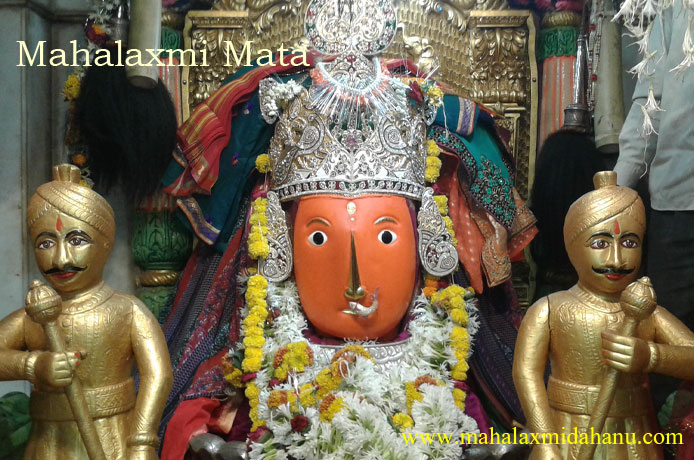
Mahalakshmi Temple, Dahanu
Mahalakshmi Temple in Dahanu is an ancient shrine dedicated to the goddess Mahalakshmi, established in 1306 by Koli king Jayaba Mukne during the founding of Jawhar State.

Trimbakeshwar Temple
Trimbakeshwar Shiva Temple is an ancient Hindu shrine in Nashik District, Maharashtra, housing one of the twelve sacred Jyotirlingas with a unique three-faced linga representing…
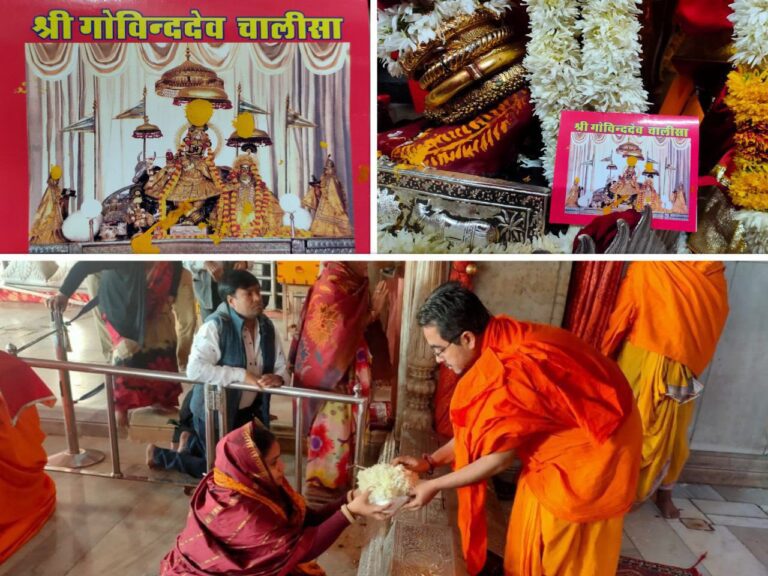
Gopnath
Shree Gopnath Mahadev Temple is a sacred shrine dedicated to Lord Shiva, located in Gujarat. The temple serves as an important pilgrimage destination for devotees seeking blessi…

Saptashrungi
Saptashrungi Devi Temple is a Shakti Peeth located on a seven-peaked mountain range near Vani in Nashik district, Maharashtra. The deity is Saptashrungi Nivasini Devi, believed…
Shree Pavan Putra Hanuman Mandir
Shree Pavan Putr Hanuman Mandir in Nashik is a Hindu temple dedicated to Hanuman, featuring a small but beautifully crafted idol depicting Hanuman carrying the Sanjivani herb an…