Shree Vishnumurthy Temple
About Shree Vishnumurthy Temple
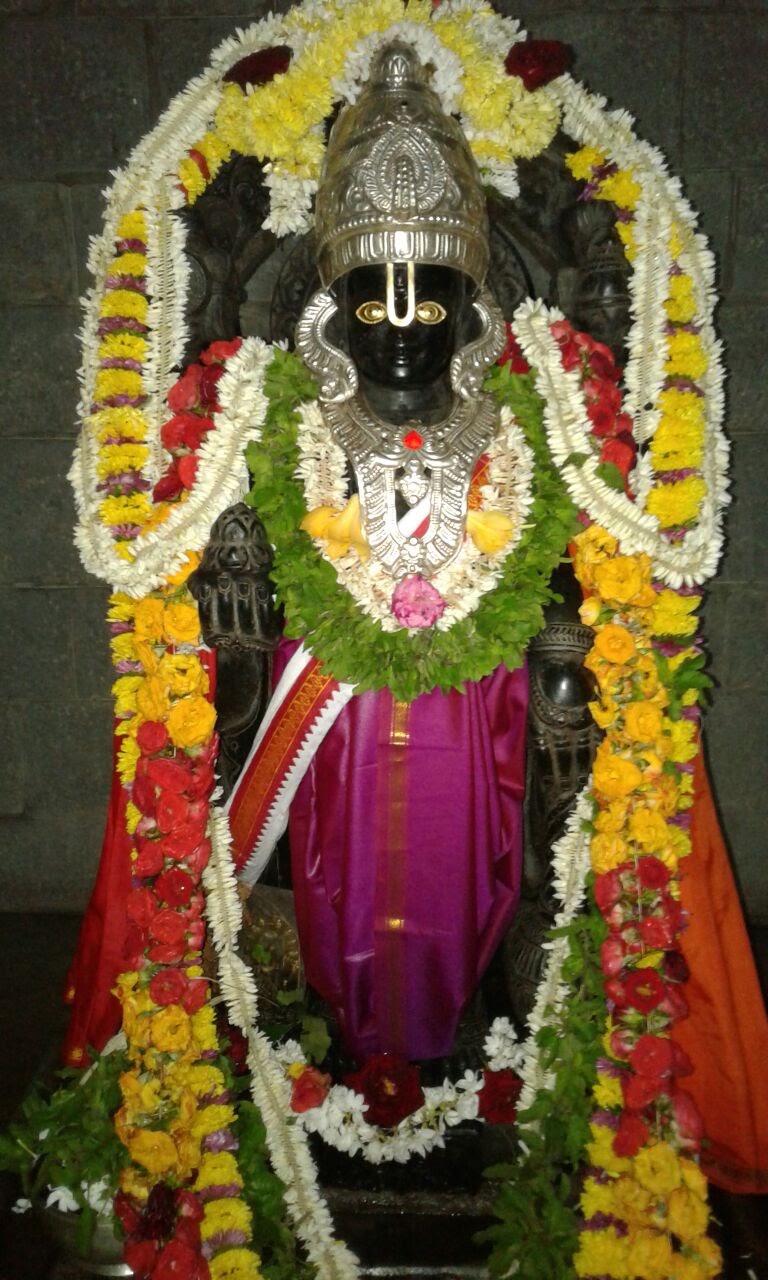
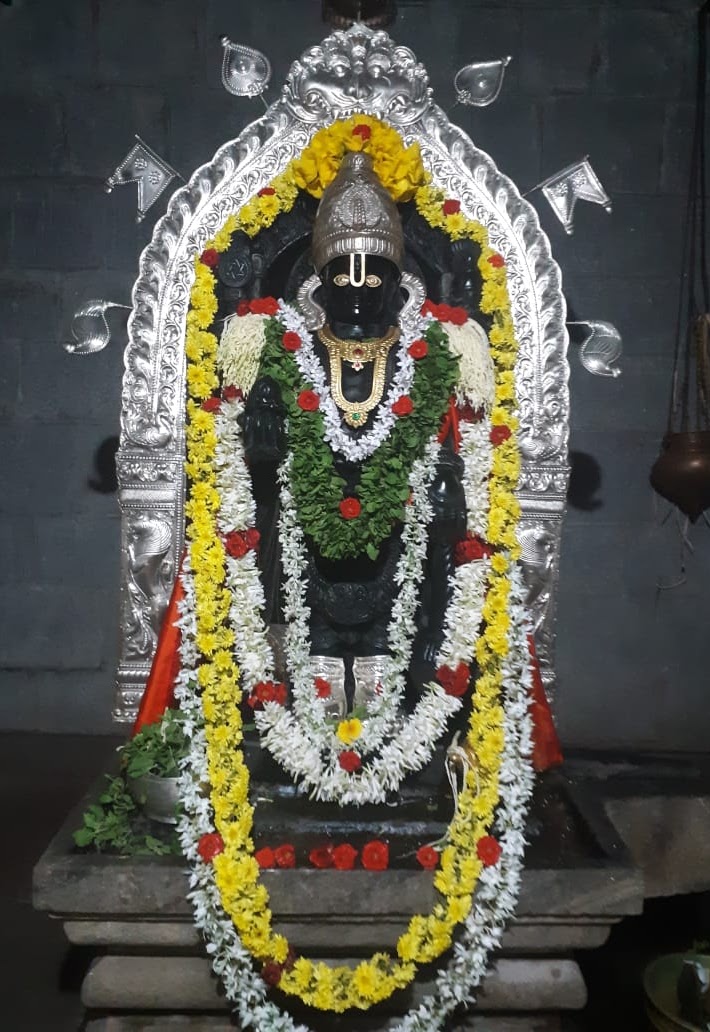
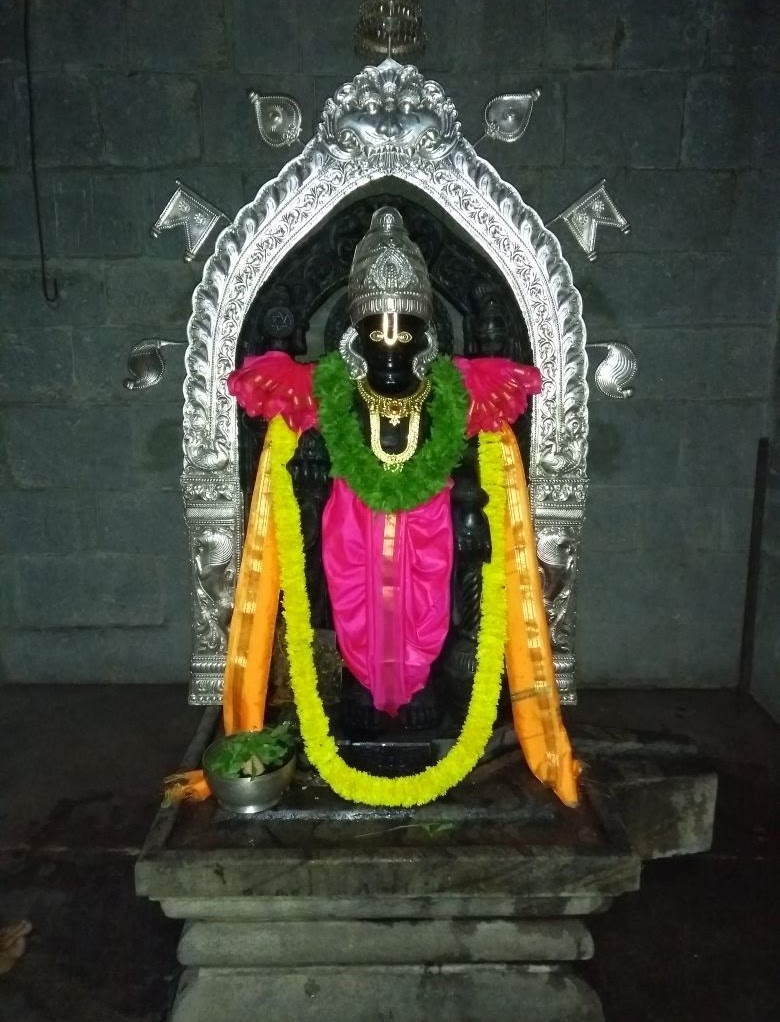
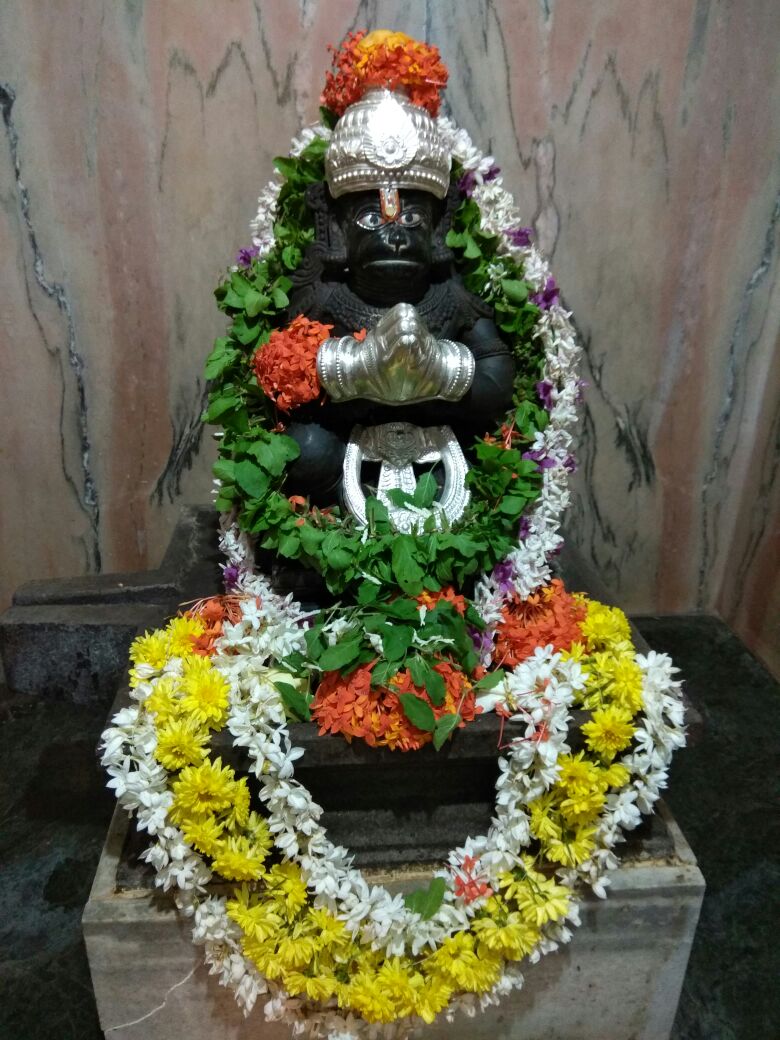
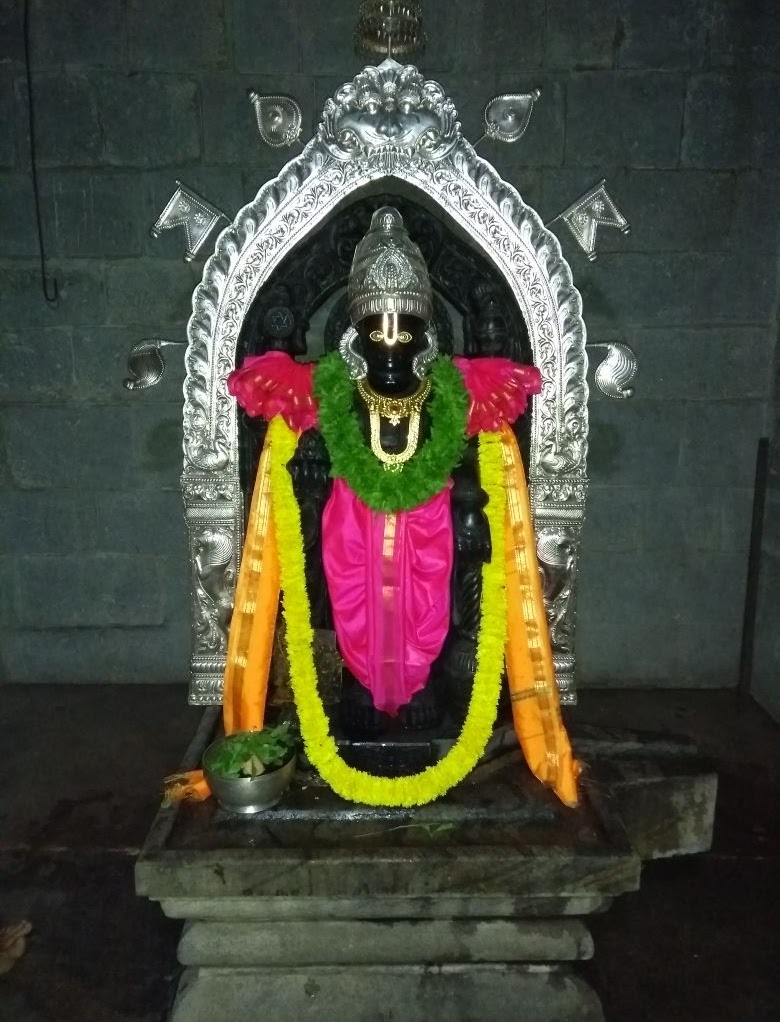
The temple follows Vedic Hindu architectural principles, with a layout that guides devotees through progressively inner sanctified spaces. The Garbhagriha, or sanctum sanctorum, faces east and houses the primary deity Vishnumurthy alongside other sacred presences: a Shiva Linga representing Lord Maheshwar, an image of Ganapati, and Devi Durga. Sacred Saligrams—naturally formed stones symbolizing Vishnu—are also present within the sanctum. The temple complex includes an Antarala (vestibule), Sandya Mandap (twilight hall), Maha Mandap (great hall), and a Pradakshina path for circumambulation. A processional deity (Utsav Murthy) is maintained for special occasions. The temple also features a Garuda Stambha (pillar) and Bali Peetha (offering altar), along with subsidiary shrines. A stream called Vishnu Tirth flows adjacent to the temple, adding to the natural sanctity of the location.
Daily Worship and Darshan
The temple maintains regular darshan hours on normal days from 7:00 a.m. to 1:30 p.m. and 4:30 p.m. to 8:30 p.m. Morning and evening arti rituals are performed according to these schedules. There is no entry fee to visit the temple. Foreigners are permitted to enter provided they observe applicable regulatory measures. The temple's approach emphasizes that Lord Vishnu seeks only sincere love and devotion from pilgrims and worshippers, rather than elaborate external observances.
Visiting Information and Access
Shree Vishnumurthy Temple is located in Kulai, a town near Surathkal, approximately 15 kilometers north of Mangalore in Karnataka. The temple sits in a forested hill setting, which shapes both its physical environment and the experience of visiting. Visitors should plan their visit within the published darshan hours and dress modestly as is customary at Hindu temples. The natural surroundings mean that appropriate footwear for walking on forest paths is advisable. As with most temples in this tradition, removing shoes before entering the sanctum is standard practice. The absence of an entry fee makes the temple accessible to devotees of all economic backgrounds.
The Sacred Landscape
The temple's setting within dense forest and its proximity to the Vishnu Tirth stream contribute to its spiritual character. The natural isolation of the location has historically supported the temple's role as a pilgrimage destination where devotees seek focused spiritual practice. The forested environment remains largely undeveloped for human settlement, preserving the temple's contemplative atmosphere. This landscape, combined with the antiquity of the central idol and the continuity of worship across centuries, creates the conditions for the deep devotional practice the temple encourages.
How to reach



You may also visit
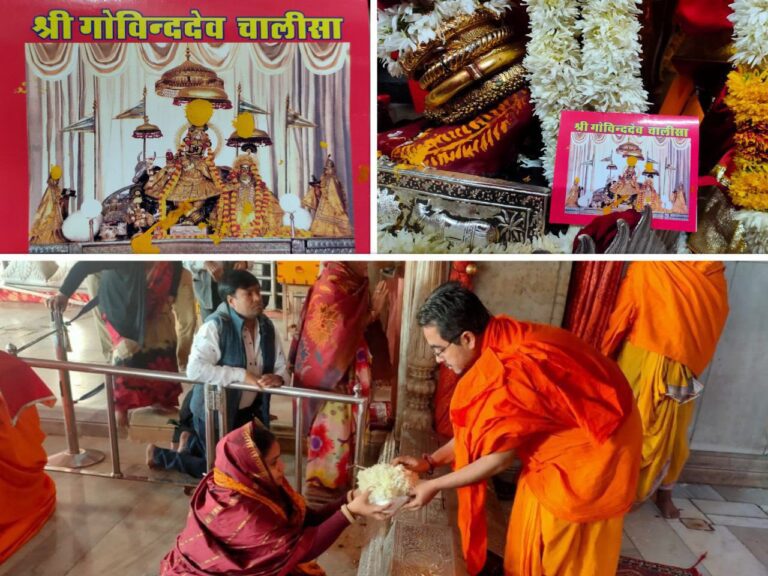
Kalyanji Temple
Kalyanji Temple in Jaipur's Chandpol Bazaar is approximately two centuries old and renowned for displaying the twenty-four avatars of Krishna, visible only twice yearly during Akha Teej and Patottsav festival.
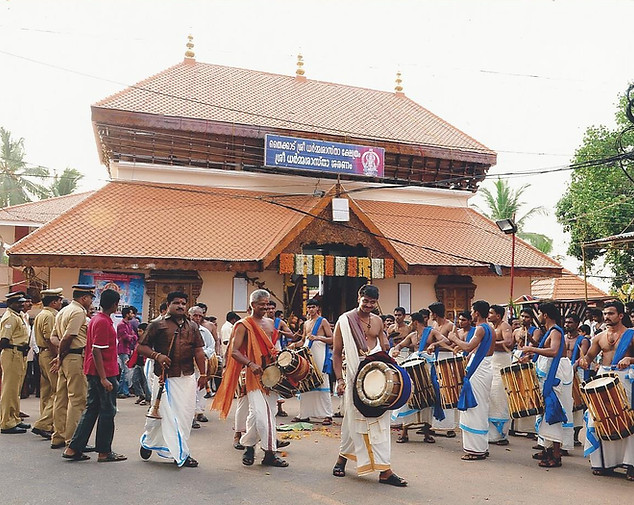
Sastha (Ayyappan) Temple
Sree Dharma Sastha Temple in Thycaud, Thiruvananthapuram, is a centuries-old shrine where the deity manifests as Dhanwanthari, the divine healer, holding the sacred blue lotus.
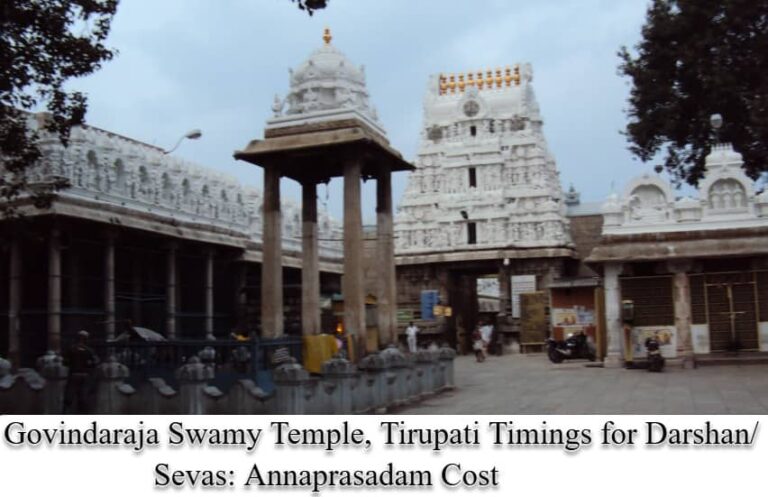
Govindarajaswamy Temple
Sri Govindarajaswamy Temple in Tirupati is an ancient Vaishnavaite shrine consecrated in 1130 AD by Saint Ramanuja, where the presiding deity rests in eternal Yoga Nidra on the serpent Adisesha.