Mariyamma Temple
About Mariyamma Temple
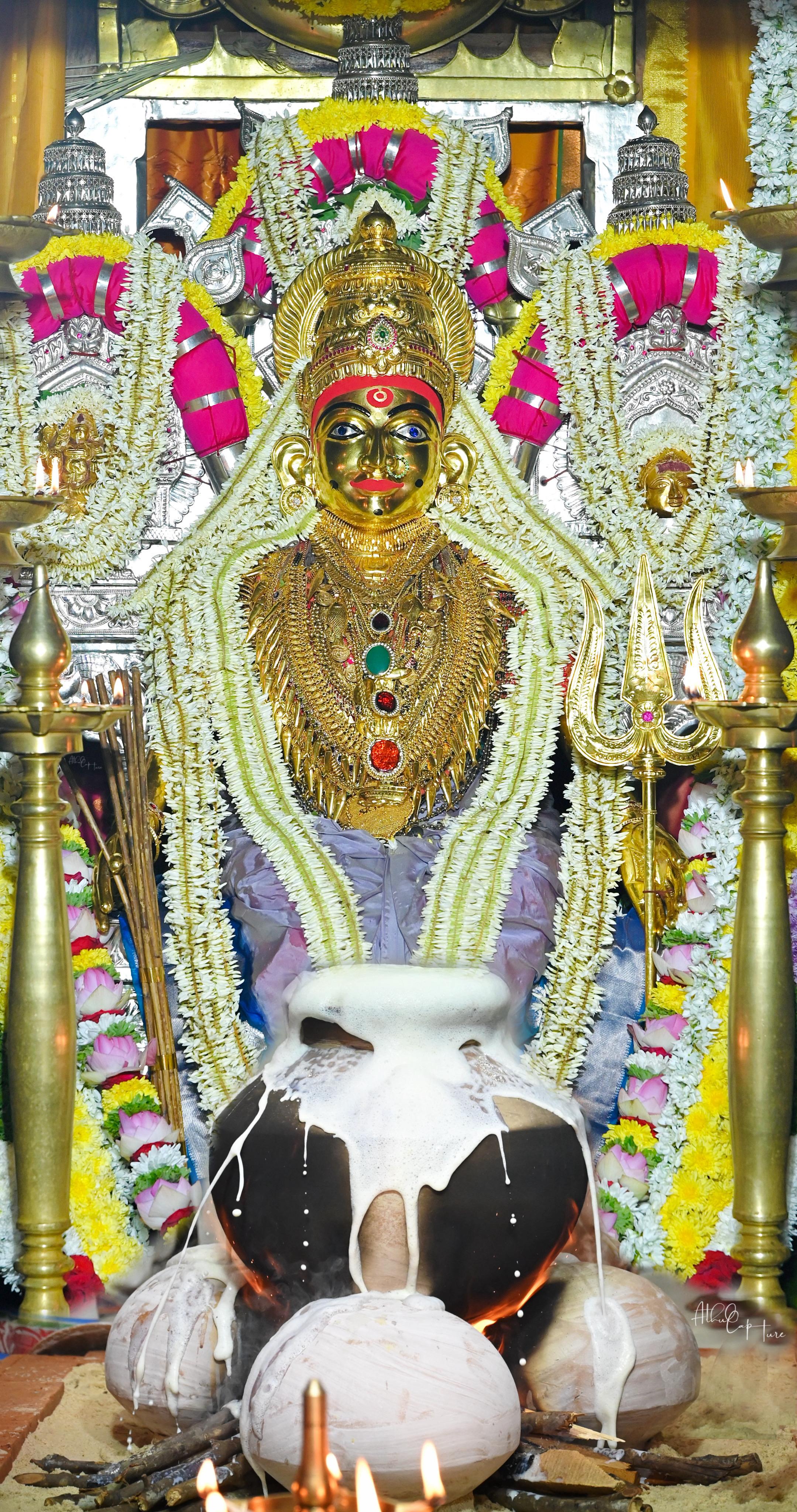
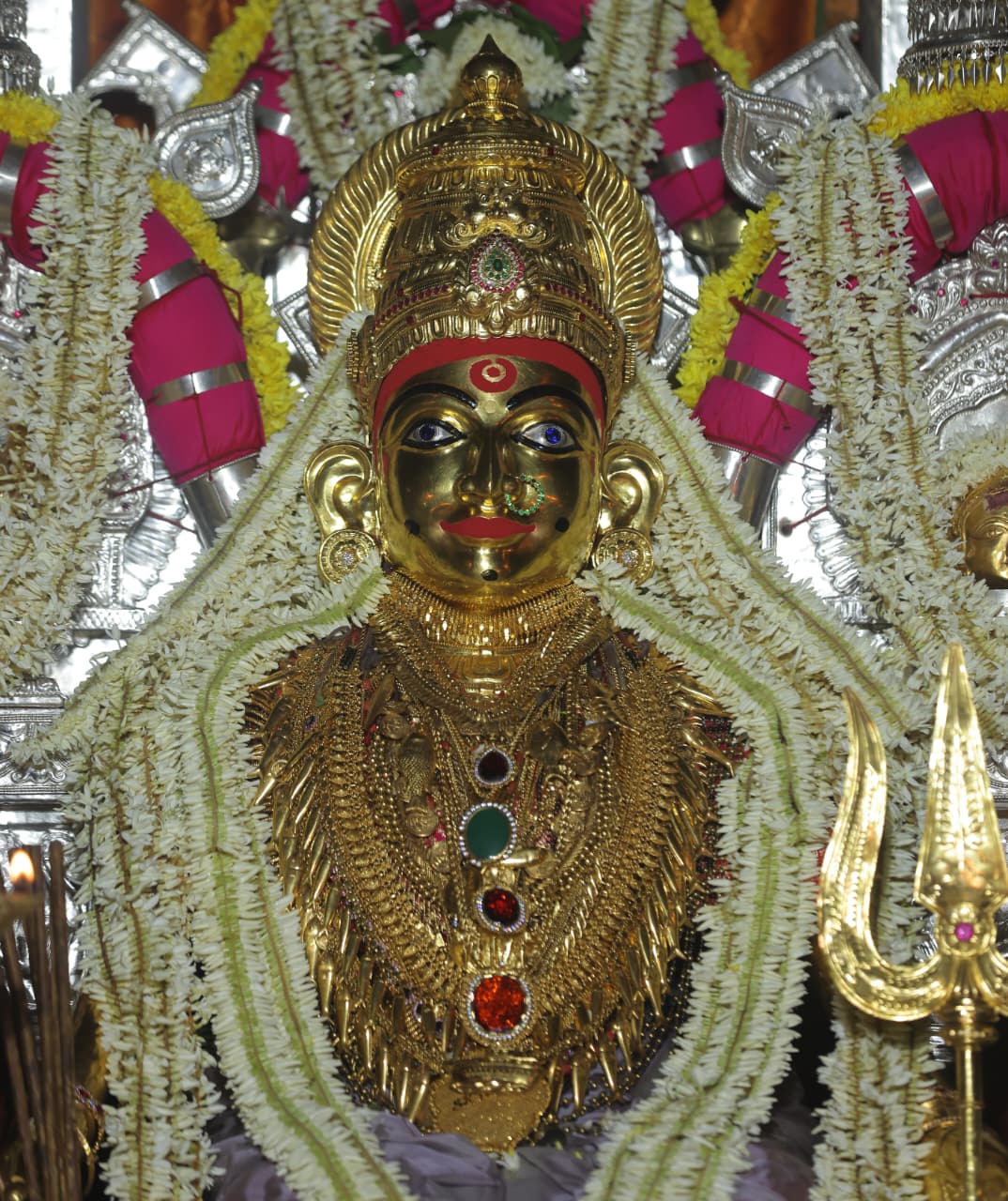
The temple maintains the Kumbara Manethana tradition, in which hereditary priests perform and preserve the sacred poojas and rituals. This lineage of service has sustained the temple's spiritual practices across generations, ensuring continuity of worship methods and ceremonial knowledge. The temple observes daily rituals alongside its major festival celebrations, though specific timings for regular darshan and aarti should be confirmed directly with the temple before visiting.
Festival Calendar
The temple celebrates four major festivals throughout the year. Mari Pooja, held in February or March, is the principal festival and the most significant occasion for devotees to visit. The celebration encompasses multiple sacred rituals including Madasthana Seve, Raashi Pooje, Kanchil Seve, Haalu Hukkisuva Pooje, Maha Ranga Pooje, Rathotsava (chariot festival), and Darshana Bali. These observances draw thousands of devotees from across coastal Karnataka.
Dasara, celebrated in October as part of the nine-day Navaratri festival, features daily Darshana Pooje with Maha Ranga Pooje and Rathotsava on the final day. Two additional observances occur in the calendar year: Chandika Yaga and Vishesha Hoovina Pooje on 14 January, and Rashipooje in the last week of April. Festival dates and specific ritual timings may vary, so confirmation with the temple is advisable before planning a visit.
Location and Access
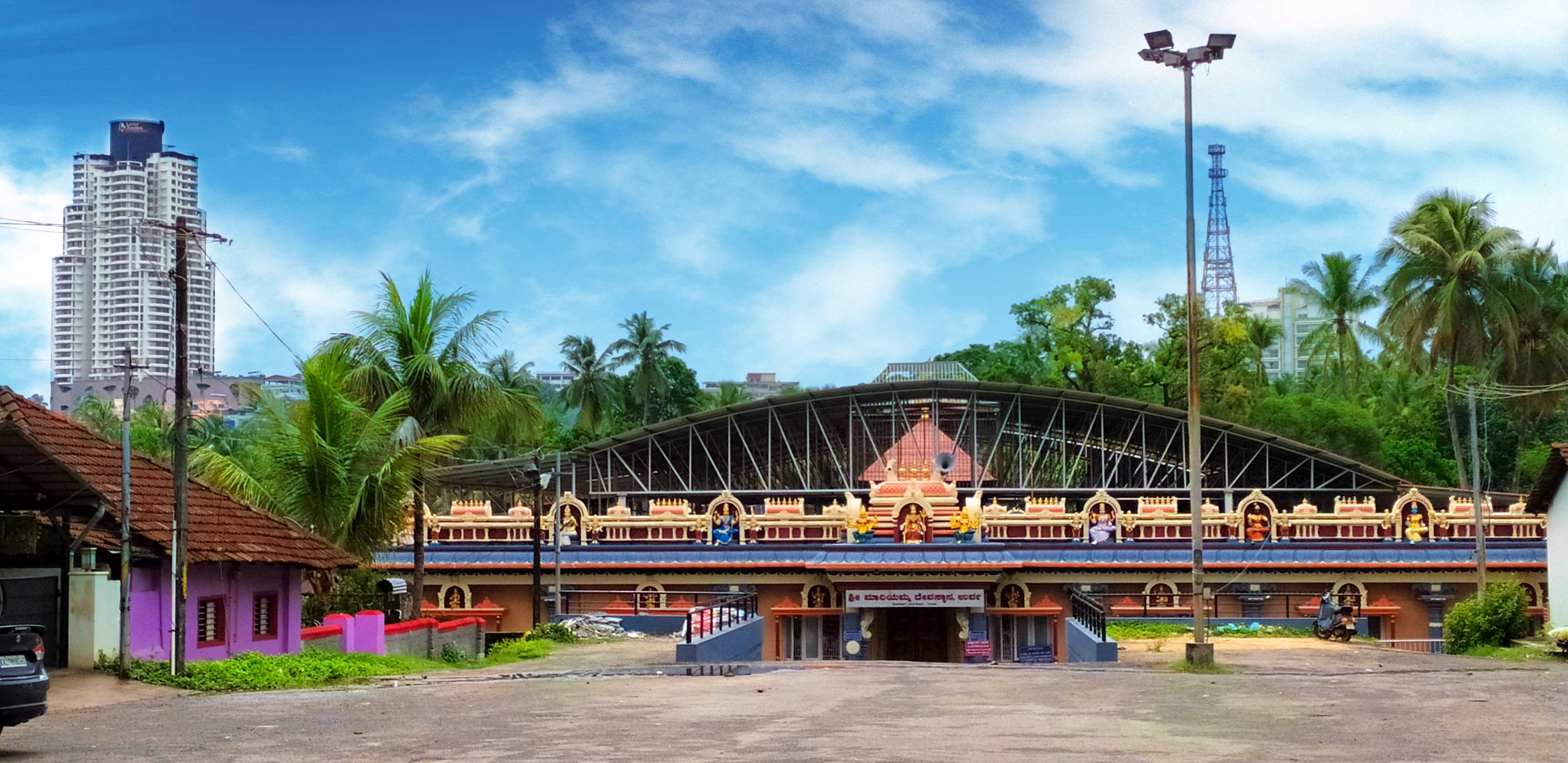
The temple is situated in Urwa, Boloor, Mangalore, at coordinates 12.8761°N, 74.8316°E. It lies approximately 5 kilometers from Mangaladevi Temple within Mangalore city. Local tradition holds that Mariyamma and Mangaladevi were sisters, linking the two shrines spiritually. Visitors should note that specific directions and current transport options are best obtained from local sources or the temple's official channels, as detailed travel information is not provided in available sources.
Planning Your Visit
The best times to visit are February–March for Mari Pooja or October for Dasara, when the temple's full ceremonial life is on display and the community gathers in significant numbers. Visitors should confirm current opening hours, darshan timings, and any specific protocols before traveling, as these may vary on festival days. Dress modestly as is customary in Hindu temples. Those wishing to make offerings, including the traditional fish-shaped gold nerchaavu, should inquire about procedures and availability at the temple. The official temple website and contact channels can provide current information on facilities, booking arrangements for special pujas, and any other visitor services.
How to reach
You may also visit
Tiger Cave
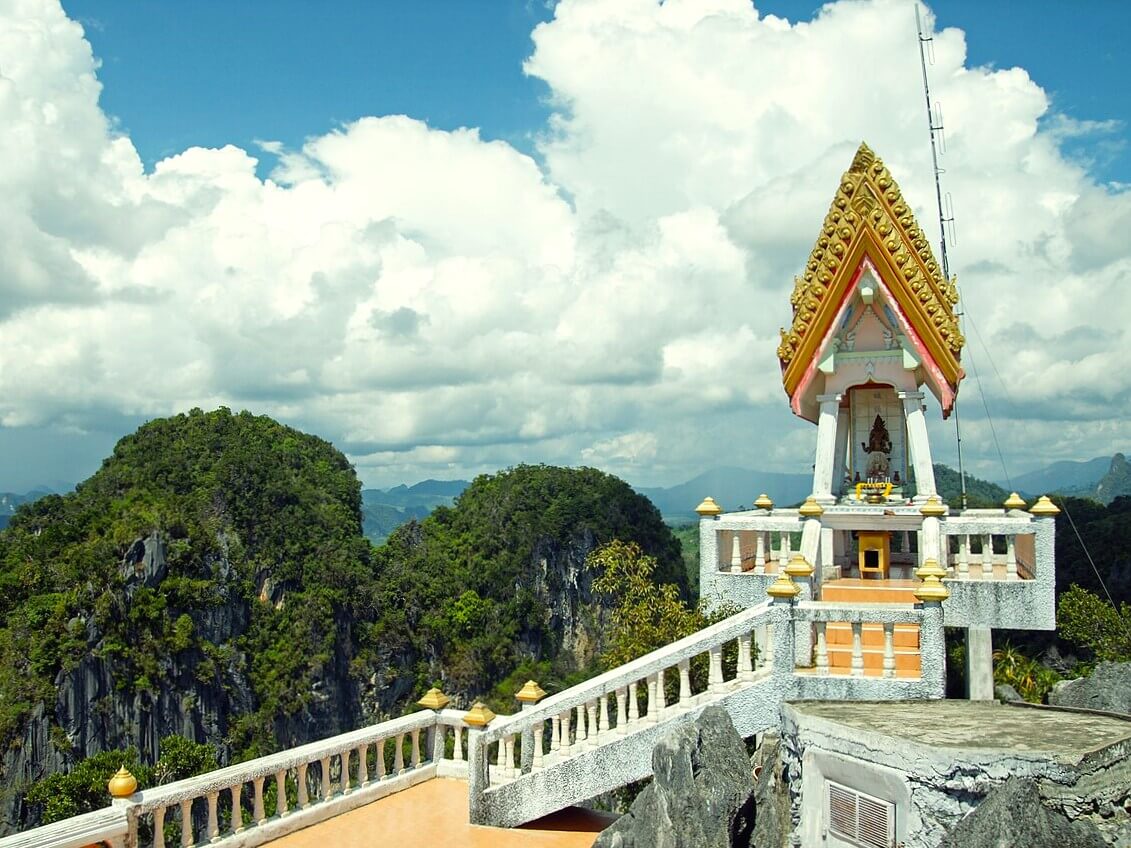
5Tiger Cave Temple is a Buddhist monastery complex near Krabi, Thailand, featuring a challenging 1,260-step ascent to a hilltop summit crowned with a Golden Buddha statue and panoramic limestone vistas.
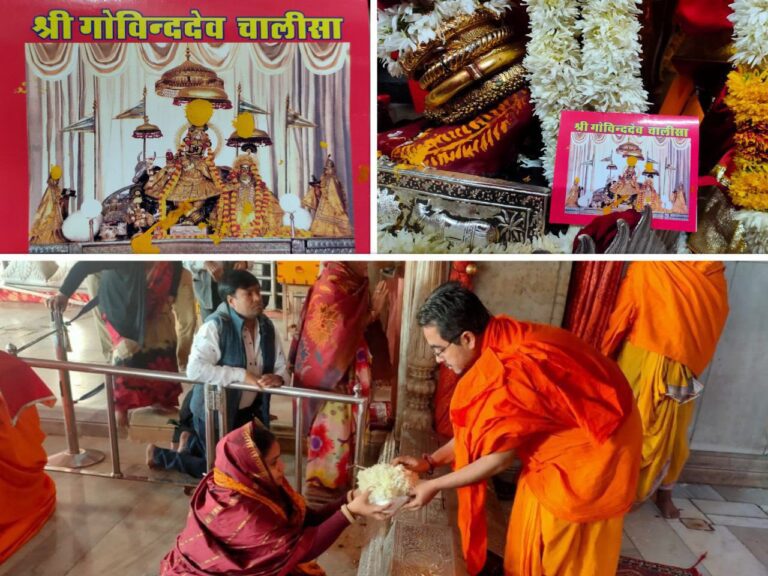
Kalyanji Temple
Kalyanji Temple in Jaipur's Chandpol Bazaar is approximately two centuries old and renowned for displaying the twenty-four avatars of Krishna, visible only twice yearly during Akha Teej and Patottsav festival.
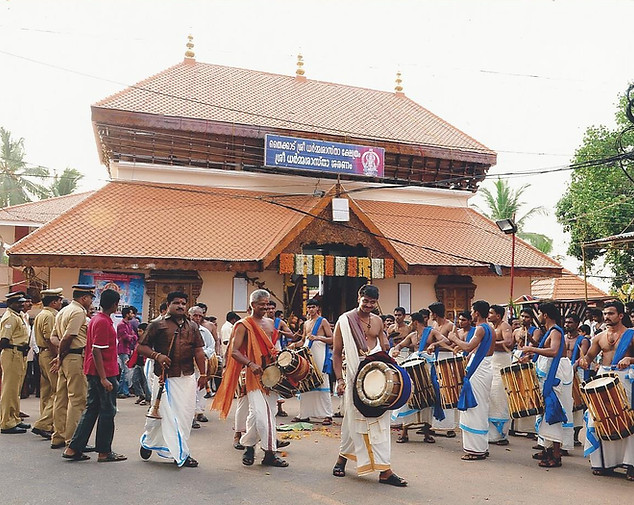
Sastha (Ayyappan) Temple
Sree Dharma Sastha Temple in Thycaud, Thiruvananthapuram, is a centuries-old shrine where the deity manifests as Dhanwanthari, the divine healer, holding the sacred blue lotus.