Shiva Temple, Bavka
About Shiva Temple, Bavka
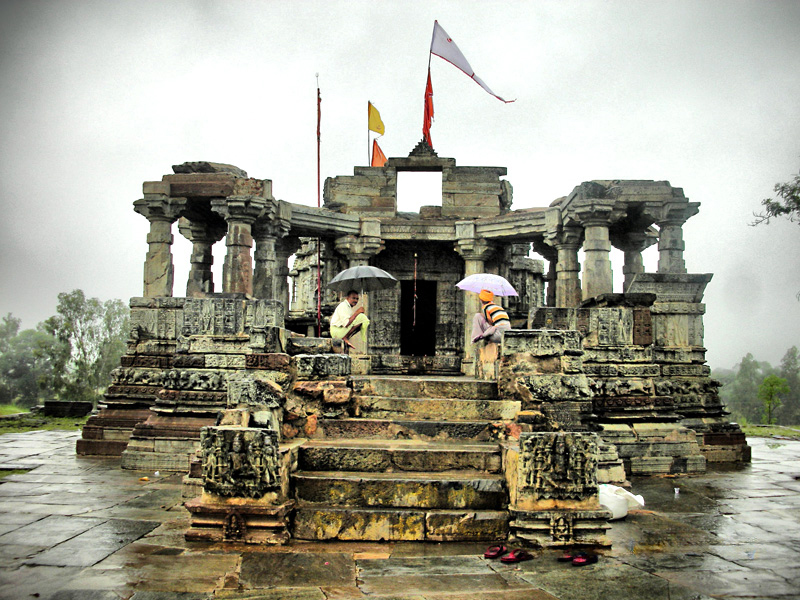
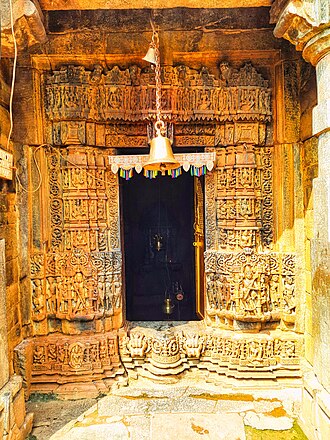
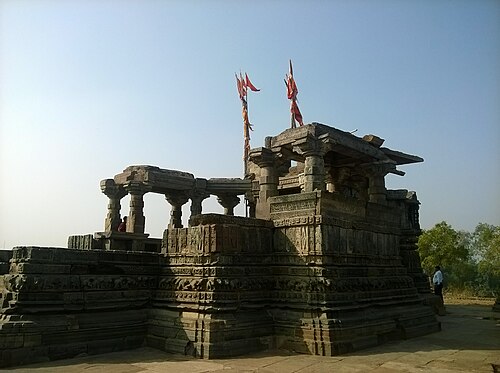
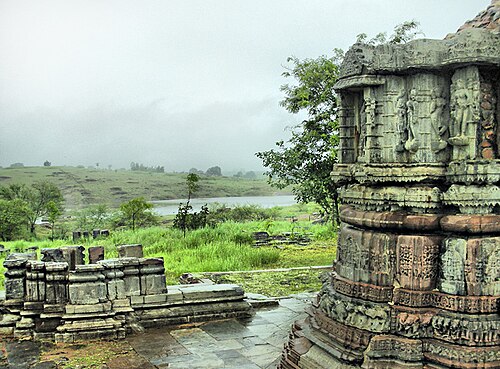
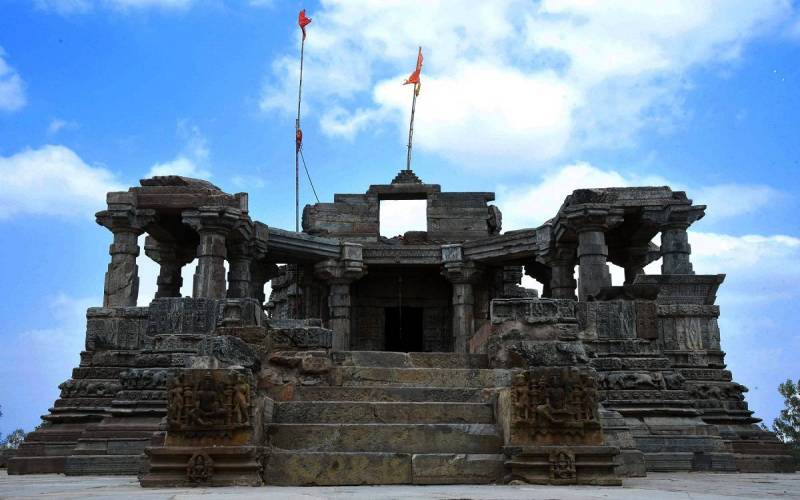
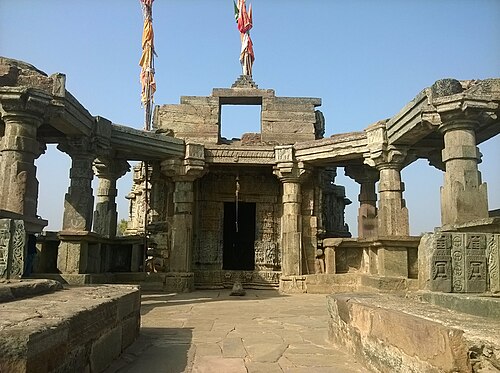
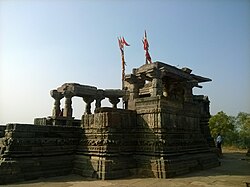
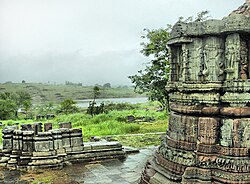
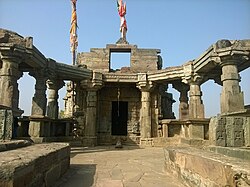
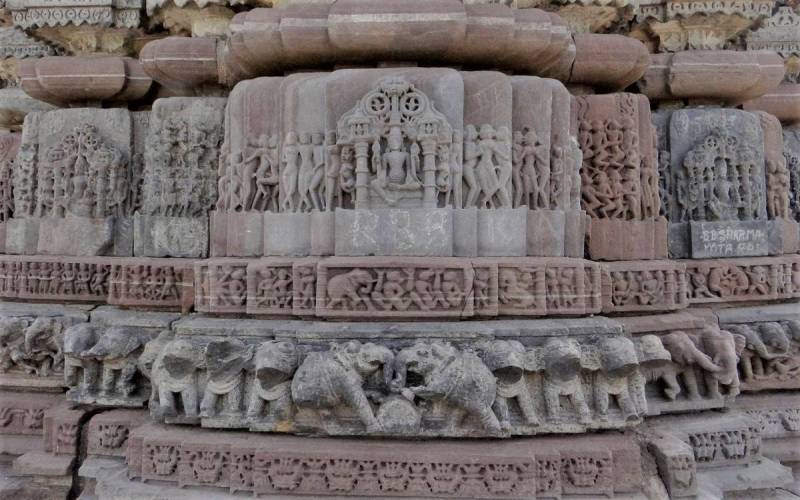
The temple follows the panchayatana style, a layout that typically arranges subsidiary shrines around a central sanctuary. Its design exemplifies Māru-Gurjara architecture, the regional tradition that flourished across Gujarat and Rajasthan during this period. Though both the main spire and dome have collapsed, the surviving walls and pillars retain extensive carved decoration that demonstrates the skill of its medieval craftsmen. The temple's sculptural programme includes representations of apsaras in dancing postures, rendered in the style known as Gandharva kanyas, adorned with jewellery and ornament. Carved narratives drawn from classical texts appear throughout the structure, their detailed execution suggesting the temple's original importance and the resources invested in its creation.
The temple has endured significant damage over centuries, including destruction attributed to the raids of Mahmud of Ghazni, which resulted in the loss of precious objects and sculptures. Despite this history of loss and weathering, enough of the original carved surfaces remain to convey the ambitions of its builders and reward close examination by those interested in medieval Hindu sculpture.
Worship and Devotional Life
As an active Shiva temple, the site continues to serve as a place of worship for local devotees and pilgrims. Temples dedicated to Shiva typically maintain daily worship cycles, though specific details of ritual timings and practices at Bavka are not formally documented. The temple's remote village setting and modest current condition mean that facilities for formal worship are limited compared to larger, better-maintained shrines. Visitors planning to participate in worship should arrive during posted hours and be prepared for a simple setting without the amenities found at more prominent pilgrimage destinations.
Festivals and Auspicious Times
The temple holds particular significance during Shivaratri, the festival dedicated to Shiva, when devotees gather to mark the occasion. The month of Shravan (July–August) also draws worshippers, as this period is traditionally associated with heightened devotion to Shiva across Hindu practice. Dussehra is observed at the site as well. For those visiting primarily to experience the temple's architectural and sculptural heritage, the post-monsoon months of October and November offer the most favourable conditions, with cooler temperatures and clearer skies that aid both comfort and observation.
Practical Information for Visitors
The temple is open daily from 07:00 to 19:00. It is located approximately 14 kilometres from Dahod town, roughly 30 minutes by road from Dahod bus station. Dahod railway station, 14 kilometres away, provides the nearest rail connection; Vadodara Airport, about 160 kilometres distant, is the nearest air terminal. The site's remote village location means that facilities are limited; visitors should bring water, particularly during warmer months.
As an active religious space, modest dress is expected—covering shoulders and knees in accordance with temple custom. The carved surfaces are fragile and require preservation; visitors should avoid touching them. Photography policies should be confirmed upon arrival. The peaceful natural surroundings and rural setting mean the temple receives fewer visitors than more accessible sites, creating a quieter atmosphere suited to contemplation and careful study of the surviving sculptures and architectural details.
What to Expect
The Bavka Shiva Temple appeals to multiple audiences: devotees seeking a place of worship, scholars and enthusiasts of medieval Hindu sculpture, and those interested in architectural history and Gujarat's artistic heritage. The temple's current condition—damaged and weathered though it is—preserves enough of its original carved programme to convey the skill and vision of its medieval builders. Visitors should allow time to examine the carved details closely, as the quality of execution rewards careful observation. The site's quiet, rural setting and limited visitor infrastructure create an experience distinct from more prominent pilgrimage destinations, offering instead a direct encounter with a medieval shrine in its landscape.
How to reach
Temples near Shiva Temple, Bavka

Gopal Mandir Jhabua
Gopal Mandir is a Hindu temple in Jhabua, Madhya Pradesh, dedicated to spiritual figures revered as Bade Bapji, Chhote Bapji, and Gopal Prabhu. It serves as both a religious ins…
Kankanpur Group of Temples
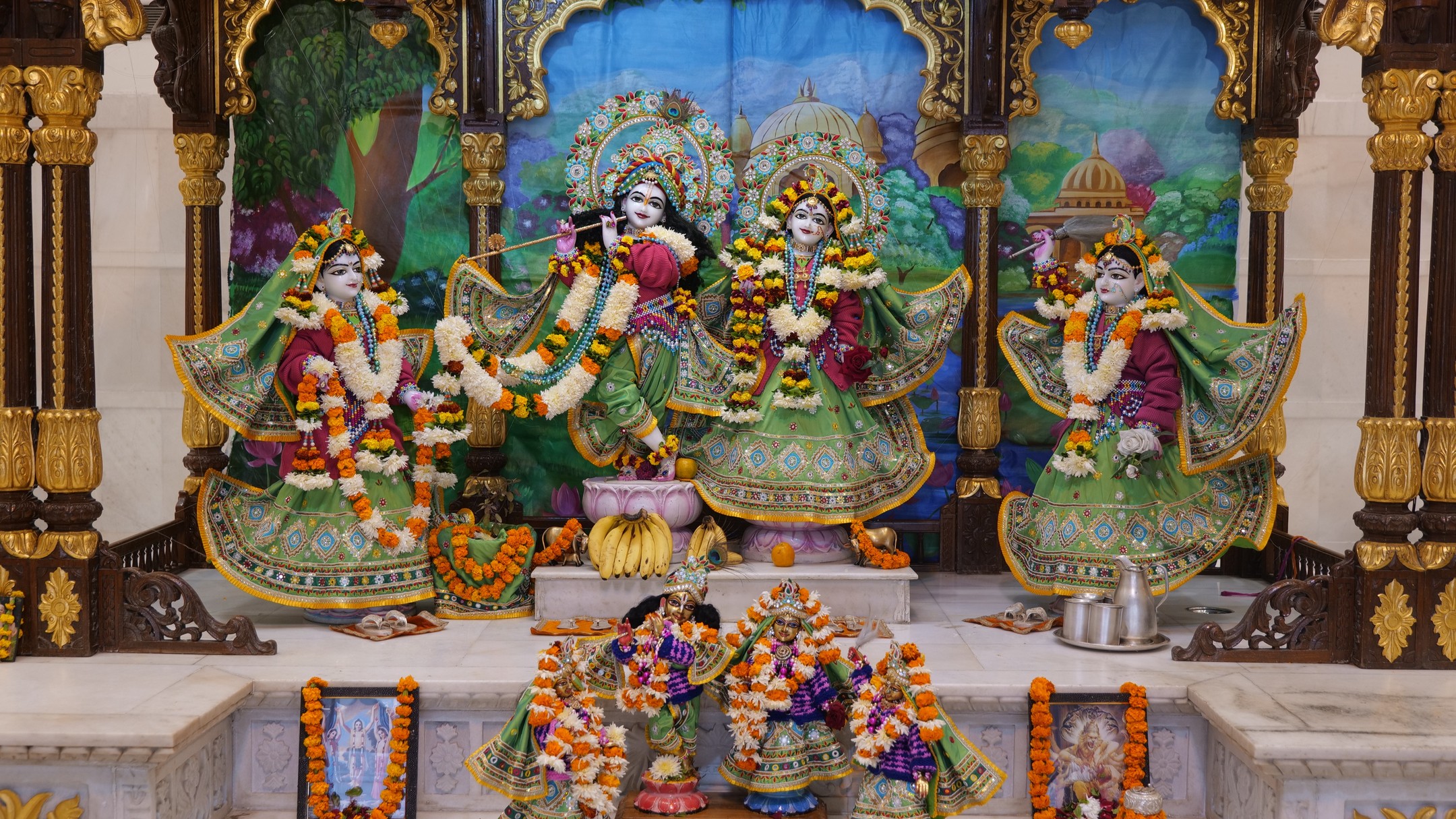
ISKCON Kanpur's Sri Sri Radha Madhava Temple is a Krishna consciousness sanctuary located in Bithoor, dedicated to worship through Vedic traditions and community service.
Kalika Mata Temple, Pavagadh
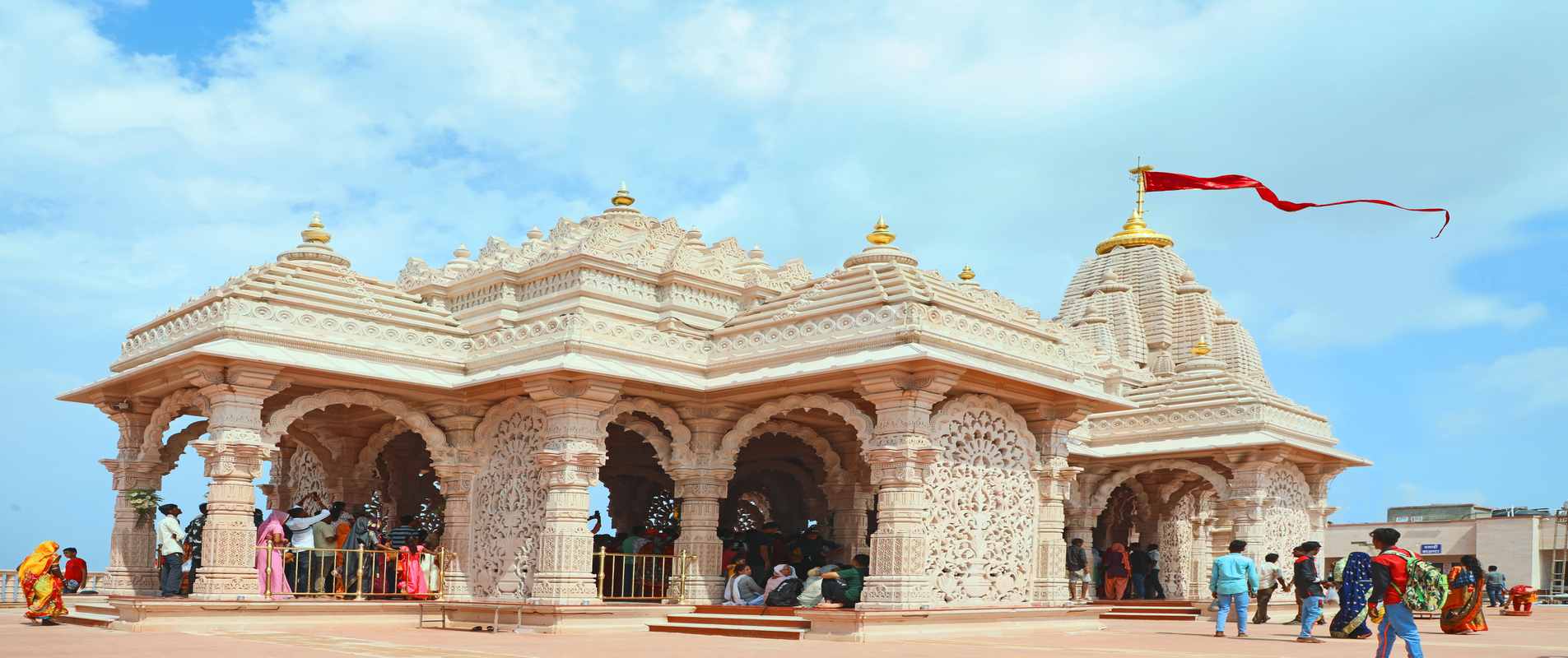
Mahakali Mata Temple, also known as Kalika Mata Temple, crowns Pavagadh Hill in Gujarat's Panchmahal district and stands as one of the most revered Shakti Peetha sites in wester…
Rudra Mahalaya temple, Desar
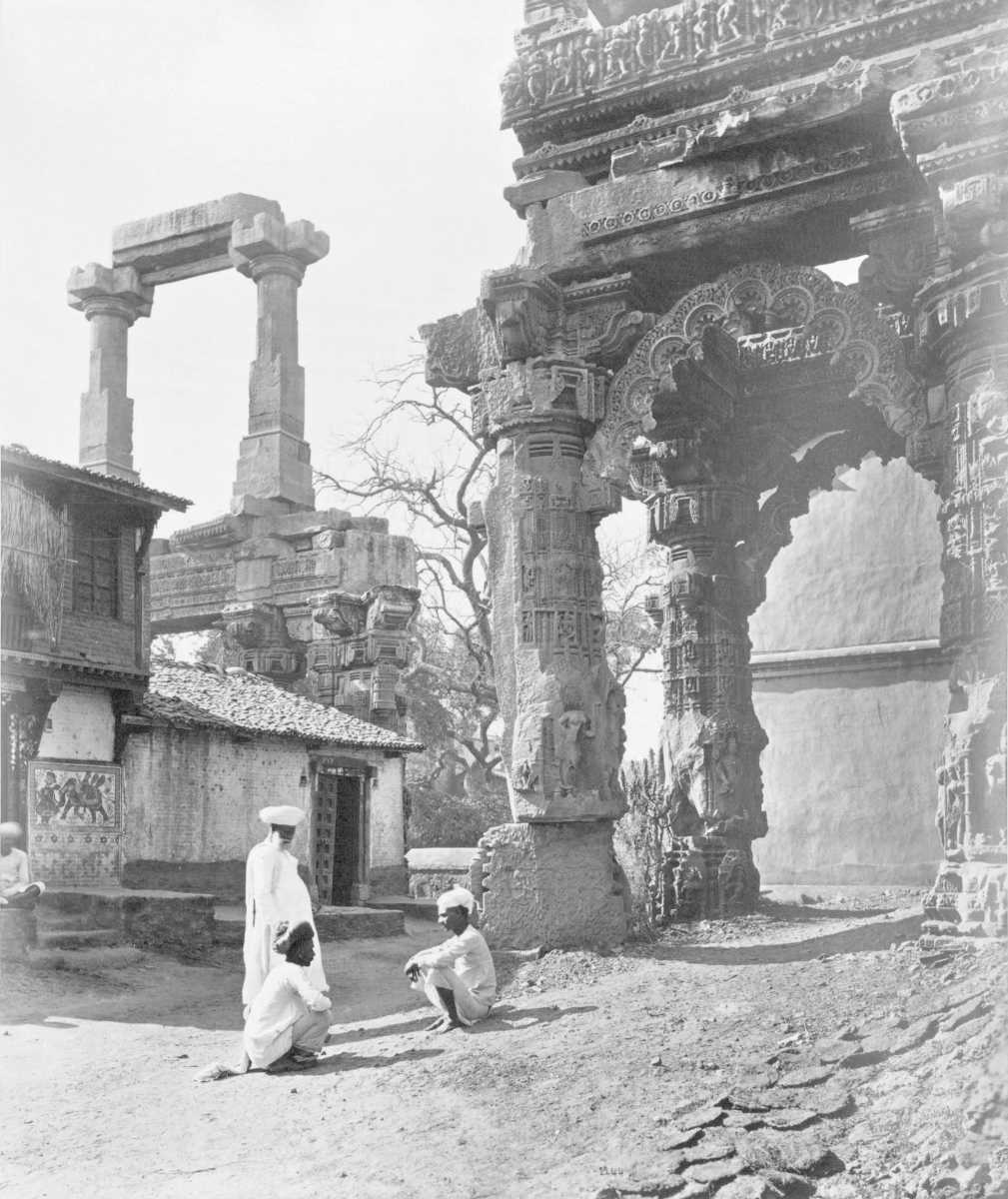
Rudra Mahalaya is a partially ruined medieval Shiva temple complex in Siddhpur, Gujarat, originally built between 943–1140 CE by Chaulukya rulers. Today only architectural fragm…
Kaleshwari Group of Monuments
Kaleshwara Mukteshwara Swamy Temple in Kaleshwaram, Telangana, is a Shaiva shrine distinguished by its dual lingams positioned on a single pedestal, situated at the sacred confl…
EME Temple
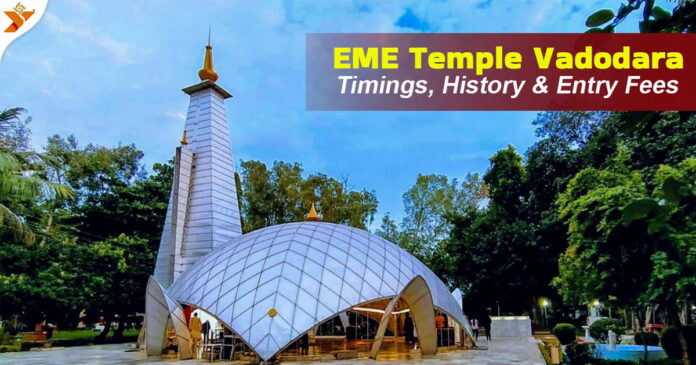
The EME Temple in Vadodara is a uniquely designed Hindu shrine dedicated to Lord Shiva, built by the Electrical and Mechanical Engineers corps of the Indian Army in 1966. Its di…