
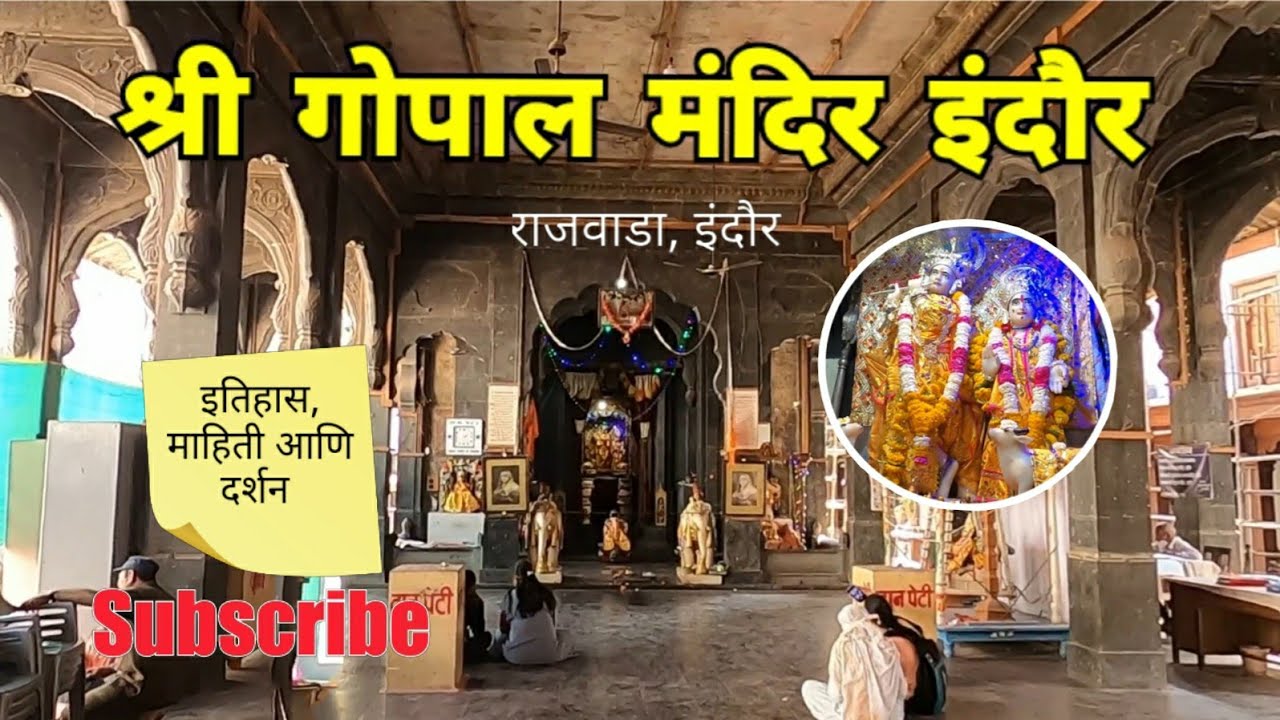
Gopal Mandir Jhabua
About Gopal Mandir Jhabua
Gopal Mandir functions as both a Hindu temple and a religious institution. The temple is closely associated with three figures revered by followers: Ramshankar Jani (known as Bade Bapji), Ghanshyam Jani (Chhote Bapji), and Ravikantaben Jani (Gopal Prabhu). These individuals form the spiritual core around which the temple's community and practice are organized. The specific primary deity of the temple is not documented in available sources, though the name "Gopal" suggests a connection to Krishna worship, as Gopal is a traditional epithet for Krishna. Visitors should inquire locally or contact the temple directly to confirm details about the main deity and the theological focus of worship.
Online Resources and Community Engagement
The temple maintains an active online presence through a blog and social media platforms including Facebook, Twitter, Instagram, and YouTube. The official website and these channels provide access to various materials related to the temple's spiritual teachings and activities. Devotees can find audio recordings of devotional songs (bhajans), published texts on spiritual philosophy, and information about the temple's annual programs and gatherings. Live darshan (viewing of the deity) is offered online, and recordings of arati (ritual worship) and satsang (spiritual discourse) sessions are available. This digital presence allows both local devotees and those at a distance to maintain connection with the temple's spiritual community.
Associated Institutions
Beyond the main temple in Jhabua, the Gopal Mandir organization operates related institutions in other locations. These include branches or affiliated centers in Jantral, Bawdi, and Limkheda. The organization also runs educational and cultural initiatives, including Gopal Shishu Vidya Mandir (a school) and Shri Gopal Pustkalaya (a library). These extensions reflect the temple's role as a broader spiritual and educational institution serving its community beyond ritual worship alone.
Visiting the Temple
Specific visiting hours and detailed facilities information are not provided in available sources. Visitors planning a trip should contact the temple directly through its website or social media channels to confirm current timings, any entry requirements, and what facilities are available. As with most Hindu temples, modest dress is typically expected—clothing that covers shoulders and knees is standard practice. Visitors should be prepared to remove footwear before entering the inner sanctum, as is customary in Hindu worship spaces. Photography policies and any restrictions on recording should be confirmed with temple staff upon arrival.
Spiritual Practice and Gatherings
The temple hosts regular spiritual activities including arati, satsang sessions, and annual observances. Devotional music and scriptural study form part of the temple's spiritual program. The temple publishes and distributes texts related to its philosophical teachings. Annual gatherings and commemorative events bring the community together, though specific dates and details of these observances are not documented in the sources consulted. Interested visitors should check the temple's website or contact them directly for information about upcoming programs and the best times to visit for particular spiritual activities.
How to reach
Temples near Gopal Mandir Jhabua
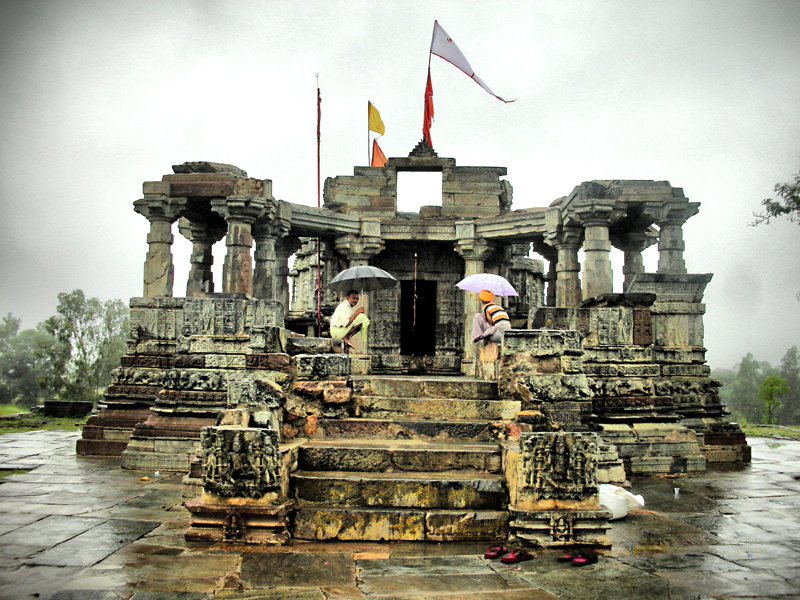
Shiva Temple, Bavka
An ancient Shiva temple in Bavka village, Dahod district, Gujarat, renowned for its intricate medieval sculptures and Māru-Gurjara architectural style. Dating to the 10th–13th c…
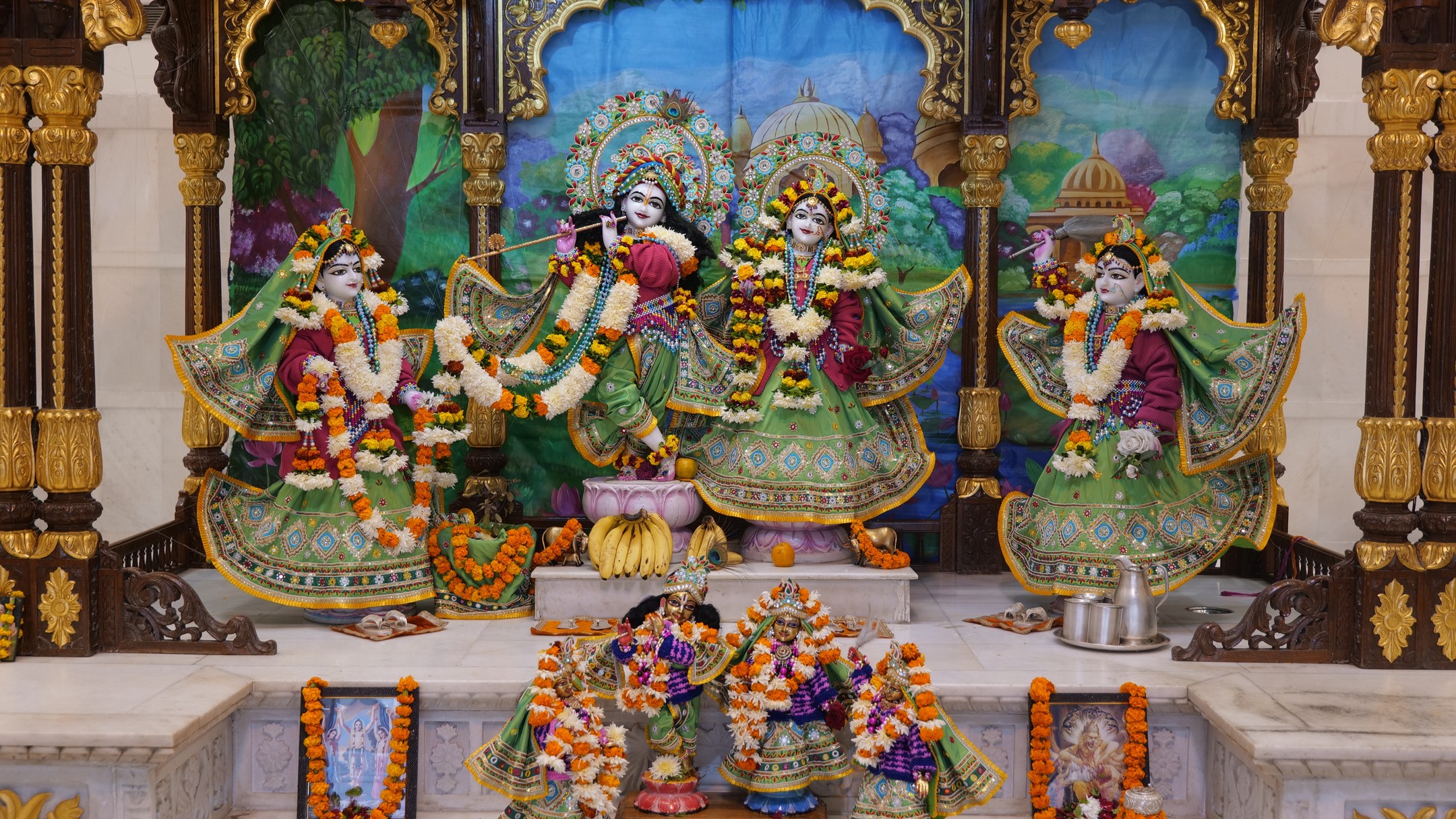
Kankanpur Group of Temples
ISKCON Kanpur's Sri Sri Radha Madhava Temple is a Krishna consciousness sanctuary located in Bithoor, dedicated to worship through Vedic traditions and community service.
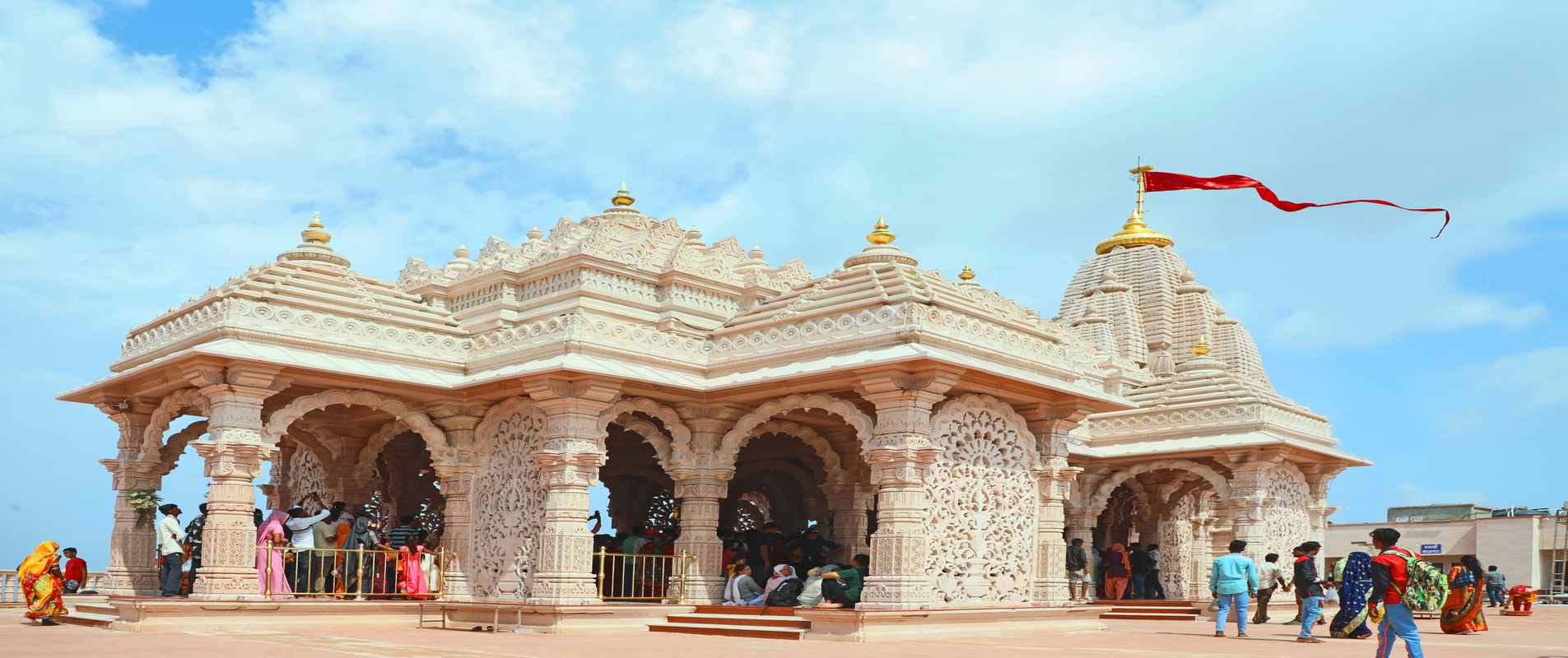
Kalika Mata Temple, Pavagadh
Mahakali Mata Temple, also known as Kalika Mata Temple, crowns Pavagadh Hill in Gujarat's Panchmahal district and stands as one of the most revered Shakti Peetha sites in wester…
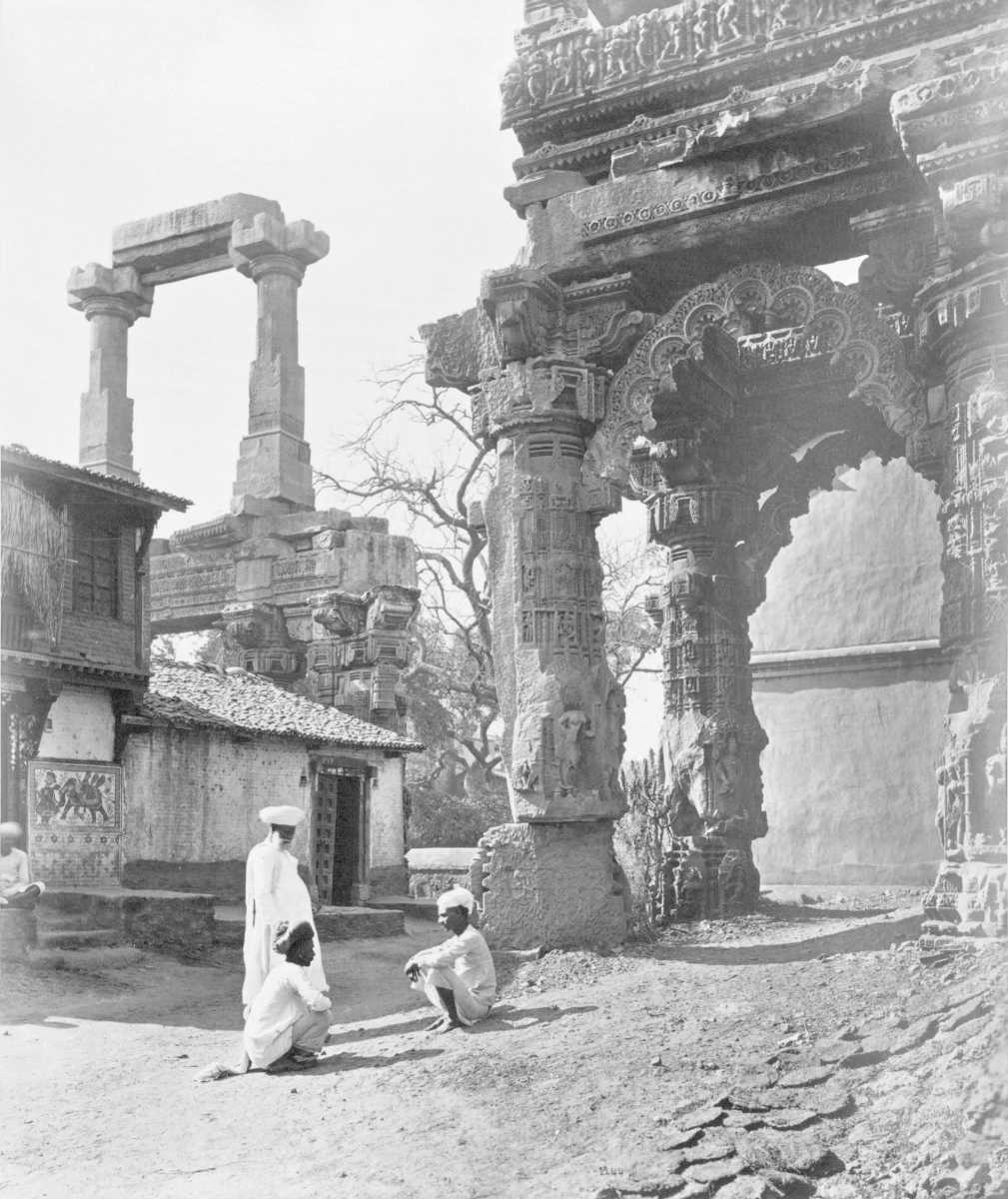
Rudra Mahalaya temple, Desar
Rudra Mahalaya is a partially ruined medieval Shiva temple complex in Siddhpur, Gujarat, originally built between 943–1140 CE by Chaulukya rulers. Today only architectural fragm…
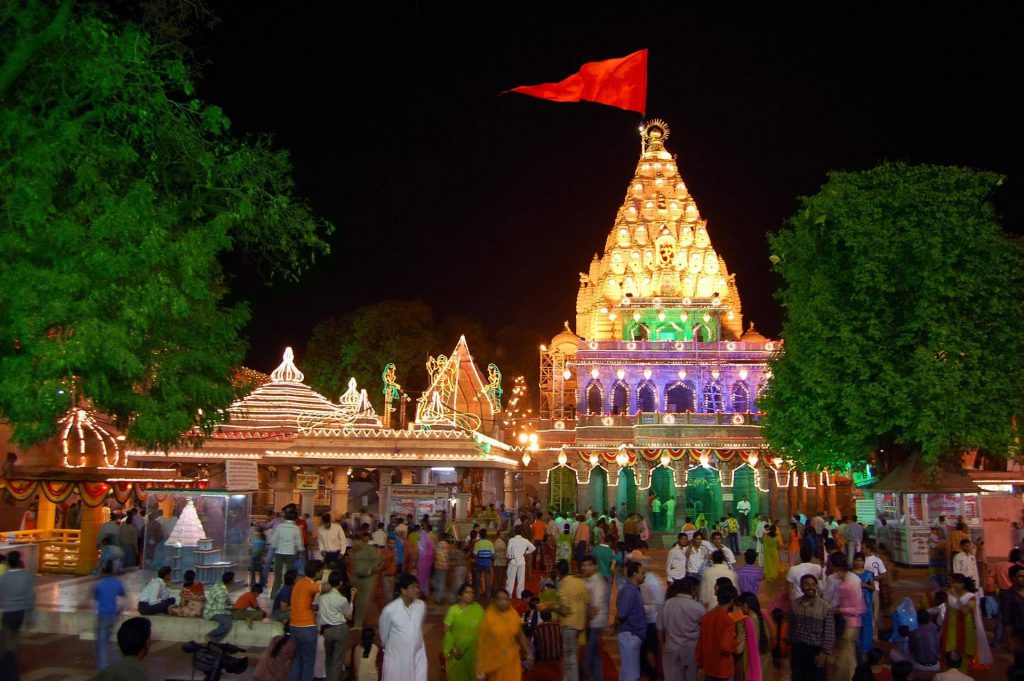
Kaleshwari Group of Monuments
Kaleshwara Mukteshwara Swamy Temple in Kaleshwaram, Telangana, is a Shaiva shrine distinguished by its dual lingams positioned on a single pedestal, situated at the sacred confl…
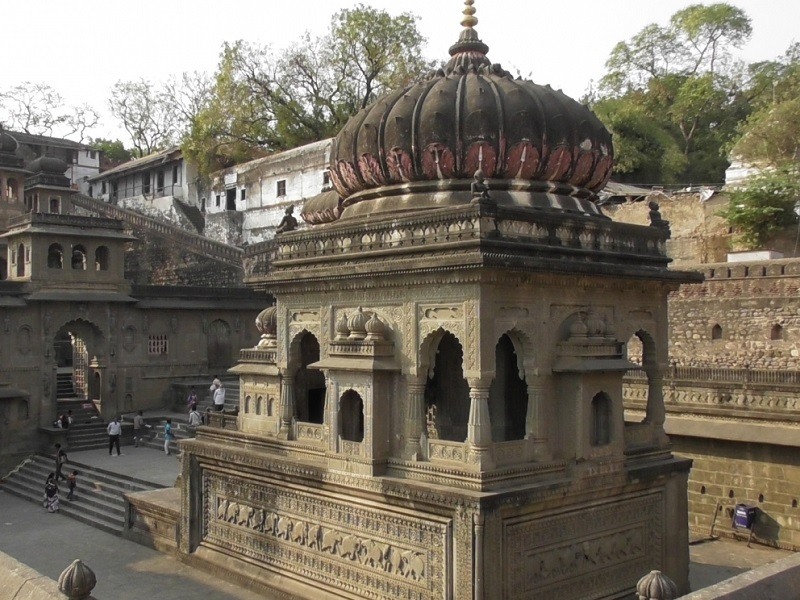
Ahilyeshwar Temple, Maheshwar
Ahilyeshwar Temple in Maheshwar is a 19th-century Shiva shrine built within the historic Maheshwar Fort complex on the banks of the Narmada River, commissioned as a tribute to R…