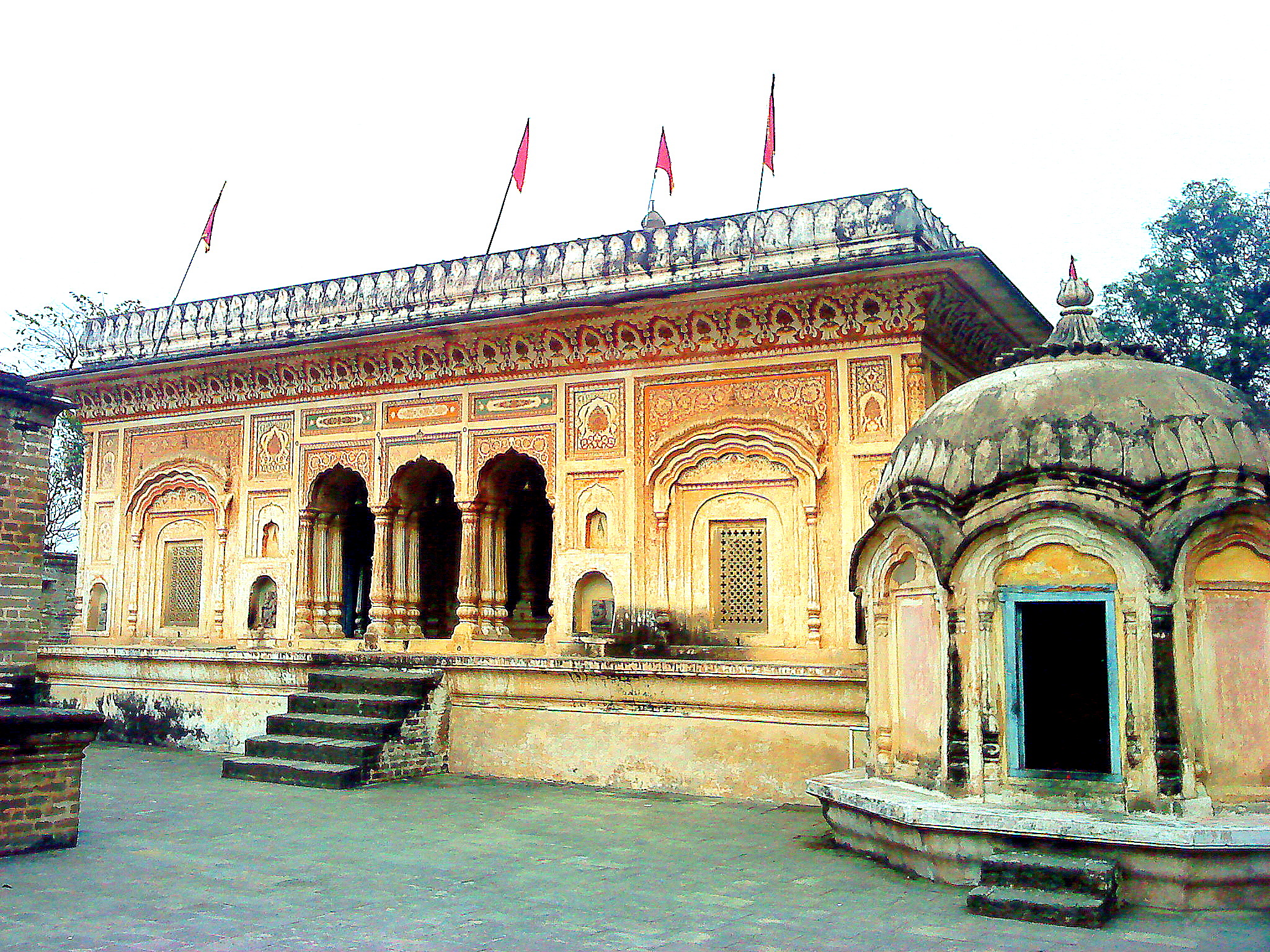
Kaleshwari Group of Monuments
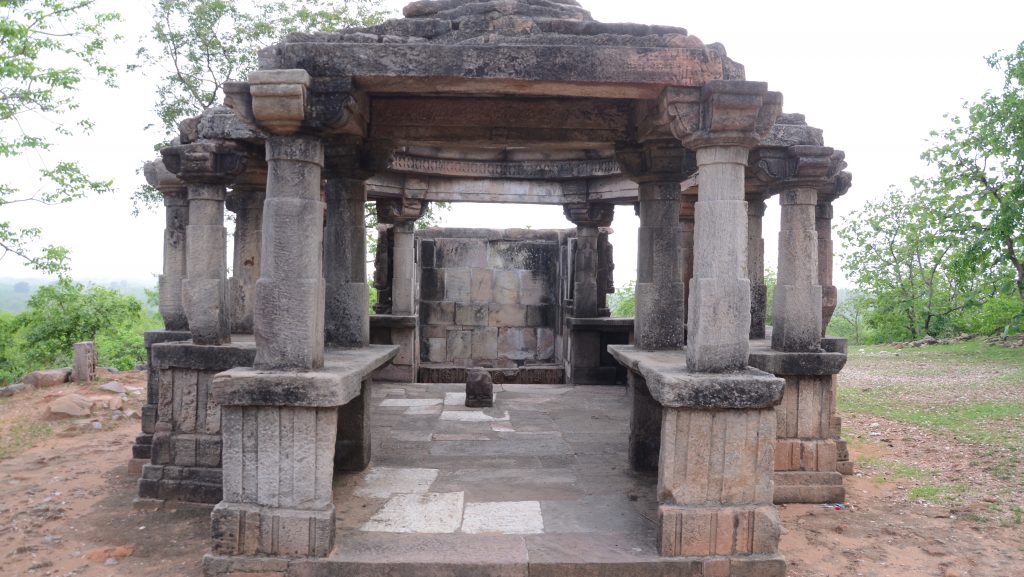
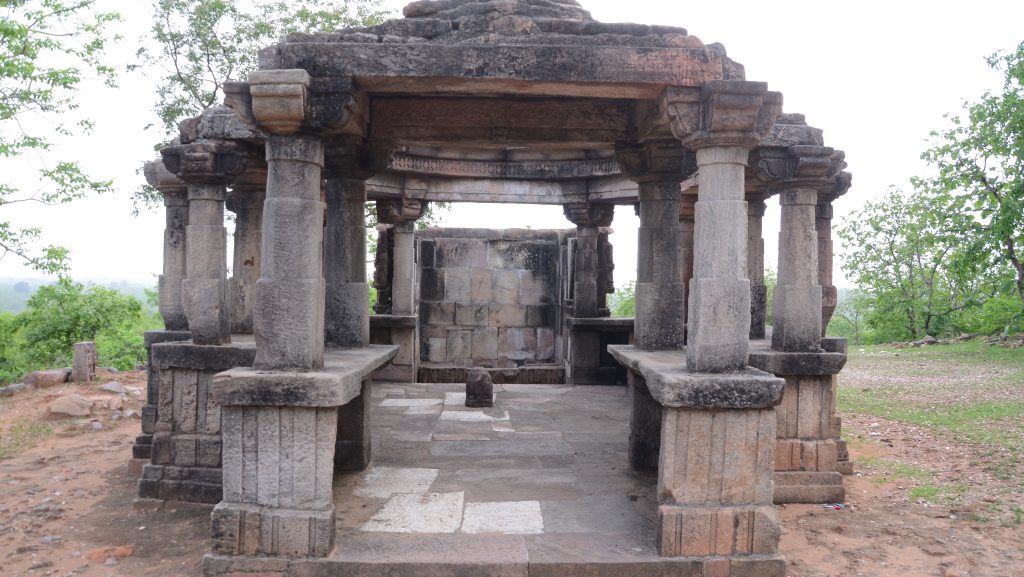
About Kaleshwari Group of Monuments
The temple operates on a structured daily schedule. Morning worship begins at 7:30 am with the temple opening. The early hours feature Ekadasha Rudra Homa and Satyanarayana Pooja at 8:00 am, followed by Kshirabhisheka at 11:30 am and Tulbhara Seva at noon. The temple closes at 1:00 pm and remains closed until 3:30 pm. Evening worship resumes at 3:30 pm, with Ekavara Rudrabhisheka at 7:00 pm, Chikkaranga Pooje at 7:30 pm, Prakarotsava at 8:00 pm, and Deepotsava at 8:30 pm, concluding with closure at 9:30 pm.
These timings may vary on significant observances including Sivaratri, Jatara, and Girija Kalyana. Visitors should confirm current schedules before planning their visit, as ritual calendars can shift.
Festivals and Special Observances
The temple observes several important festivals throughout the year. Sivaratri, the night dedicated to Shiva, draws special observance with modified timings and extended worship. Jatara, the temple's annual fair or gathering, represents a significant occasion in the devotional calendar. Girija Kalyana, celebrating the marriage of Shiva and Parvati, also receives special ritual attention. During these occasions, the standard daily schedule adjusts to accommodate the heightened religious activity.
Visiting Information and Practicalities
The Kaleshwari Group of Monuments lies near Lunavada, the district headquarters of Mahisagar. Visitors traveling by air should note that no airport operates within the district; Ahmedabad Airport, approximately 127 kilometers away, serves as the nearest air terminal. For rail travel, Godhra Railway Station in neighboring Panchmahals district, about 50 kilometers distant, provides the closest connection. Regular bus services connect Mahisagar to major cities across the country, making road travel a viable option for many visitors.
Modest dress is appropriate when visiting active temple sites. Visitors should remove footwear before entering temple areas and follow any instructions provided by temple staff. Photography policies may vary; it is courteous to ask before photographing. The site's scattered ruins and uneven terrain require sturdy footwear for exploration of the broader monument complex.
The Landscape and Surroundings
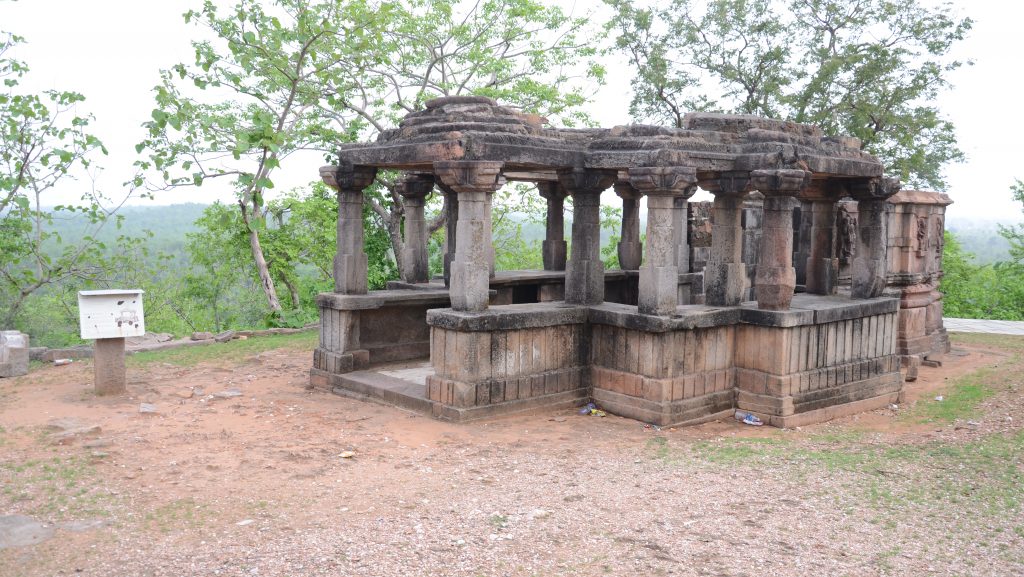
The monuments occupy a setting rich in mythological resonance, situated within Hidimba Van near a flowing stream. This forest connection links the site to narratives from the Mahabharata, adding a layer of legendary significance to the physical landscape. The combination of architectural remains, natural water features, and forested surroundings creates an environment where visitors can experience both the constructed religious space and its natural context. The foothills and hillock topography means the site rewards exploration on foot, though visitors should be prepared for uneven ground and varying elevations.
How to reach
You may also visit
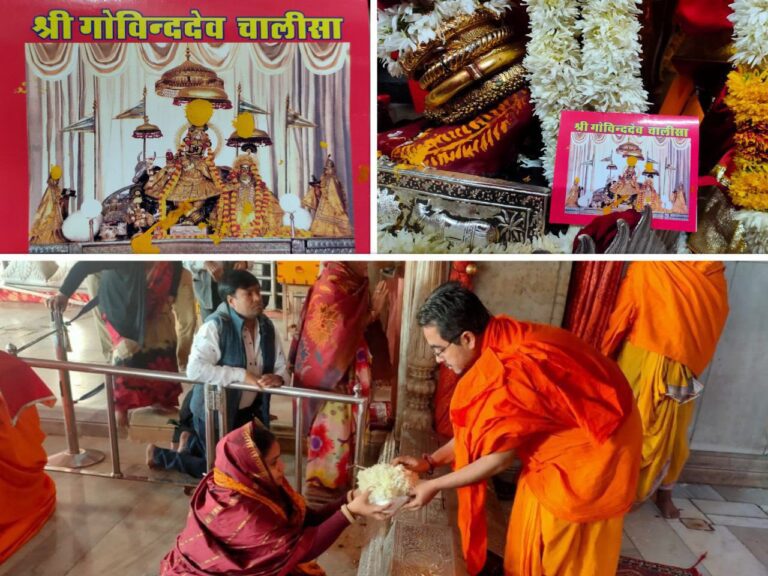
Kalyanji Temple
Kalyanji Temple in Jaipur's Chandpol Bazaar is approximately two centuries old and renowned for displaying the twenty-four avatars of Krishna, visible only twice yearly during Akha Teej and Patottsav festival.
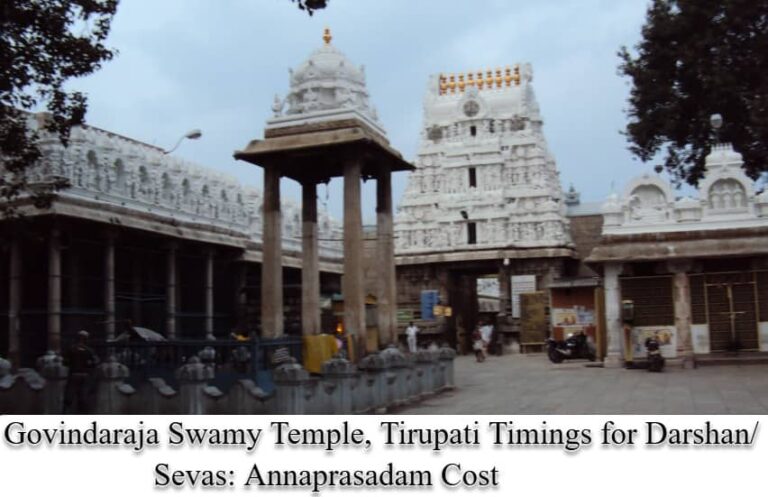
Govindarajaswamy Temple
Sri Govindarajaswamy Temple in Tirupati is an ancient Vaishnavaite shrine consecrated in 1130 AD by Saint Ramanuja, where the presiding deity rests in eternal Yoga Nidra on the serpent Adisesha.
Narbadeshwar Temple
The Narbadeshwar Temple in Hamirpur district, Himachal Pradesh, is a shrine dedicated to Lord Shiva, located in the Sujanpur Tira area.