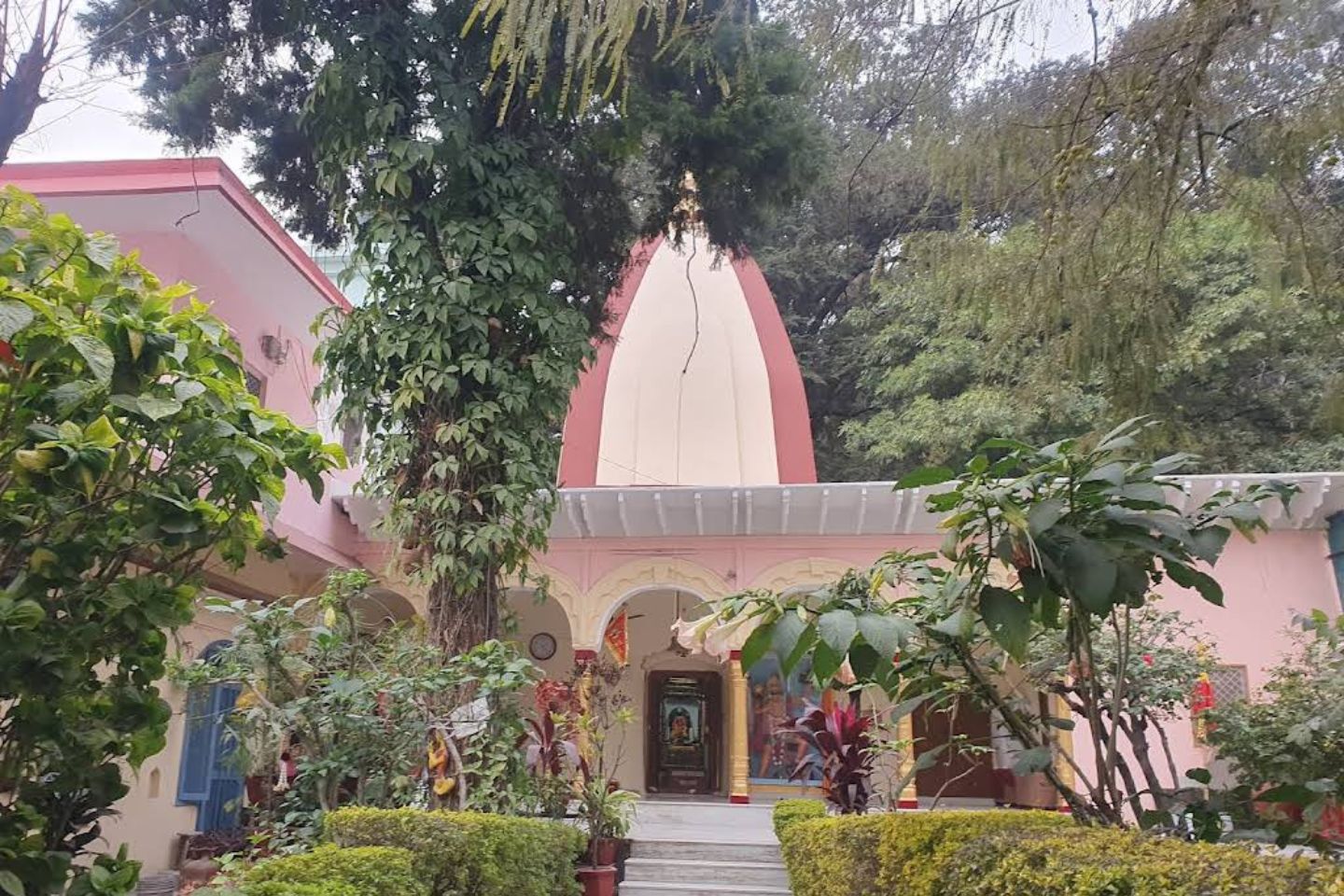
Shatrughna Temple
About Shatrughna Temple
The temple sits in Muni-Ki-Reti, a neighbourhood within Rishikesh known for its concentration of ashrams and spiritual communities. The address is Shatrughan Temple, Shivananda Nagar, Tehri Garhwal, Rishikesh, Uttarakhand 249192. The temple is open daily from 6:00 am to 8:30 pm, making it accessible for both early morning and evening visits. There is no entry fee, removing any financial barrier to darshan.
The location places the temple within easy reach of other Rishikesh pilgrimage sites and ashrams. Visitors exploring the town's spiritual offerings can incorporate this shrine into a broader itinerary without difficulty.
Visiting Practices and Etiquette
As with Hindu temples generally, modest dress is expected when entering the shrine. Shoes are removed before approaching the inner sanctum, a practice that reflects the sacred nature of the space. The temple welcomes visitors of all backgrounds, though those entering should do so with respect for the devotional atmosphere and the practices of worshippers present.
Since the temple is situated within a residential neighbourhood of ashrams, visitors should be mindful of local customs and maintain quiet behaviour. Photography policies are not specified in available sources, so it is advisable to seek permission before taking photographs inside the temple. The free entry and extended daily hours make this an accessible addition to a visit to Rishikesh's spiritual sites.
Daily Rhythms of Worship
The temple operates throughout the day, opening at dawn and closing in the evening. This schedule aligns with traditional Hindu temple practice, which typically emphasizes early morning as an auspicious time for darshan. The extended hours until 8:30 pm accommodate both those who prefer dawn visits and evening worshippers. Specific details about aarti timings or other daily rituals are not documented in available sources, so visitors may wish to inquire locally upon arrival to learn about the temple's particular worship schedule.
The Ramayana Connection
Shatrughna's significance within Hindu devotion stems entirely from his role in the Ramayana, one of the tradition's foundational texts. As Rama's youngest brother, he appears throughout the epic narrative, and his worship acknowledges the importance of familial bonds and loyalty. Temples dedicated to him, though rare, represent a complete honouring of the divine family rather than focus on a single deity.
For pilgrims engaged with Ramayana study or devotion, this temple offers a concrete expression of the epic's values. The shrine's existence in Rishikesh, itself a major pilgrimage centre associated with Hindu spiritual practice, situates Shatrughna's worship within a landscape already devoted to sacred learning and devotion.
Planning Your Visit
The temple's free entry and accessible hours make it straightforward to include in a Rishikesh itinerary. Visitors should allow time for unhurried darshan and should be prepared to remove shoes before entering. The neighbourhood setting means that visits are best made during daylight hours if you are unfamiliar with the area. Early morning visits align with traditional Hindu practice and may offer a quieter atmosphere for worship.
Since specific information about facilities, prasad distribution, or other services is not documented, visitors may wish to contact local ashrams or tourism offices in Rishikesh for additional details about what to expect during a visit.
How to reach
Temples near Shatrughna Temple
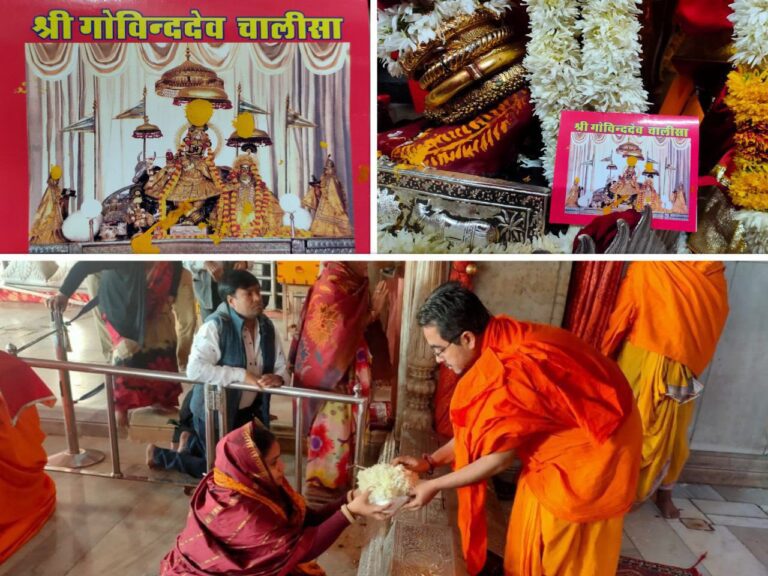
Thripaya Trimurti Temple
Thripaya Trimurti Temple in Irinjalakuda, Thrissur is a rare shrine where Brahma, Shiva, and Vishnu sit together on a single pedestal in one sanctum, representing the Hindu tria…
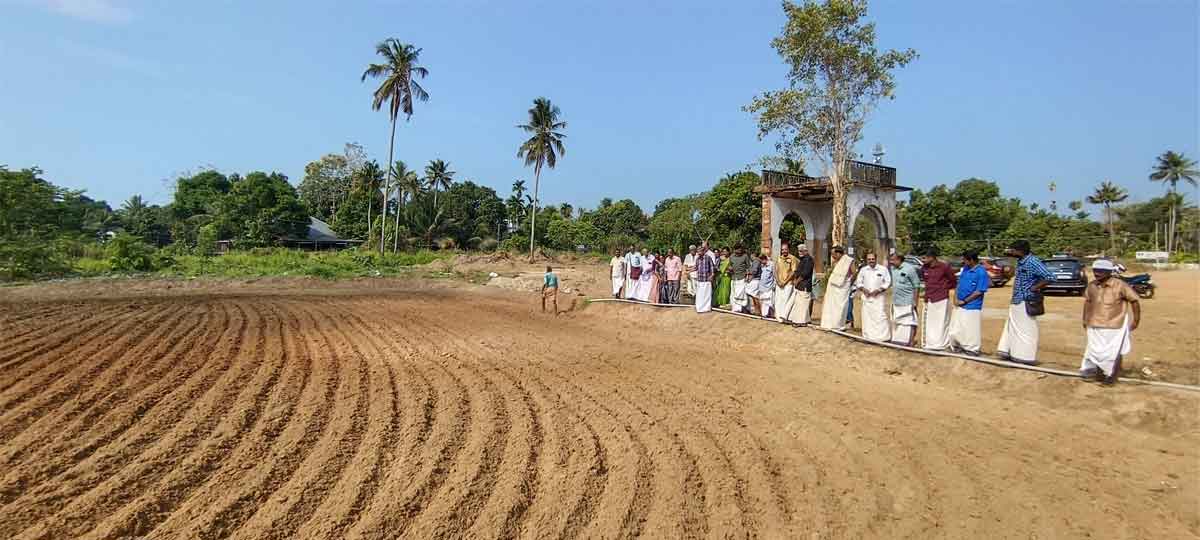
Koodalmanikyam Temple
Koodalmanikyam Temple in Irinjalakuda, Thrissur, is Kerala's sole ancient temple dedicated to Bharata of the Ramayana, housing an idol of Vishnu and known by the Sanskrit name S…
Mahadeva Temple, Avittathur
Mahadeva Temple in Avittathur is an ancient Shiva sanctuary over 2000 years old, traditionally believed to have been established by Sage Agastya and forming part of Kerala's rev…
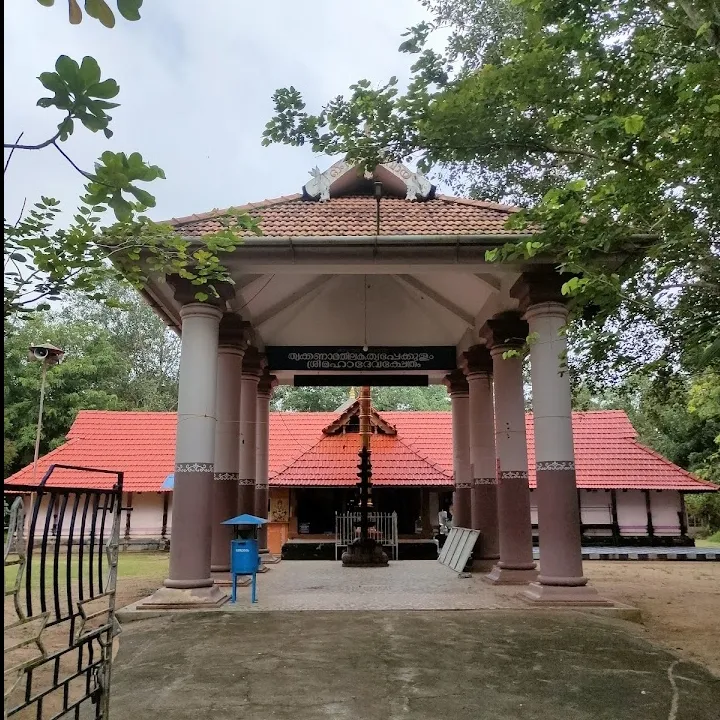
Thruppekkulam Shiva Kshethram
Thruppekkulam Shiva Kshethram is a Shiva temple located in Kerala, India, dedicated to Lord Shiva.
Kochambalam Devi Temple
Sri Subrahmanya Temple in Nayarambalam, Kochi, also known as Kochambalam, is devoted to Lord Subrahmanya (Muruga) and hosts the significant annual Thaipooyam festival.
Kodungallur Bhagavathy Temple
Kodungallur Sree Kurumba Bhagavathy Temple is an ancient Hindu shrine dedicated to Bhadrakali, a fierce form of the goddess Mahakali, and serves as the head temple of 64 Bhadrak…