Bhima Devi Temple Site Museum
About Bhima Devi Temple Site Museum
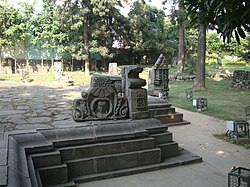
The temple complex dates to the 8th through 11th centuries, a period when the Gurjara-Pratihara dynasty controlled much of northern India and commissioned ambitious architectural projects. Excavations have revealed that the original temple followed a panchayatan layout—a five-temple arrangement—providing insight into how worship was spatially organized within the complex. The architectural style reflects the sophistication of Gurjara-Pratihara craftsmanship, evident in the carved stone fragments now displayed across the site.
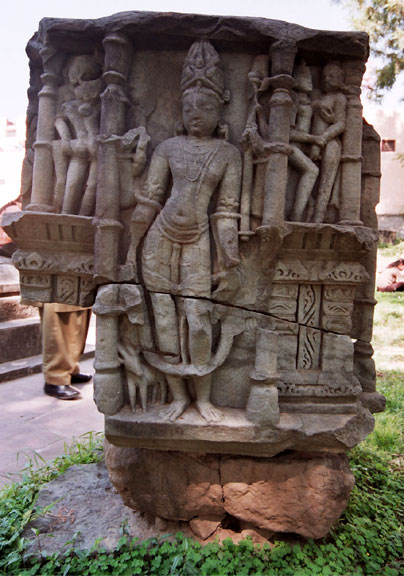
The temple's sculptural programme included representations of Hindu deities, celestial musicians and attendants (gandharvas and apsaras), animal motifs, and—notably—erotic figures. This last category has earned the site comparison to Khajuraho, the celebrated medieval temple complex in Madhya Pradesh. Such imagery appears within tantric and Shakti traditions as expressions of creative cosmic force rather than as secular decoration. The recovered fragments demonstrate the technical mastery of stone carvers working within established iconographic conventions.
Destruction and Rediscovery
The temple's standing structures were systematically destroyed during medieval invasions, likely during the 17th century or possibly earlier incursions. The complex lay in ruins for centuries until modern archaeological attention began to recover and document its remains. Systematic excavation and study by the Speaking Archaeologically team between 2015 and 2019 produced detailed documentation published in 2020, allowing contemporary understanding of the site's original form and significance.
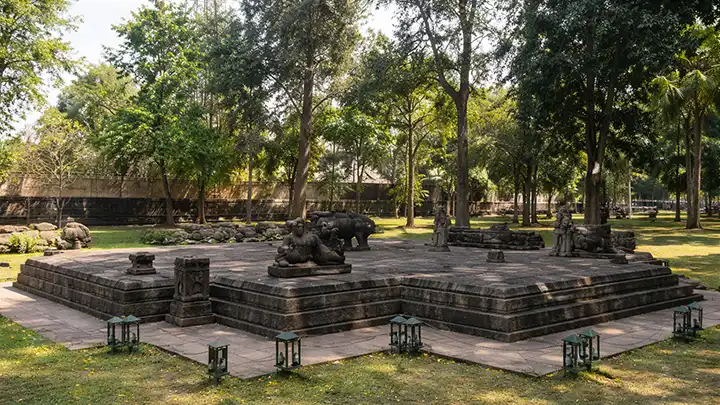
This recovery process transformed the ruins from scattered debris into legible archaeological evidence. The layout plan recovered during excavation now permits visitors to mentally reconstruct the five-temple arrangement and understand how the sacred space functioned.
Visiting the Site
The Bhima Devi Temple Site Museum operates daily from 8:00 AM to 6:00 PM with free entry. The site occupies uneven archaeological terrain, so comfortable walking shoes are essential. Much of the museum remains open-air, making sun protection advisable. Photography is permitted throughout, allowing visitors to document individual sculptures and the broader site context.
The optimal visiting season runs from October through March, when the climate supports extended outdoor exploration. December brings the Pinjore Heritage Festival, during which the site receives special illumination and hosts cultural programming, offering a different experiential dimension to the ruins.
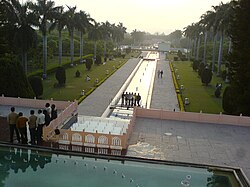
The site is located in Pinjore town, Panchkula district, Haryana, at coordinates 30.7925, 76.91222222. The address is Pinjore, Panchkula district, Haryana 134102. The adjacent Pinjore Gardens, dating to the 17th century, provide a complementary historical landscape within walking distance.
What to Expect
Visitors should prepare for an archaeological site rather than an active temple with regular worship. The museum displays recovered architectural fragments—carved stone pieces that once formed part of the temple structure—arranged to convey both individual artistic achievement and the broader sacred complex. The sculptures represent different categories of religious imagery and demonstrate the sculptural conventions of the period.
The site requires active engagement; understanding emerges through observation of the fragments and their arrangement rather than through passive viewing. Visitors interested in medieval Indian architecture, sculpture, or the history of Shakti worship will find substantial material for study. Those seeking an active pilgrimage experience with daily rituals and priestly services should understand that this site functions primarily as a museum of material remains.
How to reach
Temples near Bhima Devi Temple Site Museum
Kalka
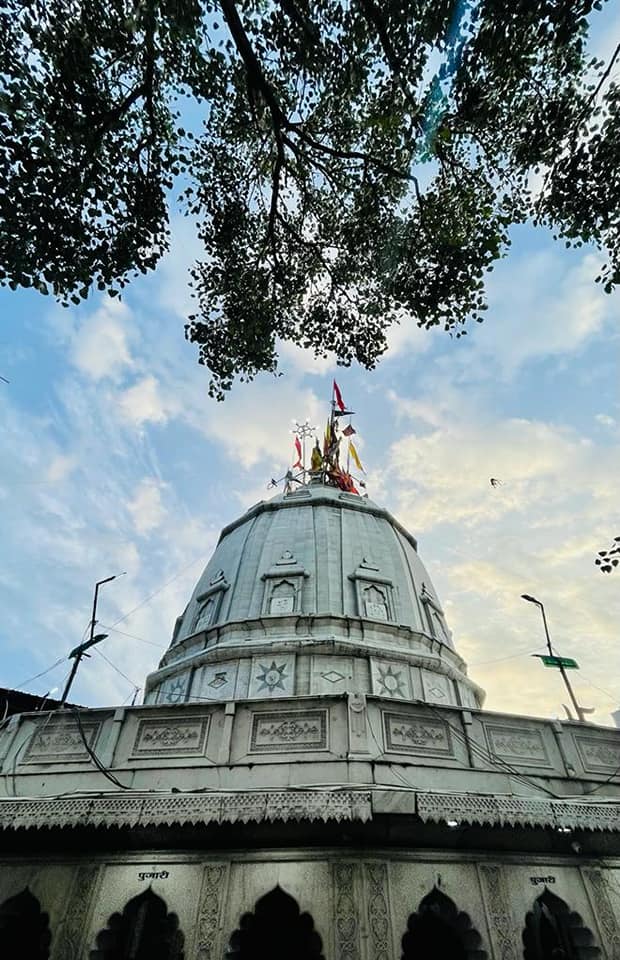
Kalkaji Mandir is a Hindu temple dedicated to Goddess Kalka located in the Kalkaji neighborhood of South Delhi, near Nehru Place. The shrine attracts numerous devotees throughou…
Chandi Mandir
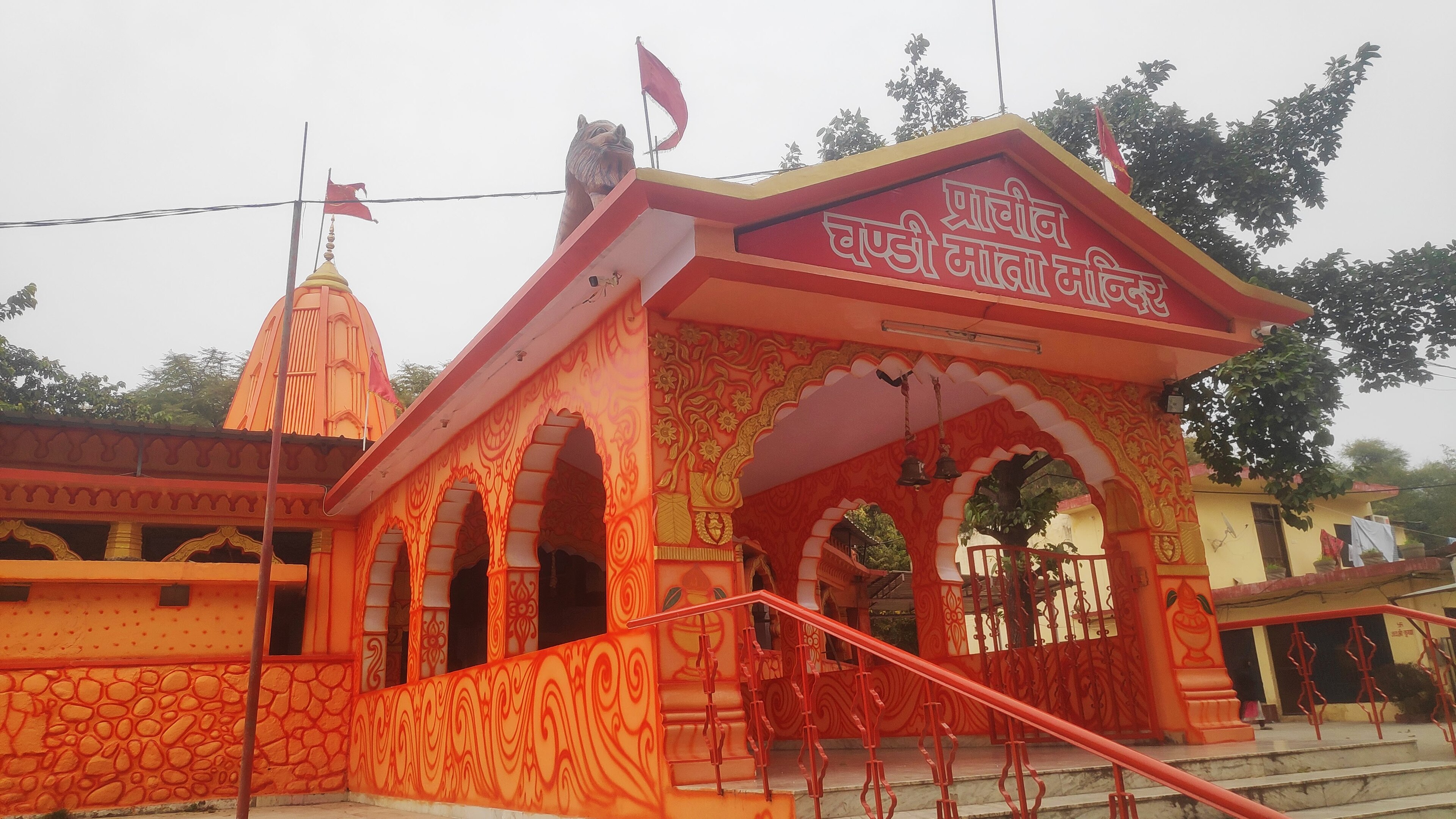
Chandi Mandir is a Hindu temple dedicated to the goddess Chandi, located near Chandigarh in Panchkula, Haryana, approximately 15 km from the city that bears the temple's name.
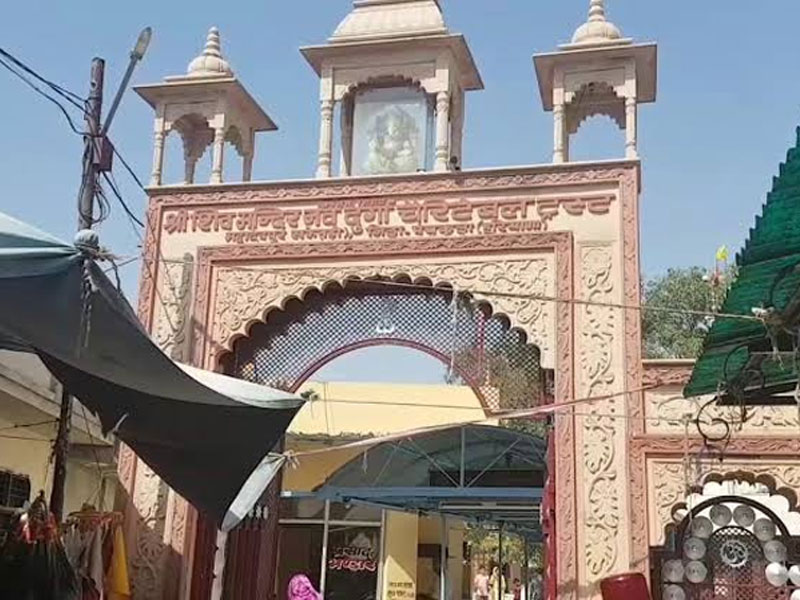
Saketri Shiv Mandir
Saketri Shiv Mandir is a historic Hindu temple in Panchkula, Haryana, dedicated to Lord Shiva. According to local tradition, the Pandavas performed penance here during their exi…
Shri Mansa Mata Mandir Hasampur
Shri Mansa Mata Mandir in Hasampur, Sikar district, Rajasthan, is a prominent Shakti temple dedicated to Mansa Devi spread across 100 acres in the Hasampur Hills foothills. The…
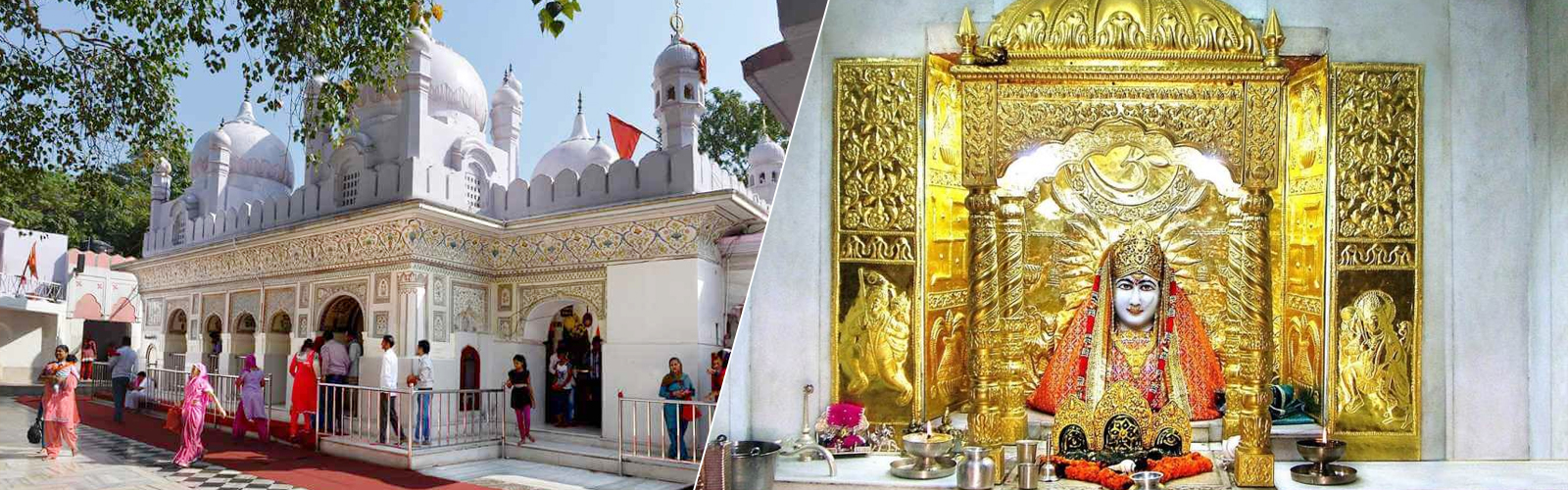
Mata Mansa Devi Mandir
Mata Mansa Devi Mandir is a Hindu temple dedicated to goddess Mansa Devi, a manifestation of Shakti, located in the Shivalik foothills of Haryana's Panchkula district.
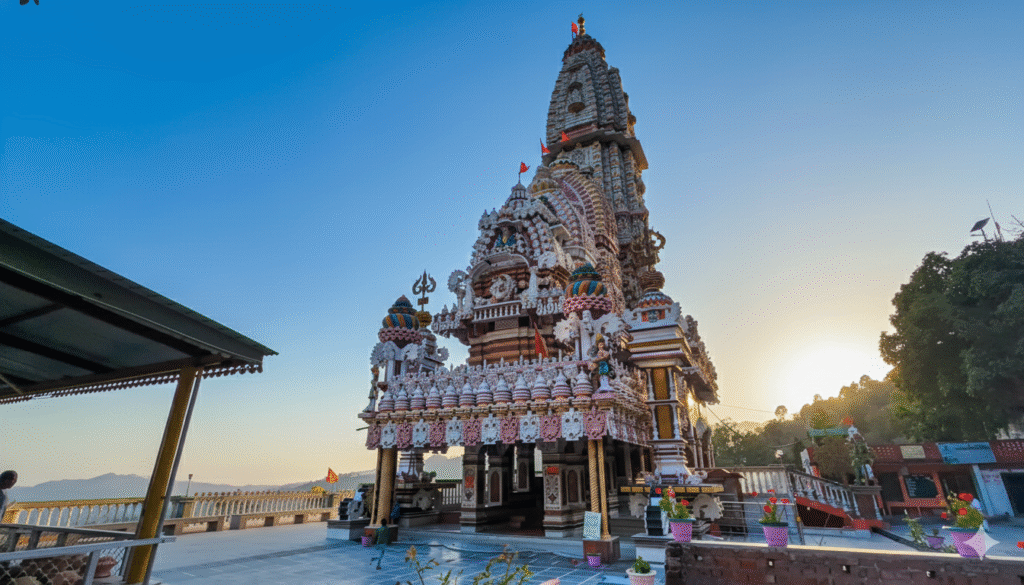
Jatoli Temple
Jatoli Temple is a Hindu shrine dedicated to Lord Shiva located in Solan, Himachal Pradesh, notable for its 111-foot shikhara that makes it the highest Shiva temple in Asia.