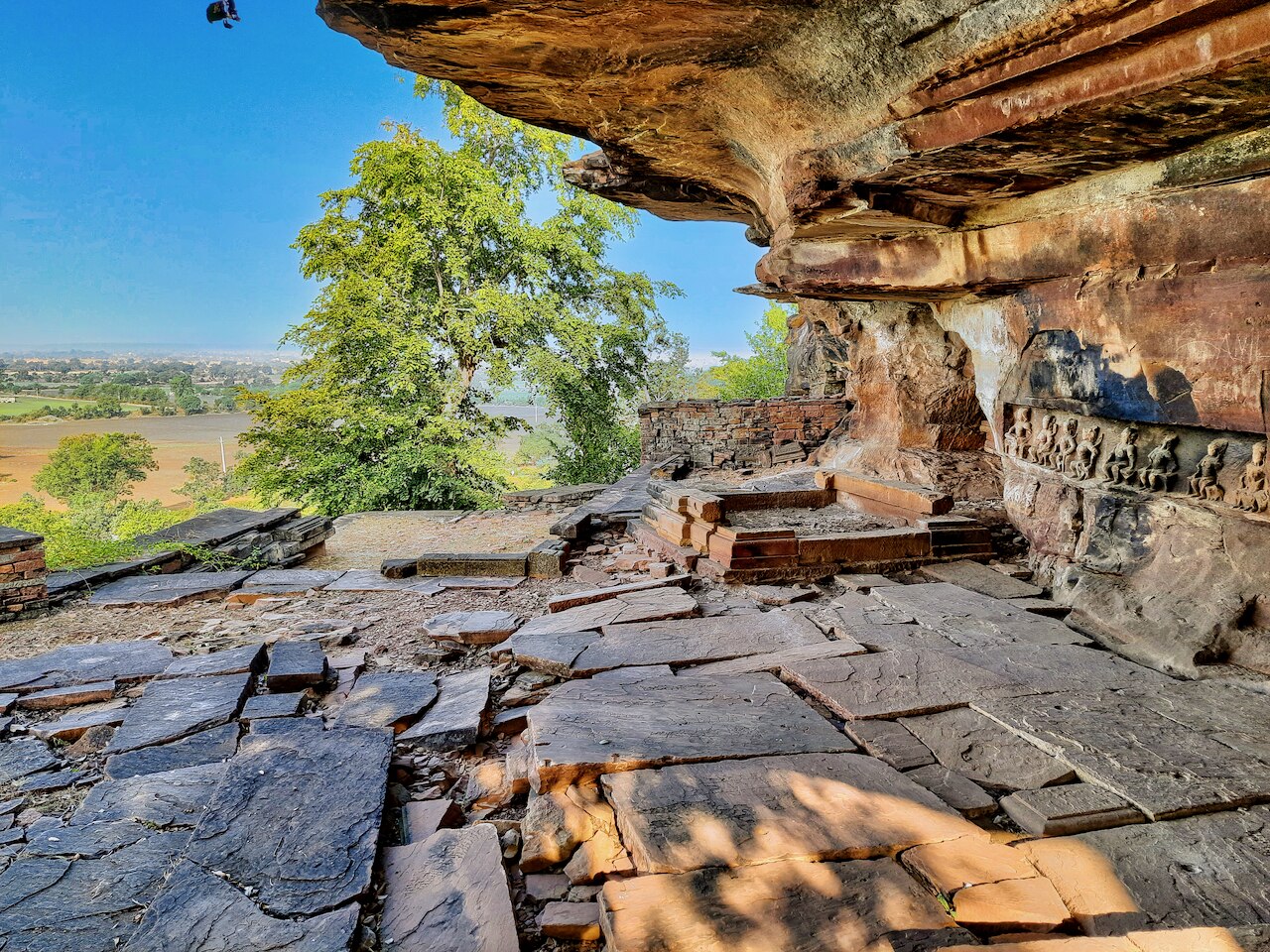
Saptamatrika cave, Badoh Pathari
About Saptamatrika cave, Badoh Pathari
The Saptamatrika cave was established during the 4th to 6th centuries, placing it within the Gupta era—a period of considerable cultural and religious flourishing in India. Badoh Pathari itself functioned as a major religious and trade hub during this time, with Sanskrit texts and early inscriptions referring to the region as Vatodaka. The site's location in a valley surrounded by four hills—Gyannath, Gadori, Anhora, and Sapa—provided both natural protection and abundant sandstone, the primary material used to carve caves and construct temples.
The cave shrine exists within a broader landscape of religious monuments. Badoh Pathari contains multiple temples spanning from the 5th to 13th centuries, representing Hindu, Jain, and Buddhist traditions. This archaeological density makes the region invaluable for understanding how different faiths coexisted and developed during medieval India. The Saptamatrika cave remains one of the earliest and most significant examples of this religious heritage.
The Cave and Its Setting
The cave temple was carved directly from the sandstone hills that characterize the Badoh Pathari terrain. The natural rock formations offered ideal conditions for creating sacred spaces, and artisans of the Gupta period skillfully transformed these hillsides into places of worship. The cave's construction reflects the architectural practices of its era, with carved surfaces that once held religious imagery and inscriptions.
The surrounding landscape remains scenic and somewhat remote, with the monadnocks and valleys creating a contemplative environment. Modern road improvements in the late 2010s have made access to major historic sites around Badoh Pathari considerably easier, though the area retains its rural character. The cave sits within a cluster of other significant temples and archaeological sites, making it part of a larger pilgrimage and heritage circuit.
Visiting the Cave Temple
The Saptamatrika cave is located in Pathari village, Vidisha district, Madhya Pradesh. The postal address is MD2914, Pathari, with the postal code 464337. Visitors should note that specific darshan timings are not formally documented in available sources; it is advisable to contact local authorities or the village before planning a visit, as festival days may have different access hours.
As an ancient cave shrine and protected archaeological site, the cave requires respectful behavior from visitors. Modest dress is appropriate when visiting Hindu temples and sacred spaces. The terrain around Badoh Pathari is hilly and somewhat remote, so sturdy footwear and adequate water are recommended. The site's archaeological importance means that visitors should take care not to disturb carved surfaces or inscriptions. Photography policies may vary; it is best to inquire locally before photographing.
Reaching Badoh Pathari
Badoh Pathari is situated in eastern Malwa, within Vidisha district in Madhya Pradesh. The coordinates are approximately 23.925°N, 78.211°E. The region's improved road network in recent years has enhanced accessibility to the major historic sites. Visitors traveling from larger cities in Madhya Pradesh should plan their route via Vidisha district. Local inquiry about current road conditions and the best approach to the cave site is recommended, as the terrain remains somewhat rural and signage may be limited.
The twin villages of Badoh and Pathari serve as the base for exploring the cluster of temples and caves in the area. Accommodation and services are modest, reflecting the rural setting. Visitors interested in the broader archaeological heritage should plan time to explore nearby sites such as the Dasavatara temples and other protected monuments within the Badoh Pathari complex.
How to reach
Temples near Saptamatrika cave, Badoh Pathari
Gadarmal Devi temple
Gadarmal Devi temple is a 7th–8th century Hindu and Jain yogini shrine in Badoh village, Vidisha, featuring 42 uniquely arranged niches for goddess statues in a rectangular open…
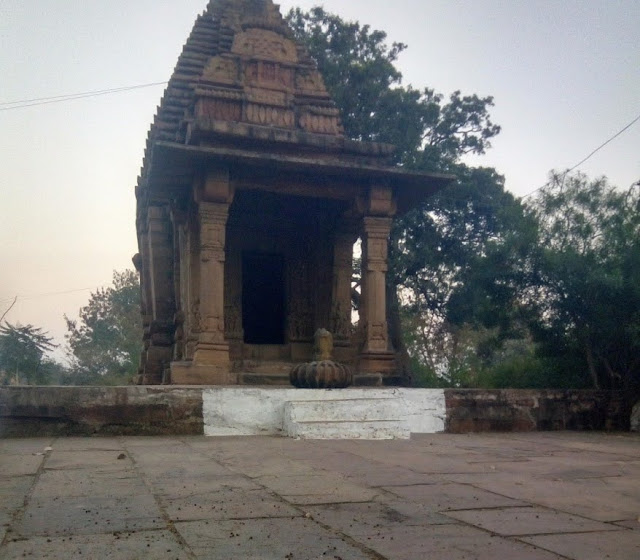
Kutkeshwar temple, Badoh Pathari
Kutakeswara Temple is a 9th-century Hindu shrine dedicated to Lord Shiva located in Badoh village, Vidisha District, Madhya Pradesh. Classified as a Monument of National Importa…
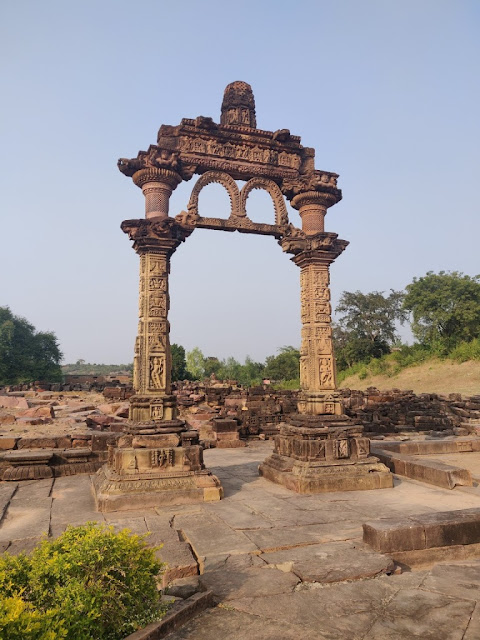
Hindola torana and Chaukhamba
Hindola Torana is an ornamental entrance arch from the 10th century dedicated to Lord Vishnu, located in Gyaraspur, Madhya Pradesh. The adjacent Chaukhamba represents remains of…
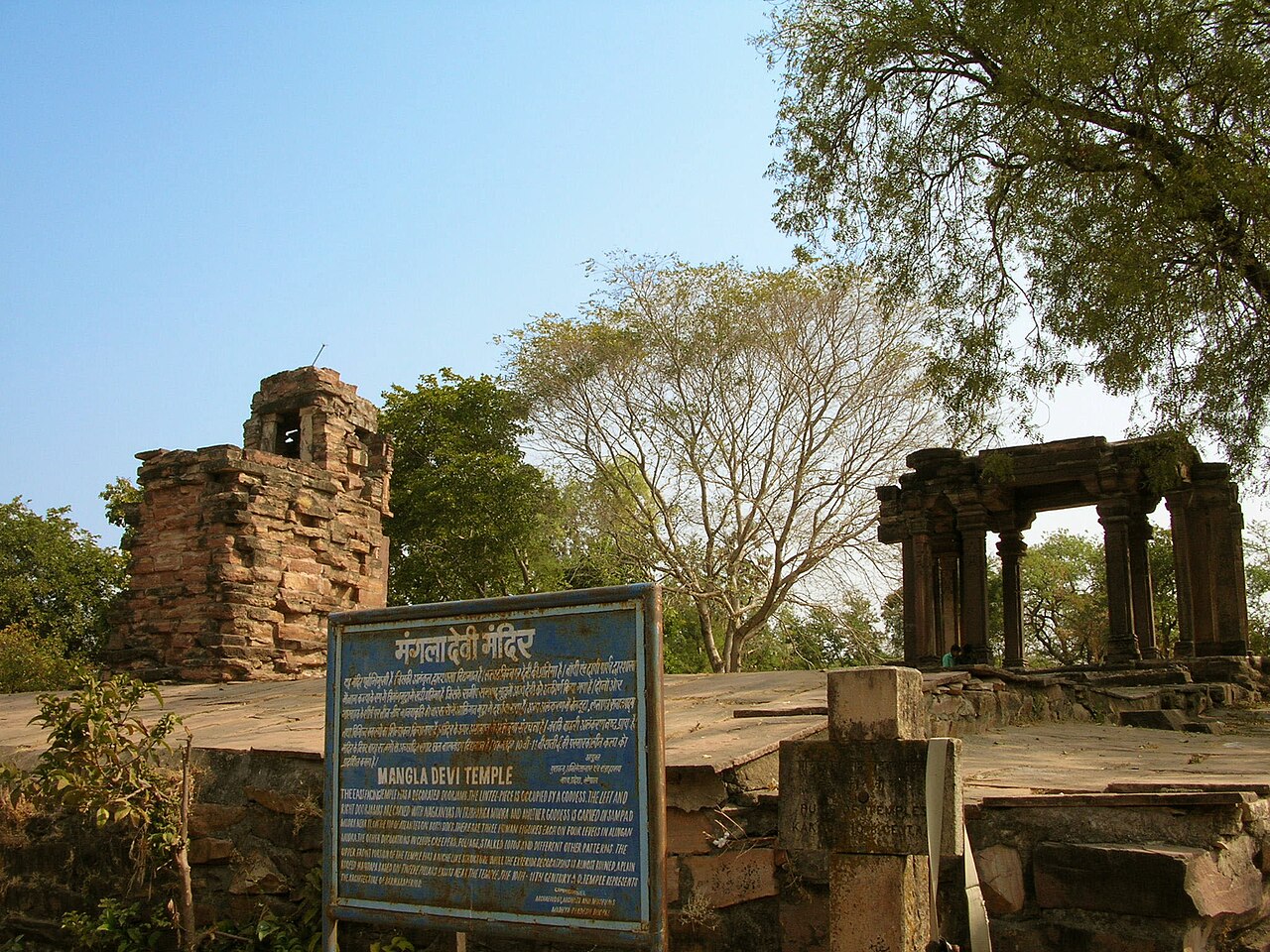
Mangala Devi Temple, Kagpur, Vidisha
Mangala Devi Temple is a ruined Hindu temple in Kagpur village, Vidisha District, Madhya Pradesh, dedicated to the goddess Durga. Built during the Paramara period in the 10th–11…
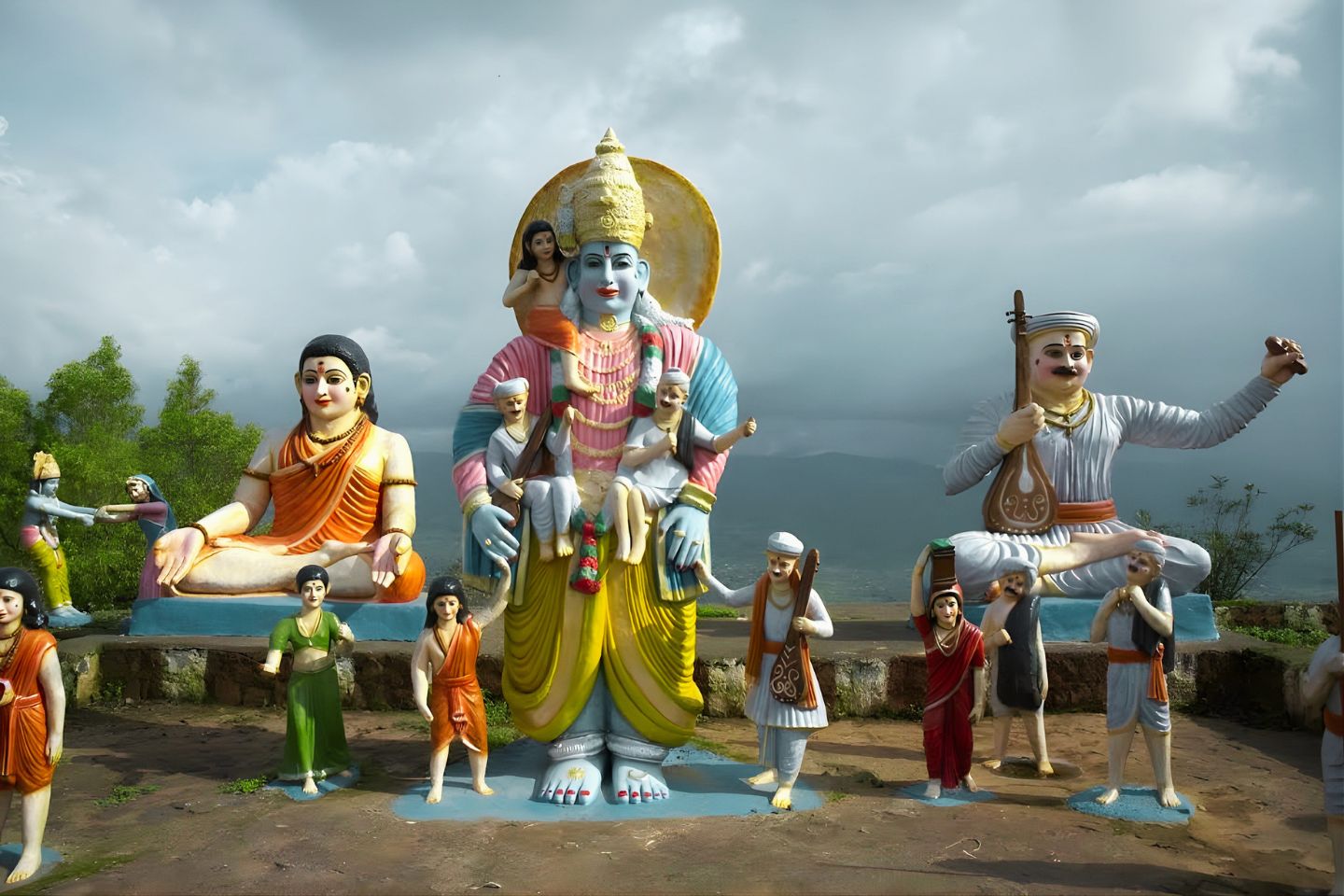
Neelkantheshwar
Nilkantheshwar Temple is a hilltop Shiva shrine near Pune dedicated to Lord Shiva, whose blue throat earned him the name Nilkantheshwar after drinking cosmic poison during the c…
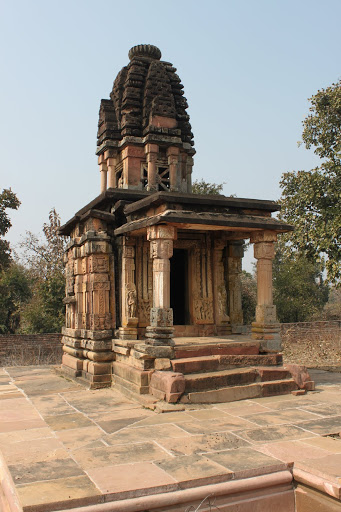
Kuraiya Bir Temple, Kuchdon
An 8th-century three-storey Hindu temple in Kuchdon village near Deogarh, Lalitpur district, originally dedicated to an unknown deity and later re-dedicated to Shiva in the 18th…